AI in public safety operations: new technology for dispatch and critical information
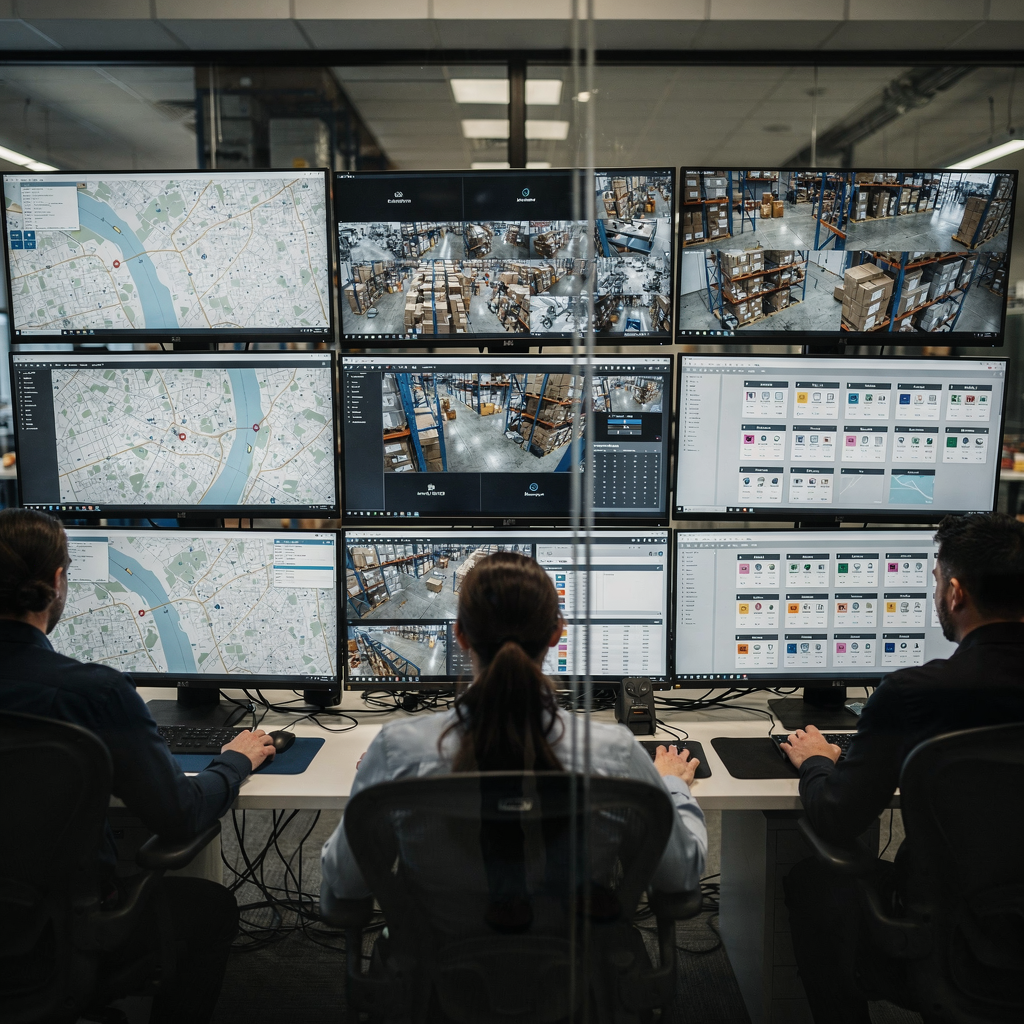
Public safety operations now move faster because new technology lets systems assist human teams. First, AI helps integrate disparate feeds so operators see the right view. For example, cameras, radio, and legacy CAD records can be combined into one operational stream. This integration reduces time spent switching screens and improves situational awareness for 911 professionals. As a result, telecommunicator’s cognitive load falls and they gain time to focus on critical tasks.
Next, AI can screen incoming 9-1-1 and non-emergency calls to filter and prioritise. The system flags emergency calls and routes less urgent requests to on-demand channels. This automation helps manage call volume and reduces radio traffic, which matters when staffing is thin and spikes occur. A recent study found AI systems can cut emergency response times by up to 30% (bron). That statistic underlines why many public safety agencies look to integrate such tools.
Call-takers and dispatch now rely on natural language processing to summarise a caller’s words. Then an assistive transcript appears for the call-taker. This real-time transcription reduces manual note-taking and expedites the response process. Meanwhile, the telecommunicator can verify locations, flag essential data, and send a concise alert to responders. The approach ensures critical information flows seamlessly to units in the field.
However, governance and oversight remain crucial. Experts warn that “AI systems are transforming public safety by enabling faster, more accurate analysis of emergency data, which is crucial for saving lives” (Davis-rapport). Therefore, human-centered design and clear obligations for vendors must guide deployment. For agencies planning upgrades, consider vendor architectures that support on-prem processing and strong audit trails. For more on how video analytics can be made searchable and explainable for operators, see our page on forensisch onderzoek op luchthavens.
Assistive AI to automate triage and enhance emergency response
Assistive AI now classifies incoming incidents in real time so dispatcher teams can act faster. First, the system scores incoming reports and suggests triage levels. Then it recommends which units to send and what equipment they will need. This process can automate routine decisions while keeping humans in the loop for complex cases. The result is a streamlined response process that can enhance emergency response across many scenarios.
Use cases show meaningful impact. In multi-call scenarios, AI-driven prioritisation helps avoid missed life-safety incidents during spikes in call volume. For example, when several 9-1-1 calls arrive about the same event, the system correlates locations and caller details to present a single actionable incident. This coordination reduces duplicate dispatches and expedites the arrival of first responders. One survey found 65% of agencies have adopted some form of AI assistant technology, with many planning to expand use within two years (adoptie-enquête).
Automation also supports EMS and fire triage by pre-filling key data fields for CAD and RMS systems. For that reason, telecommunicator workflows shift from typing to verification. The automation reduces the time between the initial call and unit dispatch, which saves valuable time at scale. In practice, assistive AI acts as a force multiplier: it helps call-takers and call-takers send better instructions and move resources faster.
Case study examples show the approach works. A midsize ECCs implementation used AI to route low-risk non-emergency calls away from the main queue, while prioritising life-threatening 9-1-1 calls. The platform lowered average hold times and improved response times for high-acuity incidents. At the same time, safeguards reduced bias by requiring human sign-off for certain classifications. Agencies considering similar steps should test systems on historical data and validate outcomes. For hands-on environments where video matters, visionplatform.ai provides reasoning over camera feeds so operators can verify alarm validity before units are routed, reducing false alerts and enhancing trust in AI-powered decision support.
AI vision within minutes?
With our no-code platform you can just focus on your data, we’ll do the rest
AI-powered solutions for real-time transcription and incident logging
Real-time transcription turns spoken information into searchable, timestamped records. This capability saves valuable time and reduces miscommunication between the caller, dispatcher, and responder. In practice, transcription systems capture the 9-1-1 call and produce a clear log of key details. Then the telecommunicator reviews the summary, corrects any errors, and releases it to CAD and RMS for action. The result is faster documentation and reliable incident histories.
Accuracy matters, especially under stress. Benchmarks show modern systems reach high word recognition rates, but noisy environments and emotional callers can reduce accuracy. Therefore, many deployments combine automatic transcription with a human QA step to ensure fidelity. Real-time transcription plus human oversight reduces downstream errors and helps investigators find essential data later. For a concrete example of searchable video and text correlation, see our personendetectie op luchthavens solutions which pair visual events with textual descriptions.
Moreover, transcription supports language translation and makes initial details available to multi-agency partners. For example, real-time translation helps an English-speaking dispatcher assist a non-English-speaking caller, which can expedite on-scene action. The system thus becomes a platform for emergency communications that bridges language gaps. At the same time, privacy controls and retention policies must protect sensitive records.
Finally, incident logging linked to timestamps and video increases accountability and reduces cognitive load for 911 professionals. When audio, transcript, and camera descriptions sync with CAD, investigators can reconstruct events quickly. This capability reduces the burden of manual report writing and improves operational efficiency. Agencies should assess whether on-prem solutions fit their security posture. For example, visionplatform.ai offers an on-prem AI platform that keeps video and transcripts inside the environment to support compliance with strict data controls.
AI solutions to transform dispatch workflows in public safety
AI solutions now streamline call routing and resource allocation. First, systems triage incoming calls and recommend the best unit to dispatch. Next, they consider traffic, unit status, and historical response patterns to optimise routing. This approach reduces time spent on routine decisions and frees dispatchers to manage complex events. As a result, the overall response process becomes more coordinated and effective.
Streamline efforts often include predictive analytics. Predictive models anticipate hotspots and advise pre-positioning units based on time of day and recent incidents. These insights help public safety agencies balance coverage and reduce response times. For instance, analytics that detect patterns of loitering or perimeter breaches can trigger preventative patrols; see our inbraakdetectie op luchthavens page for a practical application of this idea.
Impact on operator workload is clear. With AI automating low-risk tasks, dispatchers and call-takers spend less time on data entry and more time on oversight. The telecommunicator can focus on verifying complex cues from video, body camera feeds, or eyewitness reports. This change reduces cognitive load and improves the quality of human decisions. In one deployment, agencies reported fewer missed alerts and smoother handoffs between units and ECCs.
When integrating AI-driven workflows, agencies must maintain strict audit trails. The architecture should allow human override and keep logs for QA and review. Additionally, integrations with CAD and RMS are critical so data flows without re-entry. For secure, auditable video reasoning that connects to control room procedures, visionplatform.ai exposes VMS events to AI agents that recommend or pre-fill incident reports. That method lets agencies automate routine actions while preserving human oversight and accountability.
AI vision within minutes?
With our no-code platform you can just focus on your data, we’ll do the rest
Assistive dispatch platforms: AI-powered tools for critical information analysis
Assistive platforms combine AI-powered analytics with dashboards that reveal incident trends and risks. First, an ai platform pulls data from cameras, CAD, and external feeds. Then it aggregates and visualises key insights for supervisors. The dashboards highlight spikes in non-emergency calls, sudden increases in radio traffic, or clusters of similar incidents. Consequently, leaders can allocate resources proactively and reduce reactionary decisions.
Predictive analytics works alongside assistive AI to detect risk before it escalates. For example, anomaly detection flags unusual movement patterns in crowded areas, which can prompt targeted checks. At the same time, safeguards must prevent bias. Governance research warns that AI in public governance raises complex ethical questions and needs transparent rules (onderzoek naar governance). Agencies should set policies for model audits, data minimisation, and human review.
Data security is another priority. Attacks on AI systems can jeopardise operations, so compliance programs and continuous monitoring are essential (onderzoek naar beveiliging). Platforms that support on-prem processing keep sensitive video and transcripts inside agency controls. For a practical example of AI that reasons over video without leaving the site, consider our VP Agent Reasoning, which correlates camera detections with procedures and access control events.
Finally, assistive platforms serve as a force multiplier for investigators and command staff. They surface actionable alerts and provide context so teams can make faster decisions. Also, they enable real-time data sharing with partner agencies while respecting privacy rules. To learn more about how situational data becomes searchable and actionable, read our page on forensisch onderzoek op luchthavens.
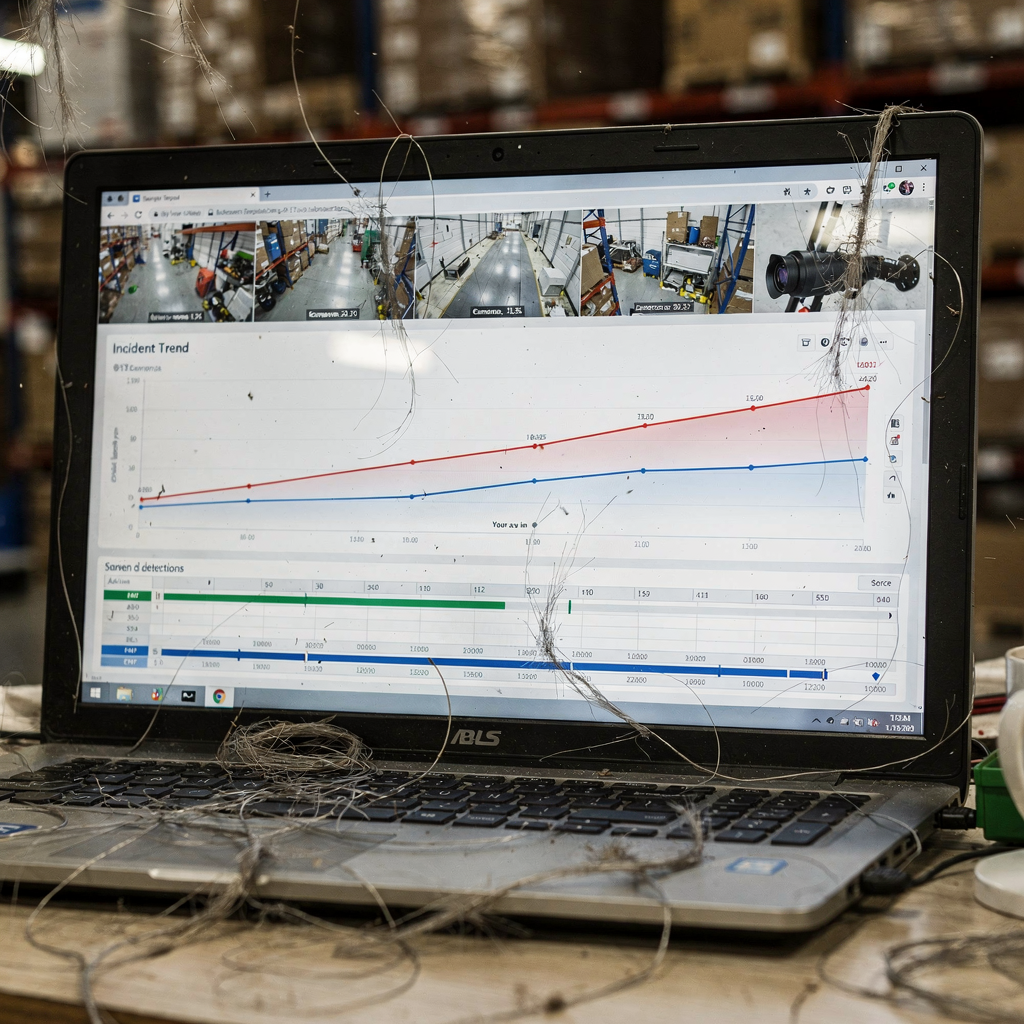
Transform public safety operations with assistive AI and automate response coordination
Transforming operations requires end-to-end automation from call receipt to unit deployment. First, an ai assistant ingests the initial call, verifies location, and matches it with video or sensor feeds. Next, the platform recommends or routes units while pre-filling critical information in CAD and RMS. This automation reduces repetitive tasks and expedites arrival times for first responders.
Interoperability matters. Systems must connect to CAD, RMS, radio, and field-based apps so information stays consistent across teams. For example, an action in the control room can be routed to a field app where responders receive pre-populated notes and video snapshots. This loop reduces manual handoffs and miscommunication. When agencies adopt such workflows, they often see better coordination and faster time to focus on high-priority incidents.
Future outlooks point to continuous learning and stronger governance. AI models that learn from outcomes will improve triage and predictions over time. At the same time, agencies need QA processes, audits, and transparent model documentation to maintain trust. The National Conference of State Legislatures notes improved threat detection accuracy with AI analytics in law enforcement, while urging legal frameworks for responsible use (NCSL).
Vendor choices matter. Choose vendors that prioritise on-prem processing, explainability, and human-in-the-loop controls. For video-centered deployments, visionplatform.ai turns camera detections into reasoning and actions inside the control room. That approach keeps data secure, reduces false alerts, and supports autonomous handling of low-risk events with clear audit trails. In sum, assistive AI and automation can be a force multiplier when paired with human oversight, strong governance, and interoperable systems. Agencies that test, measure, and refine implementations will improve operational efficiency and public trust over time.
FAQ
What is an AI assistant for public safety operators?
An AI assistant is a system that helps public safety teams process data, prioritise incidents, and recommend actions. It supports human staff by automating routine steps and surfacing key information for faster decisions.
How does AI reduce emergency response times?
AI reduces delays by triaging calls, pre-filling CAD entries, and routing units based on context and live data. Studies show systems can reduce response times by up to 30% when properly integrated (bron).
Are transcripts from 9-1-1 calls reliable?
Modern real-time transcription systems achieve high accuracy, but noisy or emotional calls can cause errors. Therefore, a human QA step usually verifies transcripts before long-term retention.
Can AI integrate with my CAD and RMS?
Yes. Most assistive platforms connect to CAD, RMS, and VMS via APIs or webhooks so data remains synchronised. Integration reduces duplicate entry and expedites the flow of essential data to responders.
How do agencies avoid bias in AI classifications?
Avoiding bias requires diverse training data, regular audits, and human oversight on sensitive decisions. Governance frameworks and transparent models also help ensure fair outcomes (onderzoek naar governance).
Is on-prem AI better for security?
On-prem solutions keep video and transcripts inside the agency environment, which reduces exposure and helps with compliance. For agencies with strict data rules, this approach supports secure operations.
What role do telecommunicators play with AI?
Telecommunicators validate AI suggestions, correct transcripts, and handle complex judgement calls. AI reduces routine burdens, giving staff time to focus on tasks that need human judgement.
How does AI help with language barriers?
AI can provide real-time translation and summarised transcripts so dispatchers can communicate with non-English-speaking callers. This capability expedites initial response and improves the clarity of instructions.
Can AI systems be audited?
Yes. Good platforms log decisions, data sources, and actions so agencies can review model behaviour and perform QA. Audit trails are essential for accountability and continuous improvement.
Where can I learn more about video reasoning and assistive platforms?
Explore solutions that combine video analytics with natural language search and agent reasoning. For practical examples, see our pages on forensisch onderzoek op luchthavens, inbraakdetectie op luchthavens, and personendetectie op luchthavens.