port in the world: examining global port operations and their role in trade
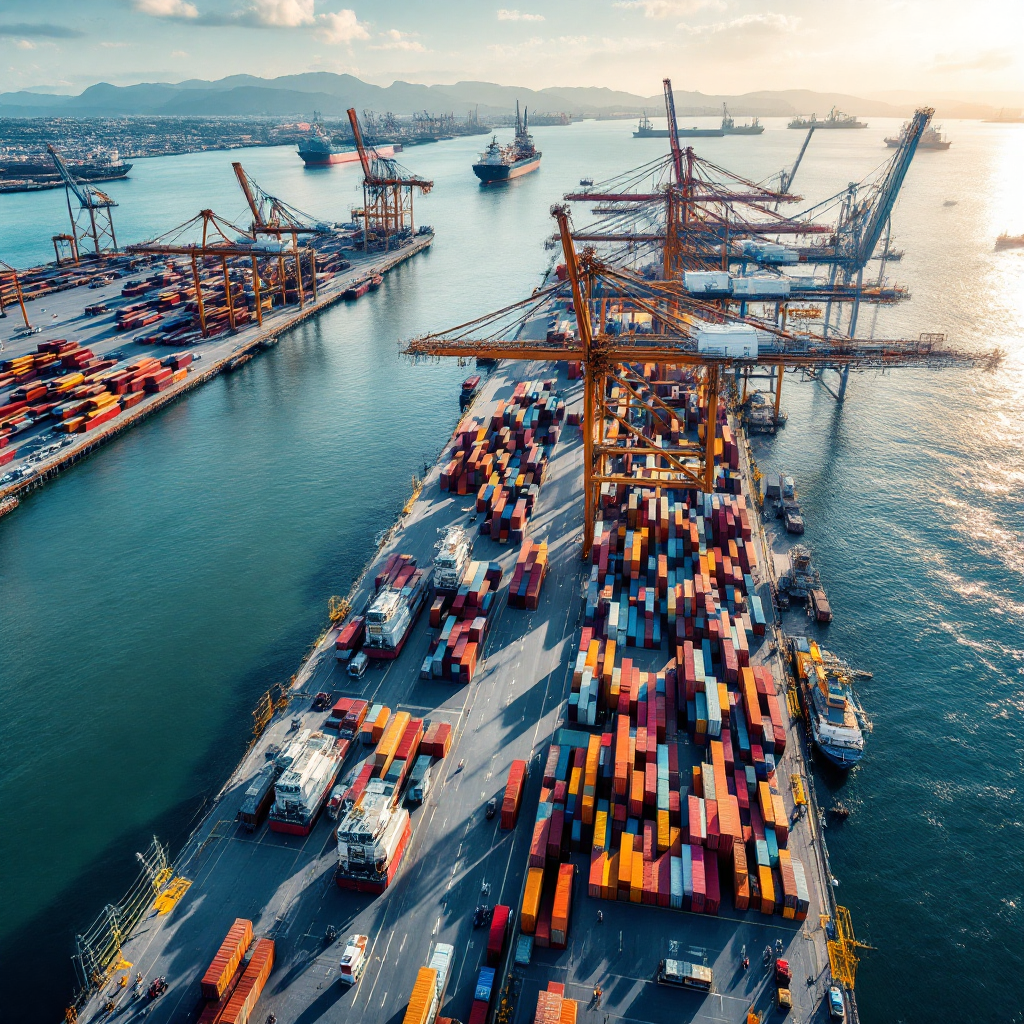
First, define the phrase “port in the world” as a hub that links sea, land, and logistics networks. Second, recognise that a container port acts as a node in global trade. Third, note that ports support import and export flows that shape national trade balances. For example, Shanghai handles millions of TEU annually and sits among the busiest hubs. Also, Singapore and Rotterdam rank high by throughput and connectivity. As a result, a single major port can influence trade volumes across an entire region.
Ports affect national GDP, employment, and export competitiveness. For instance, a busy container port can lower operational costs for exporters. Consequently, it can improve balance of trade. Port authorities and terminal operator teams run the terminals. They manage berth scheduling, terminal yard layouts, and drayage flows. Meanwhile, shipping lines and shippers plan vessel calls and truck schedules. Transition words help link these ideas. Also, the concept of port efficiency matters when measuring how well a port converts calls into cargo movement.
Throughput is one key metric. Ports measure throughput to compare performance. Turnaround times, berth occupancy, and terminal capacity also matter. In addition, utilisation of cranes and yard space affects throughput and utilisation. For context, research shows that “vessels waiting time at congested ports or container terminals is a key indicator of port performance and operational bottlenecks” Meng et al.. This quotation points to the need for data-driven reporting. Also, ports increasingly rely on AIS-gegevens, scanners, and sensors to log vessel arrival and gate events. For readers who want more on camera-led analytics applied to people and vehicles, see our article on mensen tellen, which shows how existing CCTV becomes a sensor network.
Finally, ports shape supply chain resilience. Therefore, investing in information systems and automation pays off. In addition, better scheduling reduces vessel delays and lowers operational costs. Thus, ports that merge data from terminals, carriers, and road operators gain a competitive edge.
congestion and port congestion: identifying causes and measuring impacts on throughput
First, distinguish general congestion from port congestion. General congestion often refers to traffic congestion on public roads. Port congestion specifically describes a build-up of vessels, trucks, or containers at a facility. Next, identify metrics. Typical measures include queue length, average wait times, turn times, berth occupancy, and ship turnaround times. Also, terminal congestion also shows in full terminal yards and stalled cranes. These metrics reveal bottleneck locations and scheduling gaps.
Quantitative data makes the point clear. For example, a study noted that container ships waiting at anchor on the US West Coast rose from 40 vessels to 61 in a short period, demonstrating how rapidly queues can swell West Coast backlog. Similarly, UNCTAD reports that larger ports with container terminals face higher congestion risk, affecting cargo handling and turnaround times UNCTAD Review. These links show real port congestion and how it harms throughput.
When congestion occurs, costs rise. Then, operational costs climb through longer berth hire, demurrage, and idle labour. Also, environmental emissions increase because vessels burn fuel while anchored. As a result, port efficiency drops and supply chains feel the pain. Additionally, long queues and vessel delays push freight rates and insurance premiums higher.
To measure and act, ports need granular time data. For example, turn times and service time metrics help identify where to deploy cranes or add shifts. In particular, analysing truck arrivals, terminal gate flows, and terminal yard stacking gives clues about utilization and terminal capacity. For a practical view on multi-stakeholder planning and data sharing, see the OECD discussion about collaborative traffic planning in port-cities OECD paper. Finally, remember that small changes in scheduling can turn a peak period into steady throughput rather than a crisis.
AI vision within minutes?
With our no-code platform you can just focus on your data, we’ll do the rest
queue and wait time: methods for tracking vessel and haulage delays
First, define queue detection and wait time precisely. Queue detection records the number or position of vessels or trucks waiting. Wait time measures how long they wait before service. In maritime contexts, wait time often refers to anchorage delays or berth assignment waits. On land, it covers terminal gate delays and truck dwell time. Also, accurate measurements guide decisions about resource allocation.
Next, review common technologies. AIS-gegevens gives vessel positions and timestamps. Satellite imagery supplements AIS for dense anchorages. On-terminal sensors include RFID, scanners, and bluetooth sensors at gates. In addition, CCTV turned into sensors can detect vehicle types and trailer counts. For a technology example that uses cameras and analytics to count people and vehicles, our platform offers insights in ANPR/LPR-integratie for vehicle recognition. Also, bluetooth enabled systems help monitor truck arrivals and lane use in multi-lane approaches.
Case studies show the range of delays. During COVID-19, many ports saw multi-day queues and significant vessel delays, as handling and transfer operations slowed COVID-19 port congestion study. Another case study along the US-Mexico border showed how cutting wait times at land ports of entry can boost cross-border commerce Atlantic Council. These studies prove that delays create knock-on effects for inland logistics and drayage operations.
Also, queue management blends hardware or software. For example, terminal gate sensors and scanners feed a central system. Then, operational teams act on the alerts. Furthermore, real-time monitoring and alerts reduce uncertainty for shipping lines and truckers. In practice, average wait times often vary by peak period and terminal operations. Thus, ports need layered sensing: AIS-gegevens, on-gate scanners, CCTV analytics, and yard sensors that report time data and vehicle flow. Finally, using those feeds, port teams can reduce bottleneck risk and improve port efficiency through targeted interventions.
real-time queue management: technologies for dynamic monitoring and operational alerts
First, define real-time queue management as systems that gather live inputs and push actionable alerts. Second, note that dashboards and signage deliver a live view of queues and turn times. For example, SMATS Traffic Solutions provides live gate wait times and turn times on public dashboards SMATS iNode. This kind of public display helps drivers plan and reduces unnecessary idling.
Real-time systems combine sensors, software, and human workflows. Sensors include smart devices, bluetooth sensors, and scanners at entry and exit points. Also, CCTV with on-prem analytics turns cameras into operational sensors. Visionplatform.ai enables this approach by converting existing CCTV into a private, on-site sensor network. The platform streams events via MQTT so dashboards and BI systems can use the outputs. As a result, security systems and operations share the same data, which boosts operational efficiency.
Next, outline common features. Live gate wait times, mobile notifications, and estimated arrival windows let truckers and shipping lines adapt. Also, appointment systems and slot-booking integrate with these feeds. Consequently, ports can smooth arrivals and lower demurrage costs. In practice, real-time monitoring reduces idle time, improves turn times, and helps terminal operator teams prioritise cargo moves.
Also, automation plays a role. Automated notifications invite drivers to a specific lane or gate. Then, multi-lane processing improves throughput. In addition, notification systems can escalate events when a bottleneck forms. For example, a sensor may detect growing queues at the terminal gate and push alerts to operations staff. Finally, real-time monitoring supports collaborative decision-making among port authorities, terminal operators, and carriers. It provides shared situational awareness and helps avoid costly disruption.
AI vision within minutes?
With our no-code platform you can just focus on your data, we’ll do the rest
system design for port efficiency: integrating data systems to optimise cargo handling
First, good system design follows clear principles: modularity, interoperability, and scalability. Second, these principles make it easier to integrate diverse hardware or software components. For ports, that includes AIS-gegevens feeds, gate scanners, CCTV analytics, and logistics information systems. Also, modular systems let teams add components without rewriting everything. Consequently, a port that invests in modular architecture improves terminal operations and overall port efficiency.
Next, discuss speed-optimisation. Vessel Arrival clauses and dynamic scheduling encourage vessels to adjust speed for on-time arrival. This reduces anchorage time and lowers emissions. The Global Maritime Forum highlights legal and contractual changes that enable such operational efficiency Vessel Arrival optimisation. In parallel, appointment systems and slot-booking reduce clustering at peak period windows. Also, better sequencing in the terminal yard reduces crane idle time and improves utilisation.
Integration requires a unified dashboard. Such a dashboard links terminal operator tools, port authorities, shipping lines, and road operators. Also, it displays turn times, trailer locations, and queue length. For time-sensitive operations, real-time monitoring provides alerts when a bottleneck emerges. In addition, system design must consider security systems and the security screening process so compliant workflows remain intact. For example, cameras used for security can also feed operational AI. Our platform supports this dual use by keeping analytics on-prem and streaming events to BI and SCADA systems. See our piece on thermische detectie van mensen for how cameras serve multiple purposes securely.
Finally, design must include fail-safes. Redundant sensors and fallback communications protect against single points of failure. Also, clear governance lets stakeholders trust shared information. In the end, thoughtful system design reduces inefficiency and helps ports handle more cargo with the same terminal capacity.
freight: strategies to improve throughput at sea and land ports
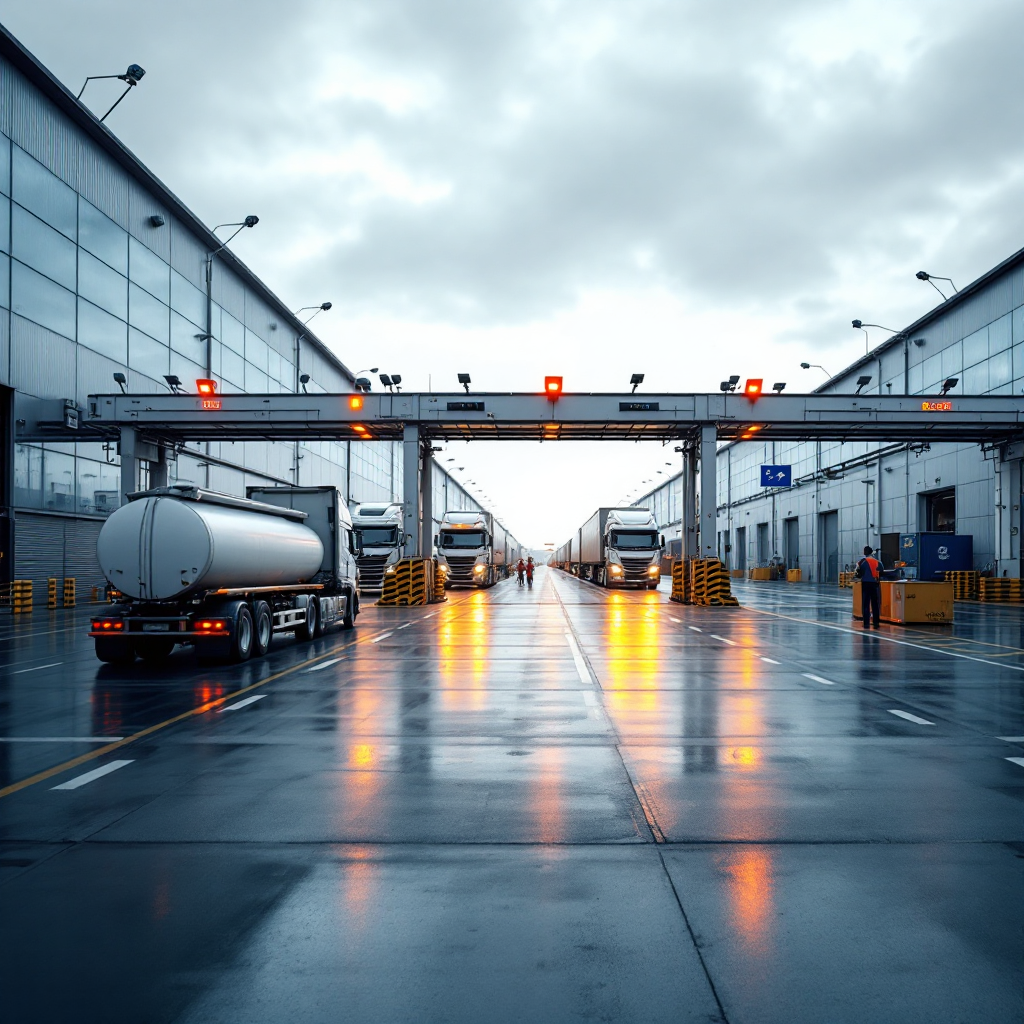
First, map freight flows from vessel arrival to final delivery. Next, identify common bottlenecks: berth shortages, slow terminal yard moves, gate congestion, and limited drayage capacity. Then, use collaborative scheduling to reduce friction. For example, slot-booking and appointment systems smooth truck arrivals and reduce long queues at gates. Also, sharing time data among stakeholders improves predictability and lowers operational costs.
Second, foster stakeholder collaboration. Port authorities, terminal operators, shippers, and carriers need shared access to forecasts and operational alerts. Likewise, freight forwarders and drayage firms should receive live updates about turnaround times and service time changes. This transparency reduces demurrage and improves shipper satisfaction. For evidence that reduced wait times boost commerce, refer to the Atlantic Council analysis of US-Mexico border wait time gains border study.
Third, use technology to optimise flows. Real-time monitoring and AIS-gegevens inform better berth allocation and reduce vessel delays. Also, optimization of truck lanes and multi-lane gate layouts cuts queue length and speeds entry and exit. Bluetooth sensors and scanner systems support accurate truck arrivals and trailer tracking. In addition, automated appointment confirmations reduce human error. For ports such as the ports of los angeles and terminals near long beach, better coordination lowered congestion in several pilot programs. For an example of camera-based operational analytics that help reduce queues, see our discussion of voertuigdetectie en classificatie.
Finally, practical steps include improving terminal yard stacking plans, deploying more shifts during peak period windows, and using predictive models to anticipate surges. Also, applying simple rules—such as prioritising quick-turn cargo and segregating empty-container moves—speeds throughput. Thus, combining people, process, and technology reduces disruption and increases terminal yard throughput while lowering turnaround times and demurrage.
FAQ
What is queue detection in ports?
Queue detection is the process of identifying and counting vessels or trucks that are waiting for service. It uses sensors like AIS-gegevens, scanners, and CCTV analytics to give a live picture of queues so operators can act quickly.
How is wait time measured at a terminal?
Wait time is measured from the moment a vessel or vehicle requests service until the service begins. Terminals combine time stamps from gate scanners, AIS-gegevens and CCTV events to calculate wait time and report average wait times.
Which technologies help with real-time monitoring?
Technologies include AIS data feeds, bluetooth sensors, scanners at entry and exit, and CCTV analytics. Also, platforms that stream events via MQTT enable dashboards and mobile alerts for operational teams.
Can CCTV be used for operational analytics?
Yes. CCTV can become a sensor network that detects vehicles, trailers, and PPE. Visionplatform.ai shows how on-prem analytics turn cameras into operational sensors while keeping data local and auditable.
What caused long queues during COVID-19?
COVID-19 caused labour shortages, delays in loading and unloading, and constrained hinterland transport. These factors compounded to create multi-day vessel delays and significant port congestion.
How do appointment systems reduce congestion?
Appointment systems spread truck arrivals across a day and prevent peaks at the terminal gate. They reduce queue length, speed gate processing, and lower demurrage exposure.
What is a Vessel Arrival clause?
A Vessel Arrival clause lets carriers adjust speed to meet a scheduled berth window. This reduces anchorage waits and cuts emissions while improving port efficiency.
How do ports improve terminal capacity without expansion?
Ports optimise scheduling, increase shift utilisation, and improve yard stacking to boost throughput. They also deploy automation and better information systems to reduce bottlenecks.
Who are the key stakeholders in queue management?
Stakeholders include port authorities, terminal operators, shipping lines, drayage firms, and shippers. Collaboration and shared data help all parties manage demand and avoid long queues.
What is the role of AIS DATA in queue detection?
AIS DATA provides vessel positions and timestamps that help detect anchorage queues and forecast arrival windows. When combined with on-gate sensors and CCTV analytics, it creates a fuller operational picture.