AI: Trends and Impact on Video Surveillance
AI in video surveillance refers to algorithms and models that analyze video and sensor inputs to detect, classify, and explain events. Also, AI shifts control room staff from routine monitoring to focused decision-making. Furthermore, this shift reduces repetitive tasks and gives operators time to act on verified incidents. For example, industry forecasts estimate that nearly 40% of utility control rooms will incorporate AI by 2027, a sign of rapid operational change 40% centrów sterowania zakładów użyteczności publicznej do 2027 r.. Also, the Deloitte report states that „By 2027, AI will not only automate routine tasks but also act as a copilot, augmenting human decision-making in complex environments” Cytat z Deloitte Insights. Thus, AI becomes an assistant rather than a replacement.
AI adds pattern recognition, anomaly detection, and contextual ranking to video feeds. Also, on top of motion and presence sensors, modern solutions include a vision language model and automated reasoning. Consequently, control rooms see higher-quality alerts and fewer false positives. For operational teams, this means that a trained operator receives summarized context and recommended next steps. Additionally, AI capabilities allow machines to flag unusual behaviour, to prioritize incidents, and to bring together supporting evidence. For instance, academic reviews highlight data and training challenges that must be overcome before broad rollouts przegląd systematyczny wyzwań związanych z AI.
Also, adoption requires integration with existing video management and management system platforms. Therefore, leaders plan for hybrid architectures that keep sensitive video on site while enabling reasoning on structured metadata. Furthermore, companies such as visionplatform.ai are building on-prem systems that combine detection, a Vision Language Model, and agentic AI. Consequently, control room operators gain faster context, and teams can maintain data control and compliance. Finally, the trend is clear: AI enables operations to scale while maintaining full oversight.
Milestone XProtect Platform Overview
Milestone is an open-platform video management solution widely used in enterprise and critical infrastructure environments. Also, Milestone XProtect is known for its plugin architecture and extensive developer ecosystem. Consequently, integrators and software vendors can build specialized modules and analytics that plug into the platform. In practice, this openness enables third-party AI tools to feed events, metadata, and video thumbnails into XProtect and the XProtect rule engine. Also, Milestone’s approach supports interoperability with access control systems and other operational systems.
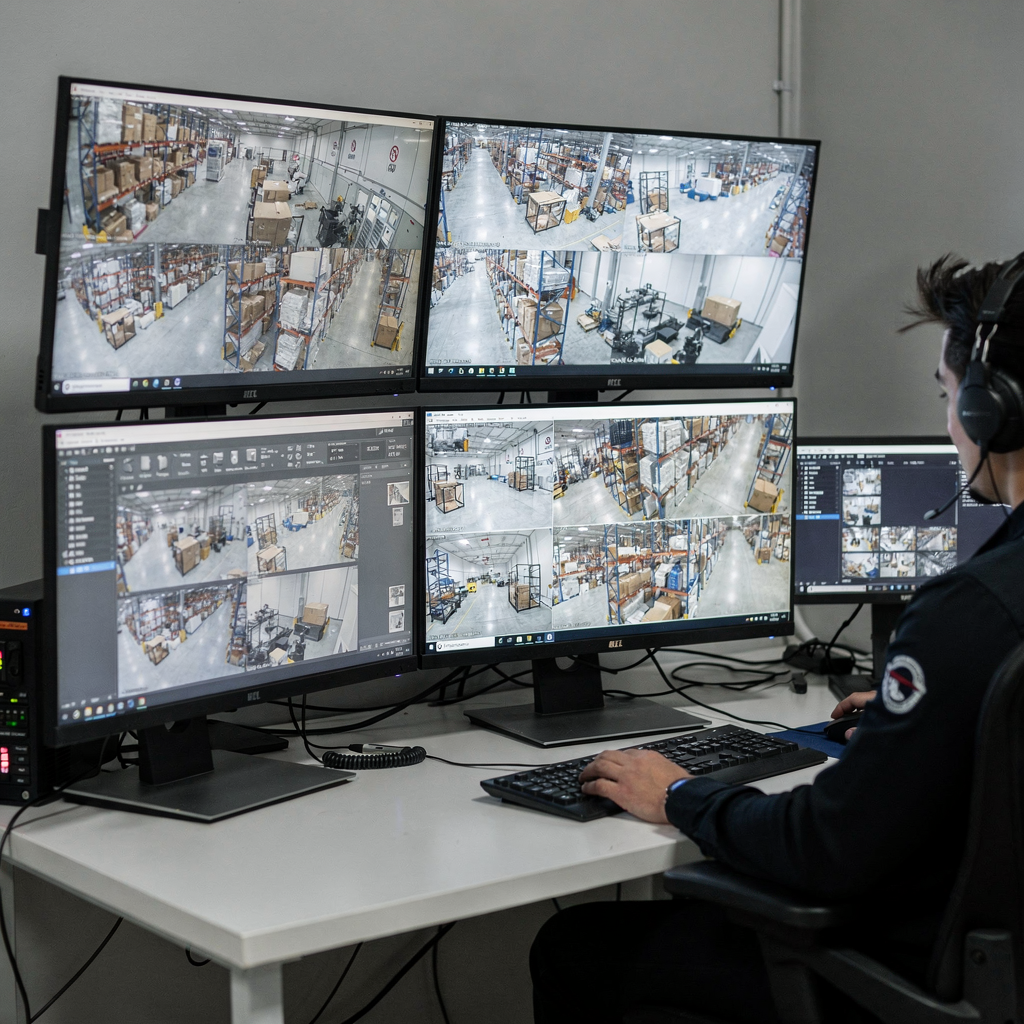
Also, Milestone launches partner integrations and partner-driven analytics that extend the core VMS. For example, vendors can deliver an analytics plug-in for its XProtect video that streams events and annotations into archives. Additionally, a milestone vms ai agent or an ai plug-in for xprotect can expose structured alerts that control room software consumes. Therefore, integrators can create solutions that tie video to logs, access control, and OT systems. Also, the milestone xprotect platform can act as a central repository and archive for video data and events.
visionplatform.ai integrates with Milestone XProtect through a connector that exposes device information through the Milestone API and provides structured access to events. Also, the visionplatform.ai agent suite for milestone xprotect is designed to sit on-prem and to work with the xprotect video management software. As a result, organizations keep video to the cloud only when policy allows, preserving data control and compliance. Finally, this open approach helps accelerate deployment and integration into existing control systems.
AI vision within minutes?
With our no-code platform you can just focus on your data, we’ll do the rest
Control Room: Current Workflows and Pain Points
Control rooms manage safety, security, and operations for airports, utilities, transport hubs, and large venues. Also, typical tasks include monitoring live feeds, triaging alarms, verifying detections, coordinating with field teams, and creating incidents. However, manual monitoring takes time and causes inconsistent responses. Operators are expected to scan many screens and to consult logs, procedures, and radio channels. Consequently, alert fatigue grows when video analytics generate many low-value detections.
Also, common pain points include overwhelming volumes of video streams, high false-positive rates, and siloed data. For example, an alarm may not include access control context or confirmation from perimeter sensors. Therefore, control room operators must switch between XProtect, access control panels, and incident management systems. Additionally, the lack of natural-language search makes retrospective investigations slow. Forensic search across recorded video remains a manual task unless the environment offers specialized tools; see forensic search for detailed workflows przeszukiwanie kryminalistyczne na lotniskach.
Also, organizations face regulatory pressure to keep sensitive video on-prem and to show auditable decision trails. Furthermore, without agentic AI, most video analytics only flag pixels. This creates a gap between detection and action. Also, visionplatform.ai describes the problem: detections increased, but operator understanding did not. Therefore, automation is needed to reduce response times and errors. Additionally, an agent suite for milestone xprotect can provide assisted decision-making on top of detection, pre-filling incident reports and guiding human-in-the-loop workflows. Finally, by connecting video to operational context, control rooms can reduce manpower needs while improving consistency.
AI Agent Integration with visionplatform.ai
An AI agent is a software component that reasons over data, recommends actions, or executes workflows within defined permissions. Also, agentic AI extends this idea by allowing agents to chain reasoning steps, to consult policies, and to interact with external systems. visionplatform.ai provides a visionplatform.ai control room ai agent that exposes video events and VMS data as a structured datasource. Consequently, the agent provides structured access to events and can act like an assistant to the operator. Also, the visionplatform.ai vlm agent includes a Vision Language Model that converts frames into human-readable descriptions.
Also, the connector for Milestone XProtect supports model training, rule authoring, and automated alerts. For deployment, the typical setup includes installing a connector service, configuring camera streams, and authoring rules in XProtect and the agent console. Additionally, the model was trained on site-specific classes or pre-trained data, and can be improved with local examples. Also, the agent provides structured access to device information through the Milestone API and streams events via MQTT and webhooks to downstream systems. This design makes it easy to interact with video, to search across cameras and timelines using natural language, and to get context in seconds.
Also, the VP Agent Suite includes VP Agent Search, VP Agent Reasoning, and VP Agent Actions. Together they form an ai agent suite that can automate repetitive tasks, recommend next steps, or execute safe actions. visionplatform.ai agent suite for milestone combines on-prem AI, the vision language model, and agent workflows so that users will get access to assisted decision-making on top of existing analytics. Also, the architecture supports maintaining full control and aligns with EU requirements for data control and auditability Wizja technologiczna 2025.
AI vision within minutes?
With our no-code platform you can just focus on your data, we’ll do the rest
Video Management: Real-Time Analytics and Automation
Real-time analytics process frames as they arrive and convert them into actionable events. Also, real-time object detection, behaviour analysis, and OCR create structured alerts for perimeter breaches, vehicle identification, and suspicious activity. For example, AI can flag perimeter intrusion, loitering, or a vehicle moving the wrong way. Additionally, OCR enables ANPR/LPR and can feed a watchlist match to an operator. See vehicle detection and classification use cases for specific examples wykrywanie i klasyfikacja pojazdów na lotniskach.
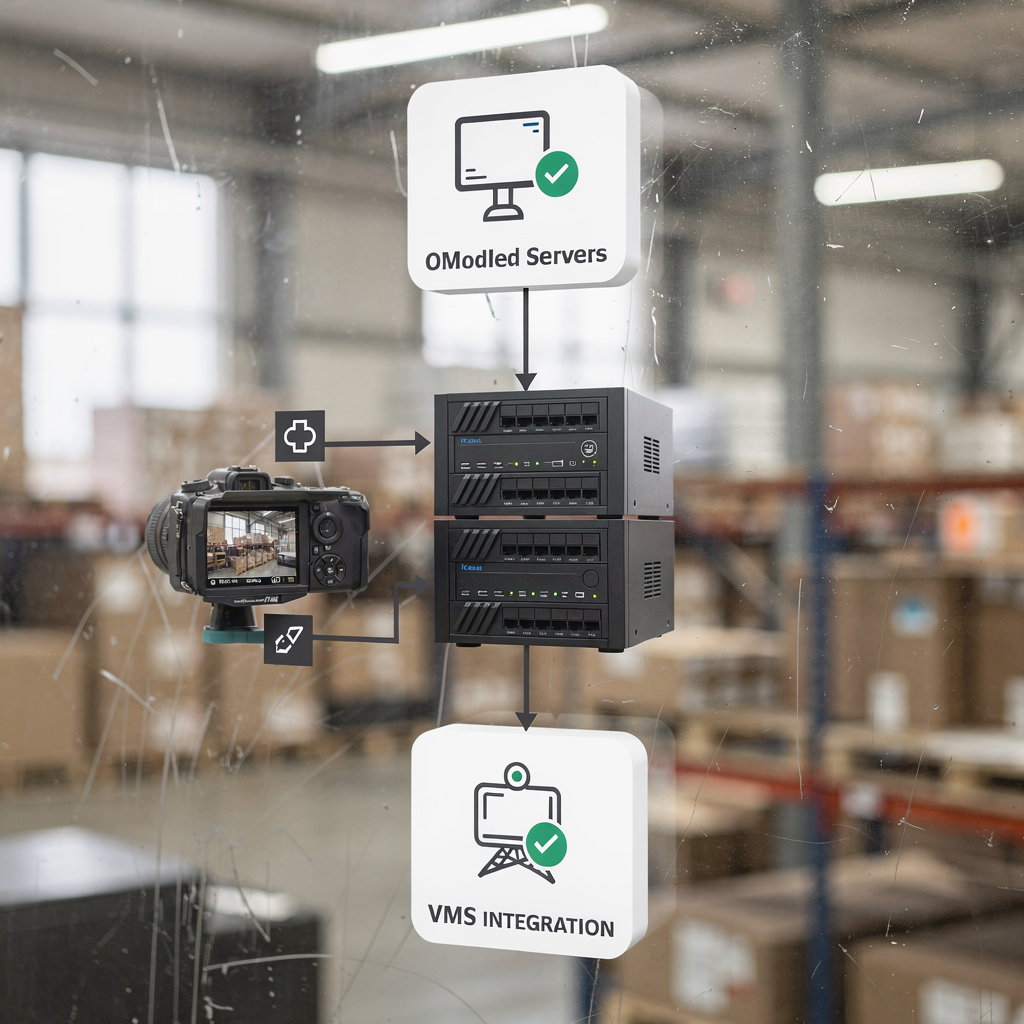
Also, visionplatform.ai turns traditional video management by adding reasoning and an on-prem Vision Language Model. This lets operators query timelines using natural language and retrieve clips that match descriptions. Additionally, an agent can verify alarms by correlating video and access control systems and then produce a short summary. For instance, generative ai to automatically summarize an incident can reduce time to report. Also, genai and ai agents directly provide contextual text that explains why an alert matters and what supporting evidence exists.
Also, modern integrations stream events into XProtect dashboards and archives. The xprotect rule engine can use enriched metadata to suppress false positives and to escalate high-priority incidents. Additionally, visionplatform.ai provides options to connect with access control systems and with OT systems so that an incident can trigger door locks or field camera repositions. Also, search across cameras becomes practical because the Vision Language Model converts video into searchable text. As a result, teams gain situational clarity and can scale monitoring to more cameras without proportionally increasing headcount.
Critical Infrastructure: Use Cases and ROI
Critical infrastructure operators demand robust, auditable systems that reduce risk and operational cost. Also, common use cases include perimeter intrusion detection, unauthorized access detection, ANPR/LPR for vehicle gates, and PPE detection in hazardous areas. For airports, specific features like people detection, loitering detection, and intrusion detection reduce dwell time and improve throughput; see people detection examples wykrywanie osób na lotniskach and loitering workflows wykrywanie wałęsania się na lotniskach. Additionally, operators can use heatmap occupancy analytics to optimize staffing.
Also, ROI comes from faster incident detection, shorter investigations, and lower staffing needs. For example, when AI reduces false alarms and automates report creation, control rooms can reassign staff to higher-value tasks. Moreover, metrics show that AI-assisted verification shortens response times and reduces average handle time per alarm. Also, agent suites for milestone xprotect can automate routine low-risk tasks, enabling agents at scale to support many more cameras.
Also, compliance is eased when systems keep video on-prem and log each agent action. The architecture supports audit trails, data control, and EU AI Act alignment. Additionally, organizations benefit from flexibility: models can be adapted on site, and custom classes can be trained to match site reality. Finally, visionplatform.ai agent suite addresses the challenge of too many detections by turning them into explained incidents so that control room operators can act with confidence and maintain full control.
FAQ
What is an AI agent in the context of a control room?
An AI agent is software that reasons over data, recommends actions, or executes workflows according to policy. It can verify alarms, summarize events, and assist operators with decisions in real time.
How does visionplatform.ai integrate with Milestone XProtect?
visionplatform.ai connects via the Milestone API and exposes video events, device information, and structured alerts. The connector streams events into XProtect and into agent workflows for verification and action.
Will AI require video to be sent to the cloud?
No. Many deployments, including visionplatform.ai’s on-prem approach, keep video on site to meet compliance and security needs. This maintains data control and reduces regulatory risk.
Can AI reduce false alarms in security control rooms?
Yes. AI that reasons over multiple sources can verify detections, correlate with access control systems, and explain why an alarm is valid. This reduces false positives and operator fatigue.
What is a Vision Language Model and why does it matter?
A Vision Language Model converts frames into human-readable descriptions, enabling natural-language search and easier forensic review. It lets operators search across cameras and timelines using simple queries.
How quickly can the system be trained for site-specific needs?
Training speed depends on data quality and the model choice. visionplatform.ai supports pre-trained models and incremental improvement with local examples to speed deployment and accuracy.
Does the agent take actions automatically?
Agents can be configured for human-in-the-loop operation, assisted decision-making, or controlled autonomy for low-risk tasks. Policies and audit trails define when full automation is allowed.
How does this impact compliance and audit logs?
On-prem agents log each decision and action. This creates auditable trails that support compliance frameworks and the EU AI Act requirements for sensitive environments.
Can agents work with access control systems?
Yes. Integrations allow agents to consult access control systems and to use that context for verification and response planning. This tight coupling improves situational understanding.
Where can I learn more about specific video analytics use cases?
visionplatform.ai provides many use case pages, such as perimeter breach detection and forensic search, which explore implementation patterns and benefits in detail. These resources help teams map technical choices to operational outcomes.