thermal, thermal image and infrared in industrial process
Thermal sensing plays a core role in modern industrial process control. First, thermal cameras capture infrared radiation and turn it into a thermal image that operators can read at a glance. Next, the sensor measures the infrared radiation by wavelength and then the system maps that energy to colors and values. In practice, the detector in a thermal imaging camera senses the infrared radiation that objects emit, and software converts that signal into a temperature reading. For visible purposes, the thermal image displays temperature distribution across equipment, and teams use that view to spot temperature differences and localized heat before failures occur.
Industrial facilities such as chemical plants, power generation units and steel mills rely on this imaging technology for continuous monitoring. For example, a thermal imaging camera mounted over a furnace can flag a hot spot in refractory lining early. Also, industrial thermal imaging supports non-contact temperature measurement so teams can keep a safe distance while they inspect high temperature machinery. Visionplatform.ai integrates video detections with existing VMS so thermal feeds and visible feeds can both feed alarms and dashboards for process control and operational analytics.
Market adoption reflects this value. The thermal imaging leak detection system market reached USD 2.36 billion in 2024, driven by demand to reduce energy losses and improve safety 2,36 Milliarden USD im Jahr 2024. In research settings, large datasets help models learn subtle thermal signatures; one public dataset used over a thousand labelled frames to train early detectors for pipelines über 1.000 beschriftete Bilder. Finally, FLIR and other vendors have popularised ruggedized sensors and tools for plant teams, and many sites now equip both a thermal camera and visible camera to improve diagnostics.
hot spot, hot spot detection and plant safety
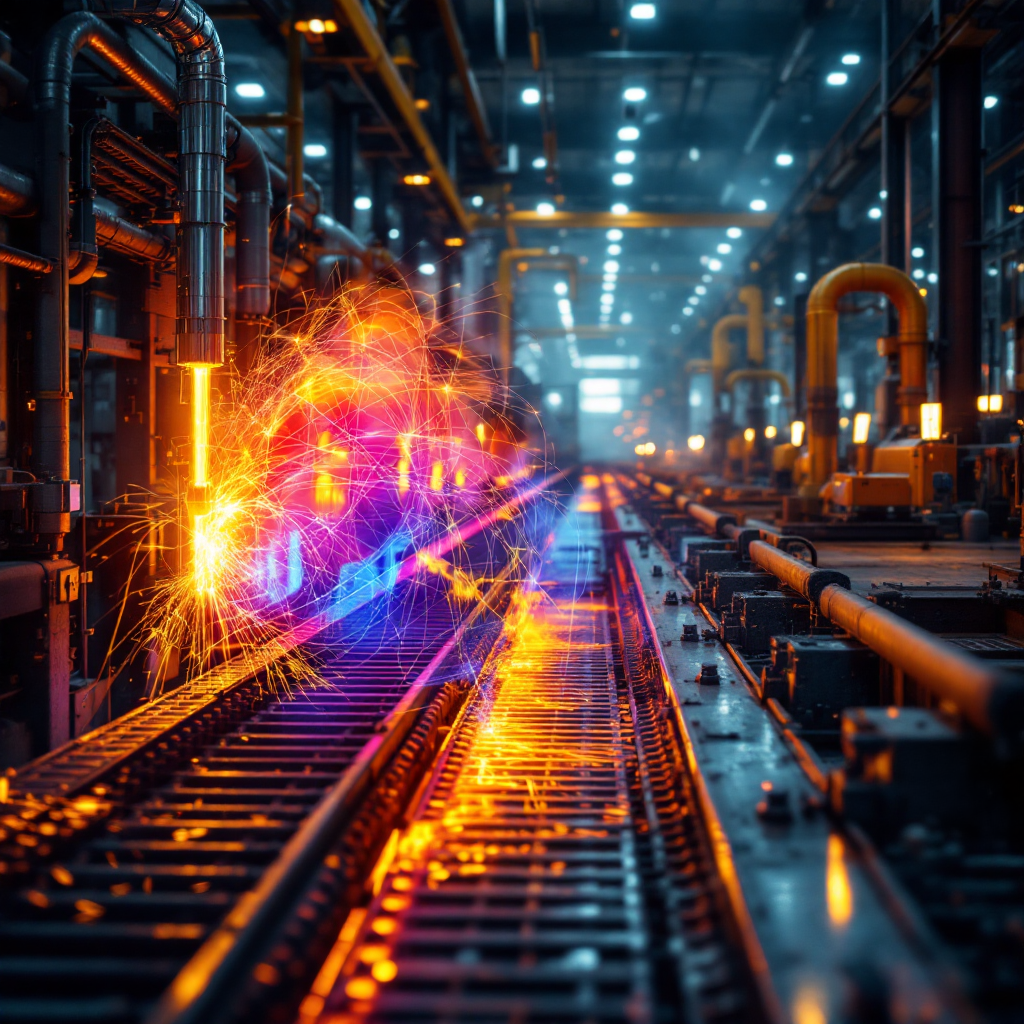
A hot spot is a localized heat source that signals abnormal operation. It can come from loose electrical connections, worn bearings, failing motors, or degraded insulation. For example, failing electrical components often generate localized heat that precedes a circuit fault. Hot spot detection uses thermal patterns to locate those trouble points and to detect early temperature increases well before smoke or flame appears.
Hot spot detection prevents failures, reduces downtime, and improves plant safety because teams can act before an unplanned shutdown. When a bearing starts to generate heat, crews replace or lubricate it. When an electrical lug runs hot, technicians tighten the connection and avoid a costly fault. In many plants, proactive detection replaces reactive maintenance. This approach lowers maintenance costs and reduces energy consumption by fixing inefficient equipment that generates excess thermal energy.
Real-world examples show the benefits. In a power generation facility, a thermographer found a hotspot on a transformer bushing and the team corrected a loose connection before a major outage. In a chemical plant, thermal surveys revealed insulation gaps on steam lines, and plant teams remedied those gaps to reduce heat loss. Safety standards and regulatory drivers also push plants to adopt thermal monitoring. Operators reference thermal surveys and inspection logs to demonstrate compliance and to support fire prevention strategies. For practical guidance on integrating thermal safety into airport infrastructure and large sites, teams can study related deployments like Visionplatform.ai’s fire and smoke detection integrations Integration zur Feuer- und Raucherkennung to see how vision systems extend safety workflows.
AI vision within minutes?
With our no-code platform you can just focus on your data, we’ll do the rest
leak detection system using infrared cameras for process monitoring
Leak detection with infrared cameras spots steam, fluid and gas leaks that are otherwise invisible. An infrared camera can reveal a plume of escaping steam as a thermal contrast against background surfaces. In steam and fluid systems, small temperature differences betray leaks; teams can then schedule targeted repairs. A detection system built around infrared cameras provides continuous monitoring and automated alerts when thermal anomalies appear.
Process monitoring with thermal feeds reduces energy losses and maintenance costs. Early detection limits wasted steam and reduces energy costs. For example, AI-powered thermal solutions have improved leak response times and enhanced HSE performance in industrial plants KI-gestützte thermische Kameras verbessern die Leckreaktion. Research also shows that combining deep learning with infrared thermal imaging can significantly speed up and improve leak detection: “This approach significantly improves the accuracy and speed of leak detection, ultimately mitigating environmental and financial risks” Deep-Learning- und Infrarot-Studie.
Practically, teams train models with thousands of labelled scenes. One study used 1,035 leak and 1,036 no-leak images to reach high accuracy in pipeline leak detection präzise Leckerkennung in Pipelines. In operation, infrared cameras make it possible to spot subtle temperature variations and to stream events in real-time to maintenance systems. Visionplatform.ai can take those event streams and publish them via MQTT so operations and OT systems receive actionable leak alerts, which helps reduce downtime and supports environmental compliance.
thermography, emissivity and non-destructive inspection
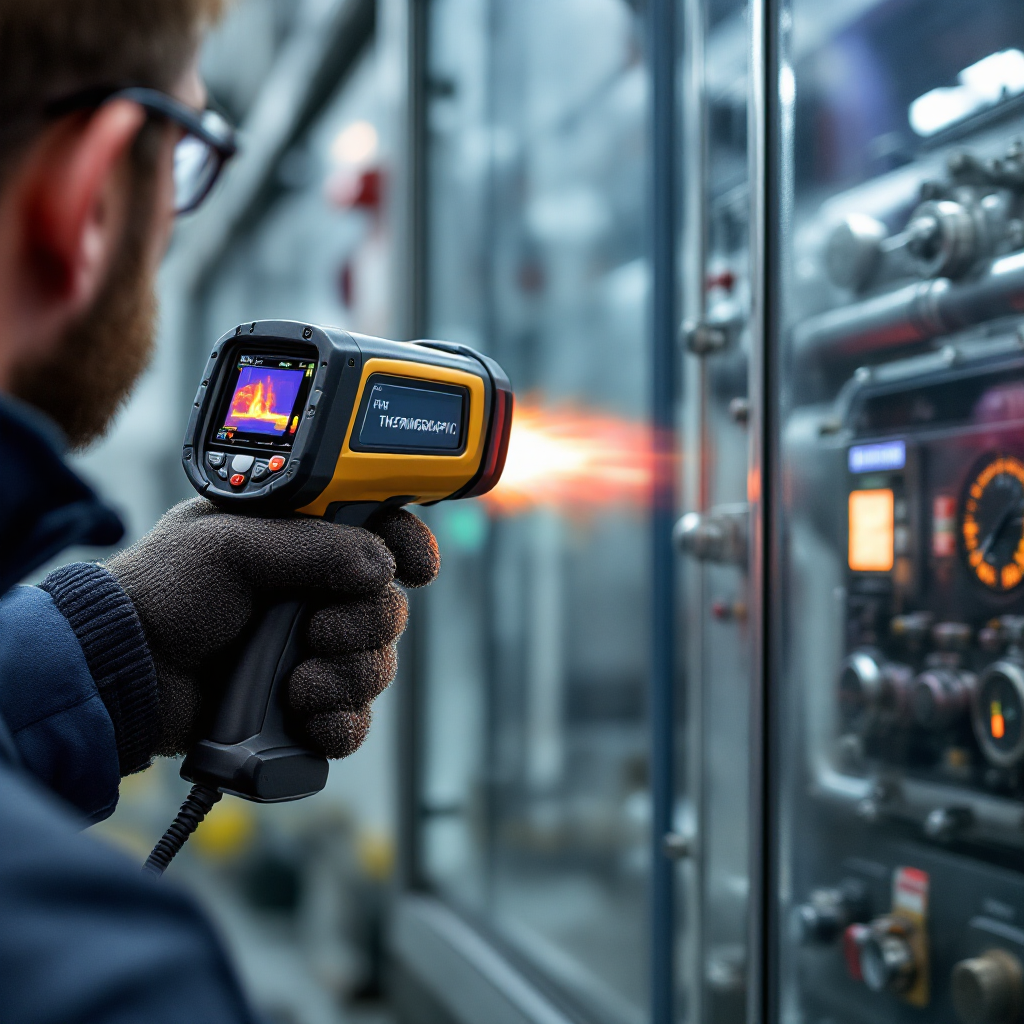
Thermography is the science of recording and analysing thermal patterns to inspect assets without contact. Thermographers use thermographic cameras to perform surveys on electrical cabinets, bearings, and storage facilities. The technique is ideal for monitoring because it enables non-destructive evaluation and fast scans of large areas. Compared with ultrasound or vibration testing, thermography gives a visual map of surface temperature and can often locate issues faster.
Emissivity matters for accurate readings. Different surface finishes, paints, and coatings change the amount of infrared an object emits. To get a reliable measurement teams calibrate instruments and set emissivity values to match surface properties. If a team changes the emissivity setting incorrectly, readings may show inaccurate temperature of an object. Calibration and occasional use of contact measurement or reference targets help confirm an exact temperature. Thermography works best when thermographers consider reflections and ambient influences that can distort a temperature reading.
Thermographic inspection complements other non-destructive techniques. For example, ultrasound can find internal leaks, while thermography highlights external temperature gradients. For critical inspections, operators combine methods to get a fuller view. Spectral response and camera sensitivity also affect outcomes. Operators must choose a detector with the right spectral band for the scene. Finally, thermography supports scheduled thermal surveys that help reduce energy costs and extend asset life, and teams that calibrate instruments regularly can trust their temperature measurement for maintenance planning.
AI vision within minutes?
With our no-code platform you can just focus on your data, we’ll do the rest
heat transfer, overheat, refractory and hot forming in manufacturing
Heat transfer governs behavior in furnaces, kilns and hot forming lines. Conduction, convection and radiation move thermal energy through materials, and understanding these modes helps operators control process outcomes. In hot forming, controlling temperature distribution is critical to achieve consistent metallurgical properties and to avoid warping. Thermal imaging tracks gradients across billets and tools to maintain quality.
Refractory linings endure extreme conditions, and overheat in a lining shortens its life. Thermal imaging detects temperature increases in refractory sections so teams can schedule repairs and avoid catastrophic failures. In high-temperature zones, thermographic surveys reveal subtle temperature variations that would otherwise be missed. These small temperature differences can indicate insulation loss, structural wear, or an emerging leak in process gas lines. Operators use thermal data to optimise firing profiles, to balance combustion and to limit excess thermal energy that wastes fuel.
Case studies from steel mills show measurable improvements. By monitoring forging baths and roll lines, plants minimise heat buildup and improve product quality. A targeted thermal campaign extended refractory life by identifying hotspots in kiln arches and by guiding targeted maintenance. Industrial teams can also integrate thermal feeds with process control systems and with analytics to automate corrective actions. For cross-domain examples of camera-based process analytics, see Visionplatform.ai’s process anomaly detection approach that turns video into operational sensor data Prozess-Anomalie-Erkennung.
early fire detection, fire detection and proactive detection with AI
Early fire detection using thermal imaging and AI offers proactive protection for plants. Traditional systems rely on smoke detection or flame sensors, and by the time those sensors activate, damage may already begin. Instead, thermal systems can spot a localized heat rise and trigger alarms before smoke appears. Combining thermal analytics with AI reduces false positives and improves response times.
Deep learning models trained on thermal sequences lower nuisance alerts by distinguishing harmless heat transients from real threats. Research demonstrates that AI-powered thermal systems cut false alarms while speeding up response and improving HSE metrics KI-gestützte thermische Kameras verbessern die Leckreaktion. For proactive detection, a model looks for thermal anomalies and learns context. It then issues actionable alerts and supports fire prevention workflows. This proactive detection approach works alongside conventional smoke detectors, giving teams layered protection.
Industrial deployments benefit from on-prem analytics that preserve data privacy and allow site-specific tuning. Visionplatform.ai’s architecture lets teams keep training data local and tailor models to reduce false detections while streaming structured events to OT and security systems. In practice, this means faster intervention, fewer lost production hours, and lower maintenance costs. For airport and large-site parallels, look at the company’s thermal people detection work to understand how thermal analytics integrate into broader safety platforms Fallstudie zur thermischen Personenerkennung. Ultimately, combining thermal cameras with AI-driven analytics gives reliable measurement of evolving hazards and supports rapid and safe responses Deep Learning im Vergleich zu traditionellen Methoden.
FAQ
What is the difference between a thermal image and a visible image?
A thermal image maps temperature instead of visible light. It shows heat patterns and highlights subtle temperature differences that a visible image cannot reveal.
How do infrared cameras help spot leaks?
Infrared cameras reveal temperature contrasts produced by escaping steam, fluids or gases. Teams use that visual information to locate leaks quickly and to schedule repairs that reduce energy loss.
Can thermography replace other inspection methods?
Thermography complements other non-destructive testing methods. It provides fast surface temperature maps and works best when combined with ultrasound or vibration testing for a complete assessment.
How accurate is non-contact temperature measurement with thermal cameras?
Accuracy depends on emissivity, calibration and camera sensitivity. With correct emissivity settings and periodic calibrate routines, teams can obtain reliable temperature measurement for maintenance decisions.
Will AI reduce false alarms in thermal monitoring?
Yes, AI models trained on labeled thermal data can distinguish between benign heat transients and true faults. This reduces false positives and accelerates real response.
What role does emissivity play in thermography?
Emissivity defines how a surface emits infrared radiation. Operators must set emissivity correctly or change the emissivity setting to avoid biased temperature readings and to ensure exact temperature reporting.
Are thermal systems suitable for high temperature furnaces?
Yes, thermography is ideal for monitoring high temperature equipment, refractory linings and combustion zones. Thermal surveys detect overheat and allow teams to protect linings and extend component life.
How do thermal solutions affect energy consumption?
Thermal monitoring finds inefficiencies and leaks that waste thermal energy and fuel. By fixing those issues, plants can reduce energy consumption and lower energy costs.
Can thermal imaging detect electrical faults?
Thermal imaging detects hot spot and localized heat in electrical components. Early detection helps prevent faults, reduce downtime and improve plant safety.
How does Visionplatform.ai support thermal analytics?
Visionplatform.ai transforms camera feeds into operational events, keeping models and data on-prem for GDPR and EU AI Act readiness. The platform streams structured events so thermal detections integrate with maintenance, OT and security systems for faster action.