ai agent: Rafforzare la postura di sicurezza nelle sale di controllo
AI trasforma il modo in cui una sala di controllo acquisisce e interpreta flussi video, sensori e feed di controllo accessi. Aggrega stream dalle telecamere, analizza la telemetria dei sensori ambientali e correla i log dei sistemi di gestione degli accessi. Poi l’AI classifica gli eventi nel contesto in modo che gli operatori ricevano segnali azionabili anziché rumore. Ad esempio, i modelli di computer vision possono rilevare una persona, un veicolo o un oggetto abbandonato e etichettare quell’evento con ora, posizione e metadati. Visionplatform.ai trasforma le CCTV esistenti in una rete di sensori operativa e mantiene i modelli e i dati in sede, aiutando le organizzazioni a mantenere visibilità e controllo rispettando il GDPR e le aspettative dell’EU AI Act.
I sistemi AI riducono i falsi positivi combinando indizi visivi con i log di controllo accessi e i pattern di comportamento. In pratica, questo riduce l’affaticamento da allarmi e migliora la postura di sicurezza. I dati mostrano che gli utenti segnalano una generazione più rapida di insight quando associano l’AI a workflow esperti; Stanford sottolinea come l’AI accelera l’insight e automatizza le attività banali “AI accelerates insight”. Allo stesso tempo, le imprese devono monitorare i rischi: un sondaggio ha rilevato che il 39% delle organizzazioni ha dichiarato che agenti AI hanno avuto accesso a sistemi che non erano autorizzati a usare e il 33% ha segnalato accesso a dati inappropriati statistiche riportate.
Per rafforzare la postura di sicurezza degli agenti AI, i team dovrebbero mappare sensori e controlli in regole di rilevamento, registrare ogni decisione e applicare accesso basato sui ruoli per le azioni automatizzate. Per prima cosa, creare una mappatura di tutte le sorgenti video, sensori e sistemi di identità. Poi, selezionare modelli AI e sintonizzarli sui dati locali per ridurre i falsi positivi e classificare gli eventi correttamente. Infine, integrare con i workflow di incidente in modo che l’intelligence potenzi gli operatori umani e li liberi dalla triage di routine. Questi passaggi migliorano i tassi di risposta agli incidenti e aiutano i team di sicurezza a passare da operazioni reattive a predittive. In breve, l’AI migliora visibilità e controllo richiedendo al contempo una governance robusta.
Deploy ai across the enterprise for real-time threat detection
Deploying AI across the enterprise lets organisations spot threats faster and with more context. Integration links CCTV cameras, sensors, network logs and business systems into a unified platform. This approach provides correlated alerts that contain both video evidence and network indicators. Real-time analytics engines flag suspicious activity within seconds and route structured events to SOC consoles and operations dashboards. Visionplatform.ai streams events via MQTT so cameras serve multiple business units beyond like security, such as OT or BI.
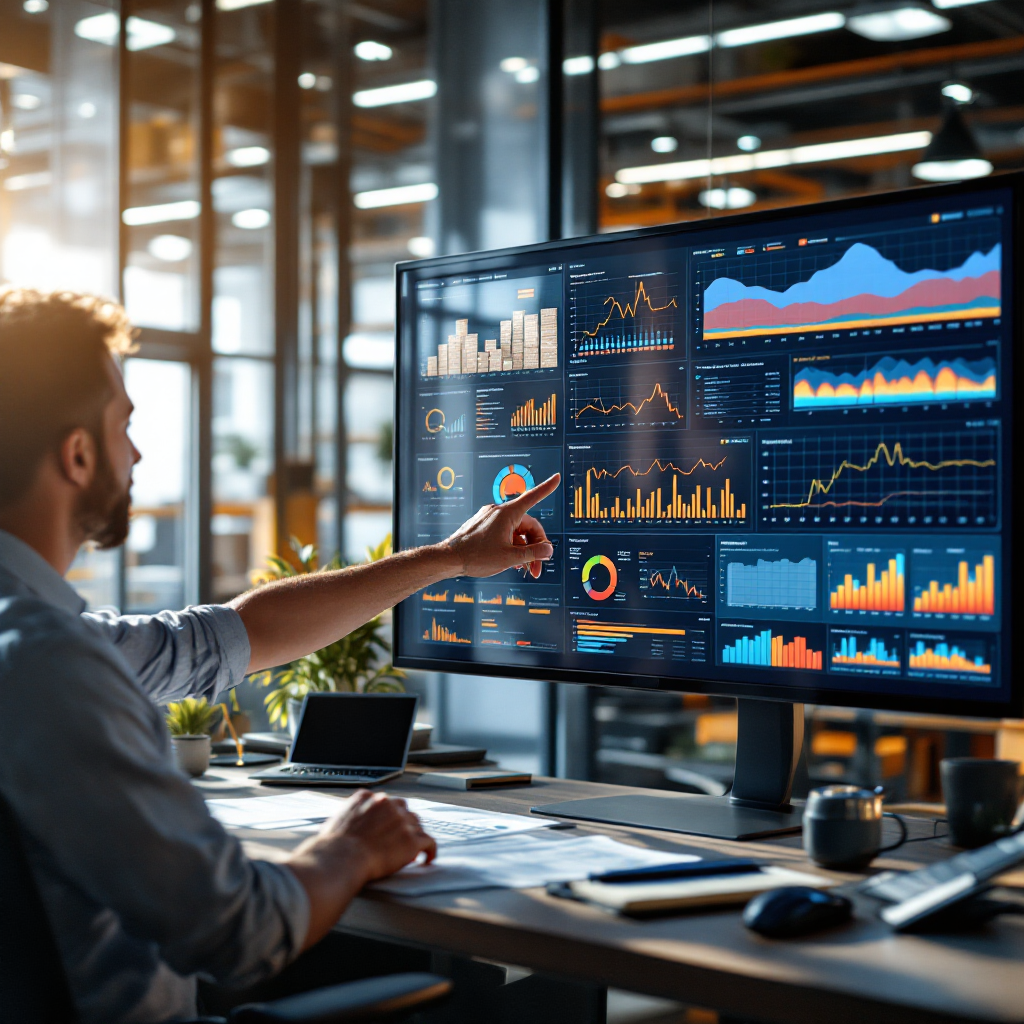
For many organisations, integrating AI with CCTV cameras delivers measurable gains. A practical deployment can cut time to detect and reduce false positives by using customized, on-site trained models and by combining video with access logs. The Nasdaq industry overview highlights faster, more reliable systems when AI is applied to physical security industry analysis. One case study showed more than 50% faster alert generation after integrating video analytics with sensors and access control. The same deployment improved operator efficiency and reduced redundant checks.
Also, integrating AI across the enterprise supports cross-site correlation. Alerts from one site can trigger deeper scans at another location, and aggregated analytics can surface patterns that single cameras miss. This reduces blind spots and expands observability. For organisations that need ANPR/LPR, Visionplatform.ai supports vehicle detection and streams plate reads into workflows; see our ANPR examples for airports for further context ANPR/LPR in airports. Use cases include perimeter detection, parking optimisation and access management. By connecting AI to existing security tools, teams streamline response and cut mean time to respond.
AI vision within minutes?
With our no-code platform you can just focus on your data, we’ll do the rest
enterprise ai to automate threat hunting and incident response
Enterprise AI platforms run continuous scans for Indicators of Compromise and match telemetry to MITRE-style techniques. These systems automate routine triage and let analysts focus on high-value decisions. Automated workflows can quarantine endpoints, isolate network segments, or flag cameras to record higher fidelity. As a result, threat hunting moves from periodic sweeps to continuous monitoring, reducing time to detect and contain incidents.
Automation speeds investigations and reduces manual steps. In many deployments, agents automate routine tasks such as log collection, enrichment, and initial classification. This automation can save up to 70% of analyst time in threat hunting and post-breach response when routine tasks are delegated to AI-powered playbooks. The platform then escalates complex cases for human review, preserving human intervention where it matters most. With this design, organisations achieve improved security without losing control over decisions.
Enterprise AI also supports forensic search across long archives of video and logs. If you need a fast retrospective, AI can classify footage and surface results for rapid review; Visionplatform.ai provides forensic search that turns hours of footage into searchable events forensic search. Furthermore, linking video detections to endpoint telemetry and access management systems creates richer context. This data-driven approach shortens investigation workflows and makes actions more actionable. Finally, adopting enterprise ai helps security teams scale their skills and manage a larger attack surface with fewer people.
Govern ai agents with permission frameworks
Governance must be part of every ai initiative from day one. Define who can configure models, who can approve automated actions, and who reviews logs. Permission mechanisms should prevent unauthorised system access and stop data exposure by design. For example, role-based identity and access controls and identity governance and administration tools limit what agents can do. Audit trails should record every decision and byte of data used to train or tune models.
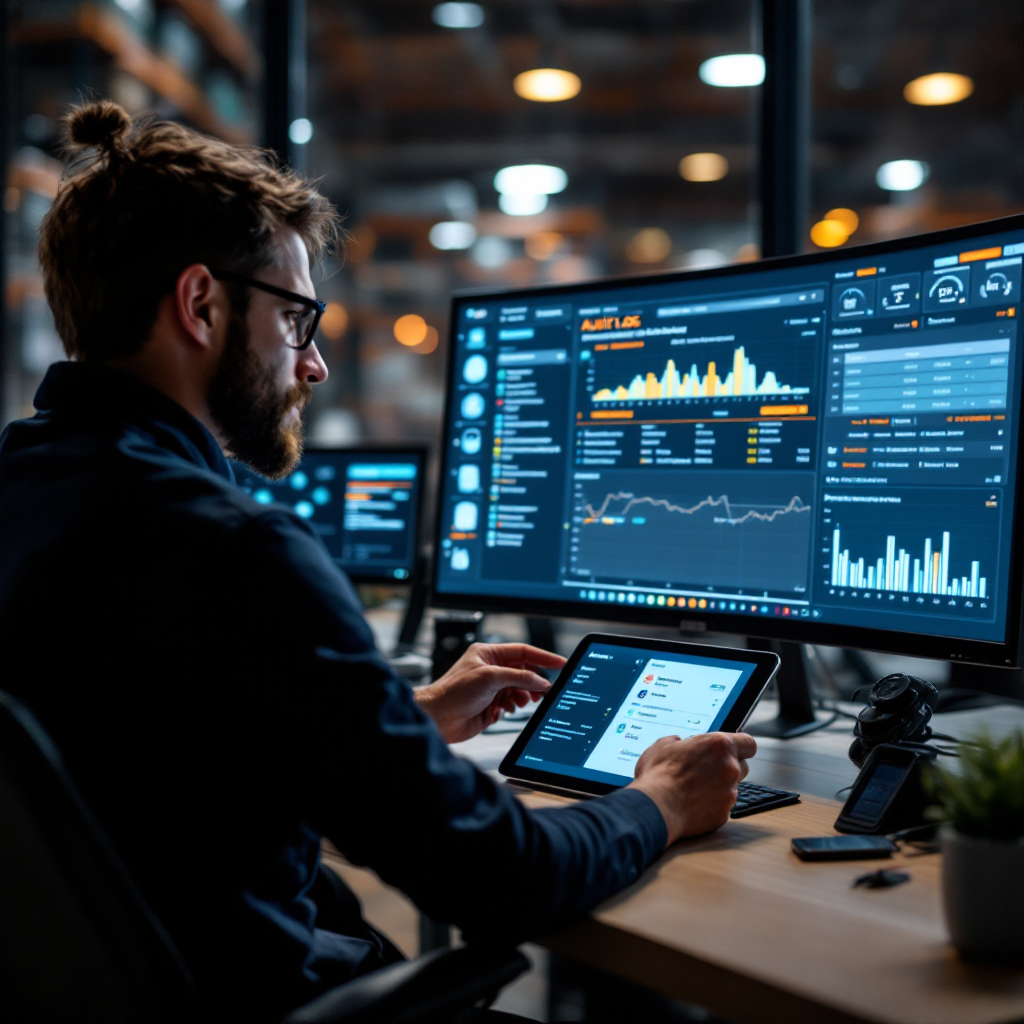
Because agentic AI can act autonomously, organisations need tailored controls to manage agentic behaviours. Anthropic’s research warns that agentic misalignment can lead to unexpected internal actions, so applying strict permission constraints and supervised modes is prudent agentic misalignment. ITU and standards bodies recommend AI sandboxes where staff test new configurations safely AI standards guidance. These sandboxes help people learn, experiment and verify models without exposing production data.
Practical controls include fine-grained permission tokens, just-in-time approval for sensitive actions, and separation of duties for model updates. A governance ledger should support continuous compliance checks and provide evidence for audits. When you govern AI this way, you can identify AI agents that behave outside policy and quickly revoke their rights. This approach reduces risk of unauthorized access and helps maintain an auditable, ethical AI program. Lastly, regular compliance reviews and model testing lock in robust ai security posture management.
AI vision within minutes?
With our no-code platform you can just focus on your data, we’ll do the rest
Empowering analysts with natural language interfaces
Natural language interfaces let an analyst query the system as if they were asking a colleague. These conversational tools replace complex query languages and reduce training time. Simple prompts can pull video clips, cross-reference access logs, or summarise recent alerts. In practice, this shortens the feedback loop between detection and response and helps less technical staff contribute to operations.
Using natural language also streamlines dashboards. Instead of building bespoke reports, an analyst can request a short summary of suspicious behaviour and get structured results. This reduces the cognitive load and accelerates decision making. A typical deployment shows a 30% boost in operator efficiency because people find answers faster and need less training to use the tools.
Large language models can summarise incident timelines and surface relevant evidence. Yet generative AI must be constrained to avoid hallucinations and unauthorized disclosures. Integrating conversational agents with authenticated access and event logs keeps responses verifiable and auditable. Design conversations that link every claim to a recorded clip or log entry. In this way, you combine human judgement with scalable ai capabilities to create a workflow that reduces false positives and speeds remediation. For detailed examples of how video detections feed operations, explore our people detection and PPE solutions people detection and PPE detection.
How security leaders use agents across environments with machine learning and artificial intelligence
Security leaders deploy AI agents across physical sites, clouds, and hybrid networks to maintain consistent coverage. These intelligent agents monitor CCTV, endpoints, cloud logs, and network devices. Machine learning models predict emerging threats by spotting subtle shifts in behaviour before incidents escalate. This predictive layer reduces time to detect and limits the attack surface by flagging anomalies early.
To succeed, leaders should adopt a unified platform that offers observability across all environments. This unified platform supports continuous compliance and a single view of security tools. It also enables security leaders to tune ai models with operational feedback so detection thresholds evolve with the threat landscape. Integrating AI with frameworks like MITRE helps standardise detections and response playbooks.
Responsible adoption of artificial intelligence means combining ethical AI practices with strong operational controls. Security leaders must balance automation and human oversight, and they must map responsibilities across business units. Start small, prove value with measurable KPIs such as reduced time to detect and reduced false alarms, then scale. As the rise of AI agents continues, organisations that maintain transparency, apply permissioned access management, and invest in continuous tuning will gain improved security and resilient operations. Finally, by integrating AI into existing workflows and tools, security teams streamline incident handling and free up your team to focus on strategic threats.
FAQ
What is an AI agent in a security control room?
An AI agent is software that senses, analyses and acts on security data. It can watch video, read sensor feeds and trigger alerts or workflows.
How do AI agents reduce false positives?
They combine multiple data sources, such as video and access logs, to add context. This cross-correlation helps classify events and reduce false positives compared to single-sensor alarms.
Can AI operate in real-time without sending data to the cloud?
Yes. Edge and on-prem deployments process video locally to support real-time responses and protect data. Visionplatform.ai offers on-prem options to keep data private and compliant.
What governance is needed for agentic AI?
Governance requires role-based permissions, audit trails and test sandboxes. Regular compliance reviews and supervised deployment reduce the risk of agentic misalignment.
How does natural language help analysts?
Natural language interfaces let analysts request evidence and summaries without complex queries. This improves efficiency and lowers the barrier to using advanced security tools.
Are AI agents a threat to privacy?
They can be if misconfigured or if data leaves controlled environments. Use on-site processing, strict permission controls and auditing to protect privacy and meet regulations.
How quickly can AI improve incident response?
Many organisations see faster alert generation and reduced time to detect within weeks of deployment. Case studies report more than 50% faster alerts and significant time savings in investigations.
Do security teams need training to adopt AI?
Yes. Training helps teams interpret AI outputs and manage models. However, natural language tools and automation can reduce training time and speed adoption.
What role does machine learning play in this setup?
Machine learning helps models learn normal behaviour and flag anomalies. It powers predictive detections that find threats before they escalate.
How can I start a responsible AI initiative?
Begin with a pilot, use on-prem data, apply permission controls and keep humans in the loop. Track clear KPIs and expand based on measurable success and continuous tuning.