AI search and Video Analytics: Enhancing CCTV Person Detection
Modern control rooms now depend on AI to turn streams into useful signals, and this shift improves response and reduces wasted effort. AI models analyse pixels, extract patterns, and classify human shapes with speed. Deep learning and machine learning drive most of these gains, and they allow systems to classify posture, gait, and clothing at scale. High-quality sensors and well-configured camera placement feed the models with the detail they need to perform well. Studies show that well-deployed systems can cut incidents in monitored zones by large margins; for example general CCTV coverage has been linked to roughly a 50% reduction in crime in some settings Le telecamere di sorveglianza dissuadono il crimine? – ADT.
AI models speed up review and reduce manual hours. A controller can review multiple streams, and AI highlights likely persons of interest in seconds. Video analytics run on edge servers or on-prem servers to keep data local and secure. visionplatform.ai complements this approach by adding a reasoning layer to existing cameras and VMS. Our VP Agent Suite converts detections into readable descriptions so operators can ask natural queries and save valuable time when validating an event. For more on practical people detection at busy sites, see our people detection in airports page rilevamento persone negli aeroporti.
Accuracy gains come from combining convolutional backbones, temporal modelling, and refined post-processing. The system can quickly classify body shape and clothing type, and then filter out false positives. This reduces alarm fatigue and improves operator trust. Edge inference preserves privacy and supports the EU AI Act compliance needs. Taken together, these components enhance surveillance and make monitoring more actionable. Intelligent indexing and metadata generation let teams query archived video quickly. The result is better situational awareness, faster decisions, and measurable operational benefit. 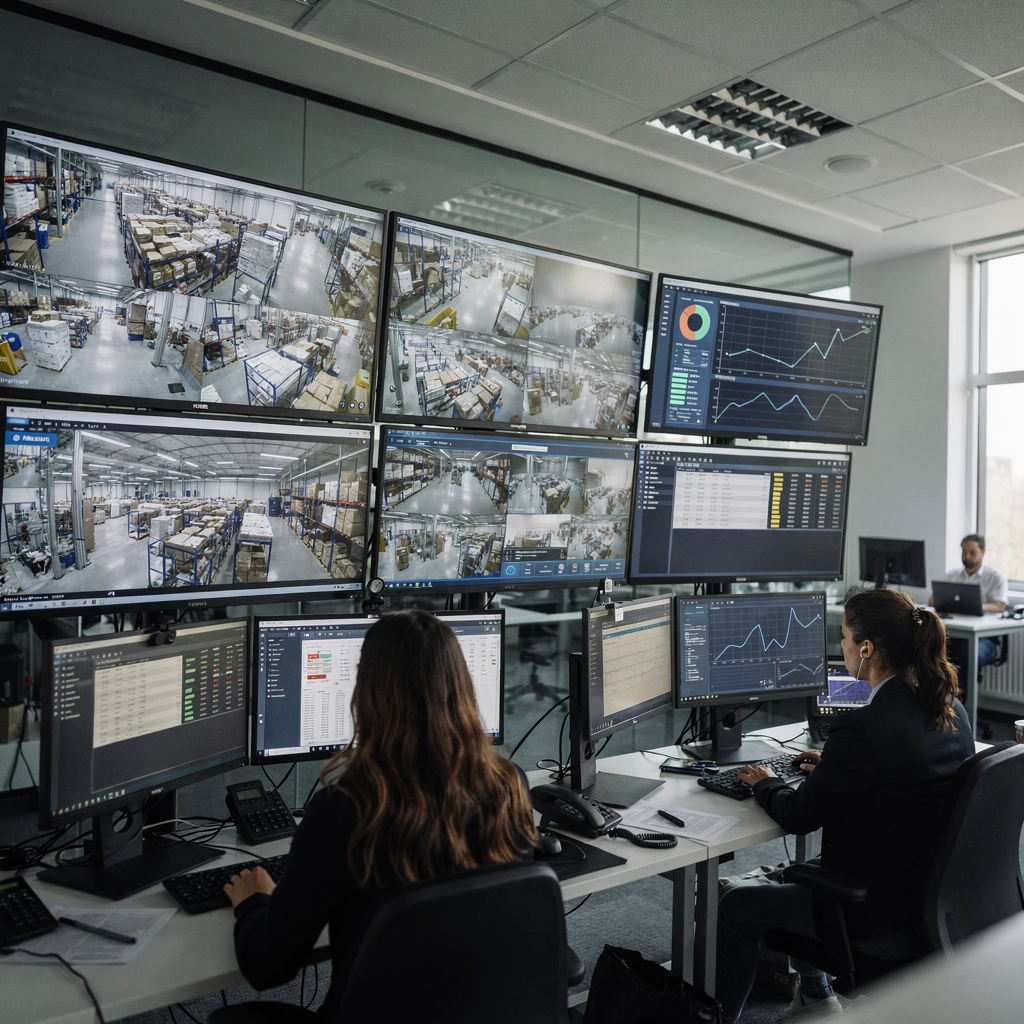
Integration of Facial Recognition, Object Track and Security Monitoring
Combining facial recognition with robust object tracking lets operators follow a person across zones and cameras. A face match provides an identity hypothesis, while multi-camera track confirms movement and direction. Systems that fuse these signals can track people and vehicles across a site and assemble a timeline of actions. When you place security cameras at entry points, chokepoints, and perimeter lines you increase capture rates and reduce blind spots. Strategic placement improves reliability and allows smoother cross-correlation between feeds. For deployment guidance on camera positioning in transport hubs see our thermal people detection resource rilevamento termico persone negli aeroporti.
Practical implementations use re-identification embeddings to follow a target across multiple perspectives. These models match appearance features even when the face is not visible. That capability helps when individuals turn away or pass through occlusions. A well-tuned pipeline blends face recognition evidence with track metadata and contextual cues to form a stronger lead. Police departments have reported faster case resolution where integrated camera systems and facial matching assist investigations Uno studio nazionale sulle tecnologie di sorveglianza dei dipartimenti di polizia.
Good integration also reduces operator workload. Alerts can be grouped, and duplicate alarms suppressed when the same person is tracked across feeds. Use cases include loss prevention teams and perimeter watch teams. Make sure firmware, VMS links, and network design are tested before wide roll-out. Proper power, cabling, and extra hardware choices affect uptime. A program of periodic camera health checks maintains long term reliability and keeps the system producing useful alerts rather than noise.
AI vision within minutes?
With our no-code platform you can just focus on your data, we’ll do the rest
Footage to Search Results: AI Video and Video Search Techniques
Turning hours of recordings into answers requires three linked steps: index, query, and review. First, AI extracts descriptive metadata from each video frame and assigns tags. Then an index stores those tags so queries return seconds instead of hours. Finally, an operator refines results and verifies the matched clips. This pipeline accelerates investigators who need to find a still image or a behaviour quickly.
Different search modes serve different needs. Keyword search finds textual descriptors such as clothing colour or activity. Image-based queries allow matching from a still image to similar frames. Face-based lookup finds identity candidates when a clear visage exists. Each mode balances recall and precision differently. Typical deployments aim for recall high enough to include most relevant clips, while keeping precision practical for human review. A robust archive strategy helps too. When teams index and tag archived material there is less time wasted during incident response. See our forensic search in airports page for examples of natural language search on long timelines ricerca forense negli aeroporti.
AI video tooling also supports extract of specific attributes, such as clothing type, carried objects, and gait. That makes it possible to craft complex search criteria. Classic video search returns event timestamps and thumbnails, and more advanced interfaces return contextual summaries and grouped clips. When operators can query in plain language their throughput improves. The combination of index, fast query, and clear review interfaces turns raw recordings into operational intelligence. Use of advanced video features must be governed by policy and audit logs so results are admissible and traceable. External studies demonstrate that linking analytics with searchable archives improves investigative speed and outcome rates Sistemi di telecamere di sicurezza – Statistiche importanti.
Forensic search and Investigation: Methods to Locate Persons in CCTV Footage
The forensic search workflow converts a question into precise filter actions and then into a concise evidential package. Analysts start with a query such as who, when, and where. Then they apply attributes like clothing type, body shape, or gait to narrow the results. Filters for colour, accessories, and direction of travel reduce the candidate set quickly. Skilled teams can quickly pinpoint a suspect within long timelines and then export clipped evidence for reporting. For legal investigations maintaining an audit trail is essential and the chain-of-custody must be unbroken.
Forensic tools support staged review. First pass: broad temporal and spatial filters to surface candidate clips. Second pass: attribute-based refinement and manual validation. Third pass: compile a short dossier with timestamps, camera IDs, and annotated still image frames for disclosure. Analysts may use gait analysis, clothing type, or carried items as attributes to correlate sightings. A single clear file includes the query, the index results, and the exported clips to support prosecution. The ability to extract a still image and its associated metadata saves valuable time for investigators and prosecutors.
Best practice insists on immutable logs, role-based permissions, and signed export records. That ensures evidence integrity and supports admissibility. Tools that allow reviewers to rapidly flag clips and to comment inline speed handover to detectives. Filters that can classify loitering, entry direction, and vehicle interactions make the forensics stage more precise. Remember that privacy controls and retention policy must be applied before any large-scale archive review. When audits are required, an unbroken chain and clear logs win trust in court.
AI vision within minutes?
With our no-code platform you can just focus on your data, we’ll do the rest
Genetec Integration and Analytics: A Unified Finder Platform
Genetec exemplifies unified platforms that centralise alerts, search functions, and reporting under one interface. The ability to register events into a single server and to surface correlated streams lets operators act with confidence. Many enterprise sites choose VMS platforms that support plugin analytics and open APIs so solutions like visionplatform.ai can add a reasoning layer on top. Our integration approach exposes VMS data to agents that can recommend actions and pre-fill reports, and this lowers average handle time per incident.
At scale, consolidation reduces duplicate work. A unified finder view provides a single index for people and vehicles that is searchable. The platform model supports integration with access control, and with third-party databases. For demanding sites this centralisation reduces the need for multiple dashboards and simplifies training. Genetec and similar systems provide the hooks to feed AI agents, and those agents transform raw alerts into context-rich advisories. That shift reduces false positives and improves situational awareness.
Security teams also benefit from enterprise features such as encryption at rest, role-based access, and scalable storage. Deployments can grow from a few streams to thousands by adding GPU servers or edge devices as needed. The interface matters: operators need fast navigation, clear timelines, and the ability to export an incident package. When a platform ties together video management, analytics, and incident workflows the whole organisation gains. For examples of related airport analytics, review our crowd detection and density overview rilevamento densità folla negli aeroporti. 
Best Practices for Forensic Video Analytics and AI search in Security Investigations
Start with camera health and software lifecycle management. Regular camera checks, firmware updates, and model retraining preserve performance over time. Establish retention policies and secure archive rules that match legal requirements. Access controls and audit logs limit exposure and make compliance simpler. Train operators to use natural language queries and to rely on verified alerts rather than on raw detections alone. visionplatform.ai encourages on-prem processing to reduce cloud risk and to meet compliance needs such as those under the EU AI Act.
Privacy safeguards should include data minimisation, masking where appropriate, and clear policies for secondary use. Role segregation keeps investigative privileges separate from general monitoring duties. Include independent review points for any high-risk search. Use documented procedures for exports and redaction, and ensure an auditable chain is present for every exported clip. These practices protect civil liberties and secure public trust.
Looking ahead, we expect improvements in indexing speed, natural language query accuracy, and multi-sensor fusion. AI agents will handle routine low-risk workflows autonomously, with human oversight for high-risk decisions. That will allow teams to scale without proportionally increasing headcount and will enhance public safety when governance is strong. Adopt tested architectures, avoid vendor lock-in, and prefer solutions that explain why an alert was raised. These measures increase system reliability and help teams find a suspect or locate evidence quickly while keeping operations lawful and transparent.
FAQ
What is person search in CCTV systems?
Person search is the process of using algorithms to find people in recorded or live video. It combines metadata tagging, indexing, and query tools so operators can locate relevant clips fast.
How does facial recognition fit into surveillance?
Facial recognition provides an identity hypothesis by matching facial features to a database. It is most effective when combined with tracking and human review to reduce false matches.
Can AI reduce the time investigators spend reviewing video?
Yes. AI that indexes and summarizes clips can cut review time dramatically. Those tools allow investigators to focus on high-probability hits rather than watching raw streams.
Is on-prem processing better for privacy?
On-prem processing keeps video and models inside your environment and reduces cloud transfer risks. Many organisations prefer this to meet compliance and to control sensitive data flows.
What role do VMS platforms play?
VMS platforms organise recordings, control playback, and manage access. They also provide integration points for analytics and forensics tools to extend functionality.
How accurate are modern person search systems?
Accuracy depends on camera quality, placement, and model training data. With good infrastructure, systems can reach high recall while keeping precision at levels usable for human review.
How should organisations handle retention and access?
Define retention limits based on law and purpose, enforce role-based access, and keep audit logs. These controls maintain trust and help meet regulatory obligations.
Can AI help prevent loss prevention incidents?
Yes. Targeted alerts and searchable archives enable rapid response and post-incident evidence collection. Implemented properly, AI supports shrink reduction and situational awareness.
What is the benefit of natural language search?
Natural language search lets operators query video using plain descriptions rather than technical rule sets. That lowers training needs and speeds investigations.
How do I choose the right analytics partner?
Look for vendors that support on-prem deployment, open APIs, and clear audit trails. Seek partners that prioritise explainability and that provide tools to reduce false positives while preserving privacy.