Perimeter security: Understanding perimeter threats in manufacturing
Manufacturing facilities face a growing range of perimeter threats. First, facilities attract attention because they hold valuable intellectual property and critical production lines. For example, manufacturing accounted for 26% of all cyberattacks in 2025. Second, attackers mix physical intrusion with cyber techniques to cause disruption. As a result, operators must treat the fence and the network with equal care.
Perimeter threats include unauthorized entry, tampering, and data theft. Unauthorized access often begins at exposed key entry points such as gates, loading docks, doors and windows. An intruder at a dock can plant devices or steal designs. In addition, social engineering can open doors from the inside. Therefore, teams must address both the physical perimeter and the digital interfaces that connect to control systems.
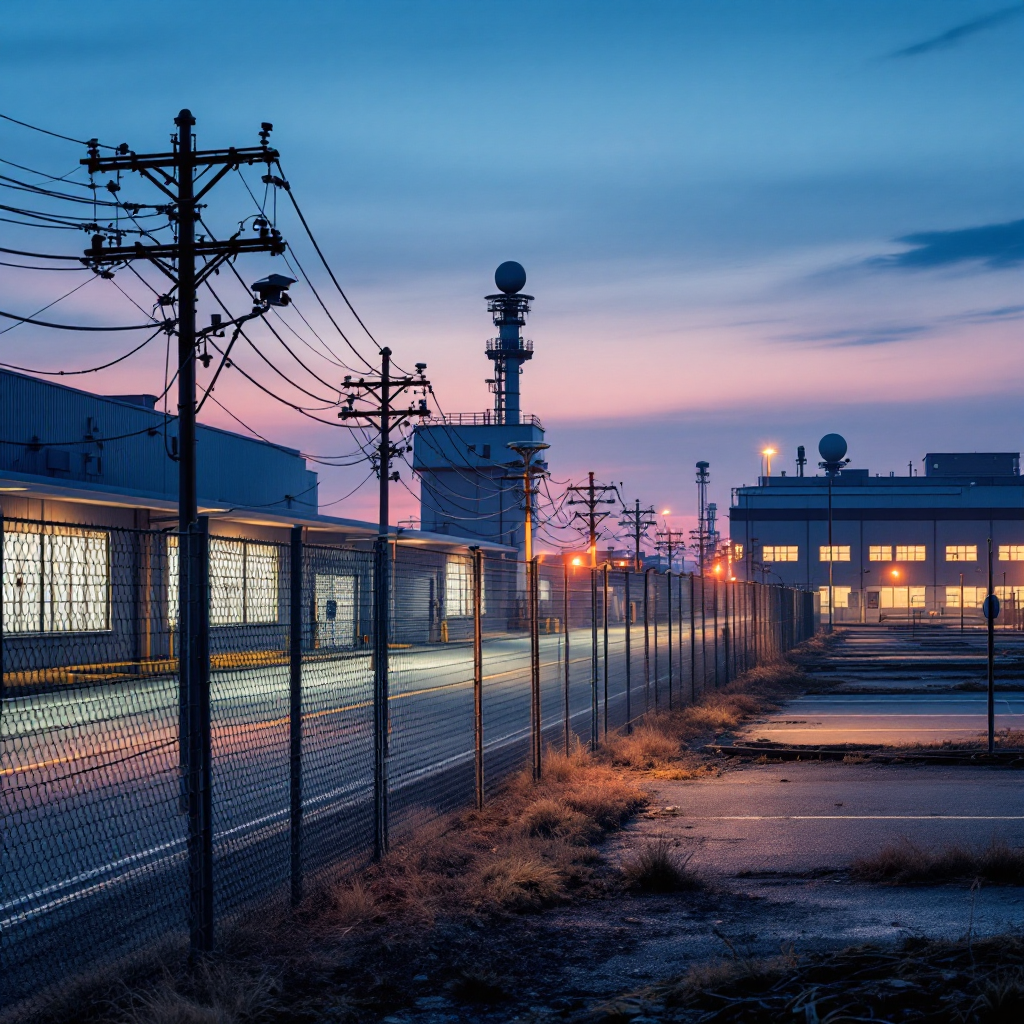
Clear definitions improve response. Perimeter refers to the site’s outer boundary. Perimeter security describes technologies and processes that monitor and protect that boundary. Perimeter intrusion detection focuses on sensors, video, and analytics that spot suspicious activities. For example, a perimeter protection system might combine cctv with motion sensors to detect movement near a restricted area. This layered approach creates a layer of security that can deter, detect, and document threats.
Companies should catalogue vulnerabilities and map potential threats. First, identify key entry points and access patterns. Next, inventory existing security cameras and alarm devices. Then, assess the risk to sensitive data and valuable assets inside the plant. Security experts recommend a mix of physical and electronic security measures. Finally, integrate personnel training and clear incident playbooks so staff know how to escalate a security breach.
Visionplatform.ai helps by turning existing CCTV into an operational sensor network. This approach lets teams keep video on-prem and stream structured events for operations and security. In addition, it supports GDPR and the EU AI Act compliance by keeping models and data local. As a result, teams gain better visibility into intrusion, and they reduce the time between detection and response.
Advanced perimeter intrusion detection technologies for manufacturing
High-performing manufacturing sites rely on multiple detection technologies. First, video surveillance with AI analytics improves identification. For instance, video surveillance accounted for 45.6% of perimeter security revenue in 2024, which shows how common cameras are in perimeter strategies and why video matters. Second, radar combined with AI reduces false positives. As industry analysts note, “Conventional video analytics may struggle with environmental noise, leading to unnecessary alerts that can desensitize security teams.” Using radar and AI together refines target classification and reduces nuisance triggers.
Fiber-optic and infrared systems provide complementary strengths. Fiber-optic cables act as continuous detectors across a fence line. Meanwhile, infrared picks up heat signatures beyond line-of-sight. These sensors work well in harsh environments where cameras or radar alone struggle. Thus, an integrated perimeter with diverse inputs increases overall detection capability.
Modern intrusions often bridge physical and cyber domains. Consequently, intrusion detection system design must consider endpoints such as SCADA and OT devices. A well-configured intrusion detection system will alert operations and security management when anomalous access patterns occur. For manufacturers, the goal is early detection coupled with low nuisance. The right architecture supports that balance.
Deployments must address scalability. A pilot might start with several cameras and a handful of detectors. Then, the system should scale to cover the whole campus as needed. In that model, a pids rollout can grow while keeping consistent analytics and auditing. For many firms, an integrated perimeter that reuses existing infrastructure reduces cost. Visionplatform.ai offers model flexibility and on-prem processing so teams can adapt analytics to their site without sending video to external clouds.
AI vision within minutes?
With our no-code platform you can just focus on your data, we’ll do the rest
Electronic security: Harnessing infrared for effective perimeter detection
Infrared plays a key role where visibility and EMI are challenges. Infrared sensors detect heat signatures and movement even in the dark. For example, infrared can reveal a person hiding behind equipment or vegetation. Thus, infrared supports early detection of an intruder before they reach a fence. In parallel, fiber-optic detectors provide consistent sensitivity along a line and resist electromagnetic interference in industrial conditions.
Electronic fencing extends the physical barrier with motion and vibration sensing. These fences use vibration, motion and pressure sensors that send an alert when the barrier is tampered with. A detector on a fence line can notify teams in real time. This fast alert reduces dwell time and helps protect restricted areas that sit near high-value assets.
Design best practices matter. Position motion sensors and infrared units to cover blind spots and key entry points. Also, route fiber-optic runs to avoid sharp bends and maintain signal integrity. Regular maintenance and testing ensure the system does not drift into false alarm territory. After all, false alarms undermine trust. To reduce false alarms, pair sensor data with video analytics so the system verifies an event before creating a security alarm.
Electronic security should integrate with access control. For instance, when an alarm triggers at a loading dock, the site can lock the dock and sound a local alarm system. An access control system that combines RFID and biometric gates adds a complementary layer. This combination prevents unauthorized access and helps managers track who entered and when. Systems are designed to stream events to dashboards so security personnel and operations can act quickly.
When you design for resilience, you get an effective perimeter. Choose components that tolerate industrial EMI. Also select sensors with proven environmental ratings. Finally, ensure an alarm plan that pairs each detector with a clear response. That way, teams secure the physical perimeter around sensitive equipment, and they protect both people and processes.
Integrate intrusion detection system and access control for improved physical security
Integration improves reaction times and auditability. First, link your intrusion detection system to an access control system to correlate alarms with identities. For instance, if a motion detector trips near a gate, the system can check RFID logs and camera clips to confirm whether an authorized worker opened the gate. This workflow reduces false responses and accelerates resolution.
Combine biometric gates with RFID and traditional card readers. Biometric checks give a higher assurance of identity. In addition, an integrated intrusion detection solution can lock zones automatically when a threat is detected. That configuration helps prevent an intruder from moving deeper into the facility. It also helps secure your perimeter while teams verify an incident.
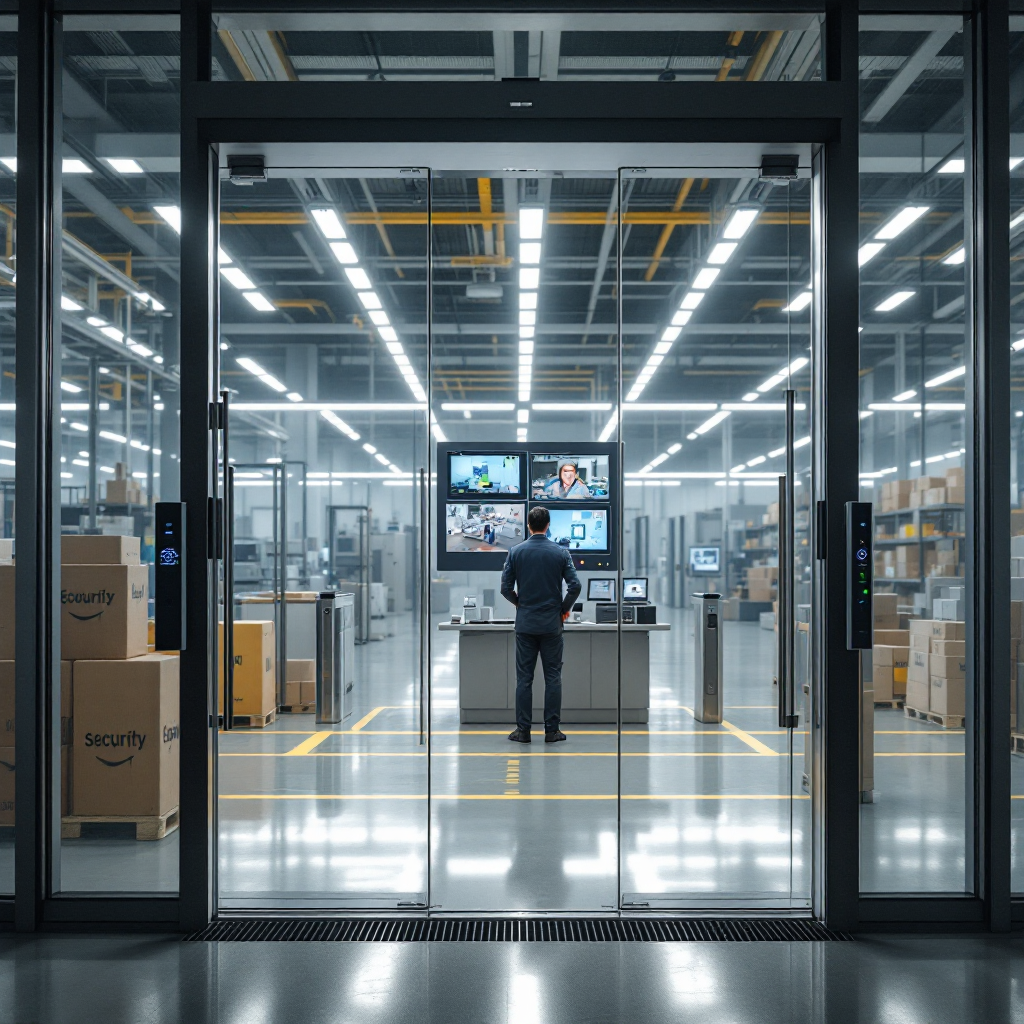
Centralised dashboards bring visibility. A single view shows alarm events, access logs, and camera feeds. As a result, security personnel can assess the situation faster. Real-time alerts route to mobile devices and control rooms. That reduces the time between detection and action. Furthermore, audit trails record who accessed doors and when. Those records support investigations and compliance.
Integration also helps operations. Streaming structured events to OT and BI systems lets plant managers react to security events in ways that protect production. For example, an alert that a gate opened unexpectedly can trigger an automated slowdown of nearby machinery until teams confirm safety. That use of security data extends protection beyond theft and vandalism and helps secure continuous production.
Visionplatform.ai emphasizes on-prem, model-controlled analytics that integrate with VMS and MQTT streams. This capability means sites can publish events into existing workflows without moving video to cloud vendors. Consequently, teams get fast, local intelligence that feeds both security and operations. In practice, this model reduces vendor lock-in and supports audit requirements.
AI vision within minutes?
With our no-code platform you can just focus on your data, we’ll do the rest
Warehouse perimeter strategies: Deploying pids for warehouse security
Warehouses need tailored perimeter planning. First, note that global PID market growth reflects that trend. The global perimeter intrusion detection systems market was valued at approximately USD 13.12 billion in 2023 and is projected to grow to USD 43.5 billion by 2033, which reflects rapid adoption across sectors and highlights demand for pids. For warehouses, the challenge is coverage across large yards, dock areas, and internal storage aisles.
Design recommendations help. Map your warehouse perimeter and note approaches by vehicle and foot. Then, place detectors and cameras to cover loading docks and gates. Also, position sensors to watch areas within the warehouse where high-value inventory sits. Effective sensor placement reduces blind spots and improves early detection.
Maintainability is important. Schedule regular checks for sensors and cameras, and calibrate detectors to site conditions. PID systems need firmware updates and periodic testing. Also, train staff to respond to a real alarm rather than treating all alerts as nuisances. That practice reduces response time and increases deterrence.
Combine CCTV with analytics to reduce false positives. Use models tuned to the warehouse environment so the system ignores routine movement like forklifts in predictable aisles. For example, Visionplatform.ai lets teams retrain or adjust models on local footage to minimize nuisance and improve intruder detection. This approach keeps existing security cameras useful and lowers the cost of adding new hardware.
Finally, plan for scalability. Warehouses expand and change use patterns. Choose modular solutions that let you add more sensors, cameras, or analytics without a rip-and-replace. That flexibility supports long-term security management and lets you adapt as threats evolve.
Integrated intrusion detection and security system to safeguard manufacturing operations
To safeguard operations, integrate analytics, sensors, and control systems into a coherent security system. AI-driven analytics cut down on false alarms and raise detection accuracy. For instance, combining radar, infrared, and video analytics reduces nuisance while improving identification of potential threats. In parallel, intrusion detection sensors placed at choke points provide immediate data on contact or tampering.
The economic case is clear. The average time to detect a cyber attack reached 241 days globally, and costs for breaches average about USD 4.44 million worldwide, which underscores why early detection matters for manufacturing plants and why speed matters. With that context, an integrated perimeter delivers both security and business continuity benefits.
Use an intrusion detection solution that ties to operations. Send events to dashboards, BI, and OT systems. That way, teams can slow production, isolate networks, or lock zones when needed. An integrated system also creates forensic records for post-incident analysis. In short, it helps you both respond and learn.
Practical deployments often reuse existing infrastructure. For example, reuse existing security cameras and feed them into analytics engines that run on-prem. This reduces cost and keeps video inside your environment. Visionplatform.ai supports this model, turning CCTV into an operational sensor network and streaming events to your stack. Consequently, you improve detection without wholesale camera replacement.
Finally, include people in the loop. Train security personnel and operations staff to interpret alerts and take the right actions. Regular tabletop exercises and drills keep the team ready. Combined, technology and trained people create a robust perimeter that addresses both physical and digital vulnerabilities while protecting sensitive data and valuable assets.
FAQ
What is the difference between perimeter and perimeter security?
Perimeter refers to the physical boundary around a site. Perimeter security includes the technologies and processes used to monitor and protect that boundary. Together they form the first line of defense against intrusion and unauthorized access.
How do video surveillance and AI reduce false alarms?
AI improves classification so systems can tell people from animals and vehicles from foliage. As a result, security teams receive fewer nuisance alerts and can focus on legitimate incidents. Training models on local footage further reduces false positives.
Can infrared detect intruders in complete darkness?
Yes. Infrared detects heat signatures and movement regardless of visible light. That capability makes it effective for night operations and areas with obscured sightlines. It is especially useful for detecting someone hiding near a fence or behind equipment.
What role do fiber-optic detectors play in perimeter protection?
Fiber-optic detectors act as continuous sensors along a fence line. They provide high sensitivity and resist electromagnetic interference, which suits industrial environments. They often pair with other detectors to form a layered detection capability.
How does integrating an intrusion detection system with access control help?
Integration lets operators correlate alarms with identity logs. If a sensor trips near a gate, the system can check who used that gate and when. That speeds investigations and can automatically restrict access to prevent escalation.
Are existing security cameras usable with modern analytics?
Yes. Many solutions turn existing CCTV into smart sensors. That reuse reduces cost and shortens deployment time. Moreover, on-prem analytics preserve data control and support compliance for sensitive environments.
What should I focus on for warehouse perimeter design?
Map entry routes and high-value areas, then place detectors and cameras to avoid blind spots. Prioritise loading docks and internal aisles that store valuable inventory. Also, plan for regular maintenance and model tuning to reduce false alarms.
How quickly can a perimeter breach be detected?
Detection time depends on sensor placement, analytics quality, and operational readiness. An integrated system with real-time alerts and trained responders can detect and act within minutes. Faster detection reduces damage and operational downtime.
Is it better to use cloud or on-prem analytics for manufacturing?
On-prem analytics keep video and models inside your environment, which helps with compliance and latency. Cloud systems can offer scalability but may raise data governance concerns. The best choice depends on your regulatory and operational needs.
How often should perimeter sensors and cameras be tested?
Regular testing is essential. Conduct functional checks monthly and full audits quarterly or after major weather events. Routine maintenance keeps detection capability high and reduces vulnerability over time.