camera and video surveillance: Overview of Modern CCTV Systems
Closed-circuit television has evolved from a static recorder into an intelligent operational sensor. Cameras now ship with high-resolution sensors, wide dynamic range, and network connectivity. As a result, a single security camera can capture details that once required several devices. Operators gain better clarity, and law enforcement gains clearer evidence. Video surveillance benefits when devices deliver consistent, high-quality imagery across light conditions and distance.
Modern deployments follow models that balance coverage and privacy. For example, public spaces use fixed and PTZ camera arrays to cover plazas, and private facilities blend visible units with covert units for loss prevention. Control rooms often aggregate camera feeds, and then they use software to correlate events. In airports and transport hubs, operators rely on people detection and crowd analytics to manage flow and risk; see detailed examples on the people detection page for more context (detecção de pessoas em aeroportos).
High-resolution video surveillance improves evidence capture by freezing faces, license plates, and actions in detail. Investigators use camera footage to identify suspects, to check timelines, and to corroborate witness statements. In one major review, surveillance cameras helped solve approximately 4,500 crimes over four years, which shows how clear imagery speeds case work. Thus, investments in better optics and sensors pay off in time saved and in prosecution quality.
Networks, standards, and integrations matter. Open standards like ONVIF let VMS and cameras interoperate. Meanwhile, organizations must manage data flows so that video does not leave secure environments unless policy allows. If sites combine modern cameras with a robust VMS and an on-prem AI layer, they can keep control while gaining searchable visual records. That approach reduces the friction between raw video and actionable intelligence.
real-time crime center and AI video analytics: Accelerating Response Time
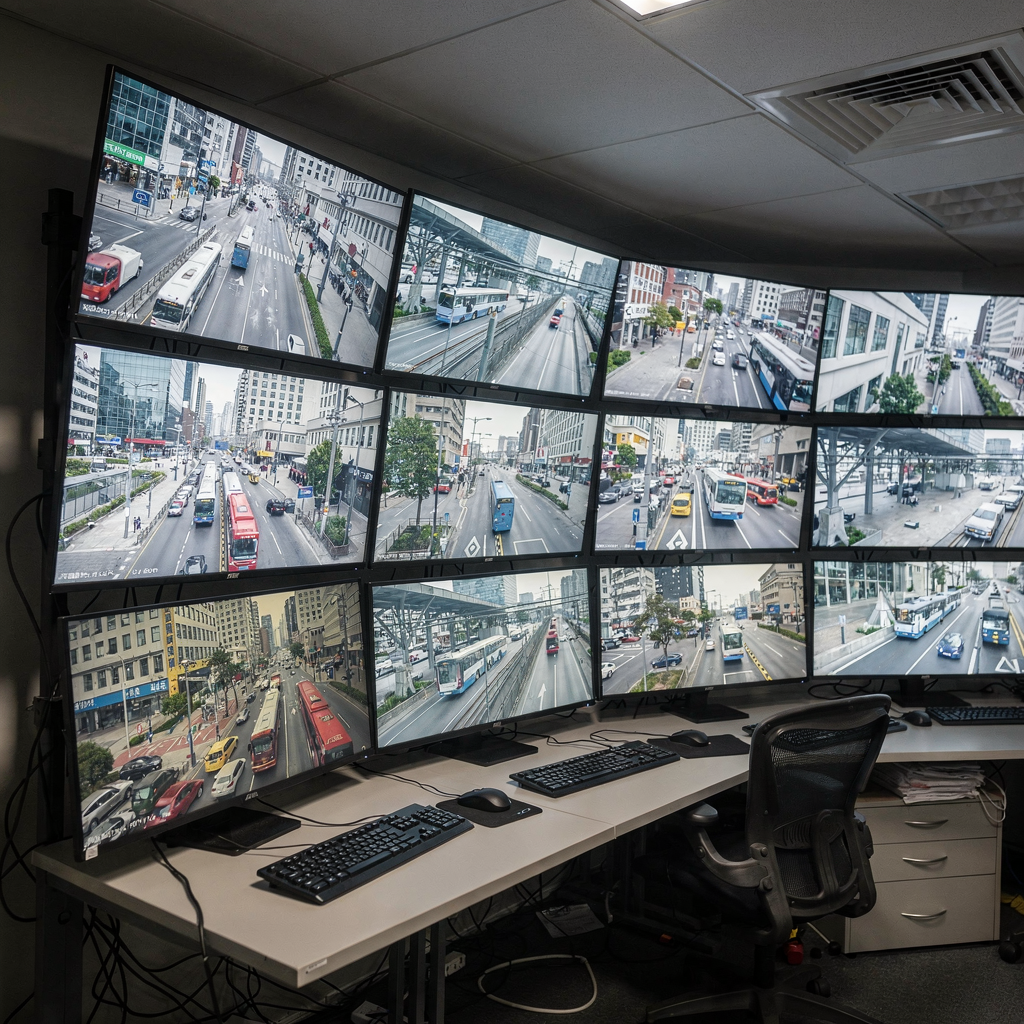
Real-time crime centers collect, fuse, and present live inputs to decision-makers. They ingest live video, sensor data, and logs. Then they surface the most relevant streams for rapid assessment. A national real time crime center illustrates this model at scale. In practice, operators monitor a single pane of glass that shows live video and incident context. The result: faster situational awareness and more informed dispatch decisions.
AI video analytics plays a central role. AI models flag suspicious activity, and then they raise a real-time alert to officers or to the security team. For example, video analytics can detect a person loitering near a restricted space and then create a prioritized alert. Control rooms that add an AI reasoning layer reduce false positives and point operators to the most critical incidents. visionplatform.ai turns existing camera infrastructure into an AI-assisted system so that detections gain context and meaning.
Real-time video and real-time alerts allow teams to act before damage grows. In airports, integrated AI and VMS workflows shorten how long operators spend verifying alarms. A study notes that CCTV installations can cut suspect identification time by up to 50% according to security systems research. Therefore technologies that deliver real-time context and verified alarms help shorten investigation durations and improve incident response efficiency. For dispatch, that means clearer instructions, fewer unnecessary deployments, and better use of resources.
Operators also need tools to manage high alert volumes. VP Agent-like agents can triage events, explain why an alarm matters, and recommend next steps. Thus, control rooms can scale monitoring without proportionally increasing staff. The combination of a real time crime center, AI video analytics, and strong procedures creates a system that both detects issues and helps teams respond faster.
AI vision within minutes?
With our no-code platform you can just focus on your data, we’ll do the rest
object detection and potential threats: Proactive Identification in Surveillance Technology
Object detection lets systems recognize people, vehicles, and specific items in live feeds. AI models trained for object detection deliver consistent detection across varied scenes. They can spot unattended baggage, a vehicle violating a perimeter, or an object left on a platform. When a model finds a potential threat it triggers an alert and supplies timestamps, thumbnails, and the camera that recorded the event.
Proactive systems identify potential threats before they escalate. For example, a system can detect a vehicle entering a prohibited zone and then notify the security team. In many sites, AI filters out benign motion and highlights suspicious activity. That keeps operators focused on what matters. When a threat appears, integrated systems may cross-check access control logs and facial recognition matches to confirm identity. If a match is positive, teams receive actionable intelligence and can respond quickly.
Practical deployments exist across sectors. Airports use vehicle detection and ANPR to screen deliveries, while retail uses object detection to flag shoplifting and employee theft. For an example at airports, see the vehicle detection and classification page (detecção e classificação de veículos em aeroportos).
AI models that detect weapons or unsafe behavior deliver a proactive edge. They reduce the chance that damage is already done by spotting escalation early. Moreover, systems tuned to a site’s environment lower false positives so security personnel do not waste cycles on harmless events. When you combine object detection with rules and human review, you get a workflow that warns, verifies, and then guides the response. That workflow supports stronger public safety and gives teams the time they need to act decisively.
video evidence and digital evidence management to streamline security investigations
Video evidence forms the backbone of many cases. Proper evidence management keeps that video trustworthy, searchable, and admissible. A digital evidence management system must preserve timestamps, maintain audit trails, and prevent tampering. These controls create an evidentiary chain-of-custody so courts accept video as reliable material.
Best practices start with tagging. Operators should tag camera footage with incident IDs, actors, and locations. Then they should store the clips with secure metadata and limited retention aligned to policy. An evidence management platform can index recordings and expose them to investigators. By doing so, investigators spend less time hunting for hours of footage and more time validating leads. Using camera metadata and automated tags speeds searches and reduces manual review.
Platforms that offer forensic search transform raw video into human-readable descriptions. For example, visionplatform.ai provides VP Agent Search to let users query recorded streams with plain language. That approach converts raw video into text, so investigators can find relevant video without needing camera IDs or exact timestamps. Such tools help police departments and private security teams find people of interest and relevant video in minutes rather than days.
Finally, digital evidence management ties into procedures. When a security team exports a clip, the system should log who accessed it and why. That audit trail supports legal discovery and deters unauthorized access. With structured storage and clear provenance, organizations can streamline security investigations and present concise, credible evidence in court.

AI vision within minutes?
With our no-code platform you can just focus on your data, we’ll do the rest
real-time video review and investigation times: Cutting Investigation Duration with Analytics
Fast video review makes a dramatic difference to investigation times. Manual review forces staff to scrub hours of footage. By contrast, tools that index motion, faces, and objects allow fast-forward and event search so staff reach relevant segments quickly. Motion detection and event markers compress hours of footage into minutes of meaningful content.
Automated video analytics can lower the burden by surfacing relevant video. For instance, filters for motion, color, or face matches reduce the time spent per incident. Studies show that video-enabled sites identify suspects more rapidly, and that leads to shorter investigation times overall. In fact, research has suggested that CCTV can halve the time needed to identify suspects in many cases according to a case study on CCTV.
Compare manual review and AI-assisted video review. Humans excel at context and judgement, but they tire quickly and miss patterns. AI excels at scanning many camera feeds and at finding repeated patterns across time. When you combine both, operators verify AI findings and focus on decisions. That blend shortens investigation cycles and improves accuracy. The result: faster arrests, clearer evidence, and less backlog for law enforcement agencies.
Tools like VP Agent Reasoning add another layer. They explain why an event is flagged, correlate across camera feeds, and recommend actions. Consequently, teams avoid switching between systems. They receive an explained alarm instead of raw video. That makes the response more efficient and the overall process more data-driven. In turn, organizations achieve time saved and can concentrate resources on the incidents that matter most.
proactive CCTV mitigates security threats and reduces investigation response time
Proactive CCTV deters potential threats and reduces reactive work. When operators detect suspicious activity early, they can dispatch teams or adjust procedures before an incident escalates. Proactive measures include perimeter sensors, early-warning object detection, and policy-driven notification rules. Together these measures help respond to threats faster and often prevent harm.
Research supports the effect. For example, studies of CCTV deployments reported reductions in crime rates and faster case closures across multiple case studies. In vehicle-related incidents, certain CCTV programs correlated with steep drops in crime where video evidence allowed swift identification and arrest. Thus, the presence of cameras changes offender calculus and also simplifies evidence collection when incidents happen.
To implement a proactive program, first map existing camera infrastructure. Then add AI capabilities for consistent detection and for detecting potential threats. Next, integrate AI agents that perform verification and suggest actions. visionplatform.ai focuses on these elements by keeping processing on-prem and by exposing events to AI agents so operators get context not just alerts. That design helps reduce the burden on staff and supports streamlined incident response.
Finally, combine CCTV with access control, patrol workflows, and loss prevention policies. That links detection to operational action. As a result, organizations shorten response times, improve prosecution rates, and support stronger public safety. If you need examples of targeted analytics, review our pages on unauthorized access and weapon detection for practical guidance (detecção de acesso não autorizado em aeroportos, detecção de armas em aeroportos).
FAQ
How does CCTV reduce investigation time?
CCTV provides recorded and live visual evidence that speeds identification and timeline reconstruction. Video clips reduce the time investigators spend interviewing witnesses and reviewing reports.
What role does AI play in video review?
AI automates detection, indexing, and correlation across camera feeds. It flags suspicious activity and supports investigators by finding relevant video quickly.
Can existing camera systems use AI without replacing hardware?
Yes. Many platforms, including on-prem solutions, add AI to existing camera feeds and VMS setups. That approach leverages existing investments and improves analytics without wholesale replacement.
What is a real-time crime center?
A real-time crime center aggregates live video, data, and alerts to support decision-makers and dispatch. It delivers actionable intelligence for incident response and for proactive monitoring.
How do digital evidence management systems help investigations?
They tag, store, and secure video evidence with audit trails and chain-of-custody logs. That makes video admissible and easier to retrieve during legal proceedings.
Are AI alerts reliable enough for operations?
Modern AI reduces false positives by verifying detections with context and cross-checks. Human-in-the-loop models and reasoning agents further validate alerts before dispatch.
Will AI processing require cloud transmission of video?
No. Many solutions run AI on-prem to avoid cloud dependency and to meet compliance needs. This preserves control over sensitive footage and reduces data exposure.
How does facial recognition fit into CCTV investigations?
Facial recognition can match people of interest in minutes and accelerate suspect identification. However, operators must balance its use with legal and ethical frameworks.
What steps shorten response times with CCTV?
Map cameras, add AI analytics, configure verified real-time alerts, and integrate workflows with dispatch. Together these steps streamline incident response and reduce delays.
How can small security teams get the most from camera footage?
Use AI to prioritize relevant video, employ forensic search for historical footage, and automate routine tasks. These measures cut manual review and let teams focus on critical incidents.