


Author: VP-justas
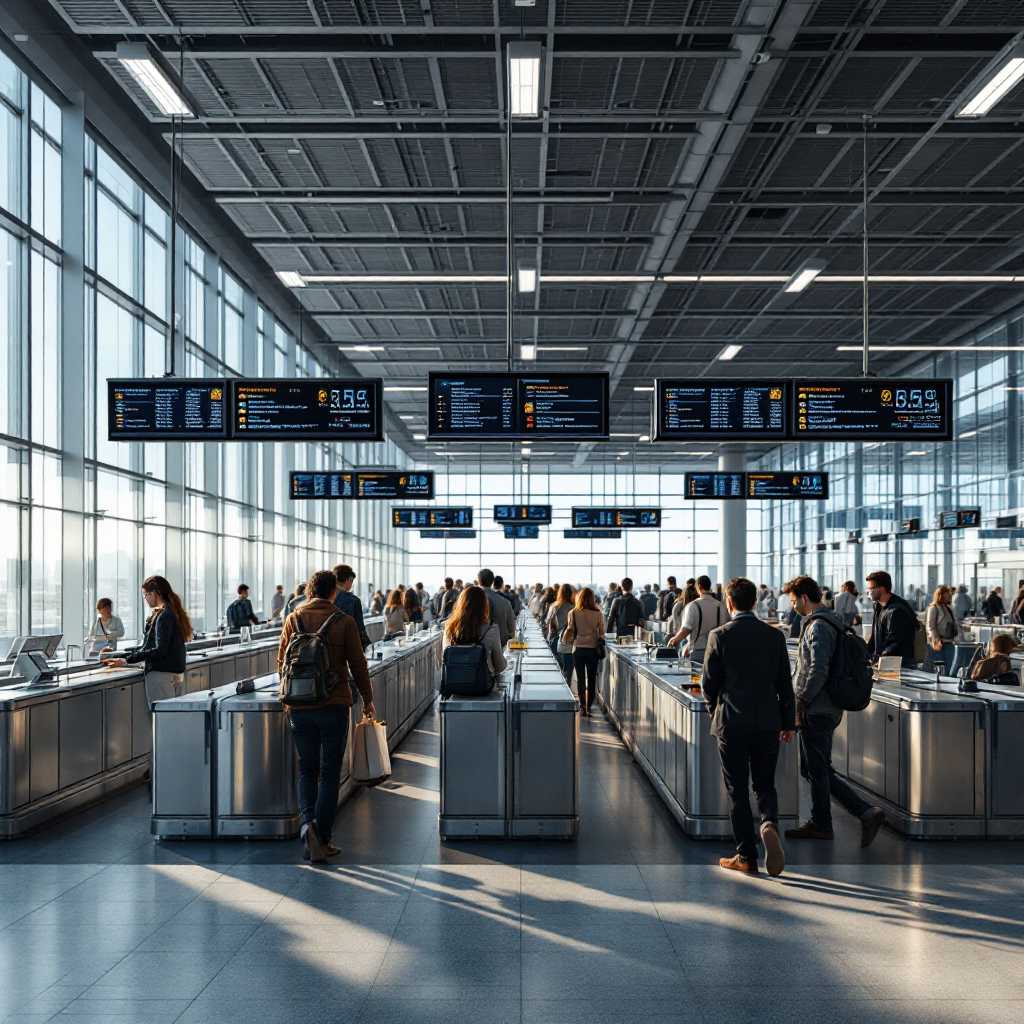
People counting in airports with passenger sensors
airport operations and real-time passenger flow analytics Airports rely on accurate sensing to manage millions of people each year. Sensors placed at entrances, security lanes, gates, retail areas and lounges collect live counts and provide a monitoring system that feeds dashboards and alerts. These feeds show how many people are entering a zone and where […]
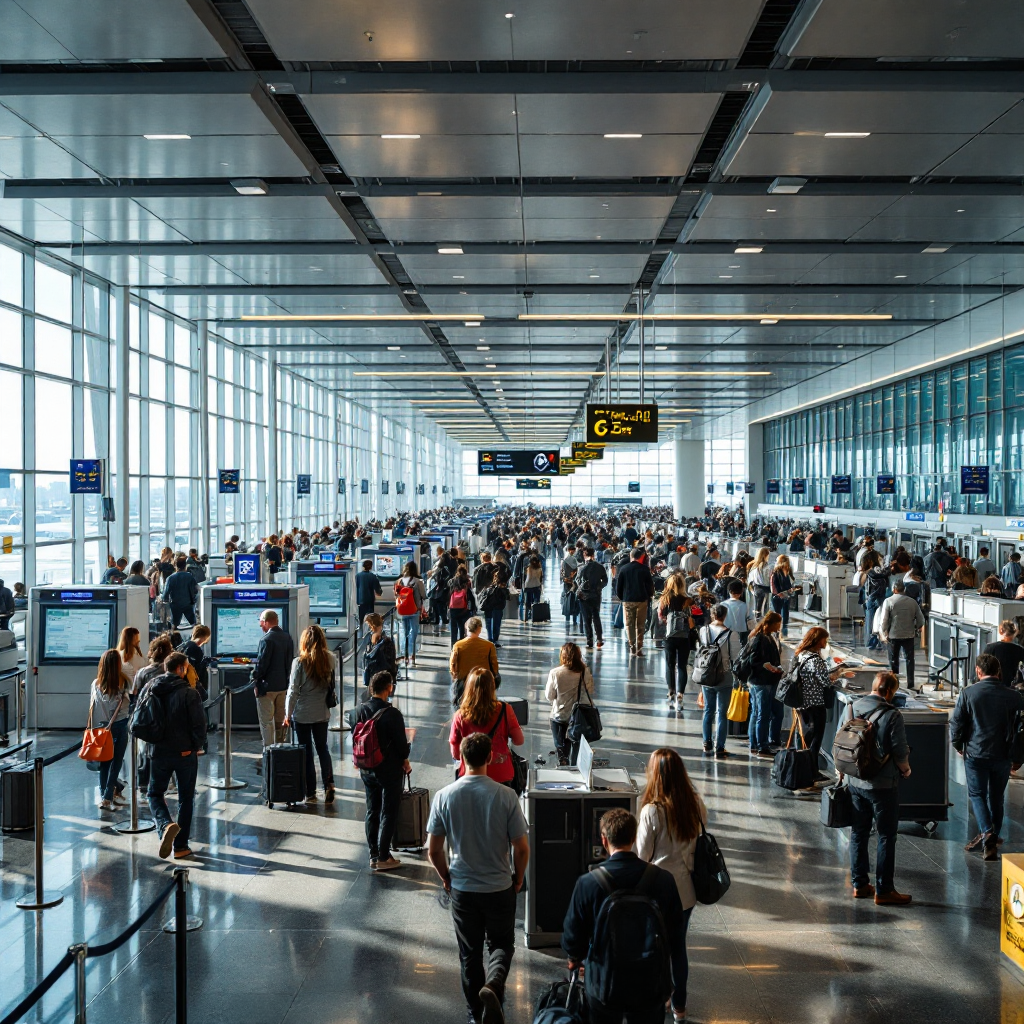
Crowd detection/density in airports improves passenger flow
Airport Challenge: Balancing Crowd Management in Busy Terminals Firstly, airports face a unique CROWD DETECTION and density estimation challenge. Secondly, crowd detection means locating and counting people in camera views. Additionally, density estimation maps how packed areas become over time. In short, this process helps measure occupancy and crowded areas quickly. However, terminals change every […]
Forensic search in airports: CBP electronic device checks
Airport and Airports and Border: Forensic Search at Entry Points Forensic search of electronic devices at ports of entry means close inspection of phones, laptops and other digital devices to look for threats or evidence. CBP and other border officials perform these checks at an international airport, a land crossing, and other functional equivalents of […]
Violence and aggression detection in airports
Detection system using AI and video analytics to detect aggressive behavior in airport surveillance Airports are high-density hubs. They require systems that spot risky conduct quickly. A detection system that combines AI and video analytics does this. It watches live feeds, flags rapid escalation, and sends an alert to teams on duty. Pattern recognition and […]
AI loitering detection in airports for security
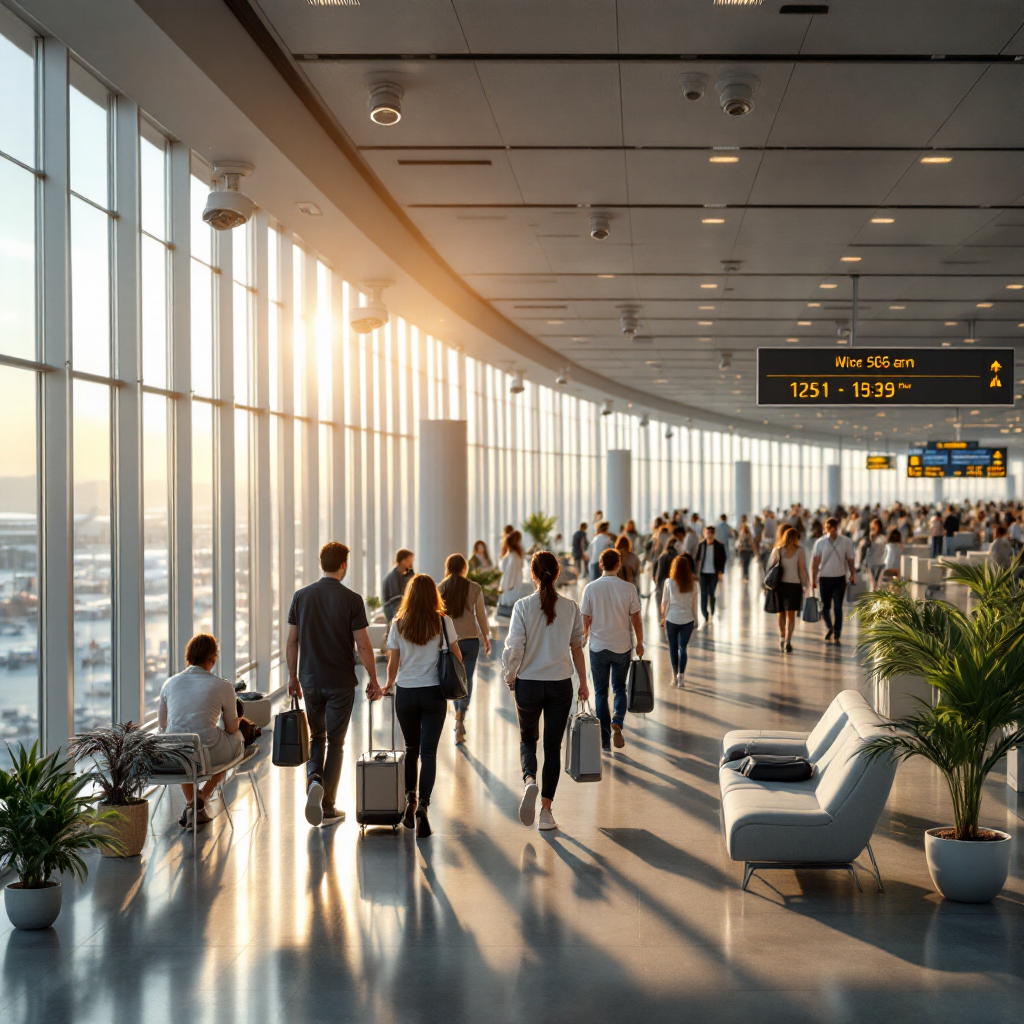
Use cases of Loiter Detection in Airport Security Loitering means staying in a public space without clear purpose. In an airport the stakes are higher. Gates, boarding areas, cargo zones and security checkpoints are sensitive areas. Airports must prevent theft, unauthorized access and violent acts. Loiter detection helps staff identify suspicious presence early. For example, […]
Perimeter intrusion detection in airports
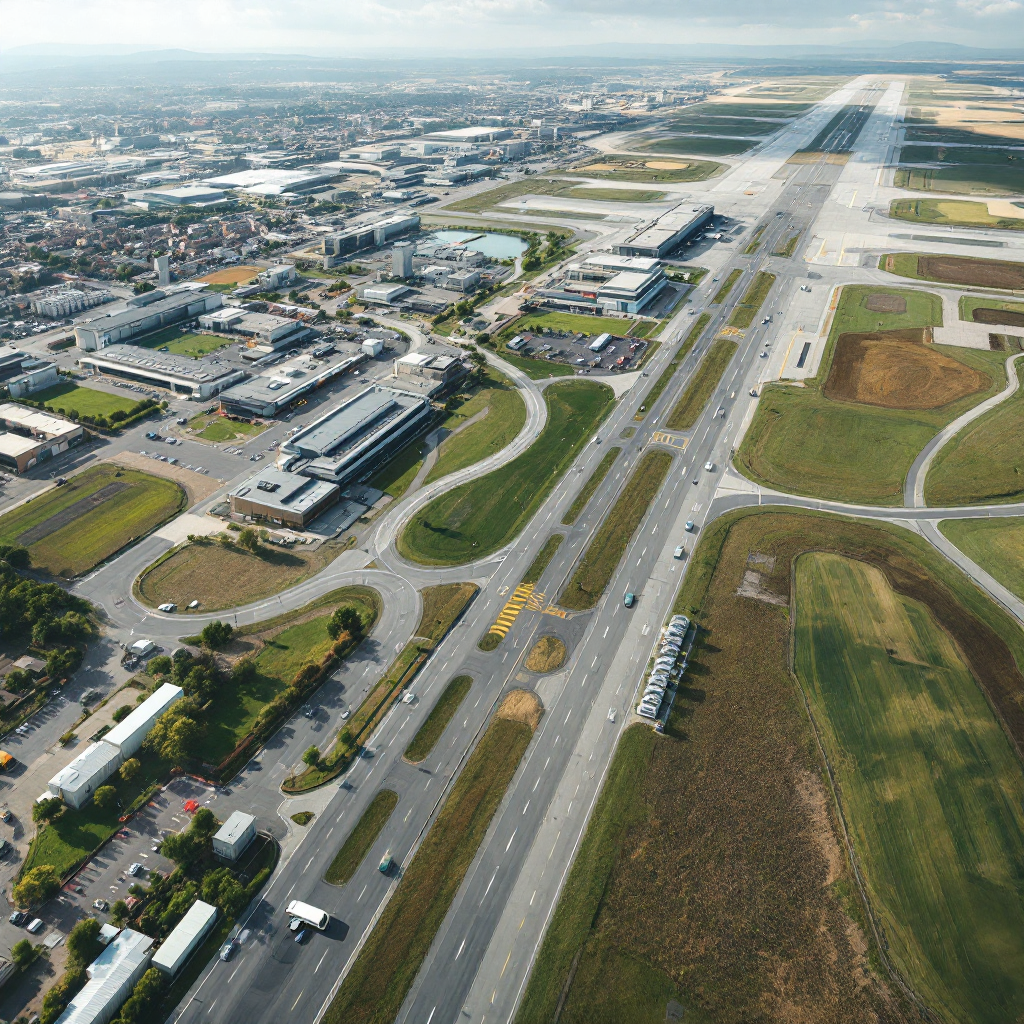
airport perimeter: Importance and Challenges The airport perimeter acts as the first line of defense around runways, terminals, aprons and support facilities. First, it defines where the airfield ends and public land begins, and thus it shapes patrol routes, sensor placement and rules for response. Second, it serves as the physical buffer that discourages unauthorized […]
Weapon detection in airports with screening systems
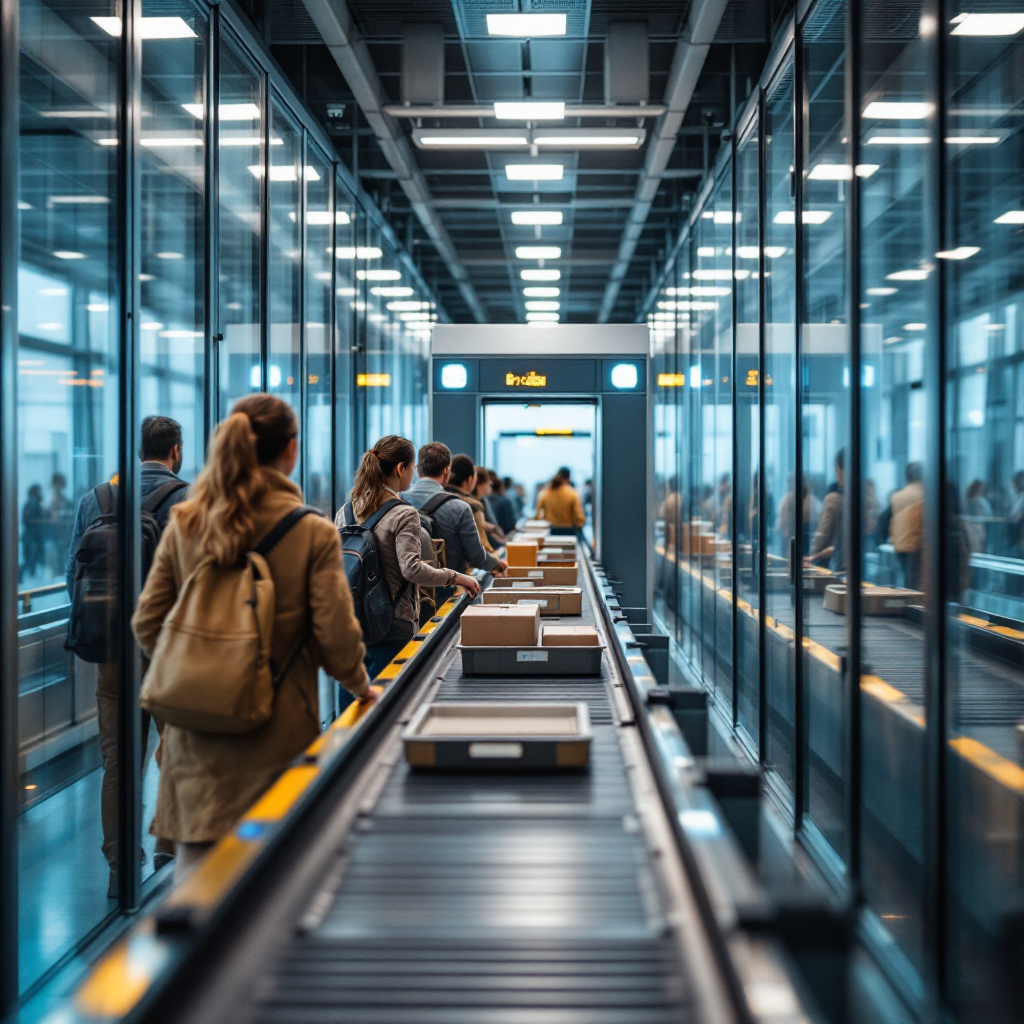
tsa detection: Statistical Trends in Firearm Interceptions First, the numbers are stark. In 2023 the Transportation Security Administration reported 6,737 firearms intercepted at 262 airports. Next, in 2024 the total slipped slightly to 6,678 firearms. Therefore, airports across the U.S. continue to face high volumes of weapons passing through checkpoints. In addition, these events matter […]
Fire / smoke detection in airports: safety systems
Safety in Airport Environments: Assessing Fire Risks Airports face a complex set of fire hazards. Terminals, hangars and cargo areas each present distinct risks. For example, terminals host large crowds and varied retail fit-outs. Hangars contain aircraft with fuel and maintenance materials. Cargo zones often store diverse goods that may include flammable items. Therefore assessing […]
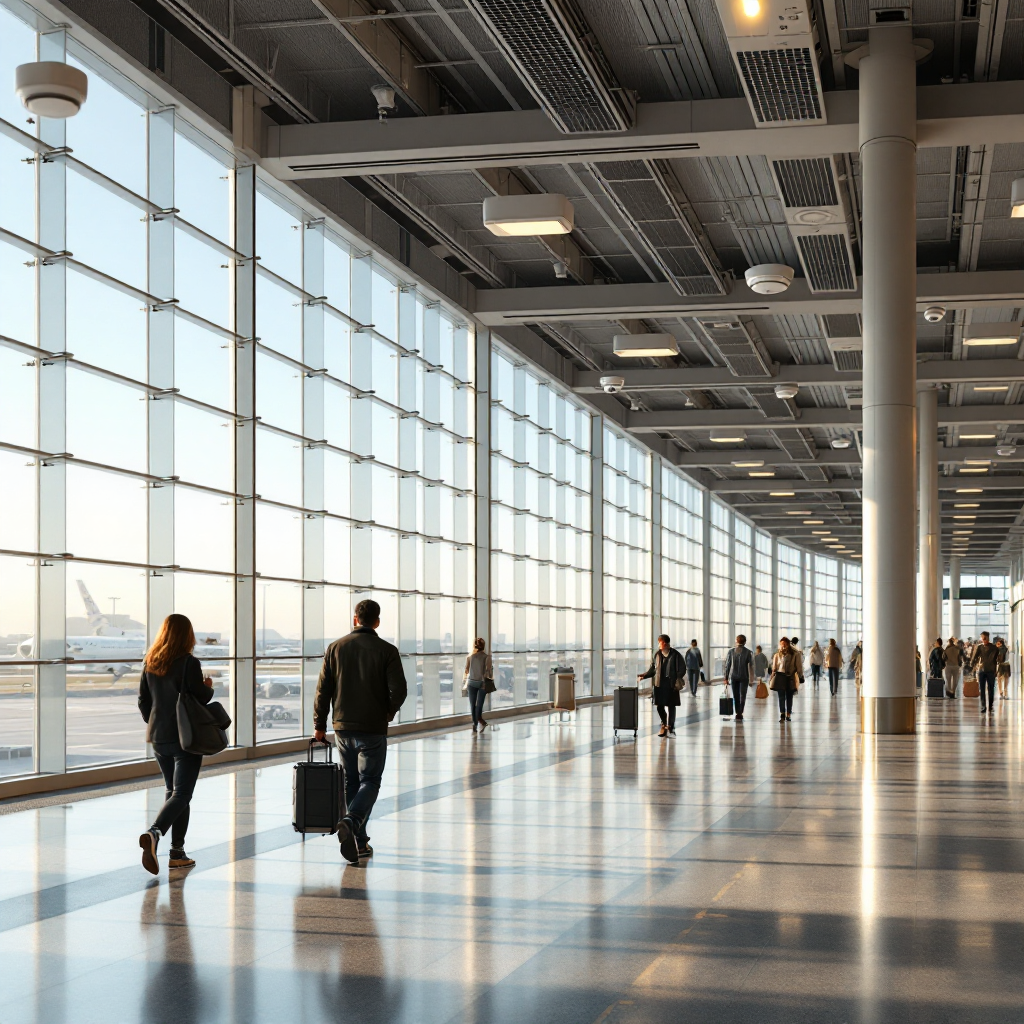
Fall detection in airports: real-time sensor systems
airport Airports are busy and dynamic spaces, and they demand systems that keep passengers safe, and staff coordinated, and operations flowing. First, airport terminals see high foot traffic and rapid passenger flow. Second, they host diverse demographics that include elderly people, younger travelers, families with children, and people with mobility aids. Third, they operate under […]

PPE detection in airports with AI analytics
The role of ppe compliance in airport workplace safety In busy apron and terminal zones, enforcing PPE reduces incidents and protects teams. First, clear rules about wearing the required ppe save lost work hours and cut administrative overhead. For example, improvements in detection sensitivity by about 30% combined with manual checks have been shown to […]
