


Category: Industry applications
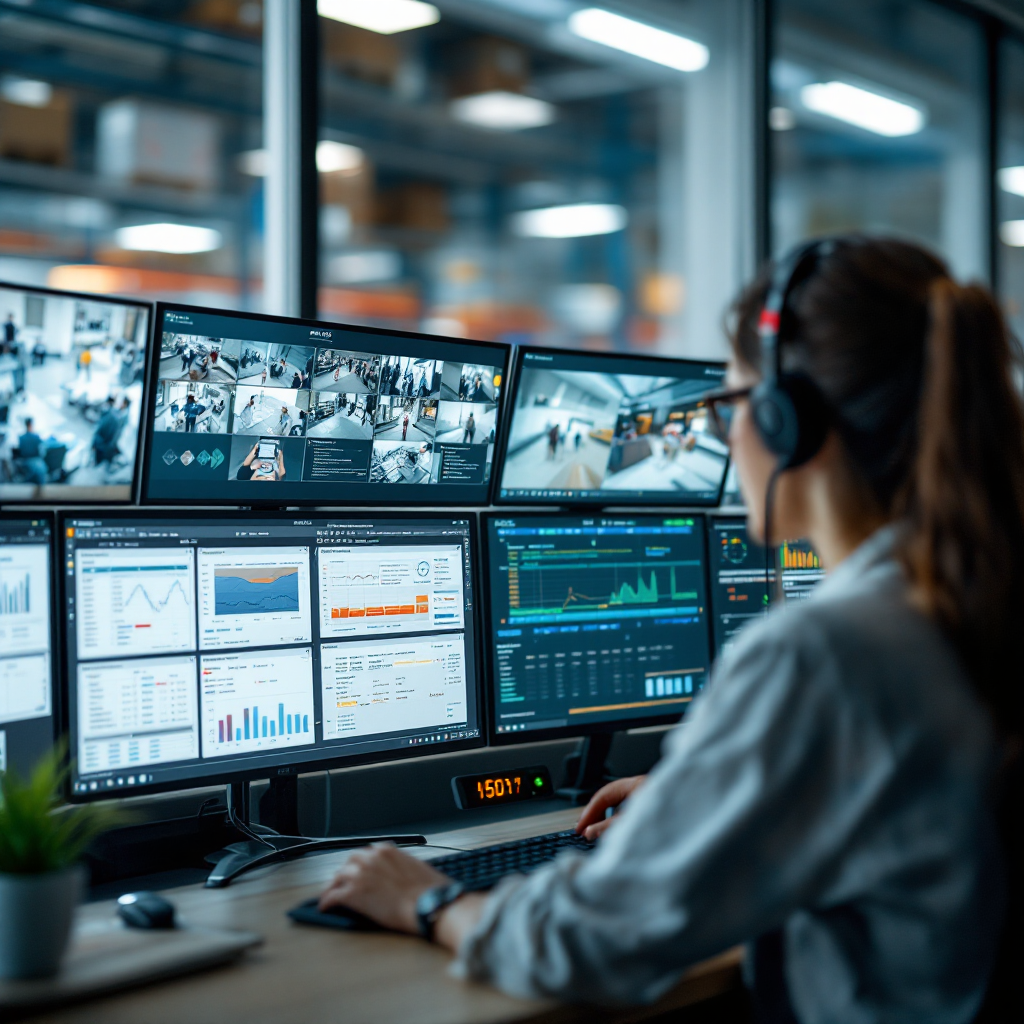
Vision language models for event description
How vision language models work: a multimodal ai overview Vision language models work by bridging visual data and textual reasoning. First, a visual encoder extracts features from images and video frames. Then, a language encoder or decoder maps those features into tokens that a language model can process. Also, this joint process lets a single […]
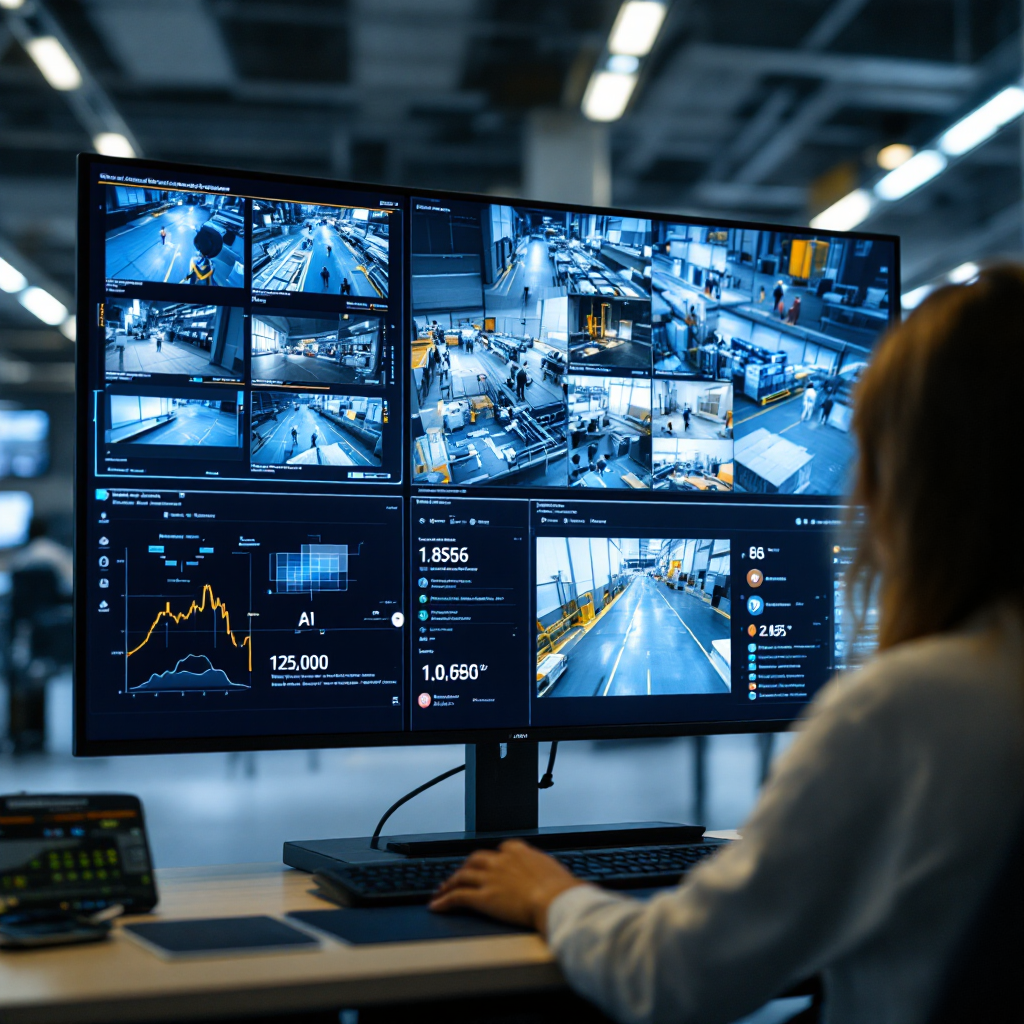
Vision-language models for incident understanding
vlms: Role and Capabilities in Incident Understanding First, vlms have grown fast at the intersection of computer vision and natural language. Also, vlms combine visual and textual signals to create multimodal reasoning. Next, a vision-language model links image features to language tokens so machines can describe incidents. Then, vlms represent scenes, objects, and actions in […]
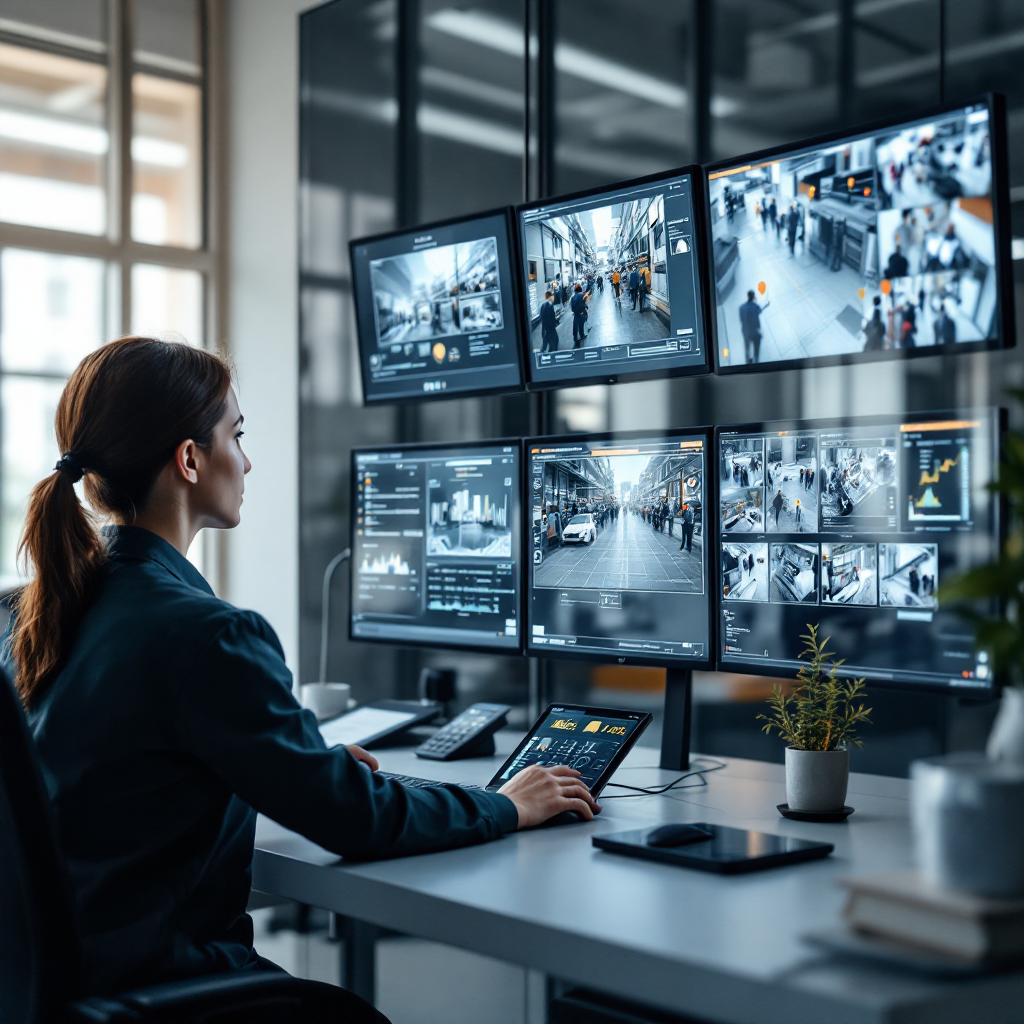
Vision-language models for anomaly detection
Understanding anomaly detection Anomaly detection sits at the heart of many monitoring systems in security, industry, and earth observation. In video surveillance it flags unusual behaviours, in industrial monitoring it highlights failing equipment, and in remote sensing it reveals environmental changes. Traditional methods often focus on single inputs, so they miss context that humans use […]

Vision-language models for access control
vision-language models: Principles and Capabilities Vision-language models bring together a vision encoder and language understanding to form a single, multimodal system. First, a vision encoder processes images or video frames and converts them to embeddings. Then, a language model maps text inputs into the same embedding space so that the system can relate images and […]
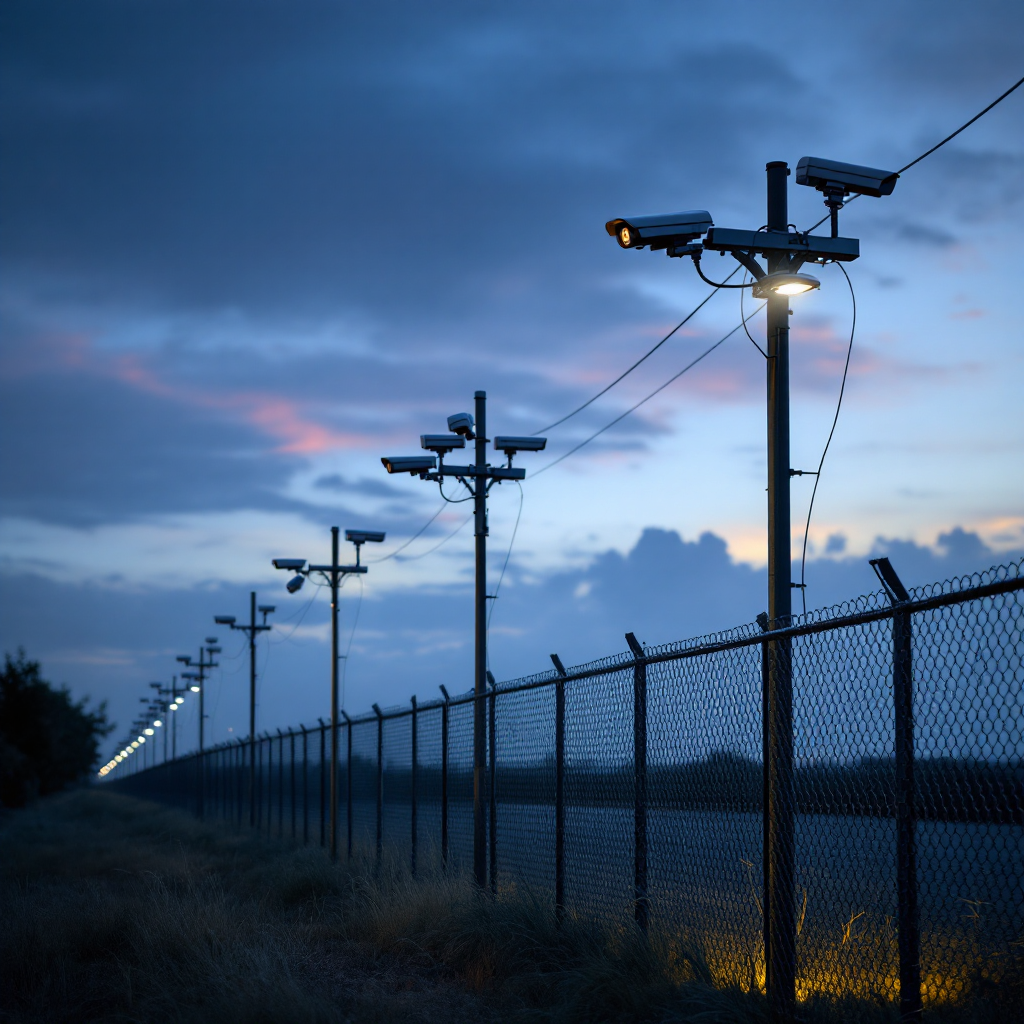
AI-driven vision language models for perimeter security
ai architecture: combining computer vision and language models for perimeter security AI architectures that combine computer vision and language models change how teams protect perimeters. In this chapter I describe a core architecture that turns raw video into context and action. First, camera streams feed CV modules that interpret each frame at the pixel level. […]

Vision language model for traffic accident detection
Dataset and Metric Preparation for Traffic Accident Detection Building reliable systems starts with the right dataset. First, assemble multimodal collections that pair images and text. Also, include video sequences with accurate timestamps. Additionally, gather scene-level annotations that describe events such as a collision, sudden braking, or near-miss. For reference, benchmark studies show that vision-language models […]

Port AI: Vision language models for ports
port Monitoring with Satellite Imagery and Satellite Images First, ports often depend on high-resolution satellite imagery to get broad situational awareness. Also, satellite images give a bird’s-eye view of container yards, quay cranes, vessel traffic and intermodal links. Furthermore, satellite imagery complements cameras on the ground, because satellites can cover large areas and provide periodic […]

AI-Powered Vision-Language Models for Airports
Introduction to airport AI and vision-language model Technologies Airports face three persistent challenges: security screening, complex logistics, and crowded passenger flow. Airlines and terminals must manage safety, schedules, and customer service at once. A modern international airport needs systems that scale. AI and artificial intelligence offer tools to meet those needs. Vision-language model is one […]
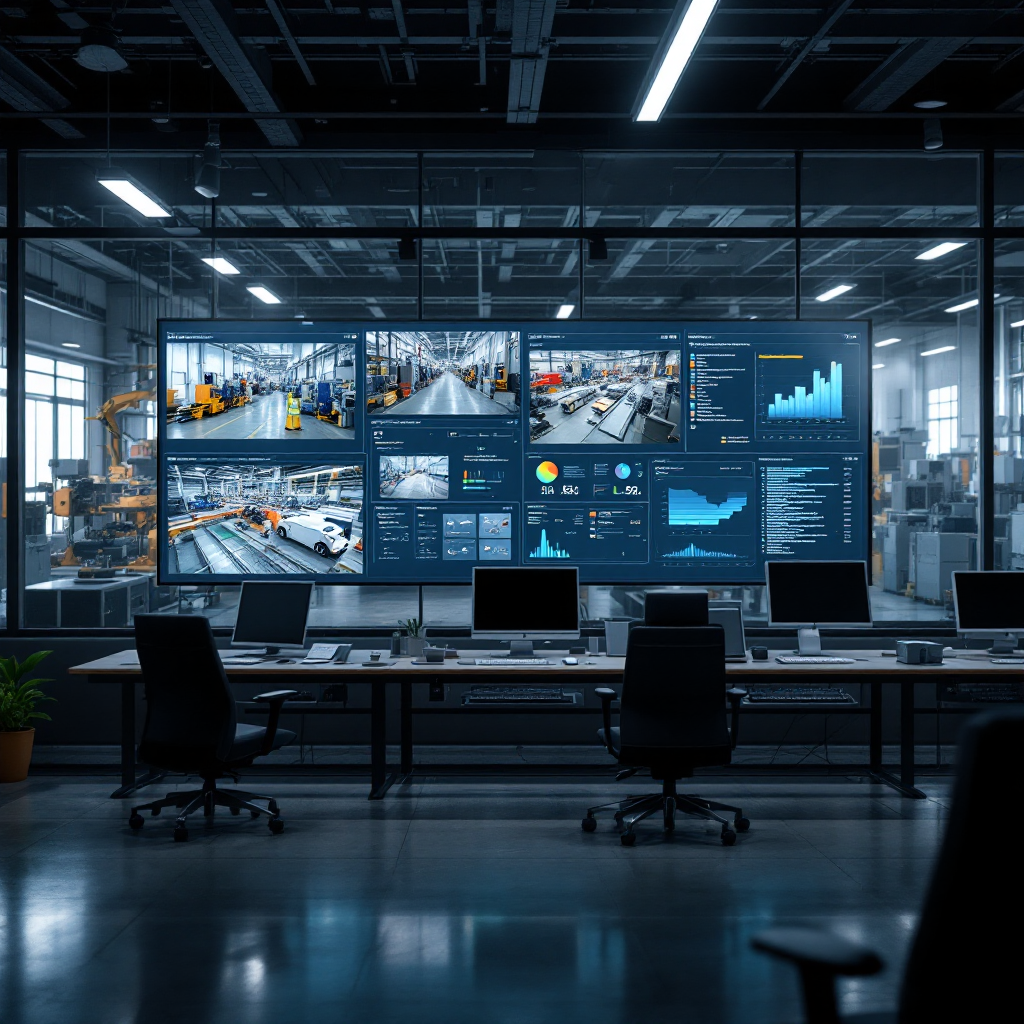
Vision-Language Models for Industrial Sites
Vision-Language Models for Industrial Anomaly Detection and Real-Time Anomaly Monitoring Vision-language models bring together image processing and natural language understanding to solve site-level problems fast. Also, they let operators move beyond isolated alarms. Next, these models combine visual cues and textual context so teams can spot faults, explain them, and act. For example, a system […]
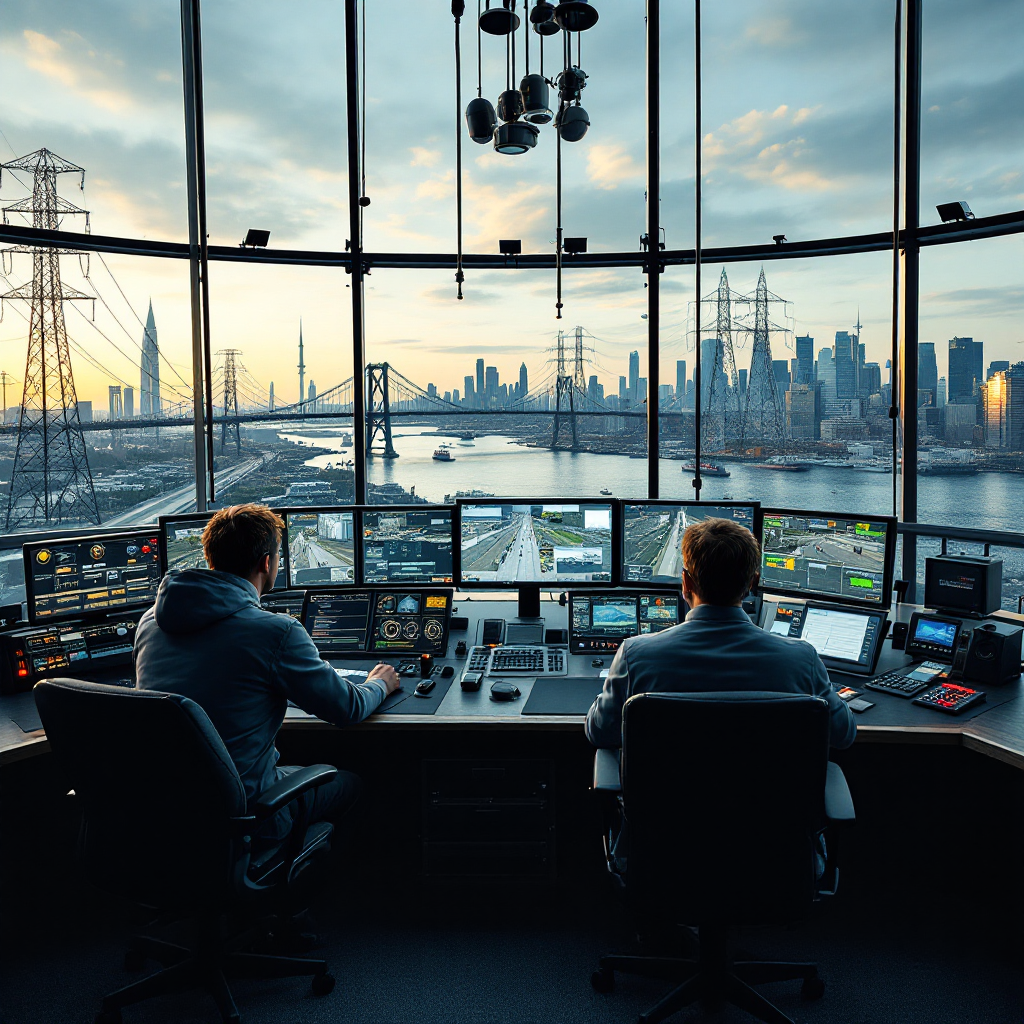
Vision language models for critical infrastructure
ai, computer vision and machine learning: bridging the gap AI now threads together sensing, perception, and decision-making in ways that matter for critical infrastructure. AI and computer vision work side by side, and machine learning provides the training methods that make models reliable and flexible. Computer vision extracts pixels into structured signals, and natural language […]
