


Category: Industry applications
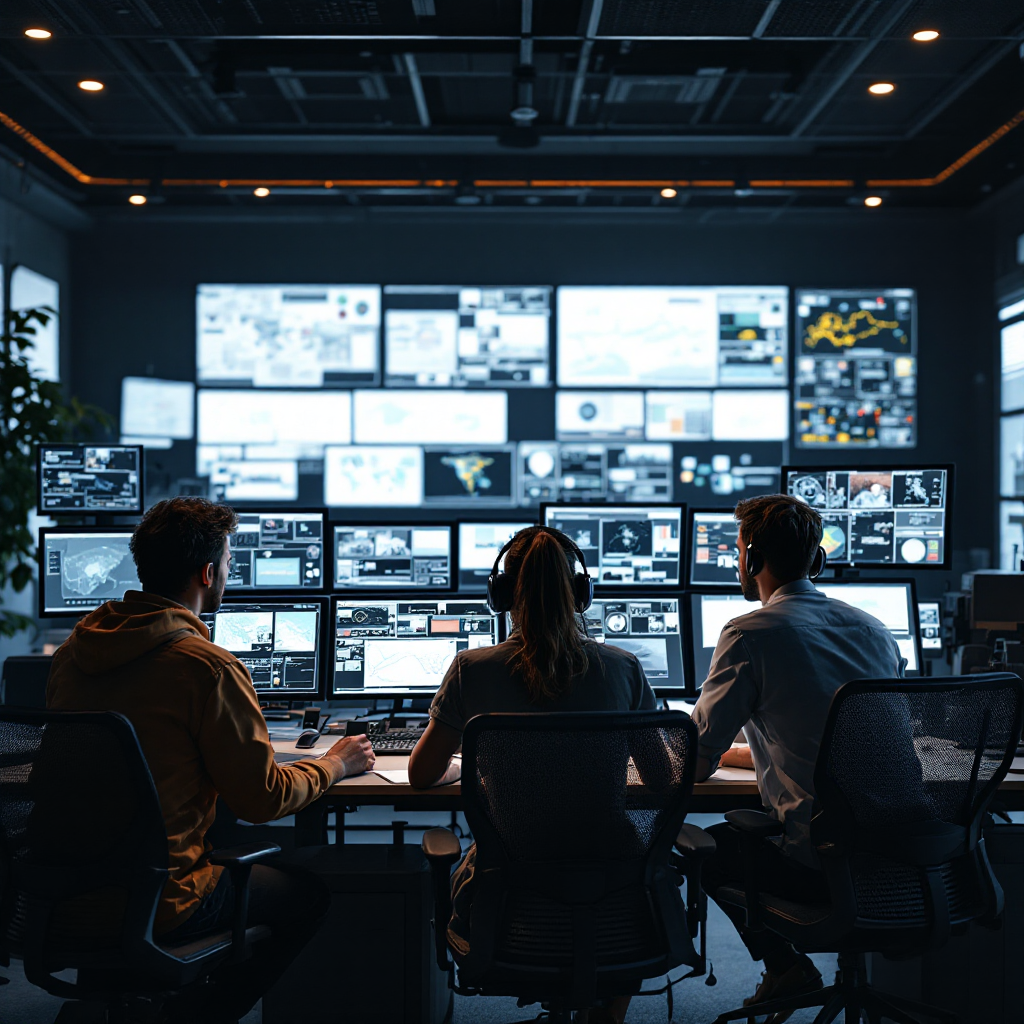
AI agents for situational awareness in national security
AI agent Foundations and the Role of Large Language Models in National Security AI plays a foundational role in modern operational planning, and it shapes how systems sense, reason, and act. AI agents are software entities that perceive an environment, reason over inputs, and carry out tasks. An AI agent can combine perception modules, knowledge […]
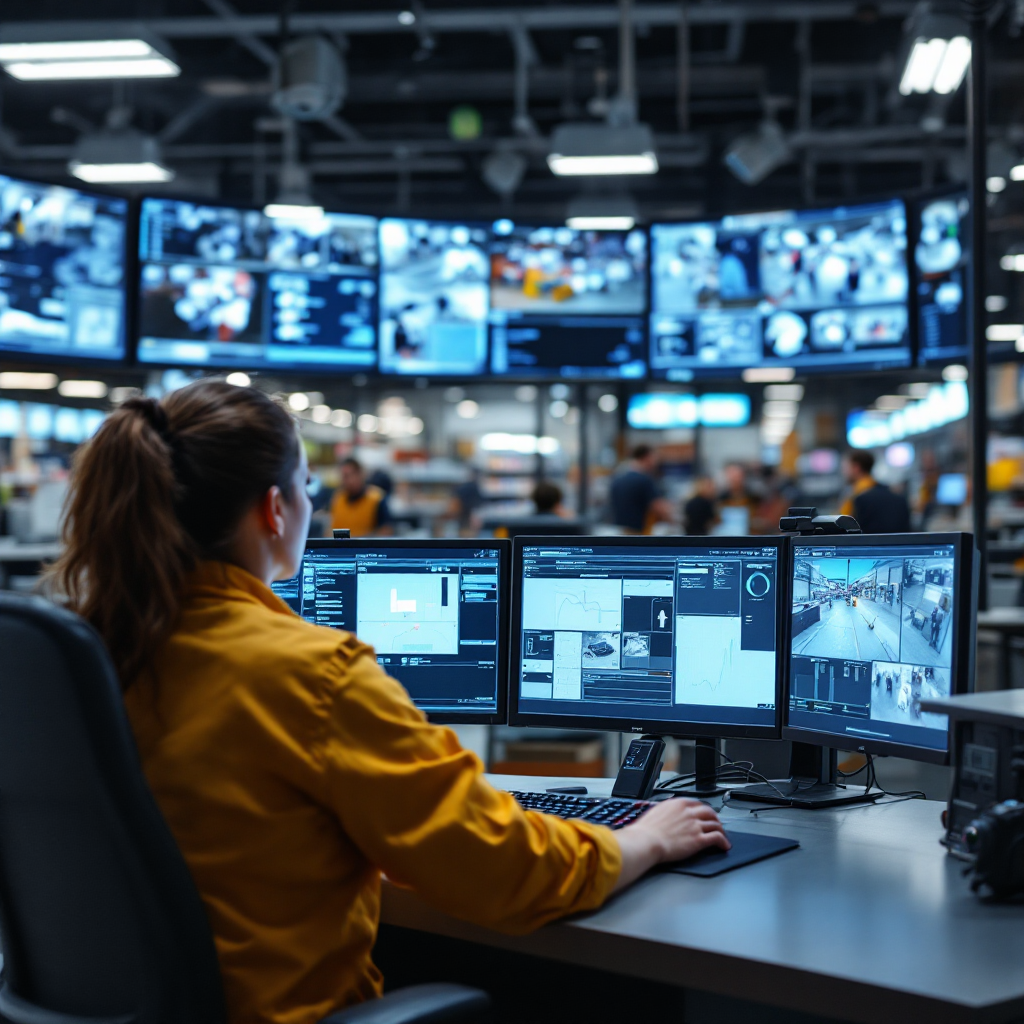
AI Agents for Alarm Handling and Security Monitoring
AI Agents for Security: From Alarm to Monitoring Efficiency AI transforms noisy alarm feeds into prioritized alerts that teams can act on. First, sensors and cameras stream continuous data. Next, AI ingests that data and filters what matters. Then, operators see concentrated, actionable information. This shift helps reduce false positives and cut wasted time. For […]
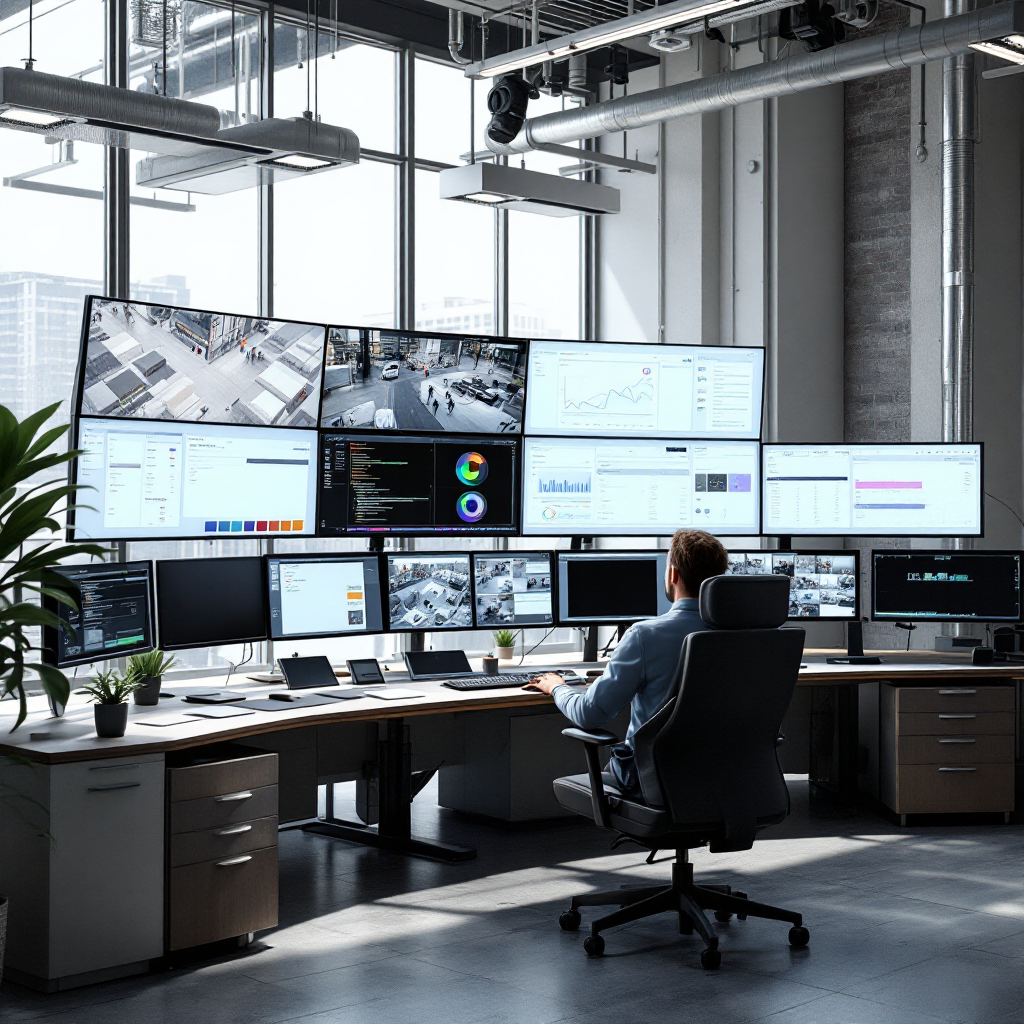
AI Agents for Video Management Systems and Analytics
ai agents in video management system for smarter security operations AI agents bring autonomy and scale to modern security. AI agents are autonomous or semi-autonomous software components that monitor video, flag issues, and act on rules. They connect to a video management system and to existing VMS tools to provide continuous situational awareness. In practice, […]
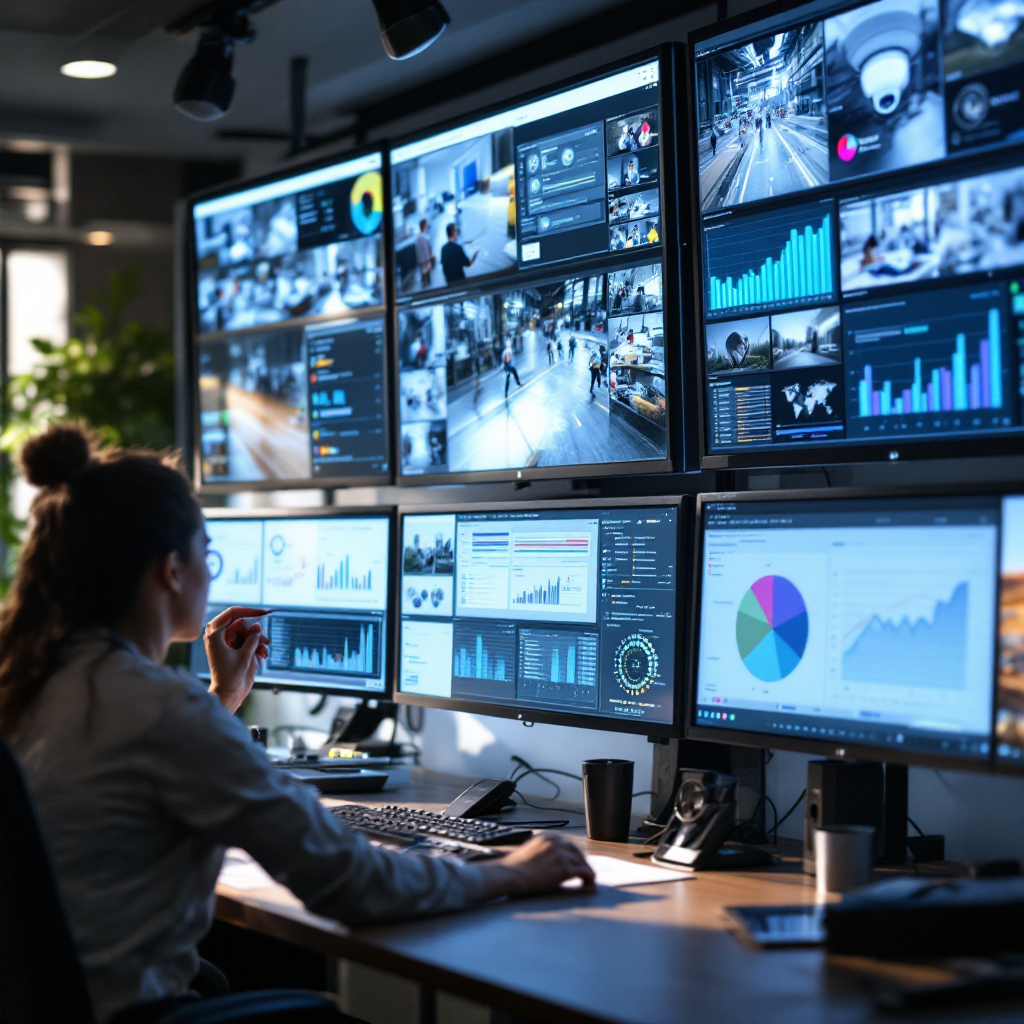
AI agents for PSIM control rooms integrate physical security
types of ai agents in psim for physical security AI is changing how teams run a PSIM control room and how they protect assets. This chapter outlines the common types of AI agent designs, from rule-based scripts to fully autonomous AI systems, and explains how each supports physical security tasks. First, simple rule-based agents filter […]
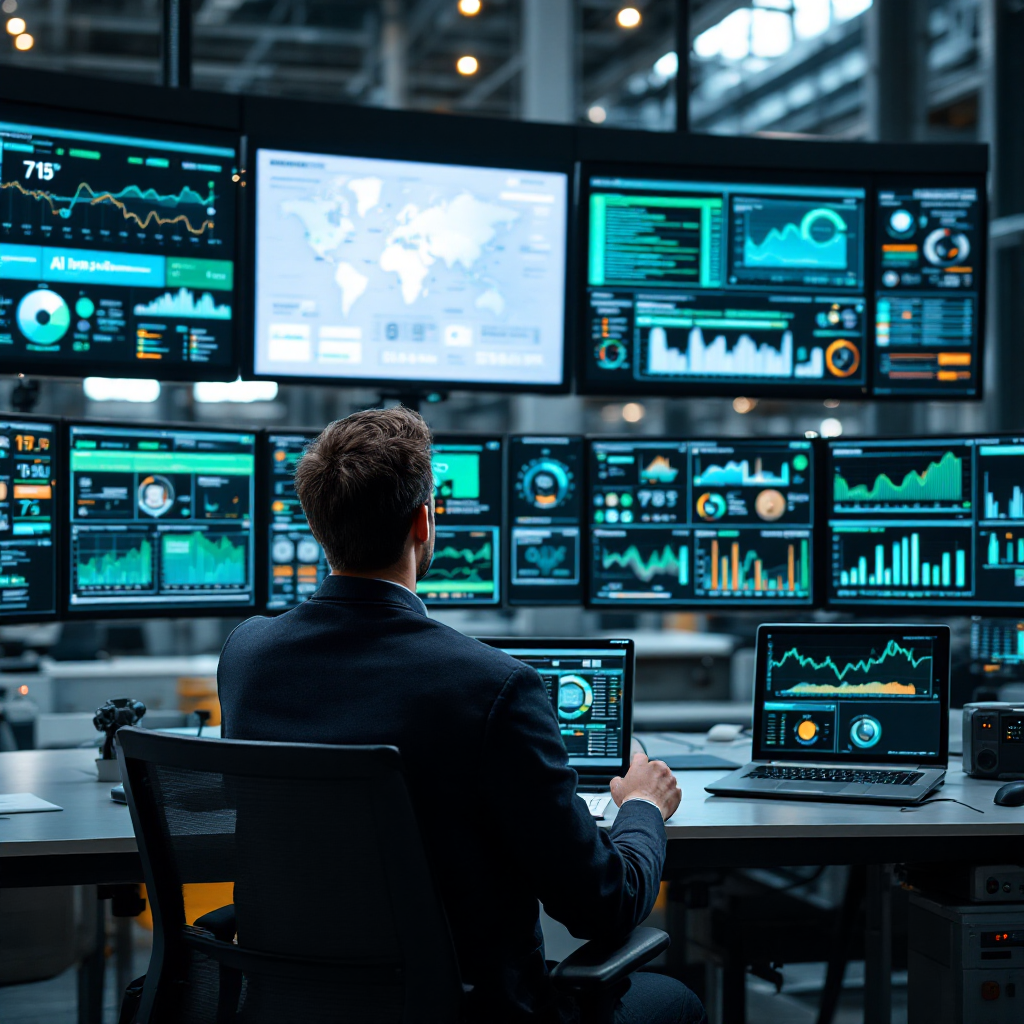
AI agents for industrial control rooms
Understanding ai and automation in industrial environments AI and automation are reshaping how control rooms manage complex industrial processes. First, traditional automation follows fixed rules. It uses pre-set sequences and timers. Second, AI adds adaptive behavior. AI systems learn from data and adjust in near real-time. For example, classic control systems will run the same […]
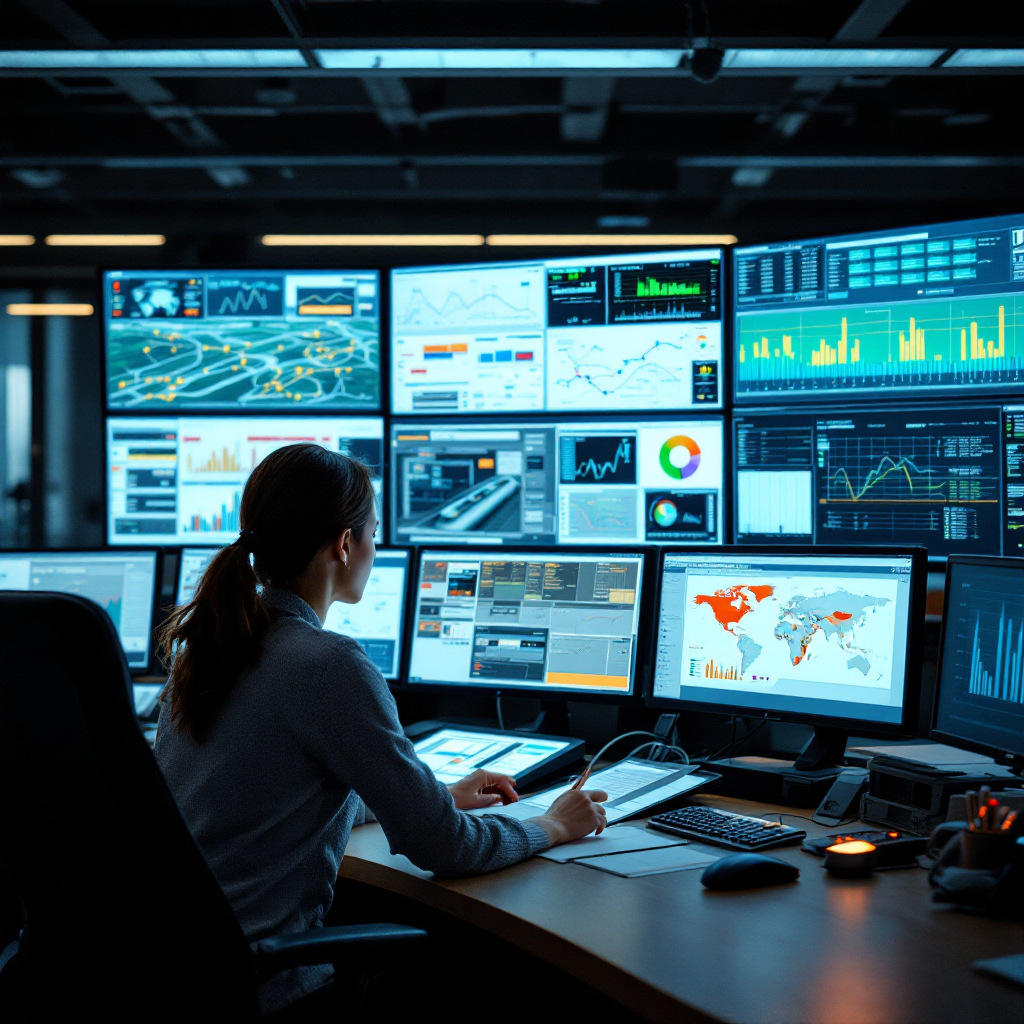
AI Agents for Railway Control Rooms
AI and Railway: Evolution in Control Rooms Digital control rooms have transformed how operators manage train movement and safety. First, they gather telemetry, signals, and CCTV feeds. Next, they present consolidated dashboards that support rapid choices. These spaces now host AI to assist decision making and to improve operational outcomes. The shift from manual signalling […]

AI agents for port control rooms | Honeywell
How AI Agents Work: Understanding AI agent in Port Operations Ports run many concurrent tasks. Port authorities must manage vessel arrivals, cargo movement, security and equipment status. In modern port operations an AI agent acts as a digital assistant. It processes sensor feeds, suggests actions and flags exceptions. AI systems do not replace operators. Instead, […]
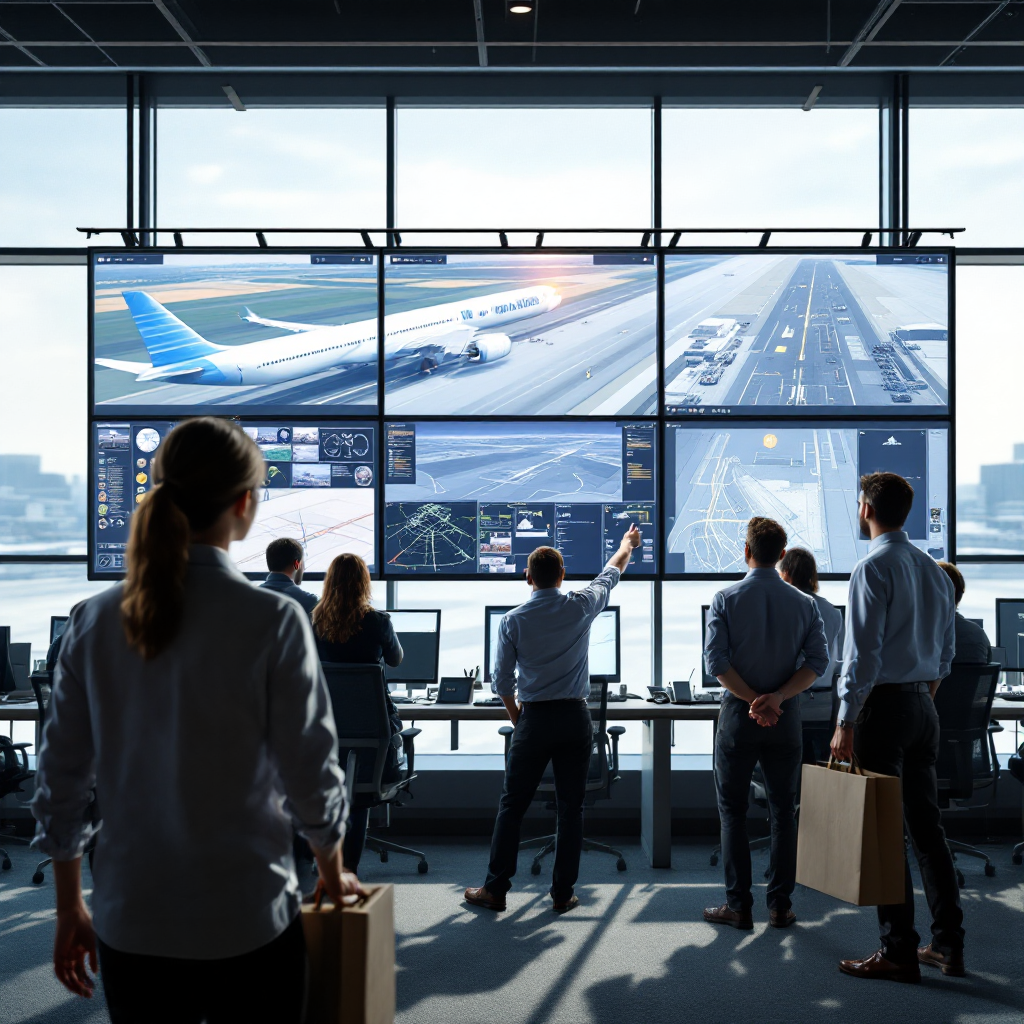
AI Agents for Airport Control Rooms
ai and agentic ai in airport control rooms: revolutionize airline operations First, this chapter introduces core concepts. AI and agentic AI now appear in operational control rooms to help human teams handle growing traffic. AI agents manage routine tasks, share recommendations, and present alternatives. Next, these tools help controllers optimize flight sequencing, de-icing windows, and […]
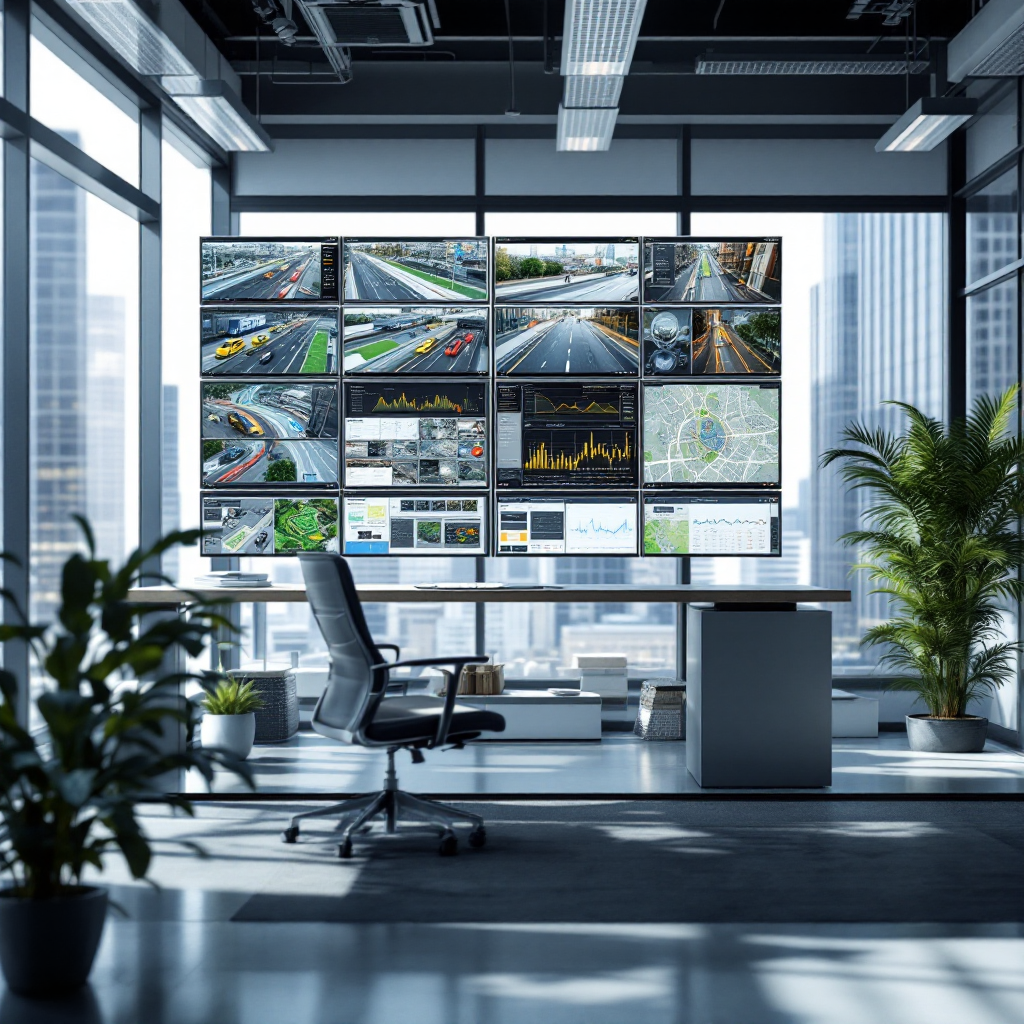
AI agents for smart city control rooms transform cities
ai agent and agents in smart cities: urban planning and process vast amounts Smart city control rooms rely on an AI agent to interpret street-level feeds and sensor outputs. For example, an AI agent can tag traffic incidents, flag overcrowded hubs, and surface trends. Also, the goal is to help urban planners and operators see […]
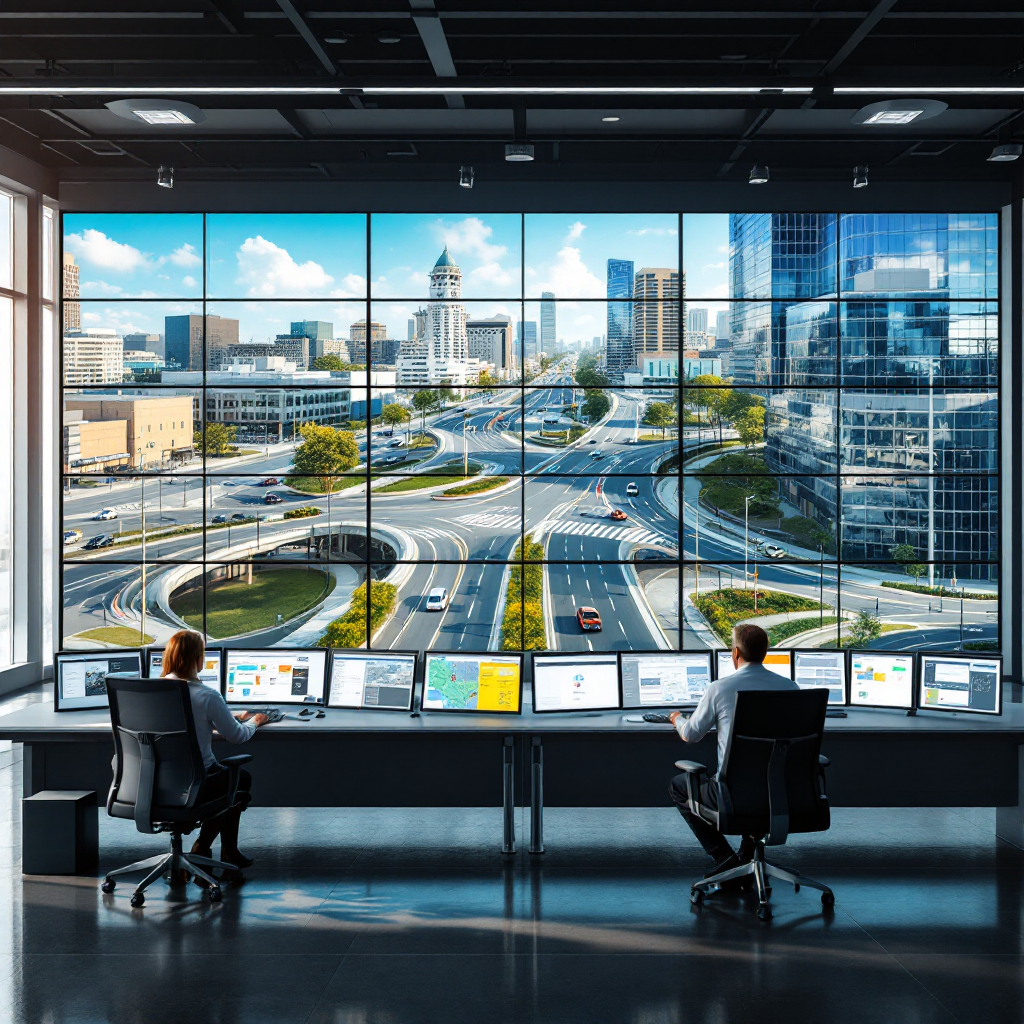
AI Agents for Traffic Control Rooms and Traffic Management
AI and traditional traffic systems: Challenges for control system in traffic management Traditional traffic systems rely on fixed signal timing, scheduled plans, and human operators who adjust settings based on reports. In contrast, AI uses data and models to adapt signals to live demand. First, define what a control system looks like today. It often […]
