


Category: Industry applications

AI agents for critical infrastructure control rooms
AI Agent in Critical Infrastructure Control Room An AI agent is a software component that senses, reasons, and acts, and it can work alongside human operators in a control room to speed detection and response. In a CONTROL ROOM setting the ai agent ingests telemetry and video, and then it correlates signals, and it issues […]
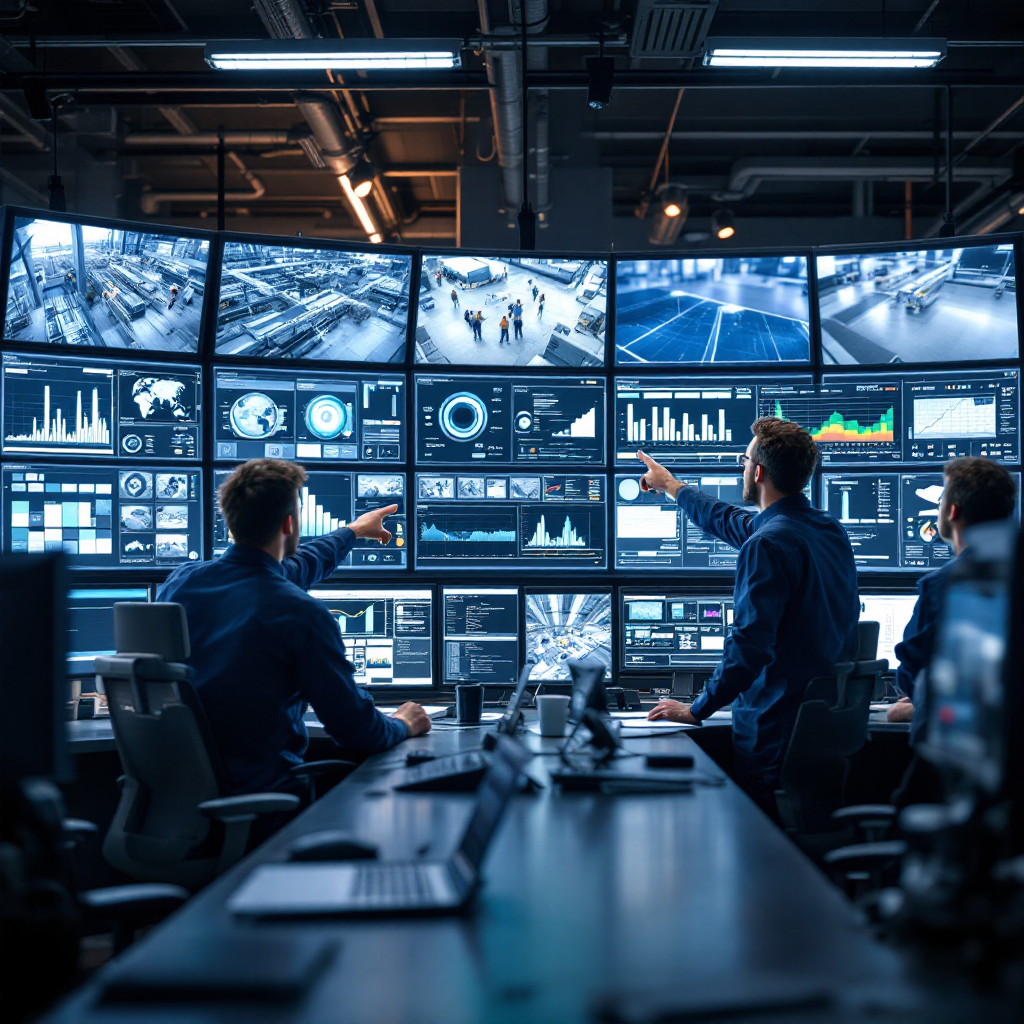
AI agents for operations control rooms
AI agent for real-world control room operations Control rooms monitor critical infrastructure every minute of every day. In this setting an AI agent can analyze real-time streams, flag anomalies, and feed operators with actionable recommendations. First, the platform ingests real-time data from sensors, video, and telemetry. Then, intelligent agents correlate events to reduce false alarms. […]
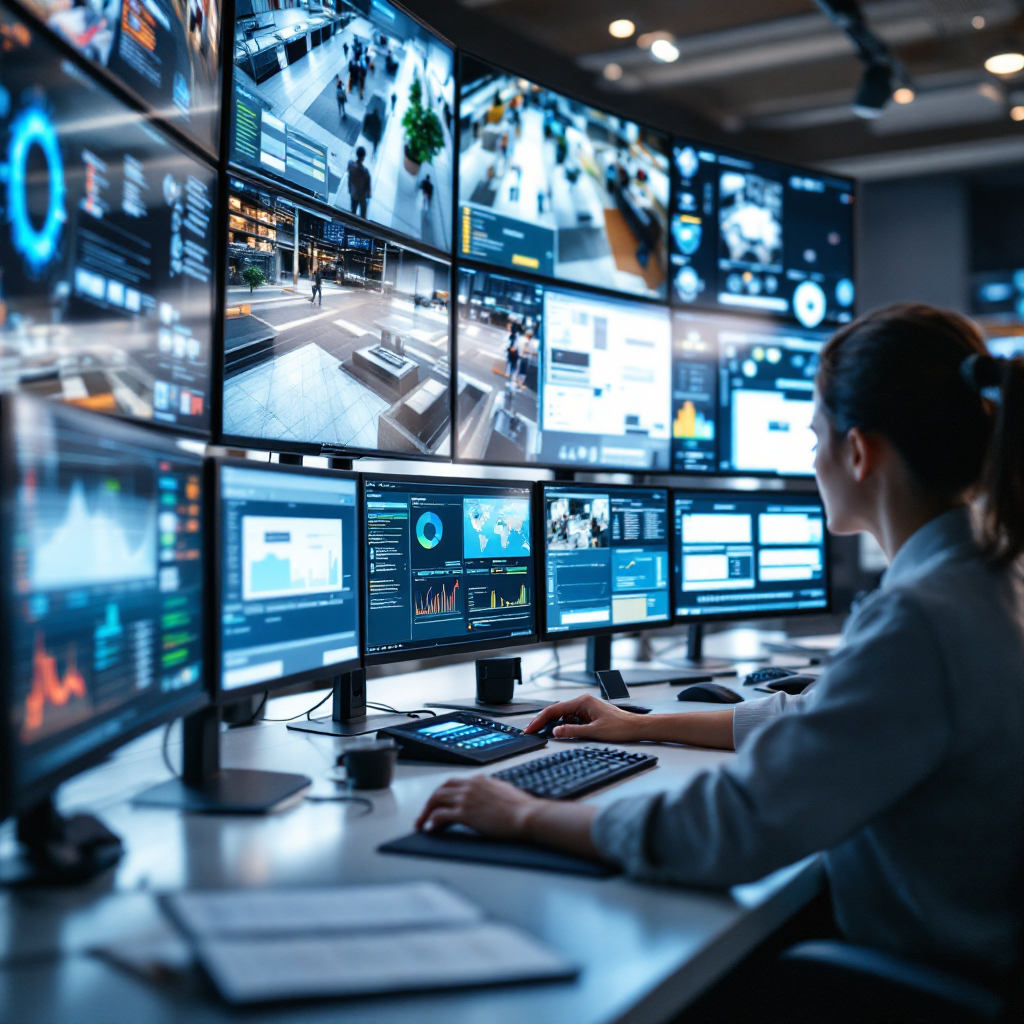
AI Agents for Video Surveillance Control Rooms
The Rise of AI in Video Surveillance: From Traditional Security to AI-powered Video Security has changed fast. First came traditional security and rule-based systems that flagged motion or simple line crossings. Then AI advanced. Now AI-powered video delivers intelligent video insights that transform how teams monitor spaces. AI analyzes camera feeds and turns raw video […]
AI Agents for Video Surveillance Control Rooms
The Rise of AI in Video Surveillance: From Traditional Security to AI-powered Video Security has changed fast. First came traditional security and rule-based systems that flagged motion or simple line crossings. Then AI advanced. Now AI-powered video delivers intelligent video insights that transform how teams monitor spaces. AI analyzes camera feeds and turns raw video […]
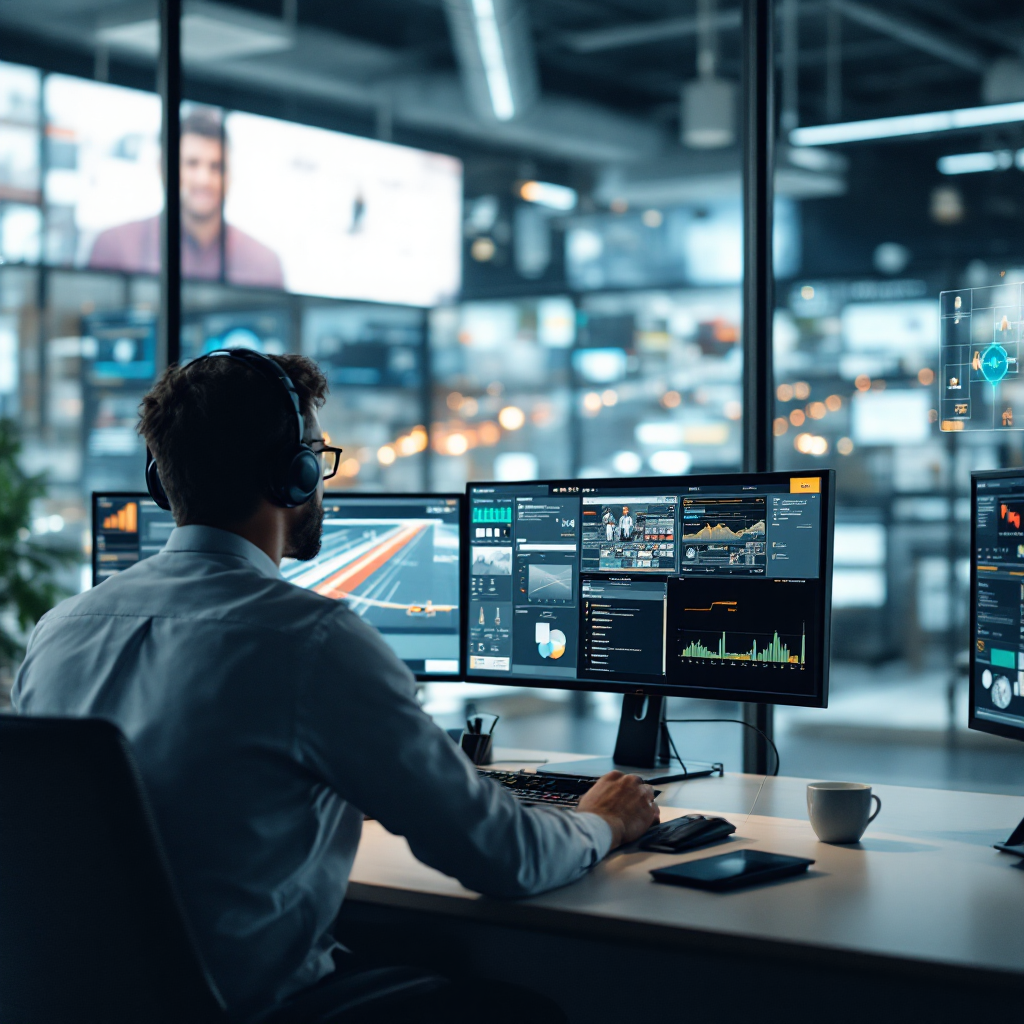
AI agents for CCTV control rooms and video surveillance
AI in Surveillance: The Shift from Traditional Security to AI-Powered Video Surveillance AI in surveillance transforms how organizations maintain situational awareness and respond to incidents. Traditional security relied on human guards, manual patrols, and passive camera recording. By contrast, AI-powered systems analyse streams and surface actionable events. This change means fewer hours of continuous watching, […]
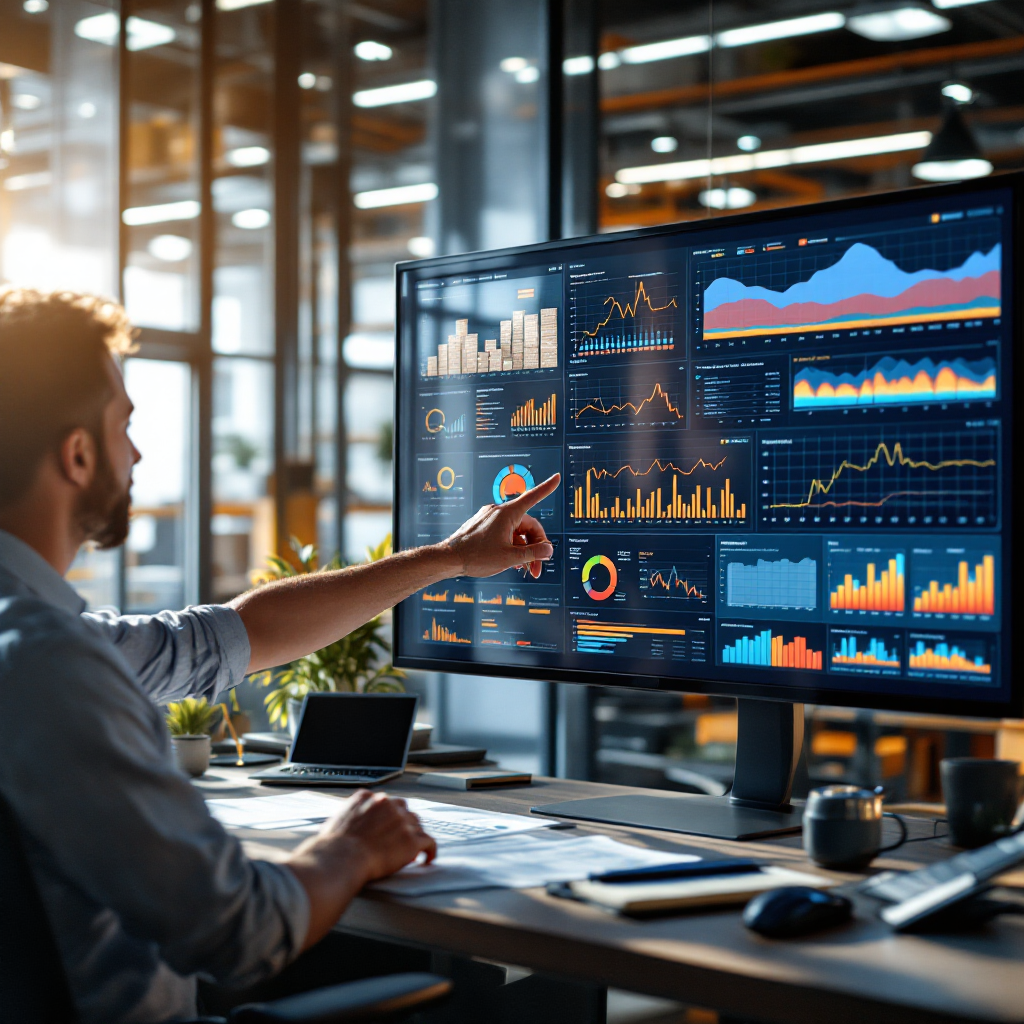
AI agents for security control rooms
ai agent: Strengthening Security Posture in Control Rooms AI transforms the way a control room ingests and interprets video, sensor and access-control feeds. It pulls streams from cameras, parses telemetry from environmental sensors, and correlates logs from access management systems. Then AI classifies events in context so operators get actionable signals not noise. For example, […]
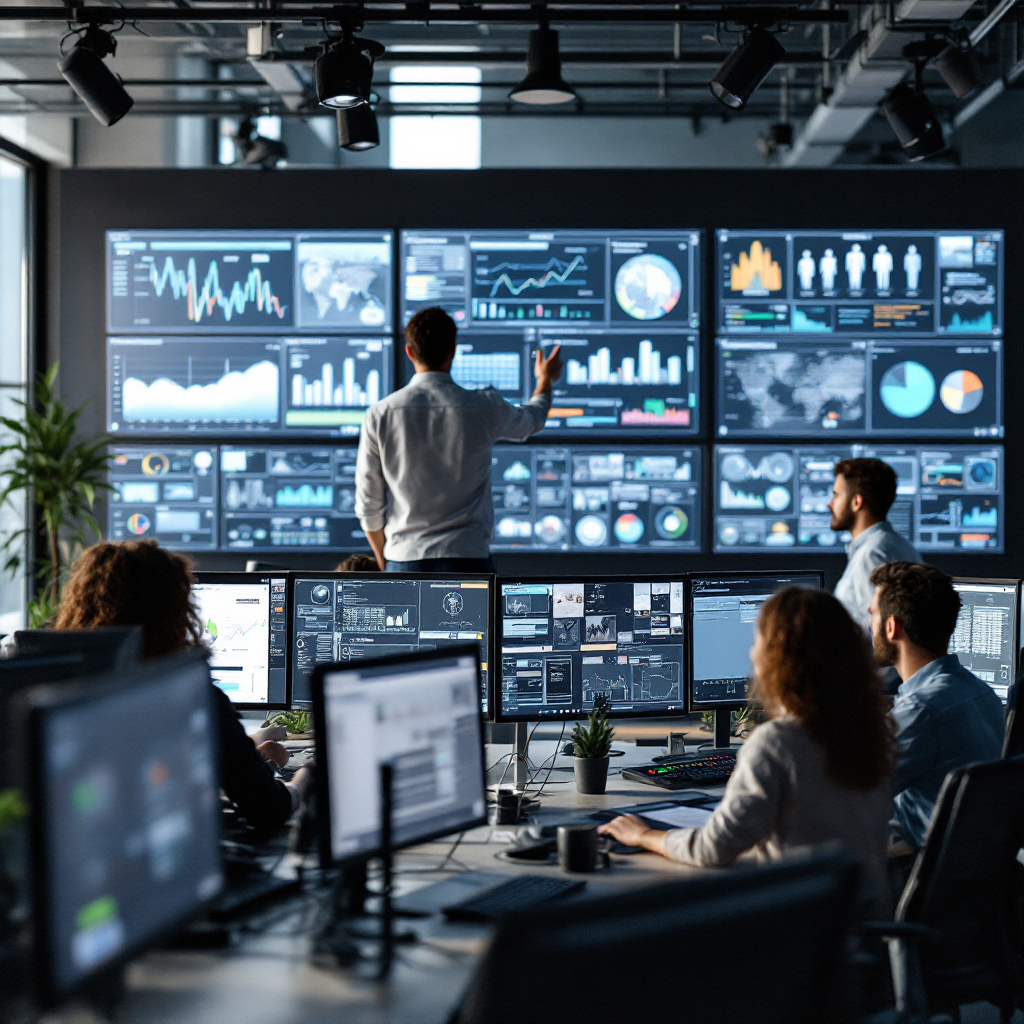
AI agents for control rooms – optimise operations
AI and Enterprise AI: Transforming Control Room Operations AI is changing how teams run a control room. AI powers real-time analysis and it speeds up responses, and it helps operators focus on higher-value tasks. Enterprise AI adds governance, auditability, and operational controls to standard models, and it adapts models to existing production systems. Use cases […]

AI PPE detection in retail: ensure protective equipment use
PPE Detection and AI in Retail PPE detection in retail means using technology to identify when staff and customers wear required items. It covers masks, gloves, safety glasses, safety vests, and other safety gear. Retail operators use this approach to support health rules, protect customers, and enforce safety protocols on the shop floor. AI powers […]
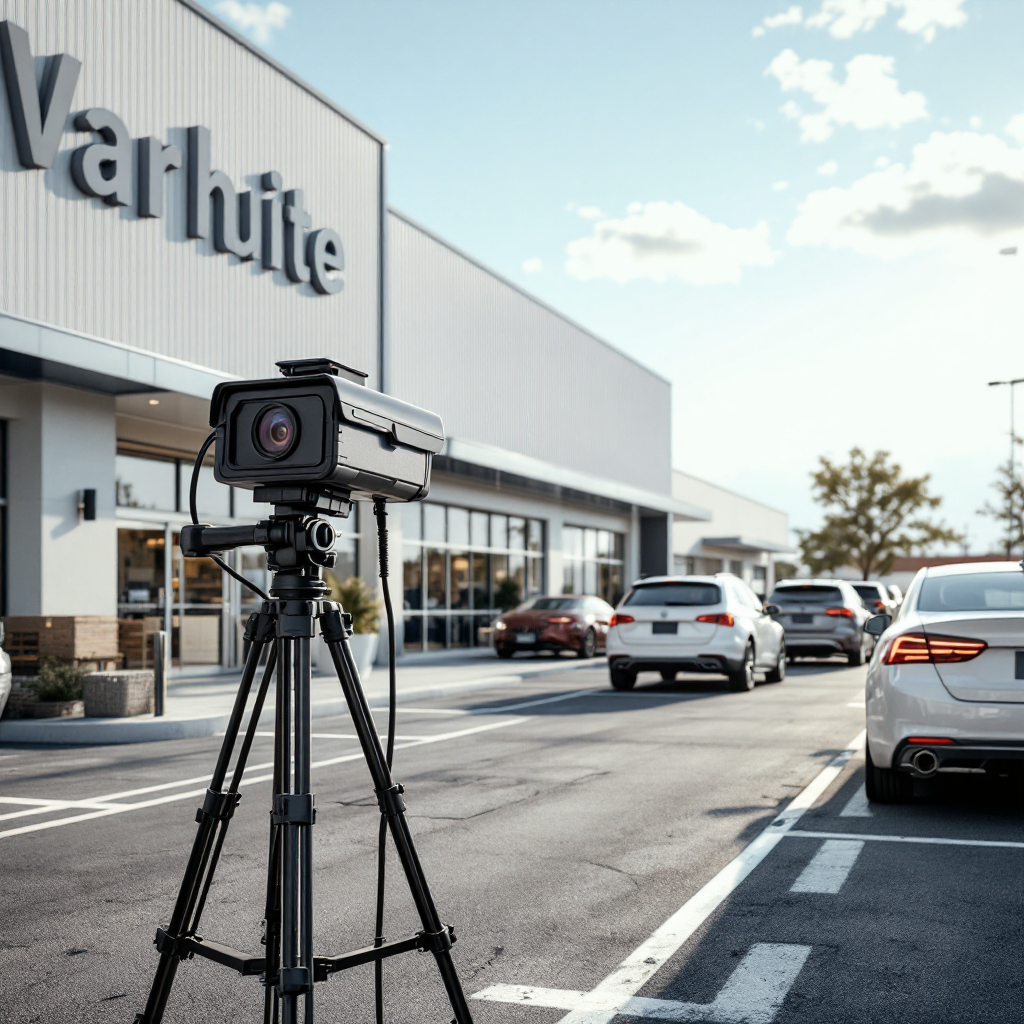
License plate recognition: ANPR / LPR in retail
license plate recognition in retail License plate recognition sits at the intersection of security, operations, and customer service in retail. First, it describes systems that read vehicle license plates automatically. Next, it links visual data to store workflows. Also, it captures plate numbers at entry points. Retailers are increasingly focused on practical deployments that save […]

Thermal people detection in retail: people counting system
people counting technologies Retail sensor technology now spans several modalities, and retailers choose among them based on site needs, cost, and privacy rules. Thermal imaging and video analytics sit alongside wi-fi and beam solutions, and each type has trade-offs for accuracy and setup. Thermal offers heat-only detection, and video analytics uses image frames to classify […]
