


Category: Industry applications
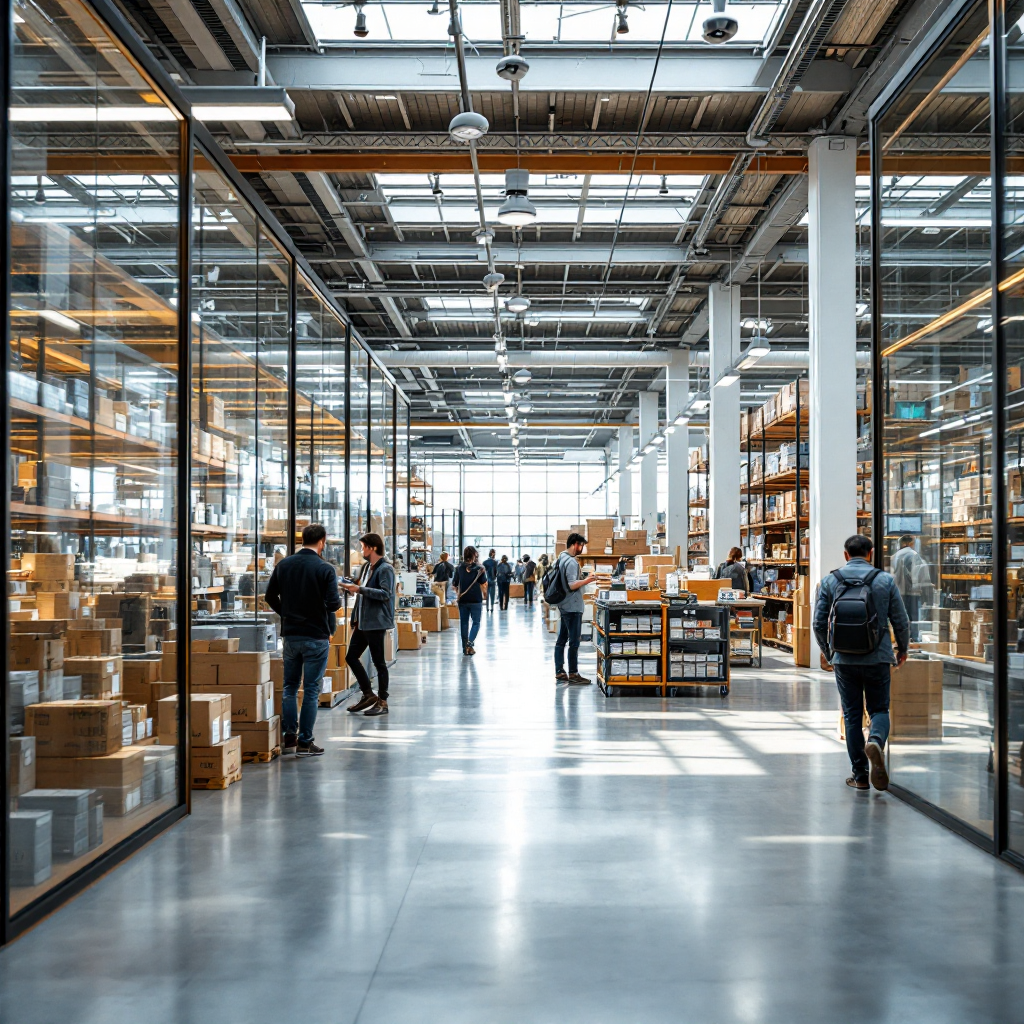
AI people counting system for retail store
Understanding AI and people counting technology in a retail store AI-powered people counting technology combines intelligent models, cameras, and sensors to generate actionable count data in a retail store. At a basic level, a video camera or Time-of-Flight people counting sensor captures images or depth frames. Then AI and deep-learning models process those streams to […]
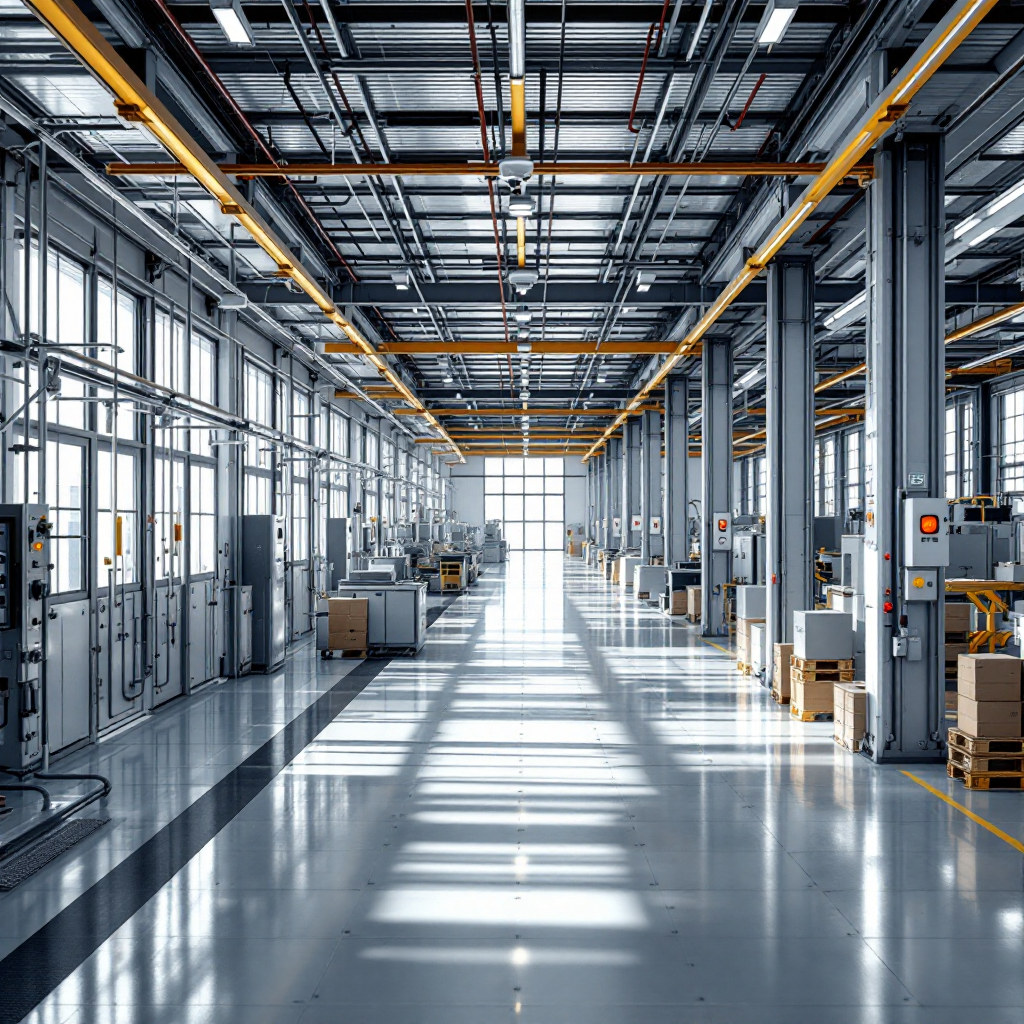
Smoke and Flame Detection in Manufacturing Facilities
Understanding detection and sensor fundamentals in manufacturing safety Early detection saves lives and reduces losses in industrial facilities. First, operators need clear early detection strategies for an industrial fire. Also, managers must prioritise continuous monitoring where combustible materials, high temperatures, or hydrocarbon processes exist. For example, large warehouses and production floors often host electrical panels, […]
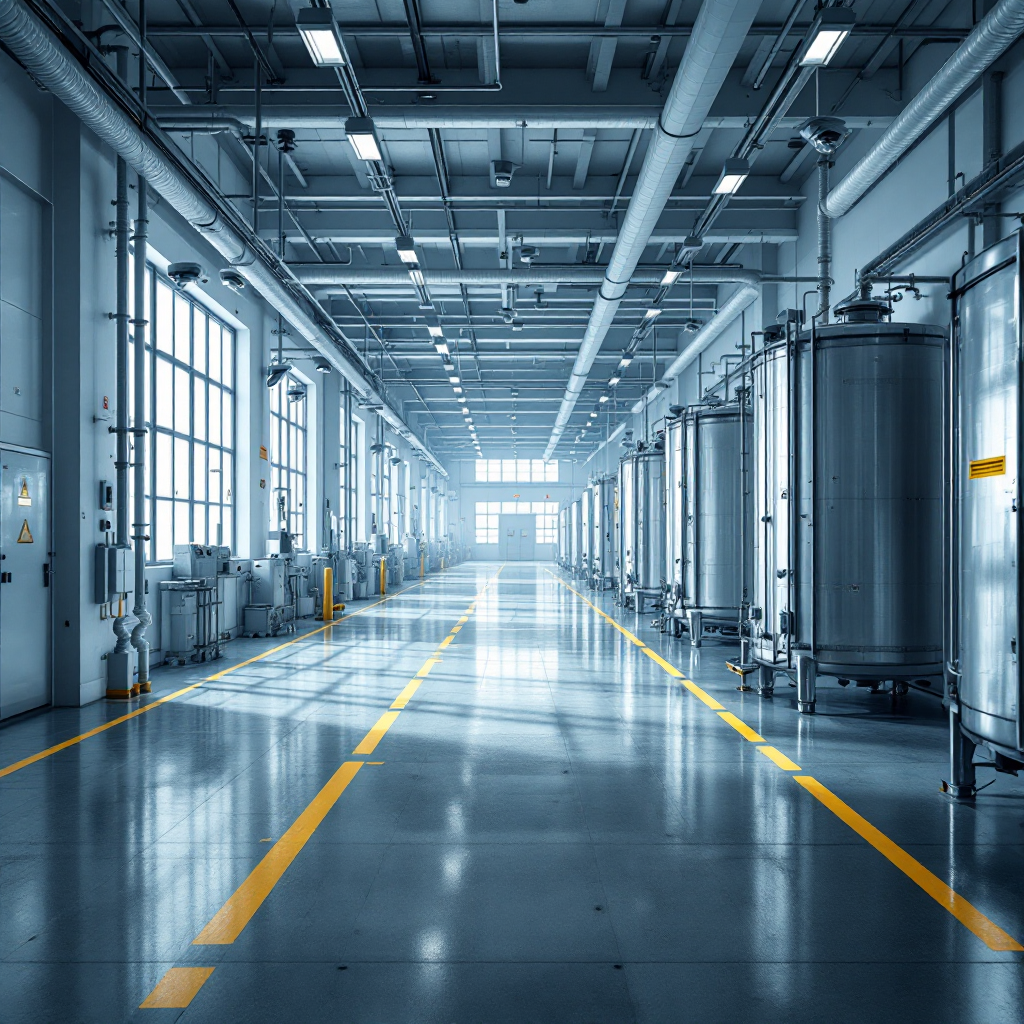
Spill and leakage detection in manufacturing
industrial environments: leak hazards and impacts Industrial environments handle many PROCESSING tasks that involve HAZARDOUS liquids. For example, chemical MANUFACTURING and fuel handling sites store acids, solvents and oils. As a result, undetected leaks can lead to environmental contamination, serious health risks for workers and lengthy downtime. When a SMALL LEAK escapes a drum or […]
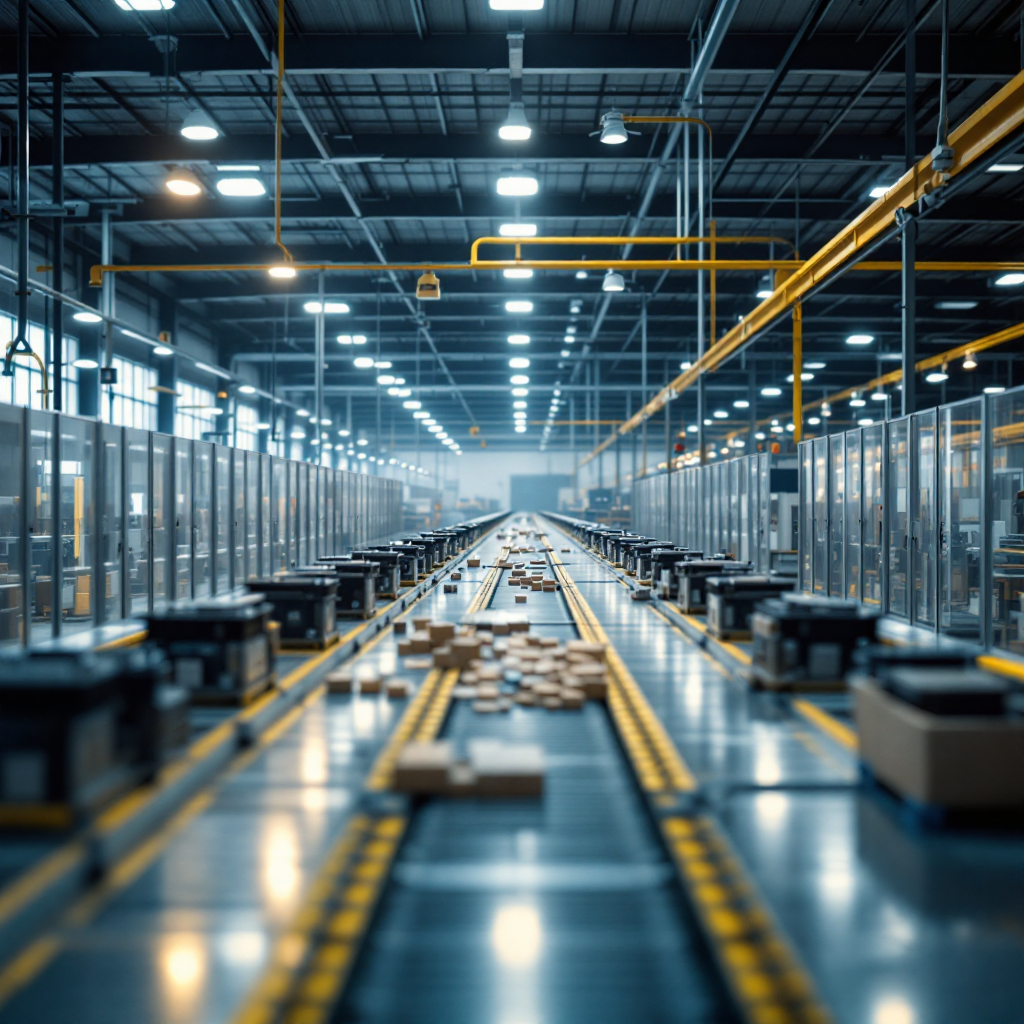
Queue detection in manufacturing reduces wait times
queue: Identifying Bottlenecks and Their Causes In manufacturing, a queue describes work-in-progress accumulation at a station. A queue appears when items wait for processing because the downstream capacity cannot keep pace. First, identify the station where jobs in the queue pile up. Next, map the process step by step. Then, collect timestamps for arrivals and […]
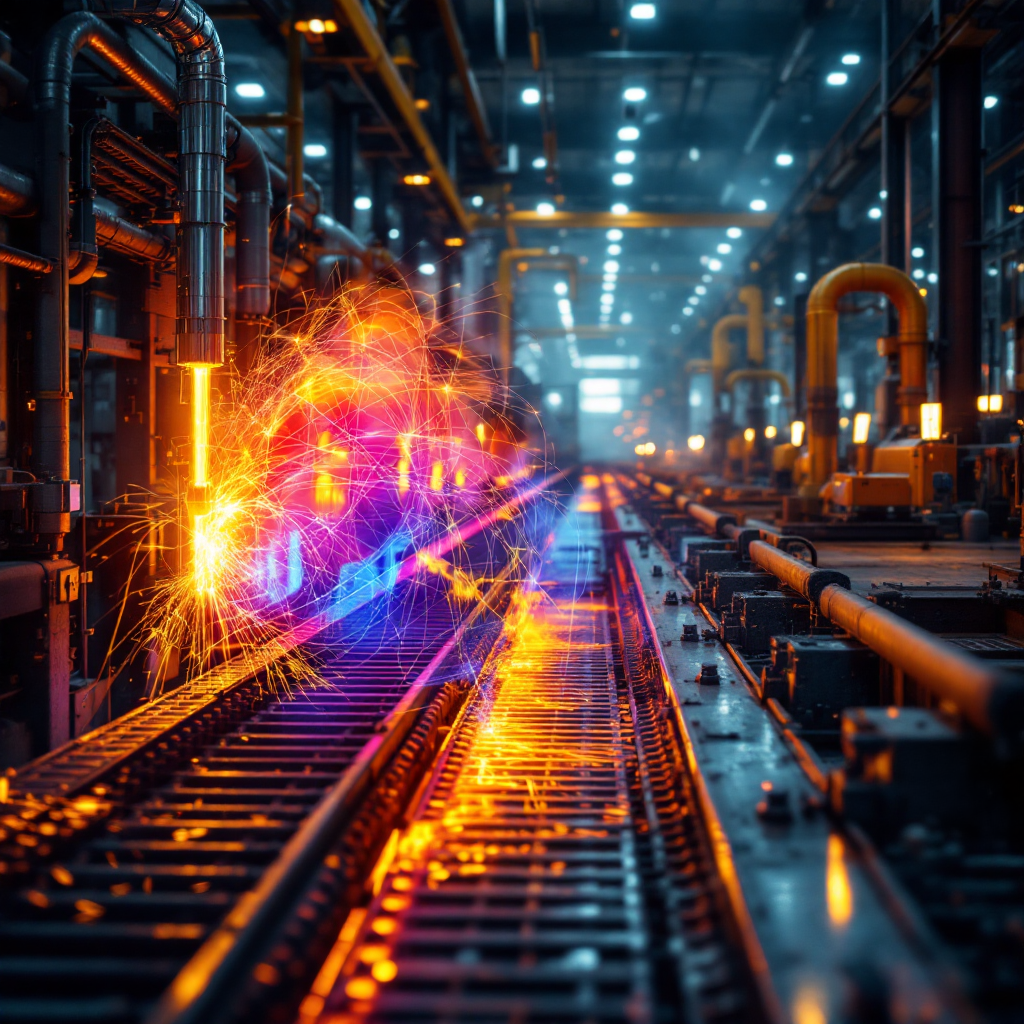
Thermal imaging for hotspot detection in manufacturing
thermal, thermal image and infrared in industrial process Thermal sensing plays a core role in modern industrial process control. First, thermal cameras capture infrared radiation and turn it into a thermal image that operators can read at a glance. Next, the sensor measures the infrared radiation by wavelength and then the system maps that energy […]
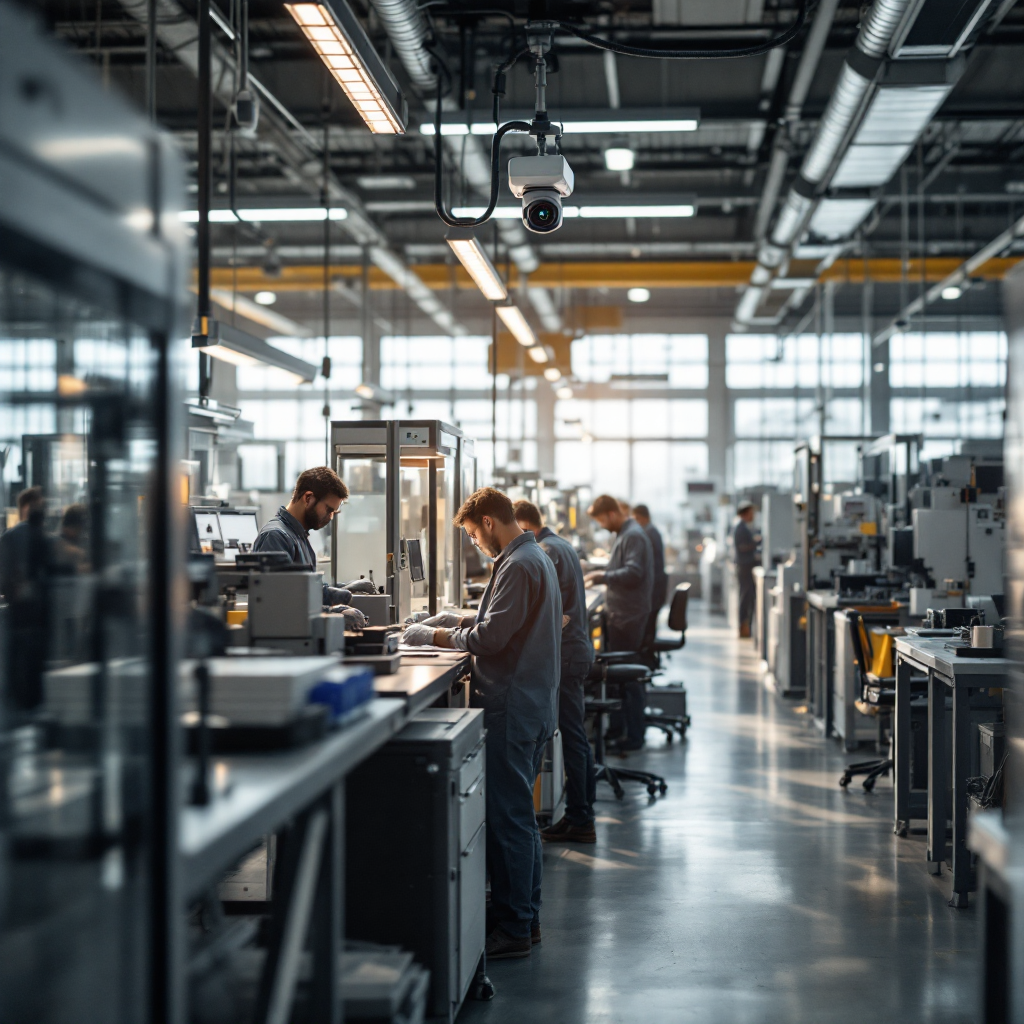
Metrics and KPIs for manufacturing productivity tracking
manufacturing kpis and metrics Manufacturing KPIs and metrics are quantifiable measures that align with operational and strategic goals. They translate shop-floor activity into numbers. They help teams act quickly, correct problems, and plan investments. In short, these metrics tell managers what to improve and where to focus. Companies often group measurements by efficiency, quality, delivery, […]
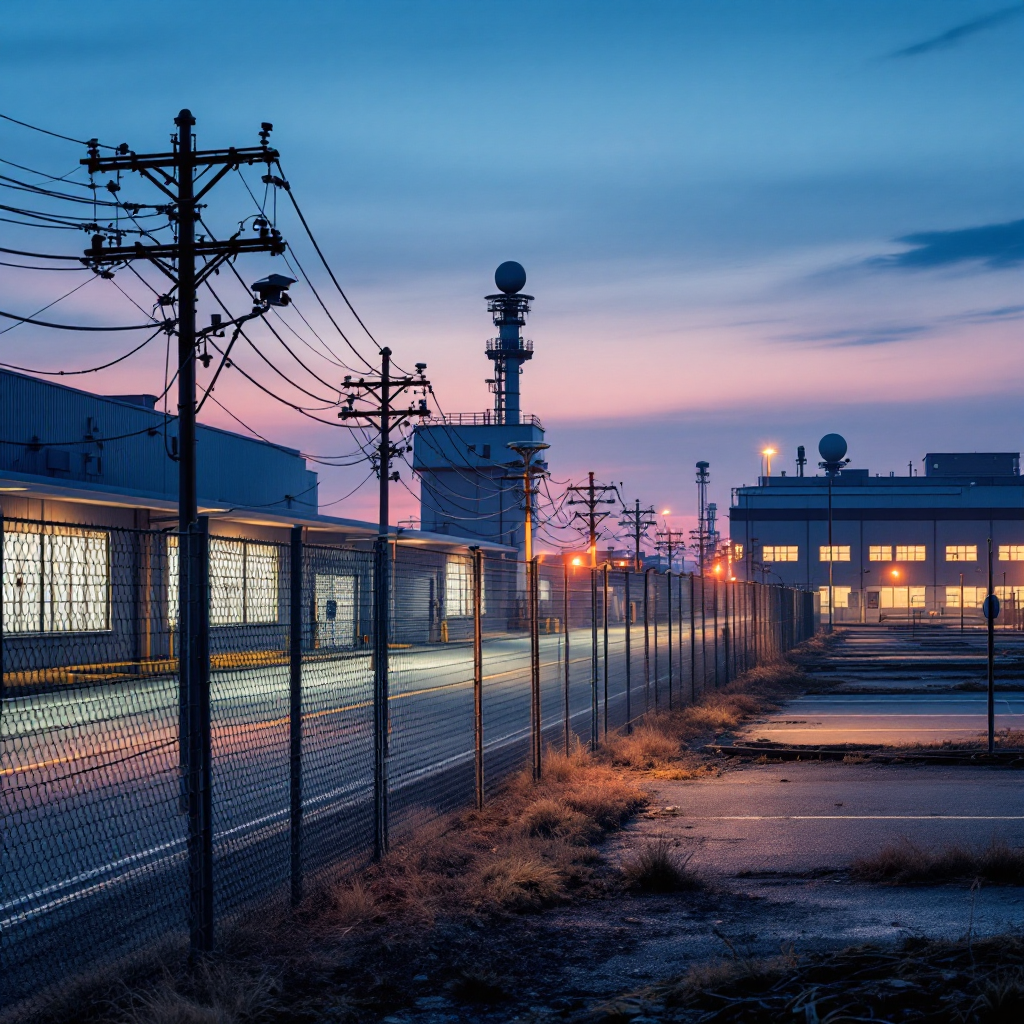
Perimeter breach detection in manufacturing
Perimeter security: Understanding perimeter threats in manufacturing Manufacturing facilities face a growing range of perimeter threats. First, facilities attract attention because they hold valuable intellectual property and critical production lines. For example, manufacturing accounted for 26% of all cyberattacks in 2025. Second, attackers mix physical intrusion with cyber techniques to cause disruption. As a result, […]
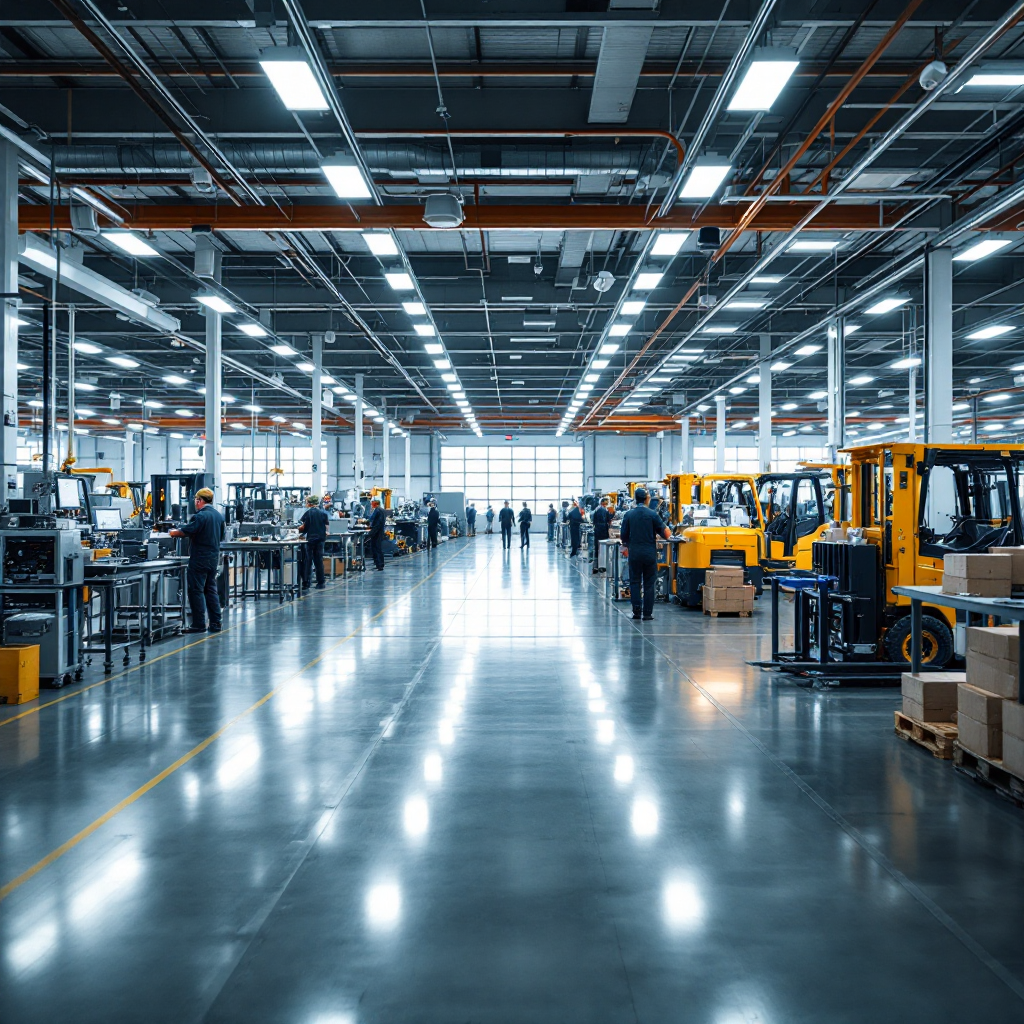
Occupancy analytics heatmap for manufacturing insights
Understanding occupancy analytics: occupancy and analytics in manufacturing Occupancy analytics brings clarity to factory floors, and it does so by combining people counts, movement patterns, and contextual data. In a manufacturing setting occupancy means the presence and location of workers, equipment, and materials within a defined area. Analytics then converts those raw counts into trends, […]
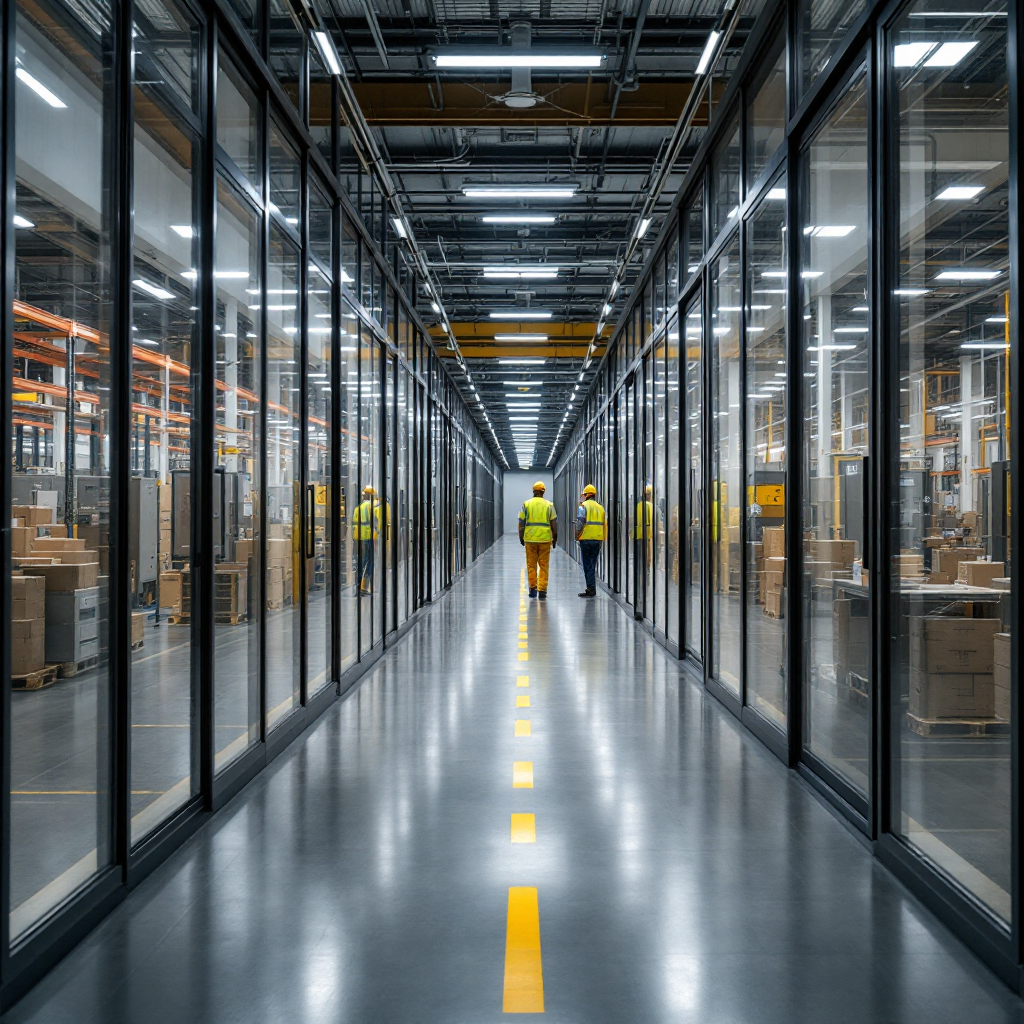
Prevent slip, trip and fall in manufacturing
Statistics of Trips and Falls in Manufacturing Workplace Slips, trips and falls shape a large share of manufacturing harm. They rank high among causes of workplace injury and they cost businesses time and money. For example, a government source stated that these events made up roughly 27.5% of work-related injury claims that led to time […]
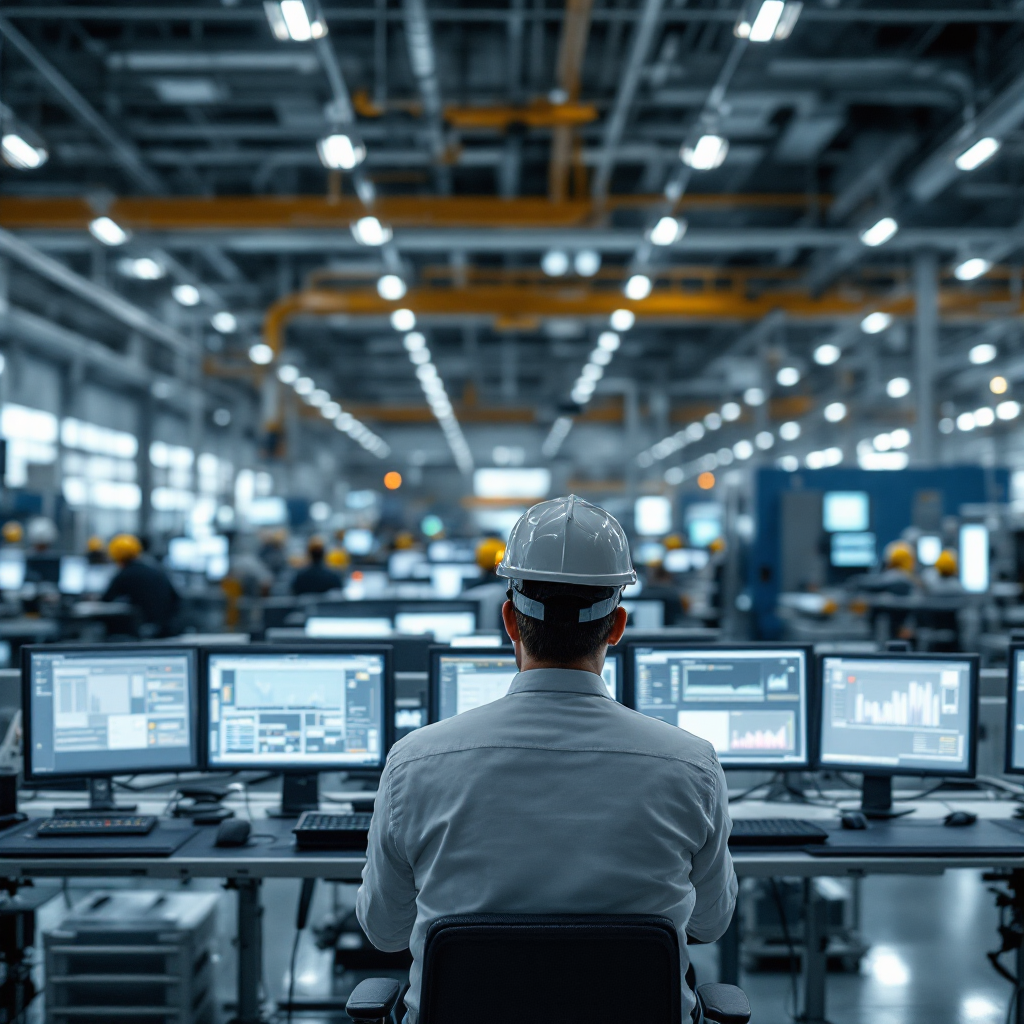
Access and unauthorised access detection in manufacturing
Chapter 1: Understanding risks in manufacturing in the manufacturing sector First, modern factories now blend physical gear with digital systems. Also, that shift creates new exposure for manufacturing operations. Additionally, the manufacturing sector has moved toward cyber-physical systems and connected control panels. For example, many sites run older control equipment alongside IT networks. Next, this […]
