


Category: Industry applications
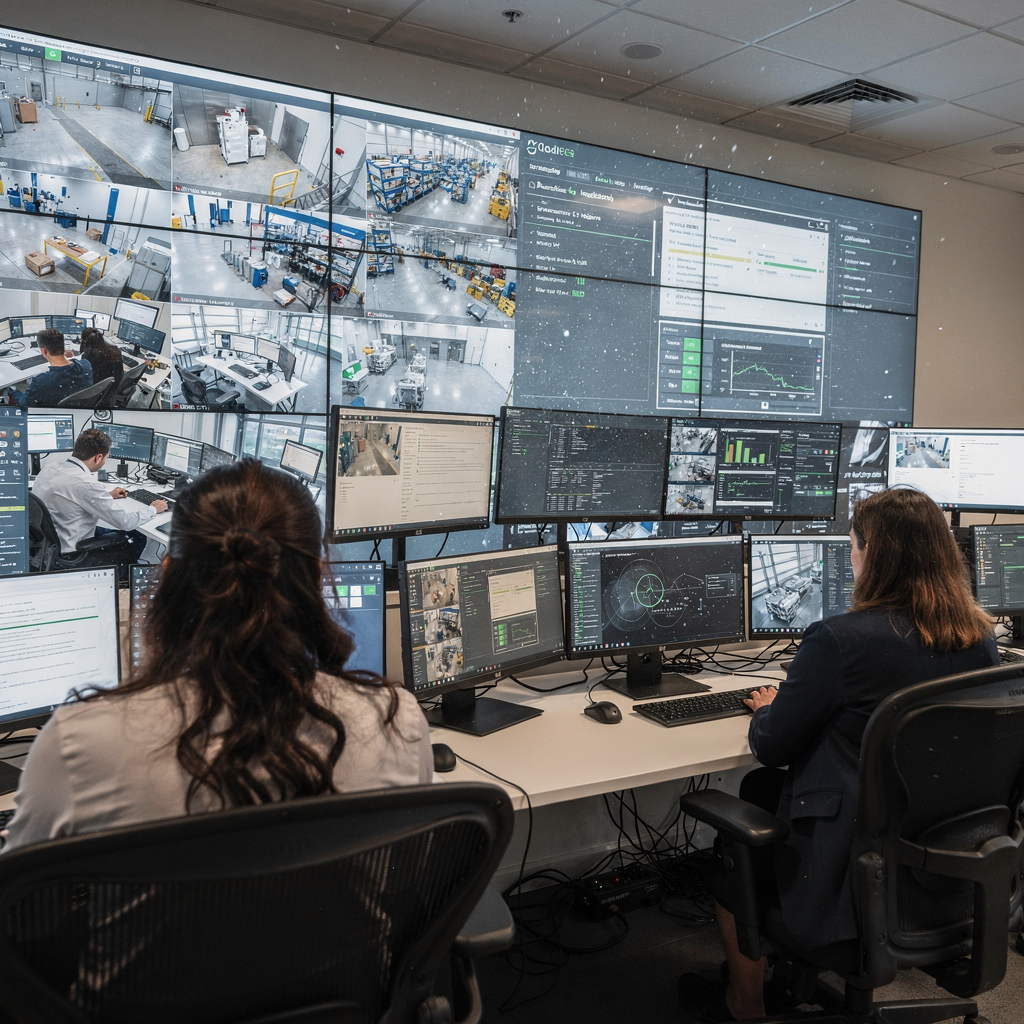
Bosch forensic AI video search and analytics
Bosch Video Management System Overview The Bosch Video Management System gives organisations a single place to manage cameras, streams, and events. It centralises camera feeds and metadata and it simplifies how teams monitor, search, and act. BVMS supports both live and recorded video and scales from small sites to enterprise deployments. The system coordinates feeds […]

AI video analytics with Bosch BVMS AI agents
Introduction to AI Video Analytics in Bosch Video Management AI video analytics are the backbone of modern surveillance. They combine machine learning, computer vision, and event orchestration to turn raw feeds into alerts, summaries, and context. At its core, this approach uses algorithms to classify objects, to track movement, and to flag unusual behavior in […]
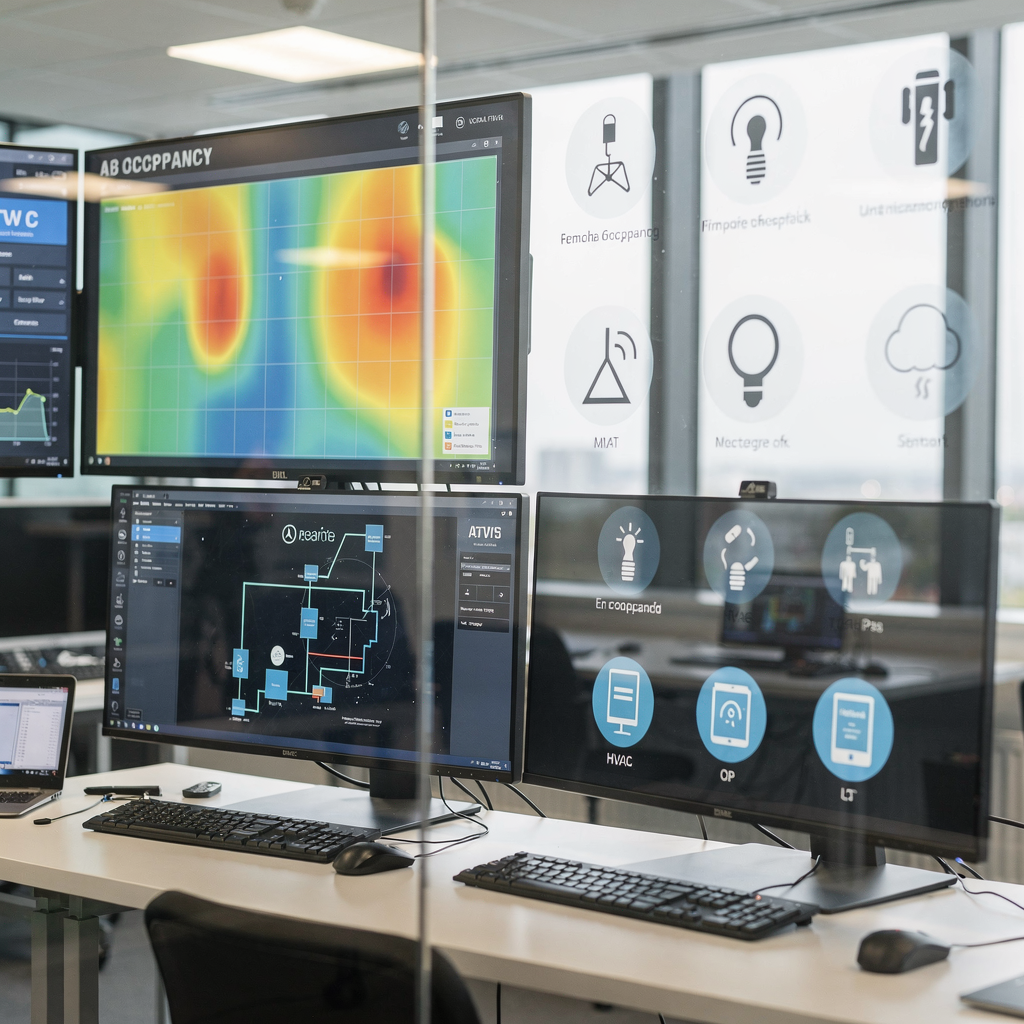
AI automation for Bosch control rooms
AI: Basics of AI in Control Rooms AI has become central to modern control rooms. It helps operators sense events, prioritize tasks, and act faster. In industrial operations, AI systems run continuously and flag anomalies before they escalate. For example, anomaly detection watches sensor streams and video feeds to spot unusual patterns. This function reduces […]

AI agents for Bosch BVMS video analytics
bosch video management system Bosch Video Management System (BVMS) 13.0 presents a centralized platform for video, audio and data that helps organisations run modern video security and operations. BVMS 13.0 acts as a single control layer for cameras, integrations and analytics, and it supports distributed sites with a single management plane. The architecture scales to […]
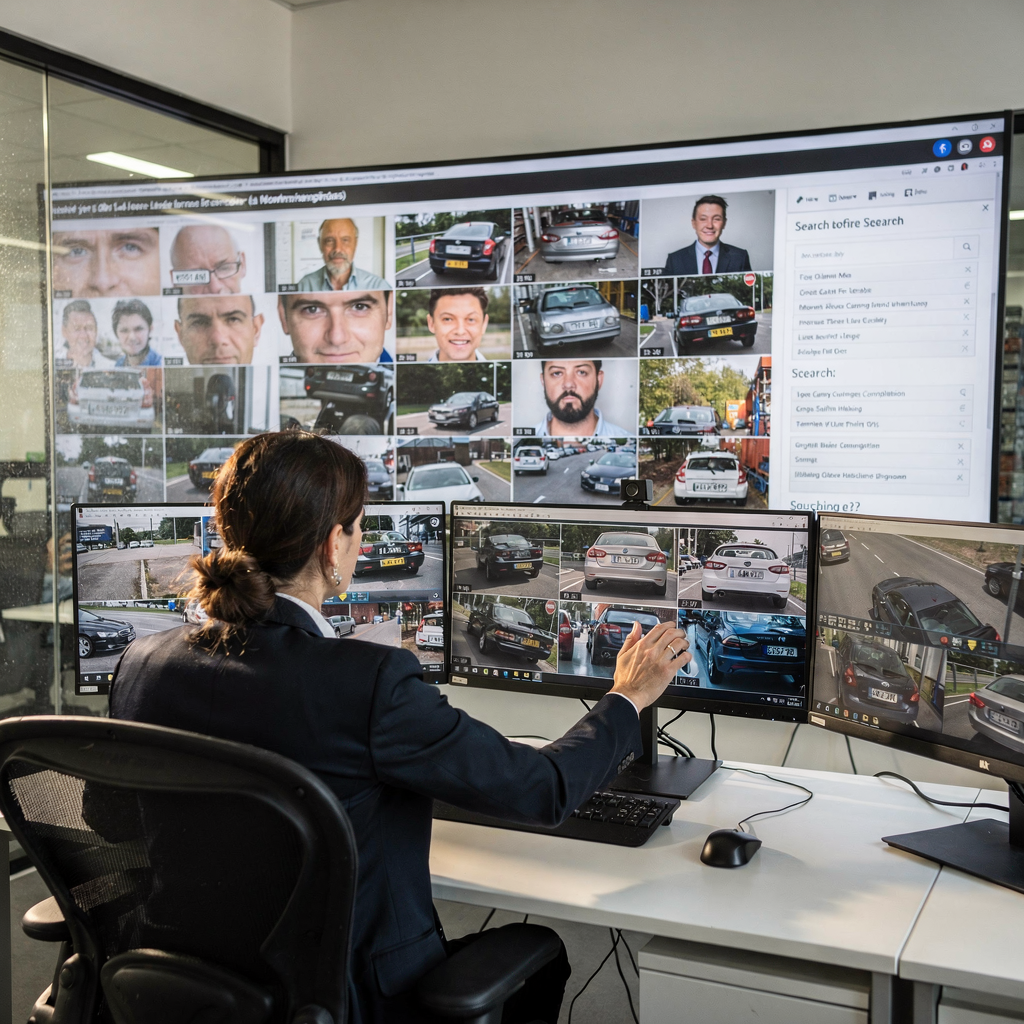
Axis forensic video search for Genetec
Chapter 1: axis devices and axis camera Axis devices and sensors form the backbone of modern deployments, and they work closely with VMS and third-party tools. For organisations that need robust video management, the choice of device affects capture quality, metadata richness, and long-term retention. axis communications designs product families that span edge cameras, door […]
Axis Camera Station AI Agents for Video Surveillance
axis camera station and ai-based analytics solution for video surveillance efficiency Axis Camera Station is a purpose-built video management software that pairs tightly with AXIS network cameras to provide an integrated surveillance solution. First, it collects streams from edge devices. Next, it consolidates live feeds and recorded video into a single, searchable user interface. Then, […]

AI automation for Axis control rooms
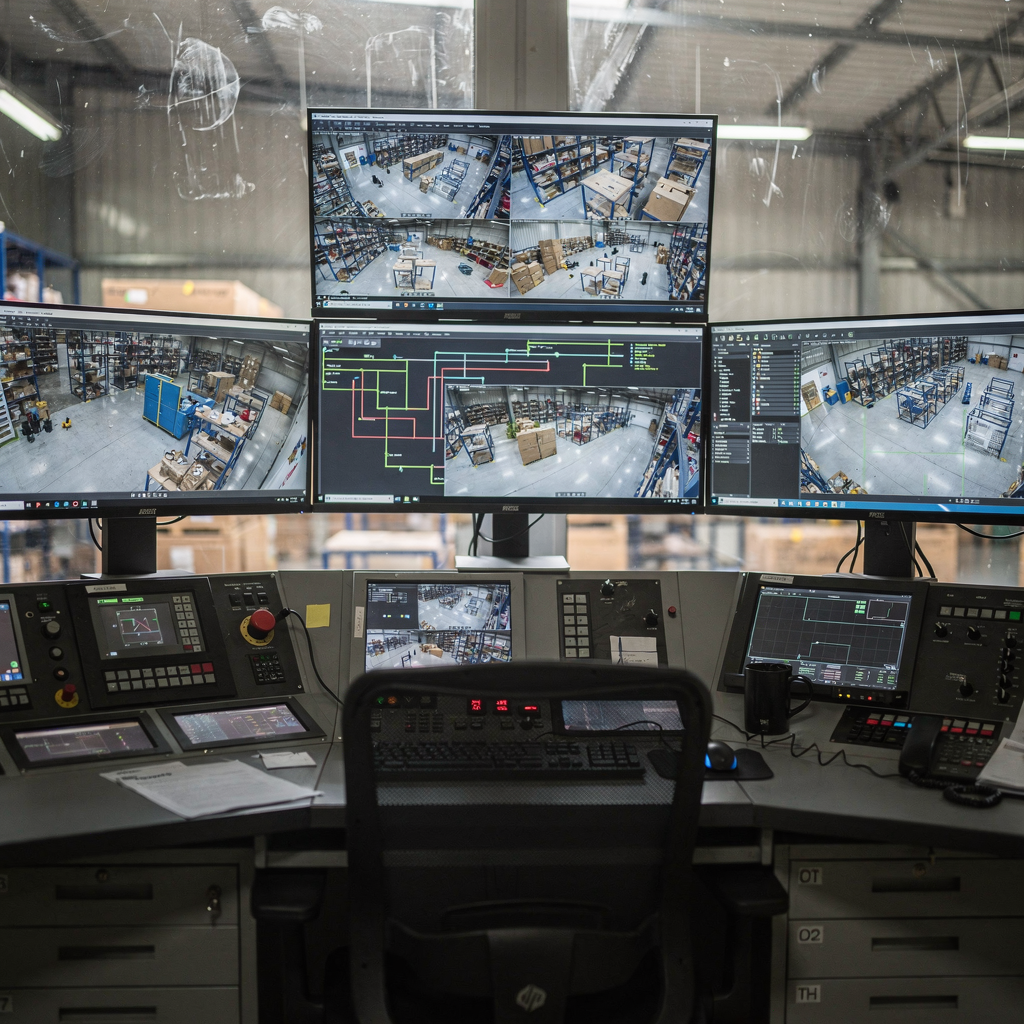
axis axis control rooms form the nerve center of critical infrastructure. They manage manufacturing lines, energy grids, and transport hubs. In practice, an axis control room combines operator consoles, live video, sensor feeds, and networked control systems. For example, operators view camera views and telemetry on a single wall or on multiple monitors. Axis control […]

AI assistant for Axis Camera Station
Deploy axis camera station with an intuitive installation, hardware setup and license management Installing Axis Camera Station starts with a clear plan. First, list the number of camera units you will manage and pick a server or edge device that meets load expectations. Then, choose compatible Axis network cameras that match your scene complexity, frame […]

AI agents for multi-VM control room automation
Deploy Multi-Agent: ai agent in multi-agent systems First, design a clear architecture. Next, label components so teams can reason about them. For multi-agent systems the base pattern is simple. One coordination layer manages many worker agents. Each worker runs on a virtual machine or on an edge device. Then, an AI agent can handle video […]
AI Agents for Genetec and Milestone Environments
AI and video management in genetec Genetec’s Security Center offers a unified view of physical security and video. It was designed to unify video, access control, and more in a single pane. Security Center integrates cameras and alarms and it can host AI modules that extend traditional video management. By adding AI, operators gain tools […]
