


Category: Industry applications
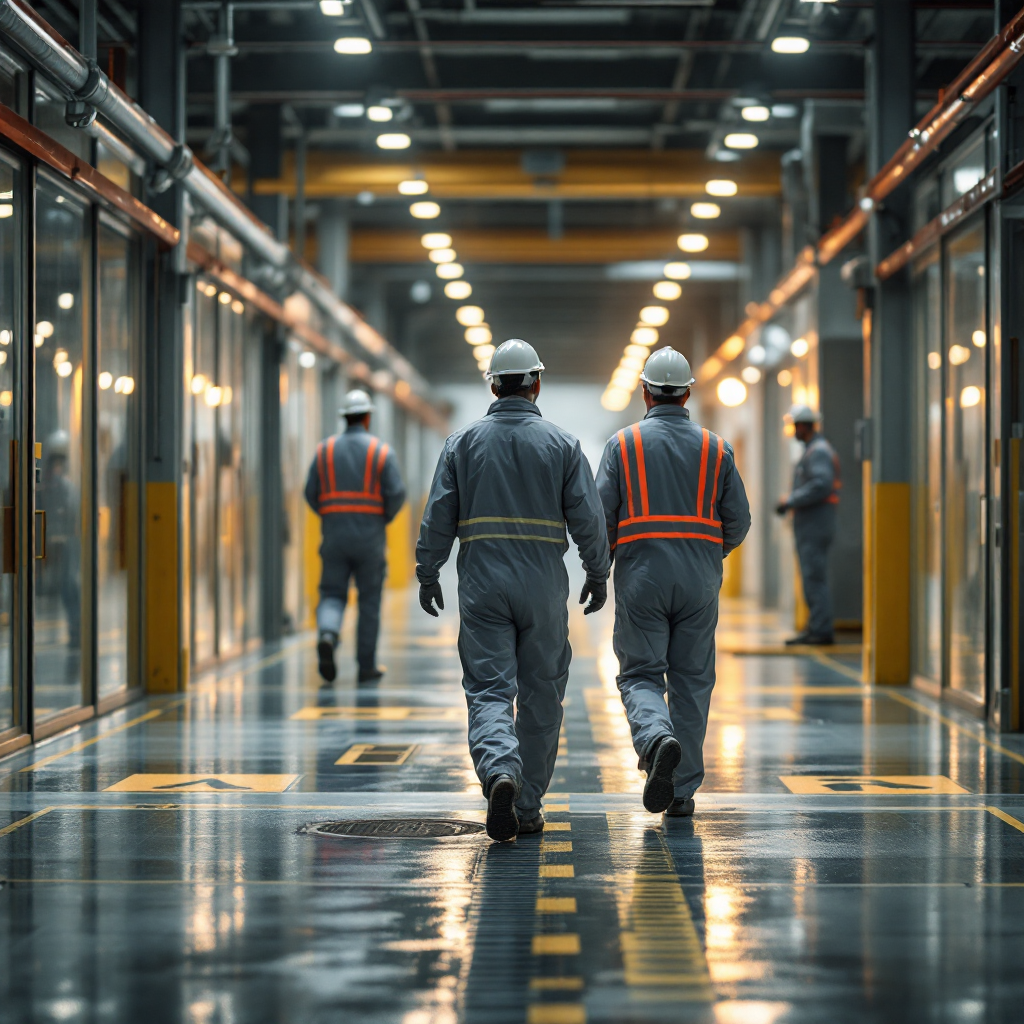
Workplace safety AI slip and fall detection in wet zones
Industrial Safety: Trip and Fall Hazards in Wet Zones Wet zones are work areas where moisture, water, or condensation is common, and where wet floors and reduced traction create elevated risk for trips and falls. In industrial environments such as food processing, docks, and chemical plants, wet floors and slick surfaces increase the chance that […]
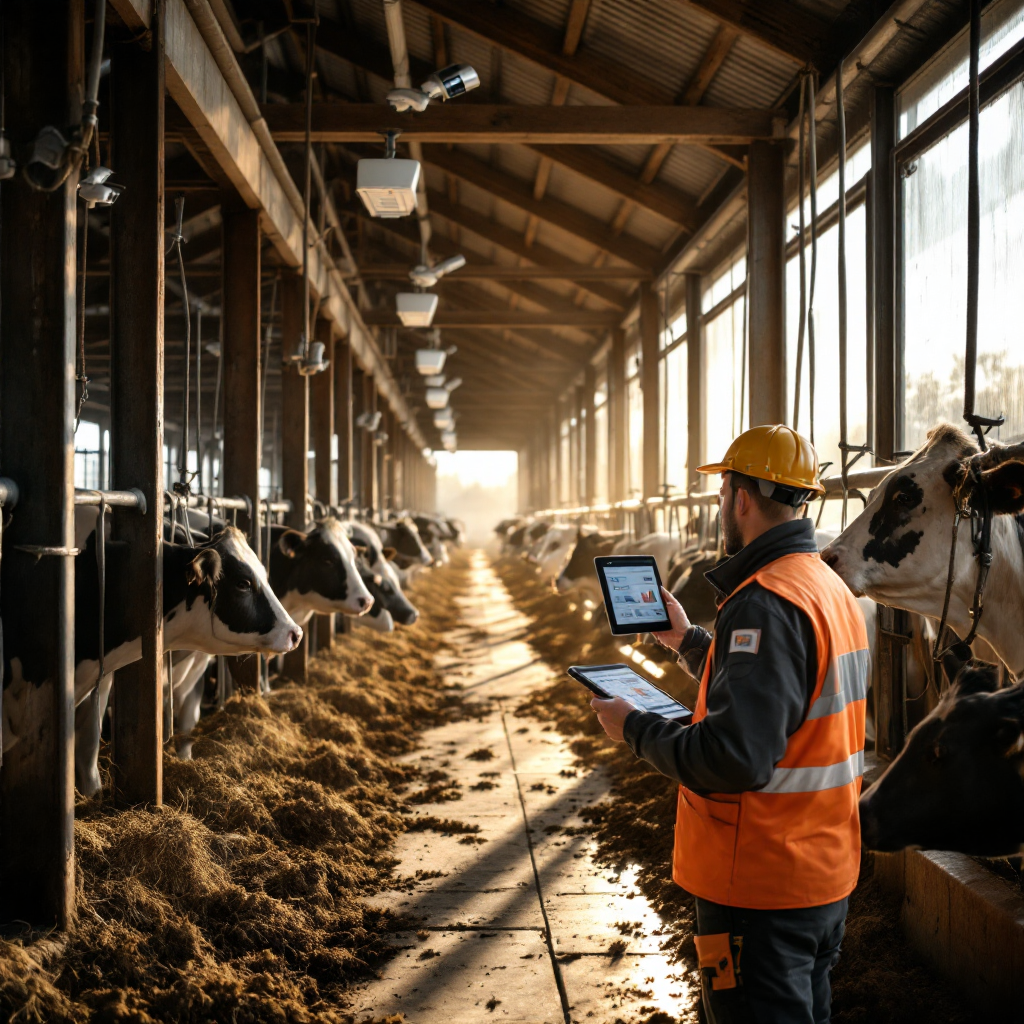
AI animal welfare monitoring via cameras
Understanding artificial intelligence and AI in animal welfare Artificial intelligence (AI) describes algorithms that learn from data and make decisions. AI helps perform non-invasive welfare checks in a way that scales across farms, labs, and reserves. For animal welfare, AI provides continuous observation and context. It watches behaviour, posture, and facial cues and then flags […]
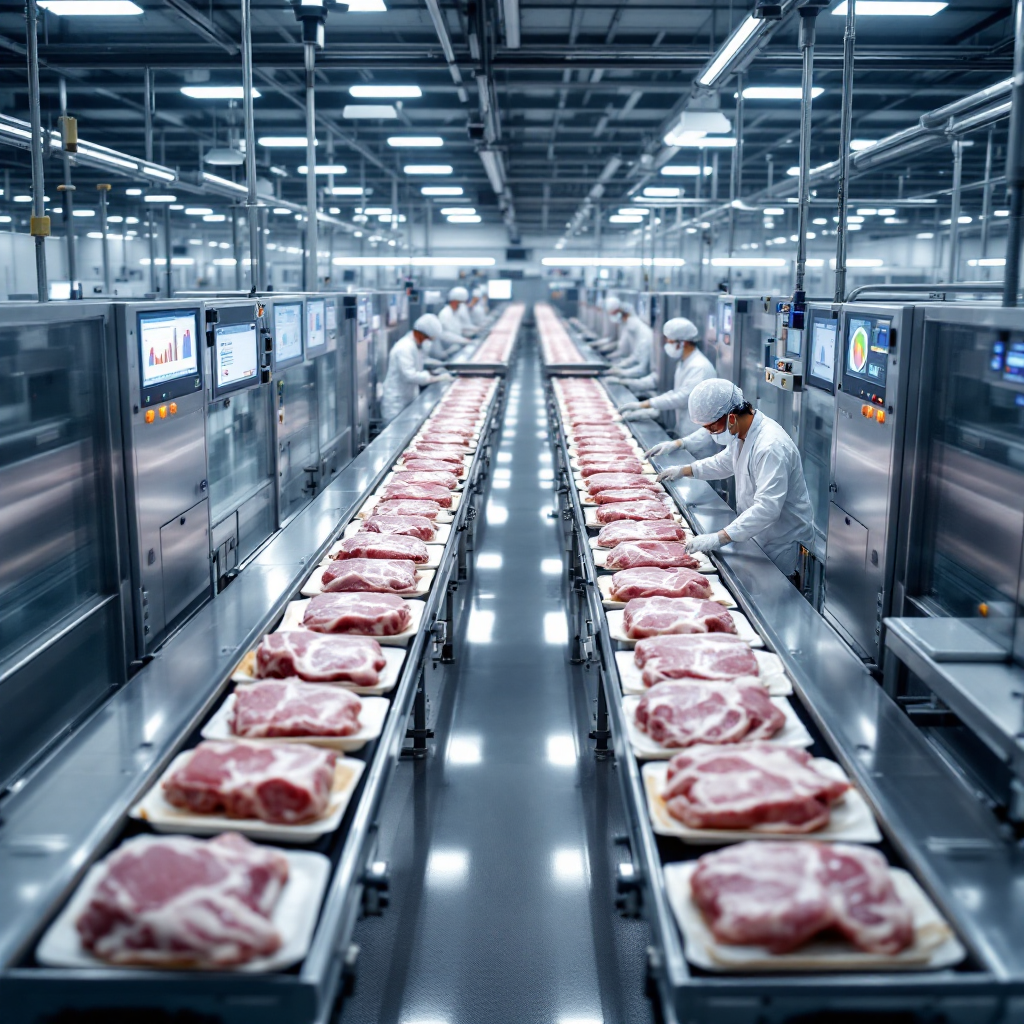
AI process bottleneck detection in meat processing plants
AI and bottleneck detection in meat plants AI has changed how meat plants find and resolve production choke points. Machine learning and process mining form the core of many modern approaches. Machine learning models learn from production data. Process mining reconstructs workflows from event logs. Together these methods spot where flow slows and why. AI […]
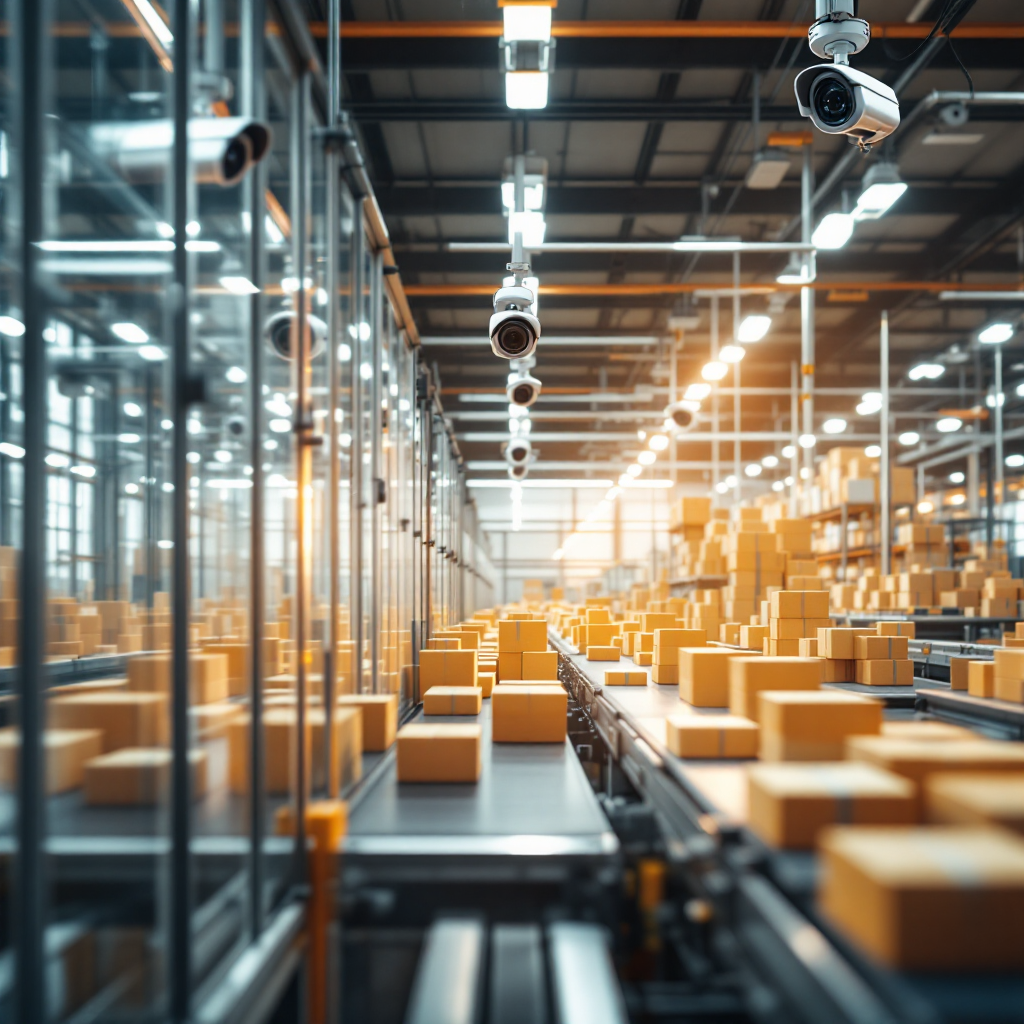
Detection of AI Contamination Risk via Computer Vision
ai and computer vision for contamination detection with artificial intelligence AI and computer vision change how teams handle contamination on the line. First, manual inspection relied on human eyes, shift schedules, and spot checks. Workers scanned products slowly, and fatigue often led to missed defects. In contrast, AI systems run continuous inspections and flag anomalies […]
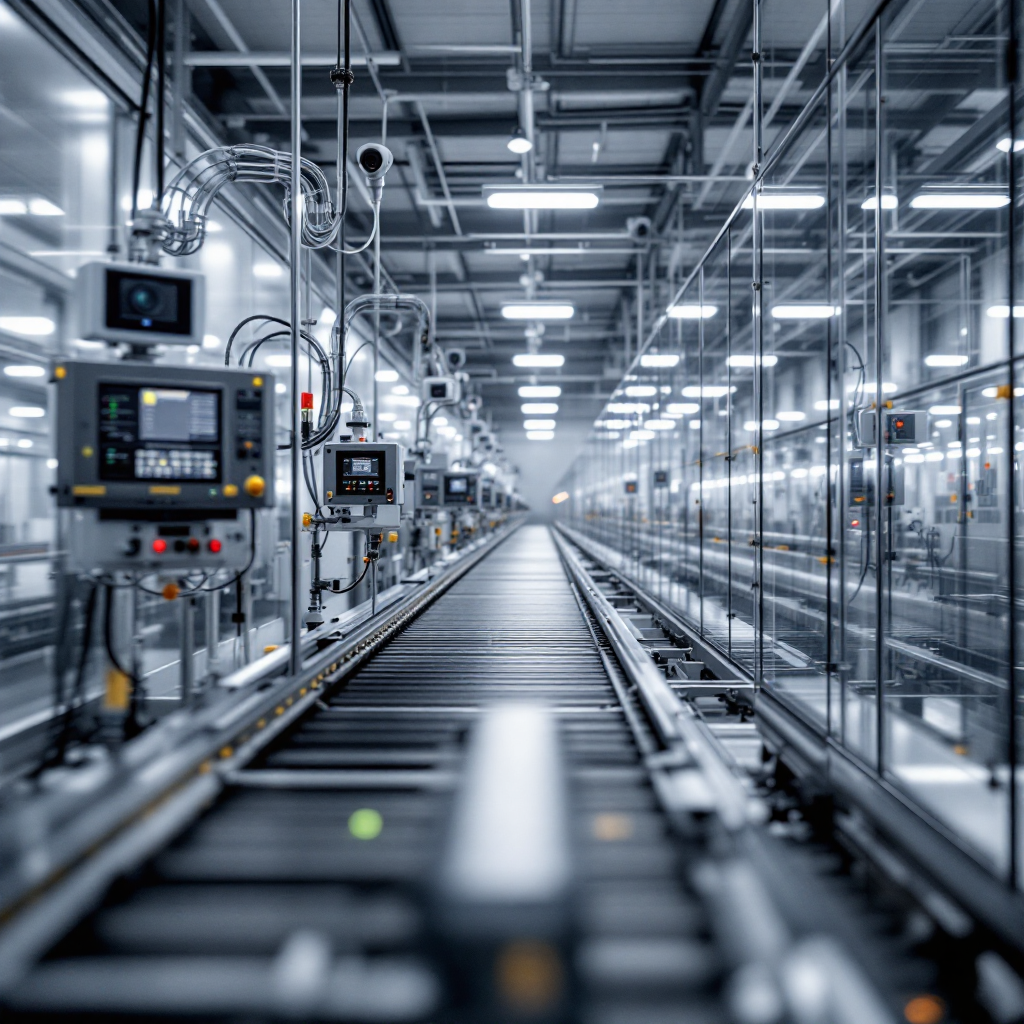
AI detection of idle equipment in slaughter lines
ai AI now drives better uptime and smarter operations in meat processing. In slaughter contexts, AI combines machine learning, IoT sensors, and data analytics to turn cameras and sensors into actionable tools. The core goal is clear: detect idle machinery and bottlenecks in real time, then respond so flow keeps moving. AI models watch cycles, […]
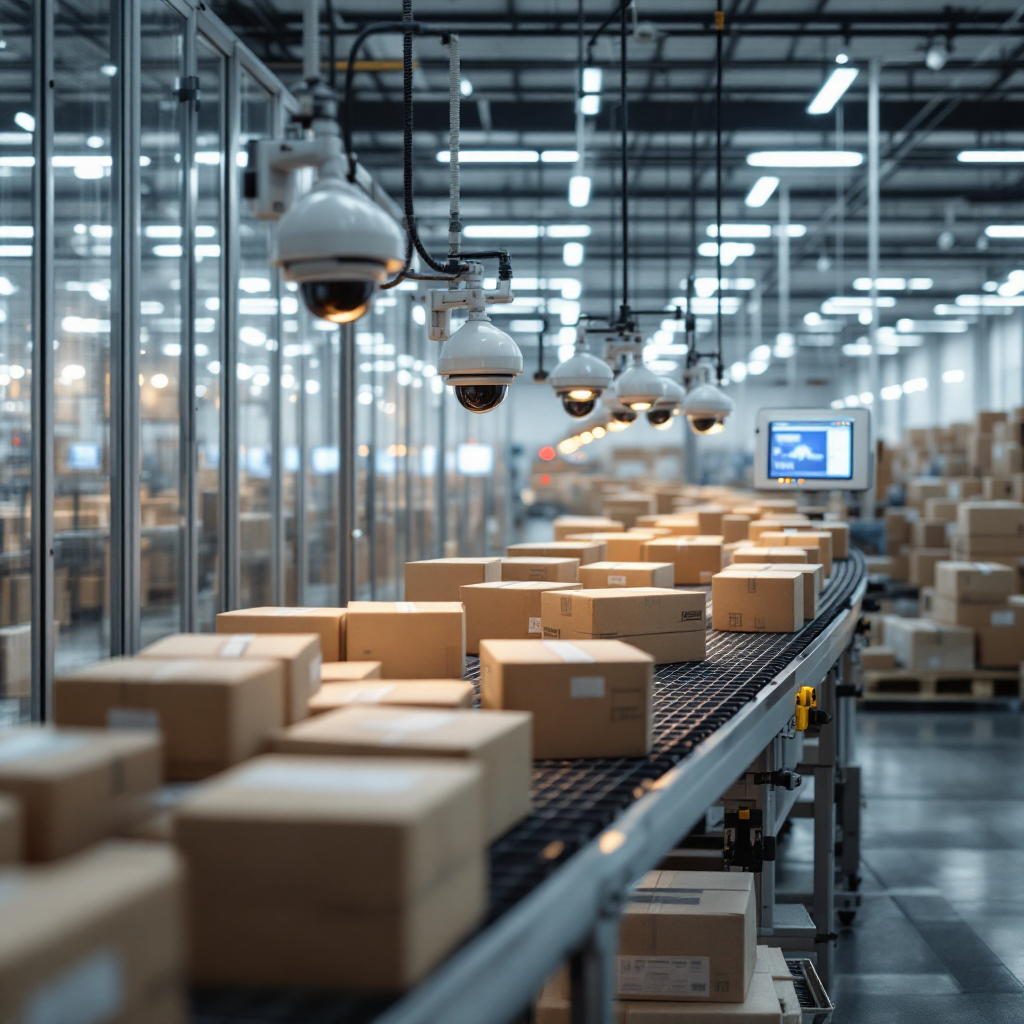
Anomaly detection AI vision for cutting and packing areas
anomaly detection in manufacturing: ai vision use case Cutting and packing stages shape final product quality. Also, these stages sit at the end of many manufacturing lines where small mistakes become large problems. For example, miscuts, missing items, wrong labels, and packaging faults create returns, waste, and unhappy customers. Additionally, manual inspection often misses subtle […]
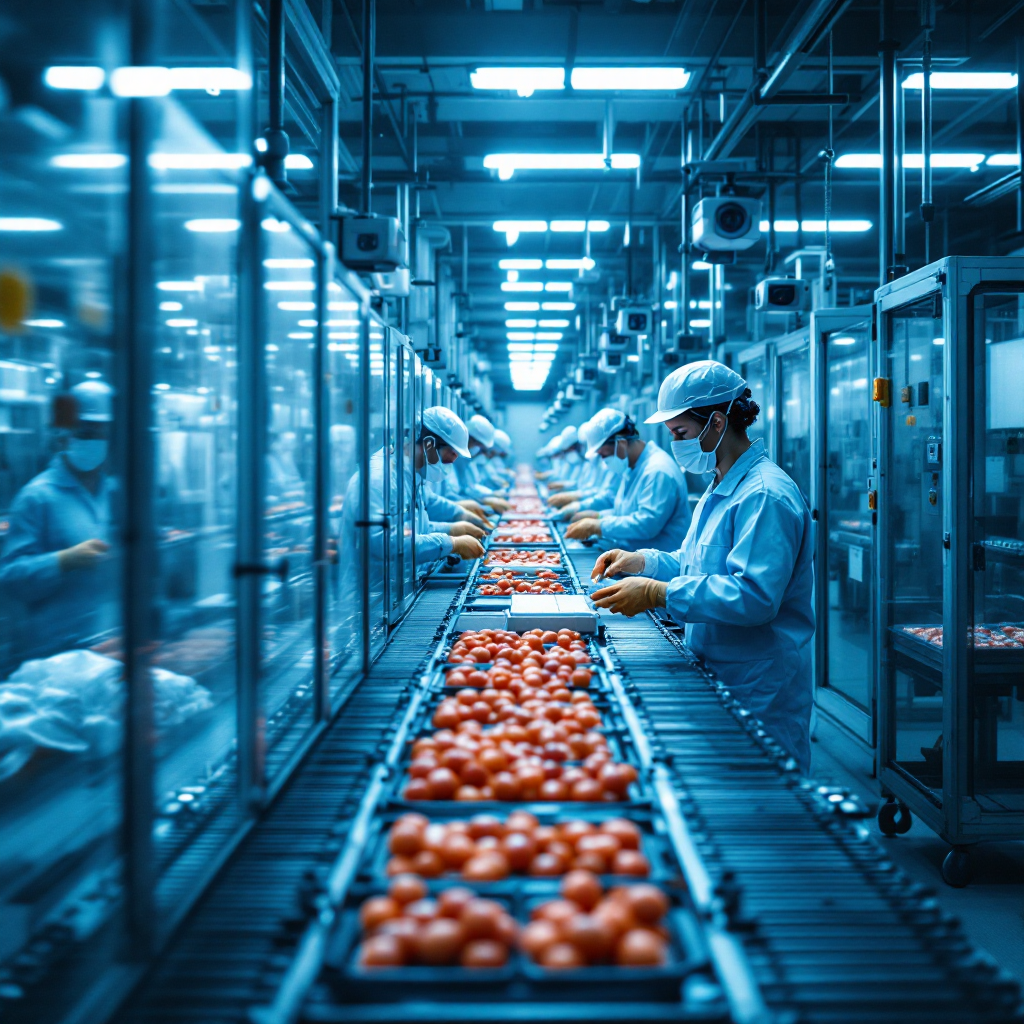
Conveyor belt monitoring with AI queue detection
Conveyor belt systems across production processes and material handling Conveyor belt systems across factories and food plants move goods, packages, and carcasses along set routes. In food processing and manufacturing sectors, conveyors deliver a continuous transfer path. They remove the need for repeated manual lifts and reduce material handling time. As a result, staff focus […]
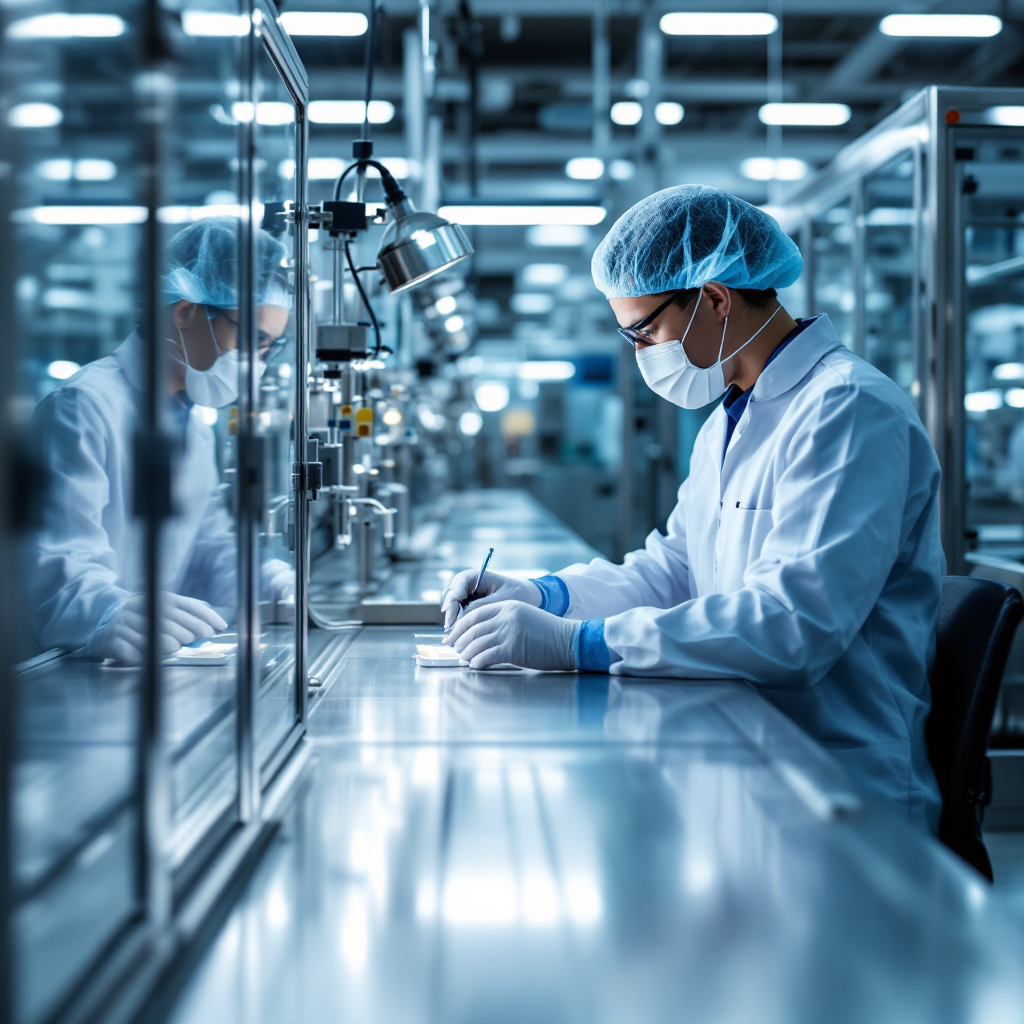
AI for cleaning validation and shift-change supervision
ai-driven pharmaceutical manufacturing: transform cleaning validation for the pharma industry AI is changing how pharmaceutical lines run, and cleaning validation is a prime target. Traditional cleaning workflows rely on manual sampling, lab testing, and paper trails. These steps take time and invite human error, and they can slow batch turnover. AI streamlines these tasks by […]
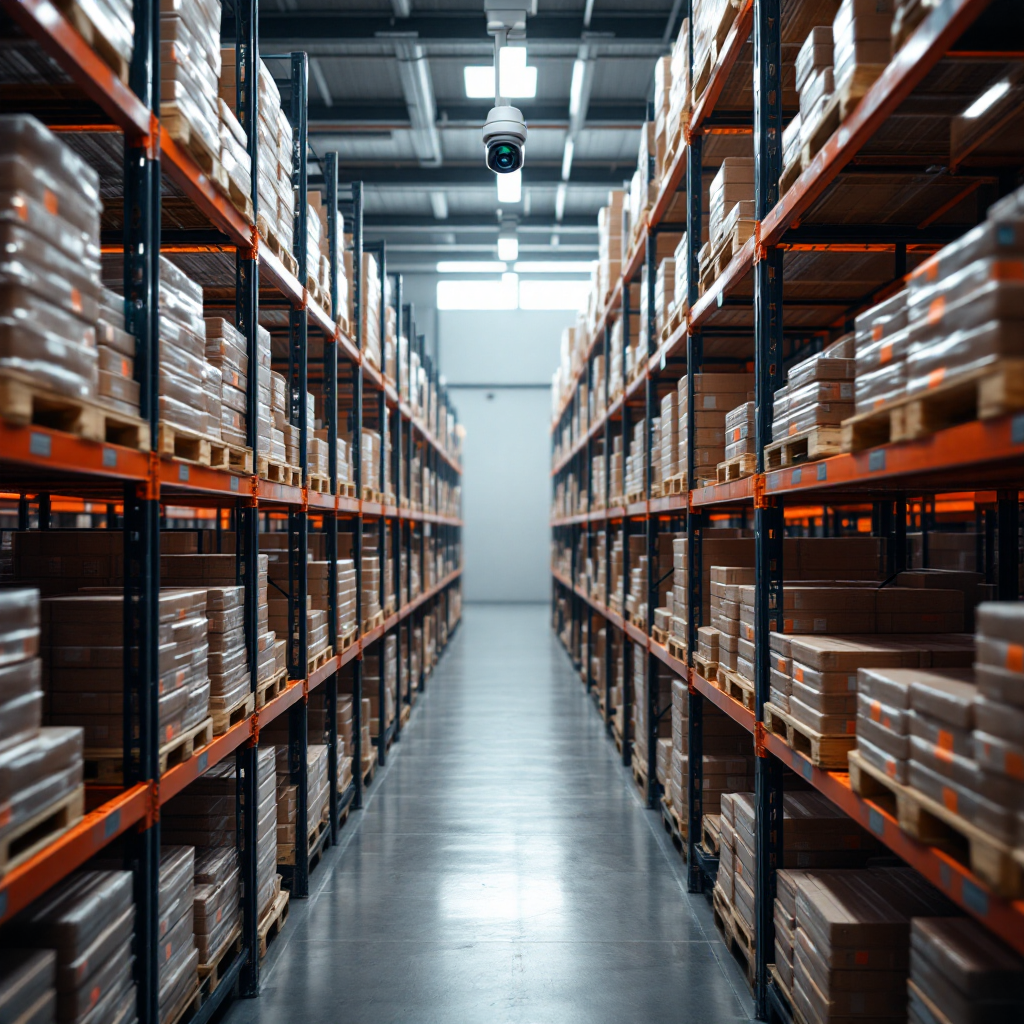
AI thermal analytics: temperature monitoring in cold rooms
ai in cold chain: overview of temperature control in cold rooms AI thermal analytics applies MACHINE LEARNING to thermal imaging, sensor arrays, and control systems to protect perishable goods and vaccines inside cold rooms. First, it fuses temperature and humidity readings with visual feeds to create a continuous map of environmental conditions. Next, it interprets […]
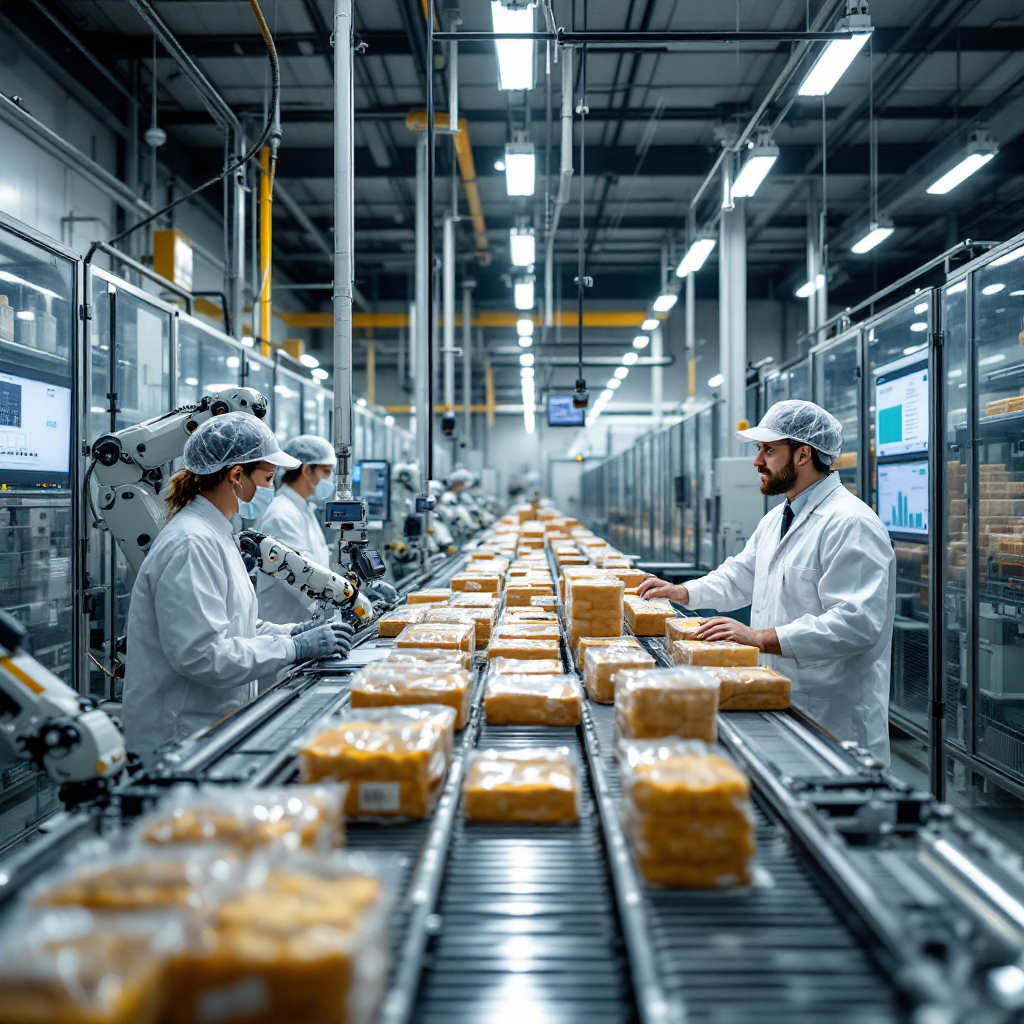
AI automation for meat processing in factories
Chapter 1: ai is making a difference in meat production AI is making clear improvements inside modern slaughterhouses and cutting lines. First, AI helps operators monitor production data and take action fast. For example, AI systems can analyze throughput and flag a slowing packing lane. This helps meat processors spot bottlenecks. Then supervisors can reassign […]
