


Category: Industry applications
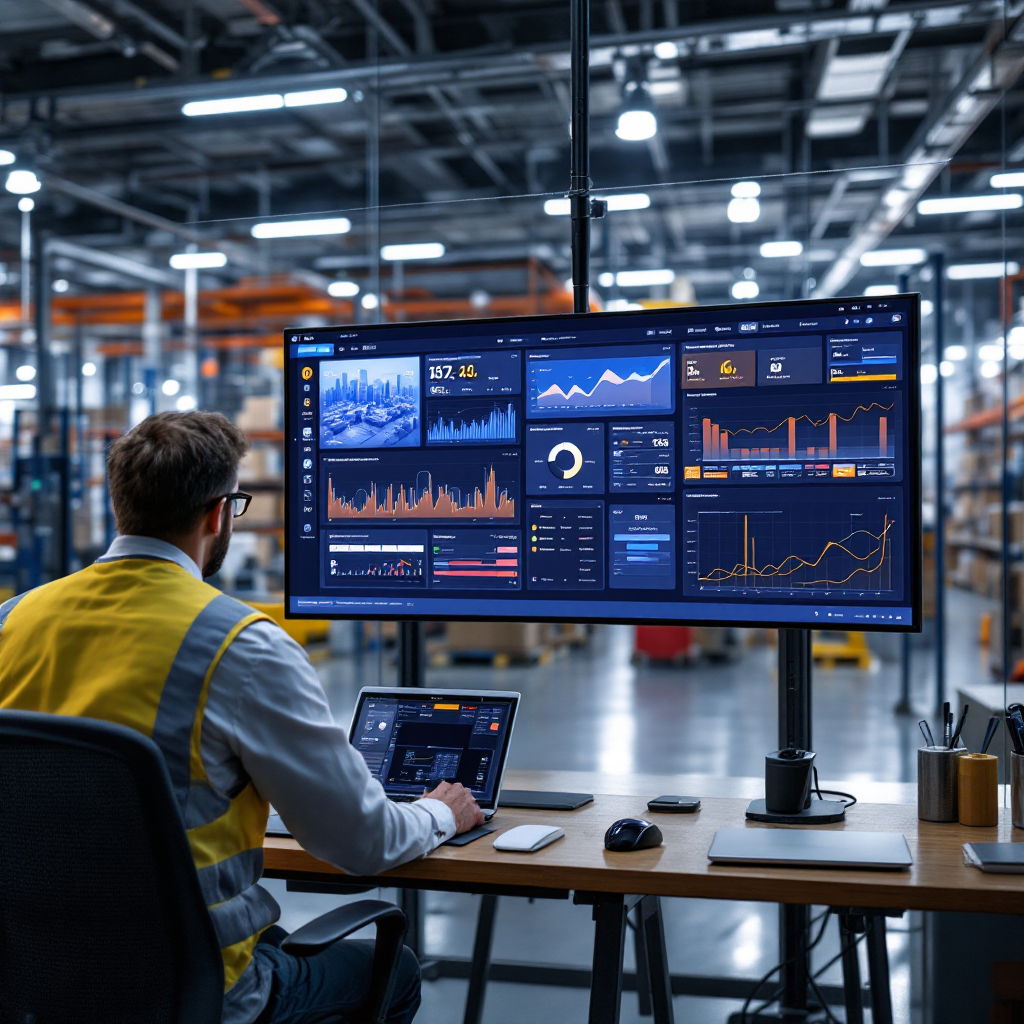
AI-driven food safety and quality control in slaughterhouses
Artificial Intelligence and AI in Food and the Food Industry: An Introduction Artificial Intelligence (AI) refers to systems that sense, reason, and act. In modern slaughterhouse operations, AI ties together cameras, sensors, models, and automation to improve worker safety and product outcomes. AI is used to process video, to classify objects, and to predict faults. […]

AI Heatmap Analytics for Processing Line Efficiency
AI, Power of AI, Analytics AI in manufacturing refers to systems that detect patterns, predict failures, and guide decisions on processing lines. In practice, AI ingests sensor feeds, camera streams, and PLC logs to offer timely alerts and recommendations. The power of AI lies in its ability to process vast amounts of data from many […]
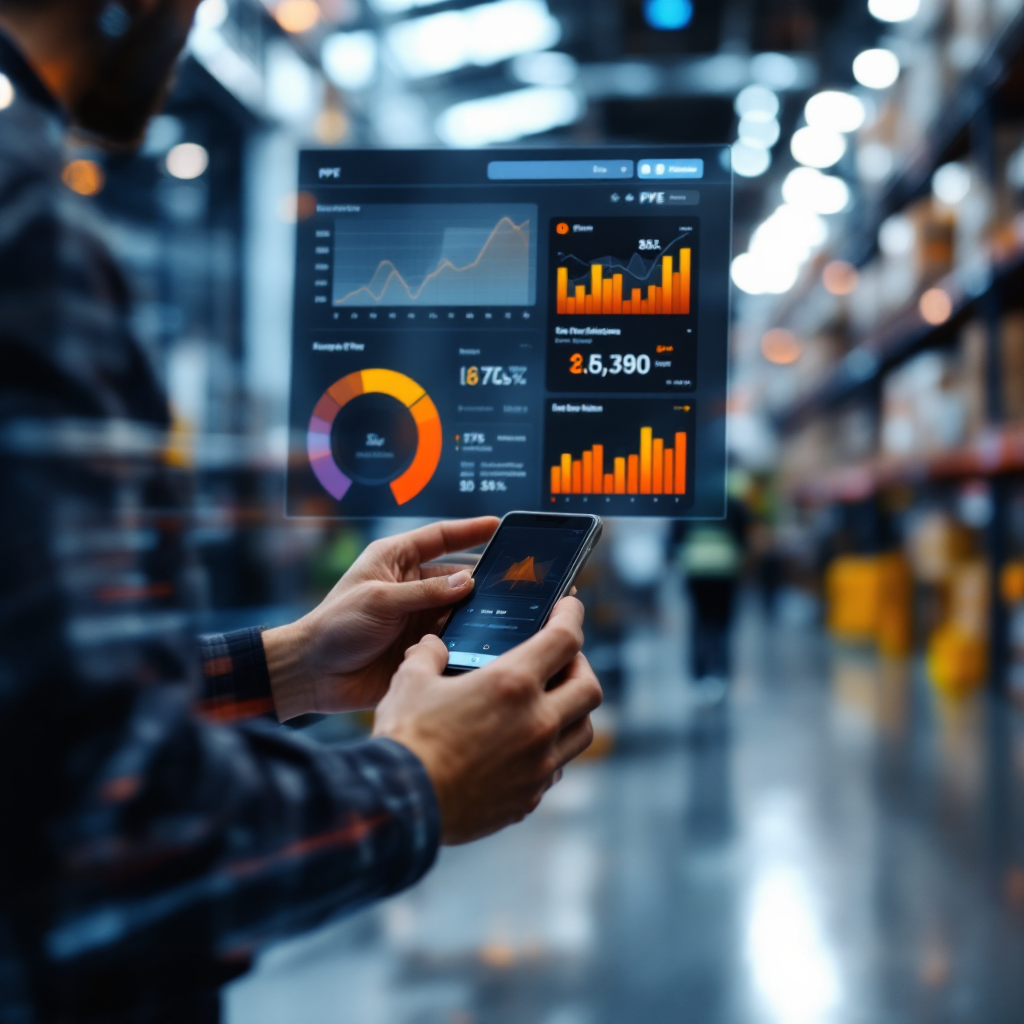
AI PPE detection for meat processing workers
AI PPE detection for meat processing workers 1. Personal Protective Equipment Compliance in Meat and Poultry Processing Personal protective equipment is central to safe operations in meat and poultry processors. Gloves, aprons, hairnets, face shields, and hard hats form the baseline safety gear. First, PPE reduces cuts, contamination, and cross-contact. Second, consistent PPE helps ensure […]

AI for hygiene monitoring in slaughterhouses | animal welfare
AI and Artificial intelligence – technology and AI in slaughterhouse hygiene AI and artificial intelligence describe computer systems that can learn, predict, and act on sensor inputs in food processing facilities. In practical terms, these systems use models to translate video, thermal readings, and chemical data into useful alerts. First, they reduce routine workload. Then, […]

AI camera systems for food safety compliance
ai in the food industry AI camera systems for food safety compliance are changing how operators check quality and control risk. In this chapter I explain how an ai system using high-resolution cameras and fast inference can automate quality checks, and how that reduces human variability and speeds decision-making. First, AI combines imaging, computer vision, […]
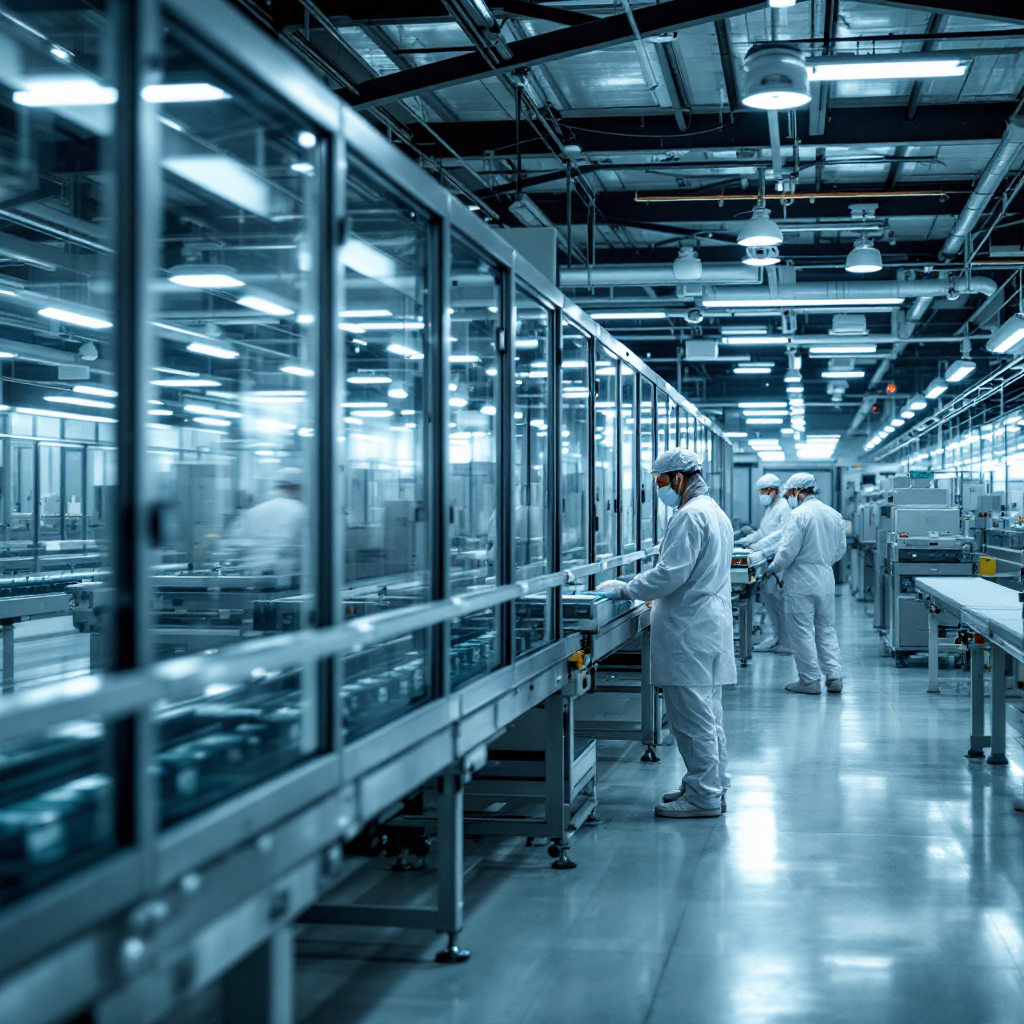
AI video analytics for meat packing and cold storage
ai-powered analytics for real-time quality control in meat plants AI-powered analytics bring new capabilities to quality control in meat plants. First, AI inspects conveyor lines with cameras and edge servers. Next, it tracks colour, texture, surface defects, and grading in real time. For example, recent research reports AI models that can classify meat colour, texture […]
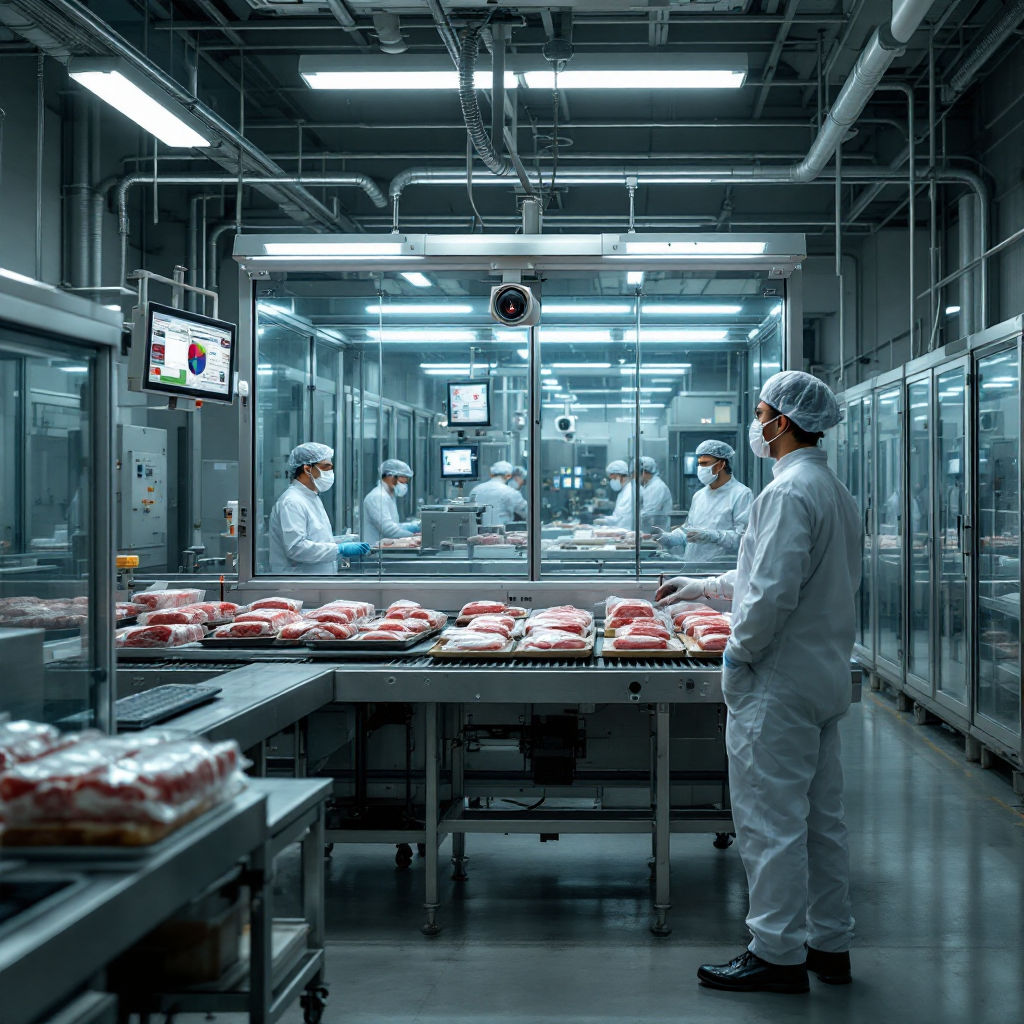
AI video analytics for butchery and cutting lines
ai video analytics in meat processing AI video analytics brings cameras, computer vision and machine learning to cutting lines in practical ways. AI systems watch conveyors and cutting stations, and they run video analysis to spot anatomy, color shifts and defects. In butchery this approach helps achieve precise cuts on pork, beef and poultry, and […]
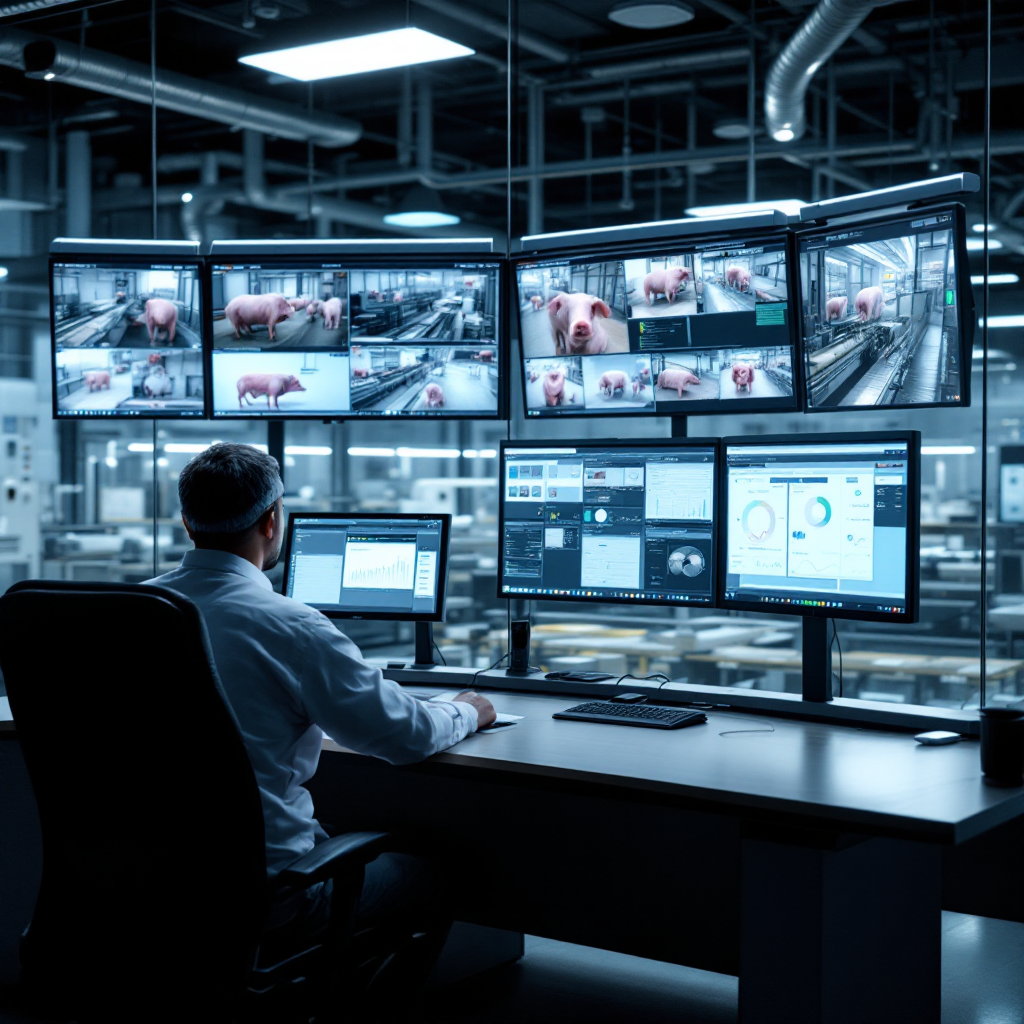
AI compliance monitoring for animal stunning/bleeding zones
ai: Role of real-time compliance monitoring in stunning and bleeding zones AI compliance monitoring means using AI to observe and enforce welfare rules at the most sensitive points of meat processing. First, AI inspects stunning and bleeding zones to ensure animals are unconscious before and during bleeding. Second, the aim is clear: reduce unnecessary suffering […]
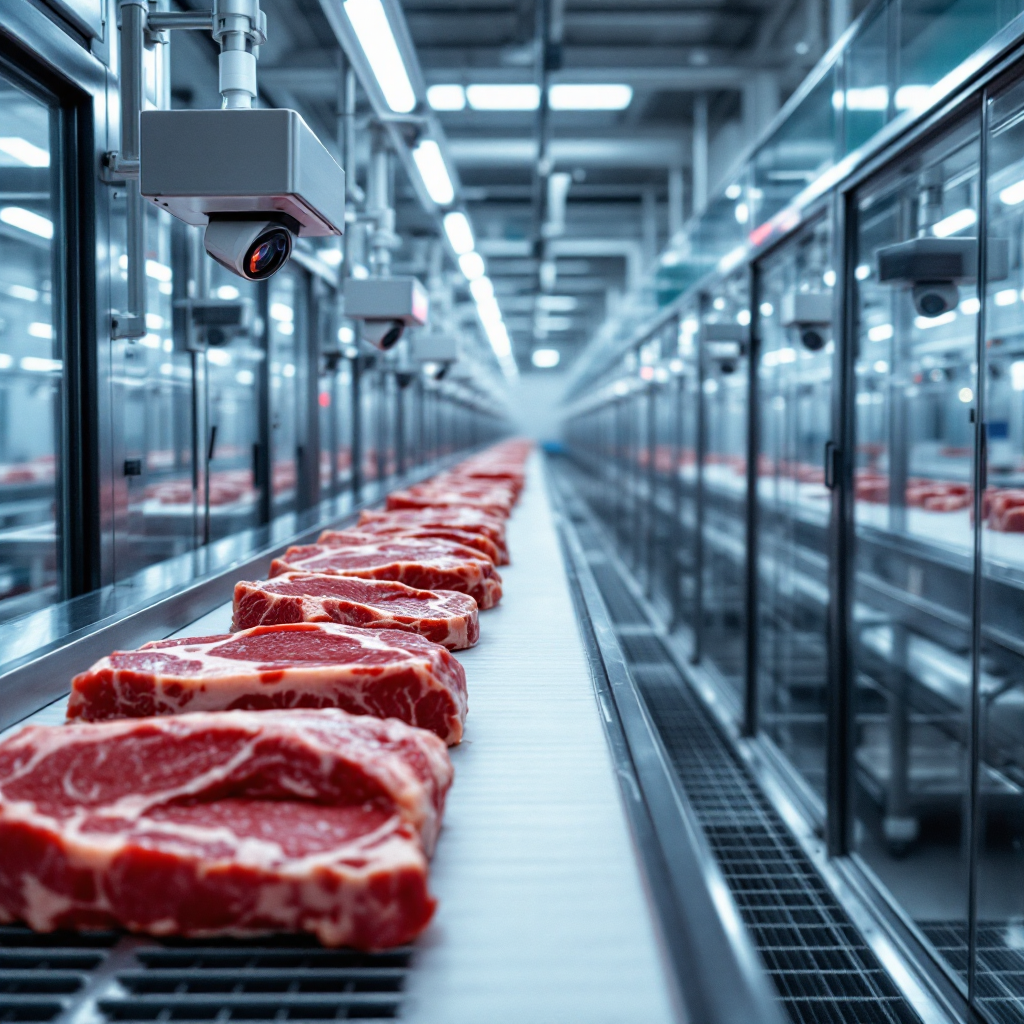
Carcass grading with AI and computer vision
Artificial intelligence and computer vision in modern carcass grading AI is changing how the meat industry measures value and consistency. Producers, packers, and retailers need fast, objective assessments to set prices and safeguard food quality and safety. AI and computer vision combine to read visual cues on a carcass, extract measurements, and output structured scores. […]
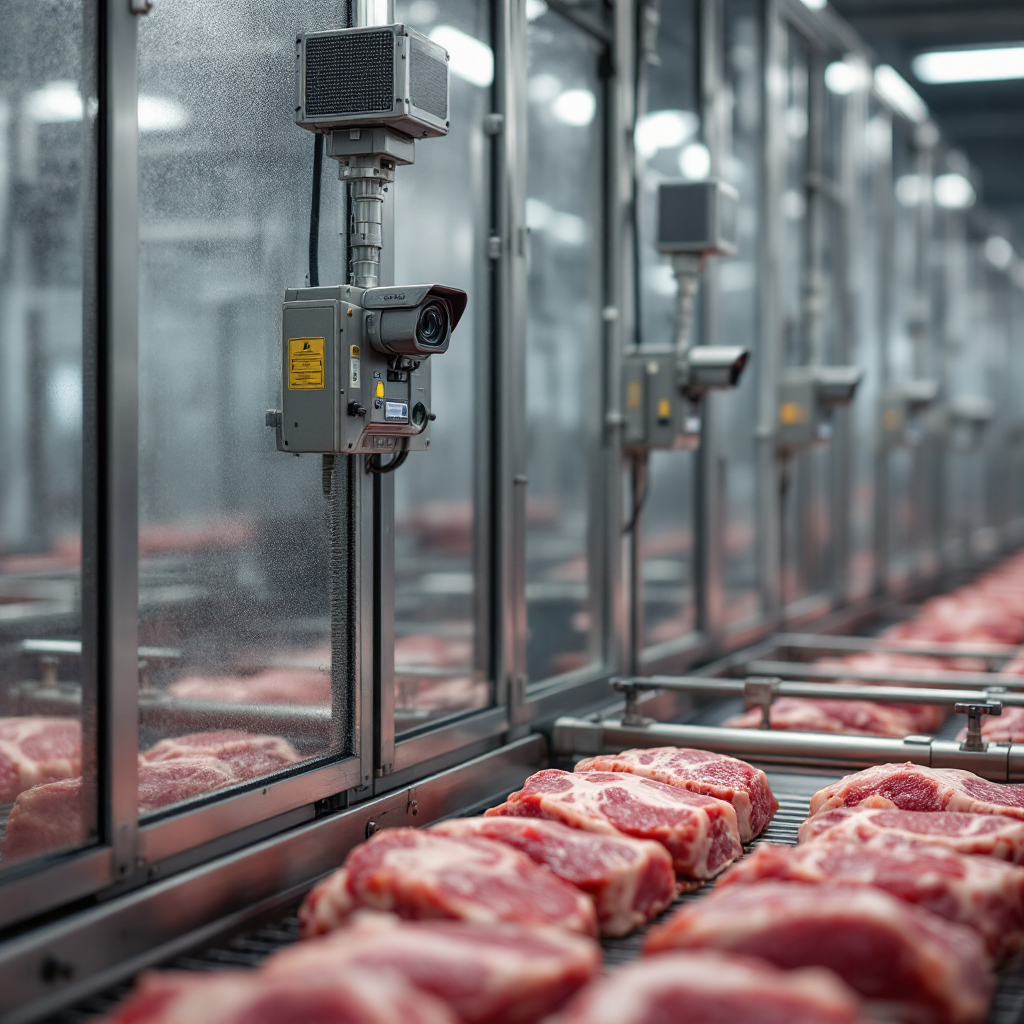
AI detection of carcass contamination and bleeding defects
artificial intelligence in carcass inspection: an overview AI has reshaped how processors inspect carcasses. First, it replaced slow, subjective visual checks with fast, repeatable analysis. Next, systems moved from rule-based filters to computer vision driven by learning algorithms. For example, recent reviews highlight camera surveillance upgrades that strengthen food safety and inspection service in slaughterhouses […]
