


Category: Industry applications
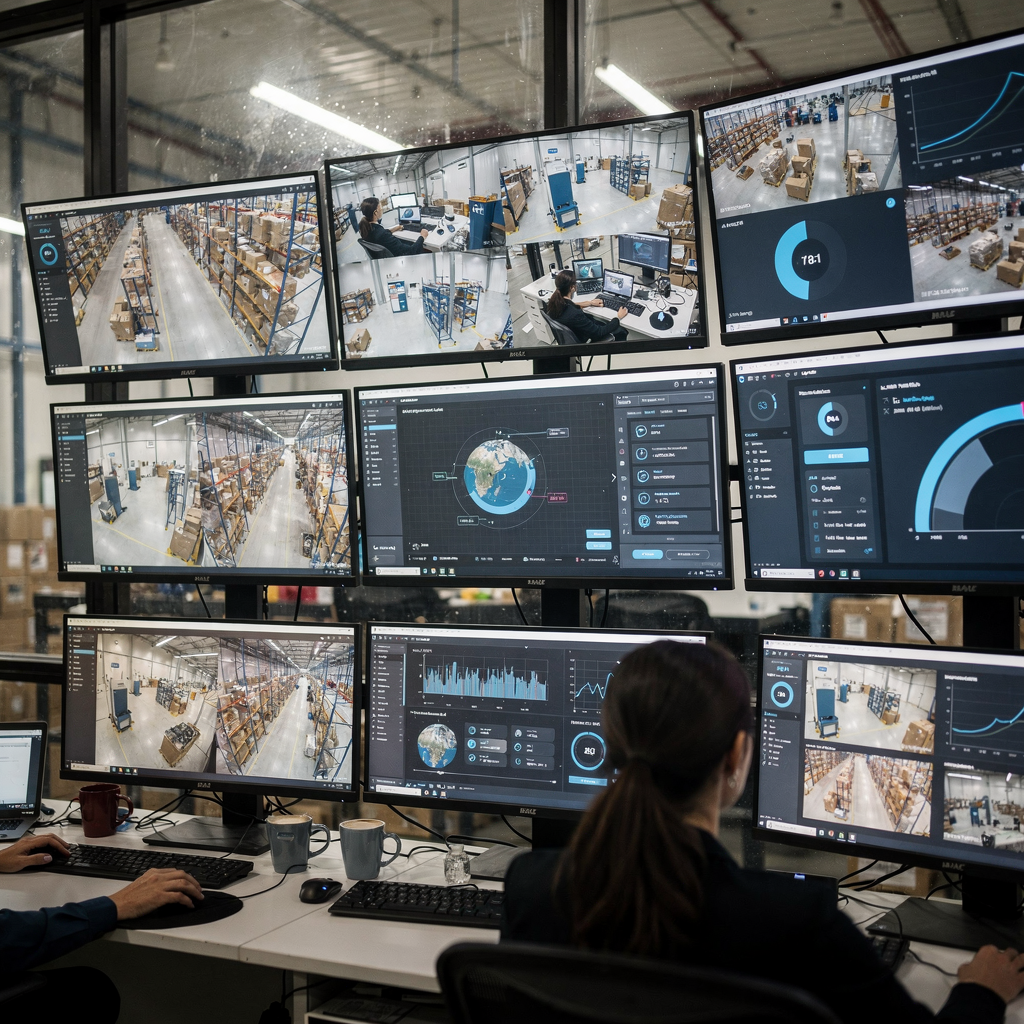
AI-powered video intelligence for Avigilon
power of ai: transforming video infrastructure AI now drives modern video security and it changes how teams work. First, cameras collect continuous streams and then AI analyzes those streams. This shift means operators get faster alerts, clearer context, and fewer hours spent watching recorded video. Avigilon has built systems that apply artificial intelligence across live […]
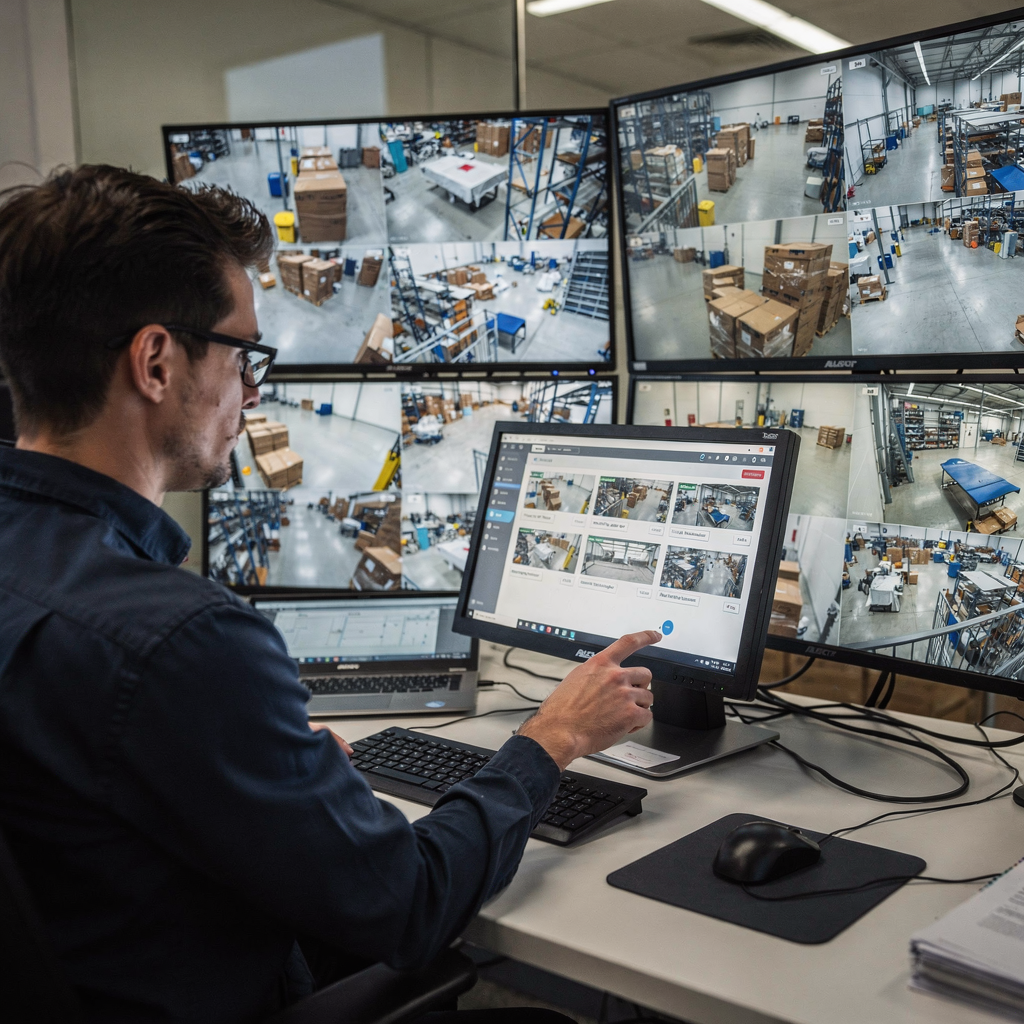
Forensic video search for Avigilon with appearance search
Avigilon appearance search: Revolutionising forensic investigations Avigilon has developed a self-learning video analytics tool that finds people or objects across hours of video. It uses self-learning video analytics and deep-learning models to index visual traits so operators can locate a person or vehicle of interest quickly. For teams tasked with forensic investigations this is essential. […]
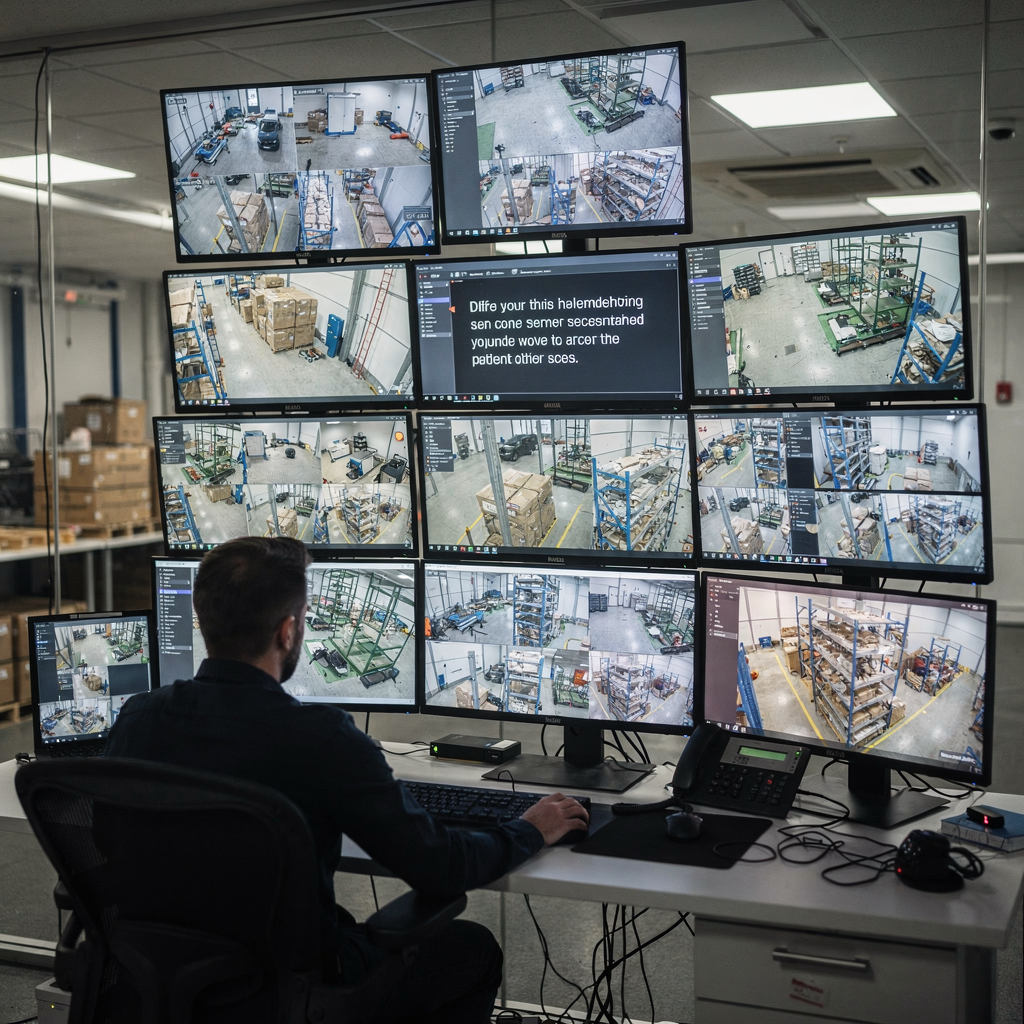
Vision language models for Avigilon video analytics software
analytics & ai-powered analytics for a video surveillance system Vision-language models define a new class of systems that fuse visual perception and language. They let machines describe scenes in human terms. In modern surveillance they change how operators interpret camera feeds. Also, additionally, besides, then, next, meanwhile, consequently, therefore, thus, hence, finally. These models do […]
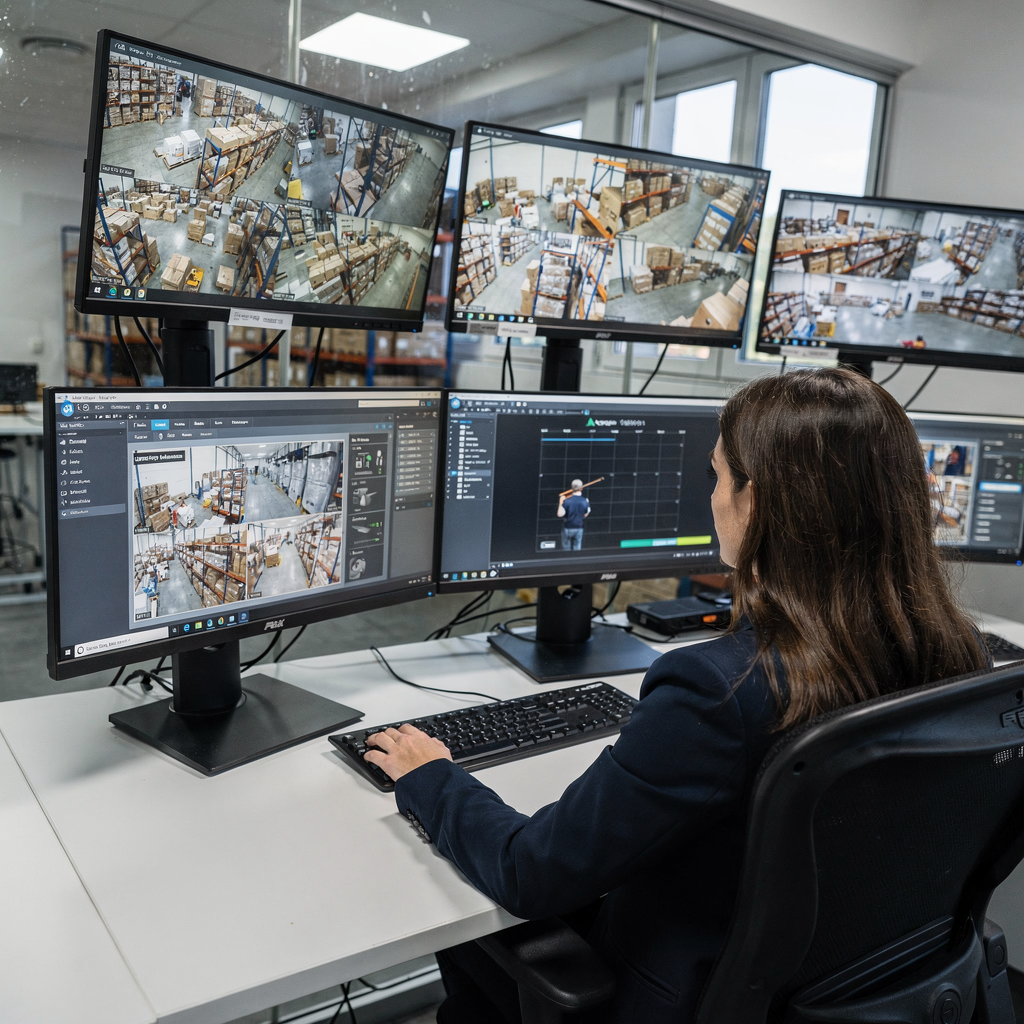
Avigilon vision language models: AI video analytics alerts
ai-powered analytics with avigilon unity video AI video analytics starts with detecting motion and objects, and then it moves to context and meaning. AI models examine pixels, and they identify people, vehicles, and behaviors. They tag and index footage, and they surface events that matter. Avigilon built its approach to focus on accuracy and operational […]
Avigilon forensic AI video search
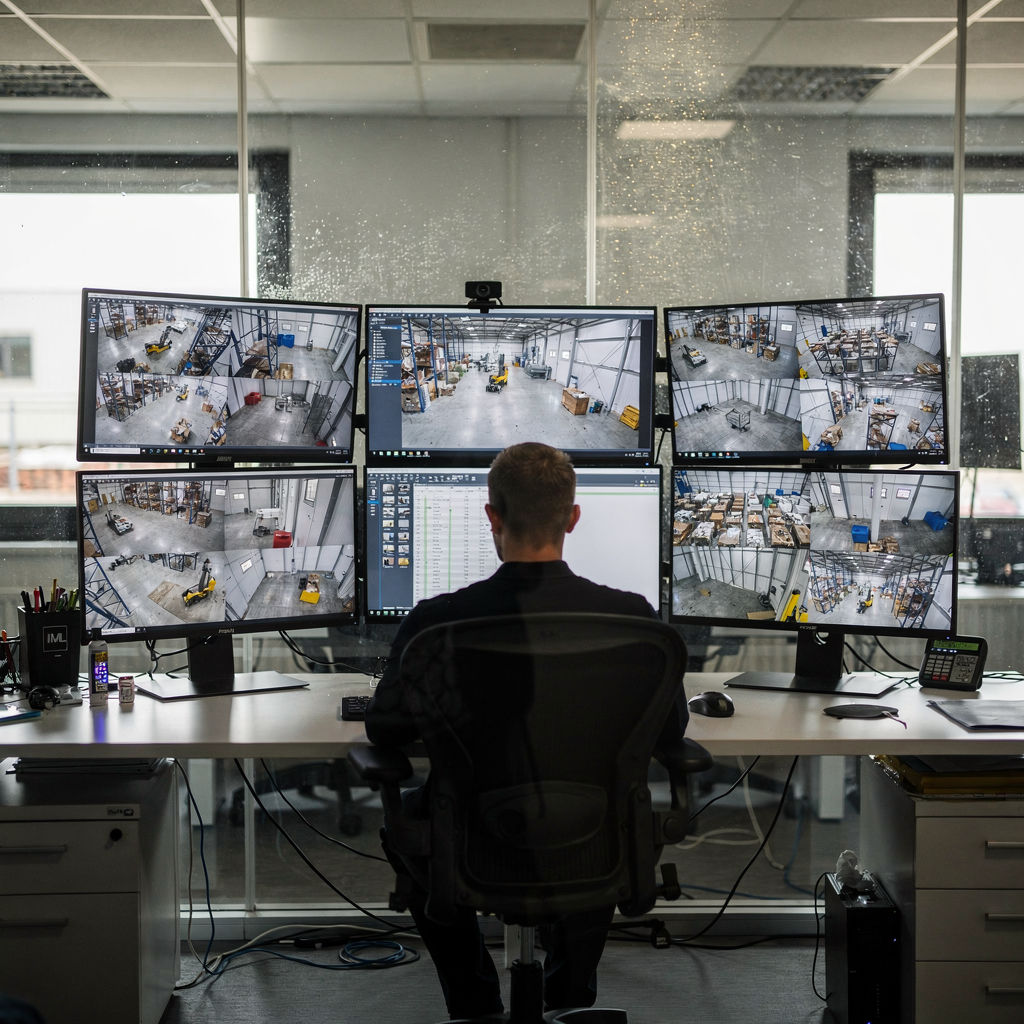
avigilon video management and video analytics software overview Avigilon provides a unified video management platform that combines centralised video management and video analytics in a single interface. First, the platform collects streams from security camera and networked recorders. Then, it indexes metadata so teams can find relevant footage fast. The architecture scales from a single-site […]
Avigilon AI Agents for Control Rooms: Security Solution
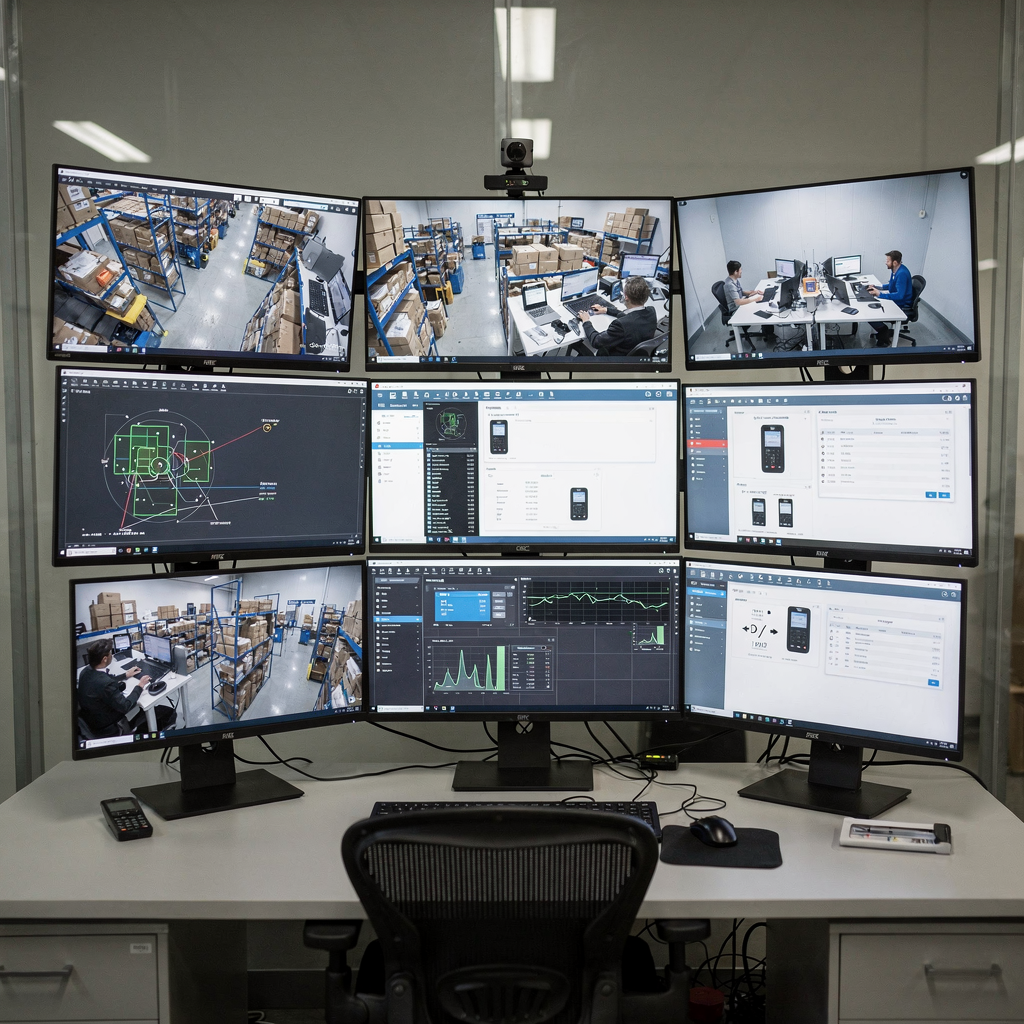
ai-driven Insights in Avigilon Control Rooms: From Reactive to Proactive Monitoring AI now powers a new generation of control rooms, and Avigilon leads with focused tools that change how teams work. First, AI agents analyze live feeds and sensor inputs to pick up loitering, perimeter breaches and unusual behaviour. Then, they score events by risk […]
AI layer on top of Avigilon: smarter video analytics
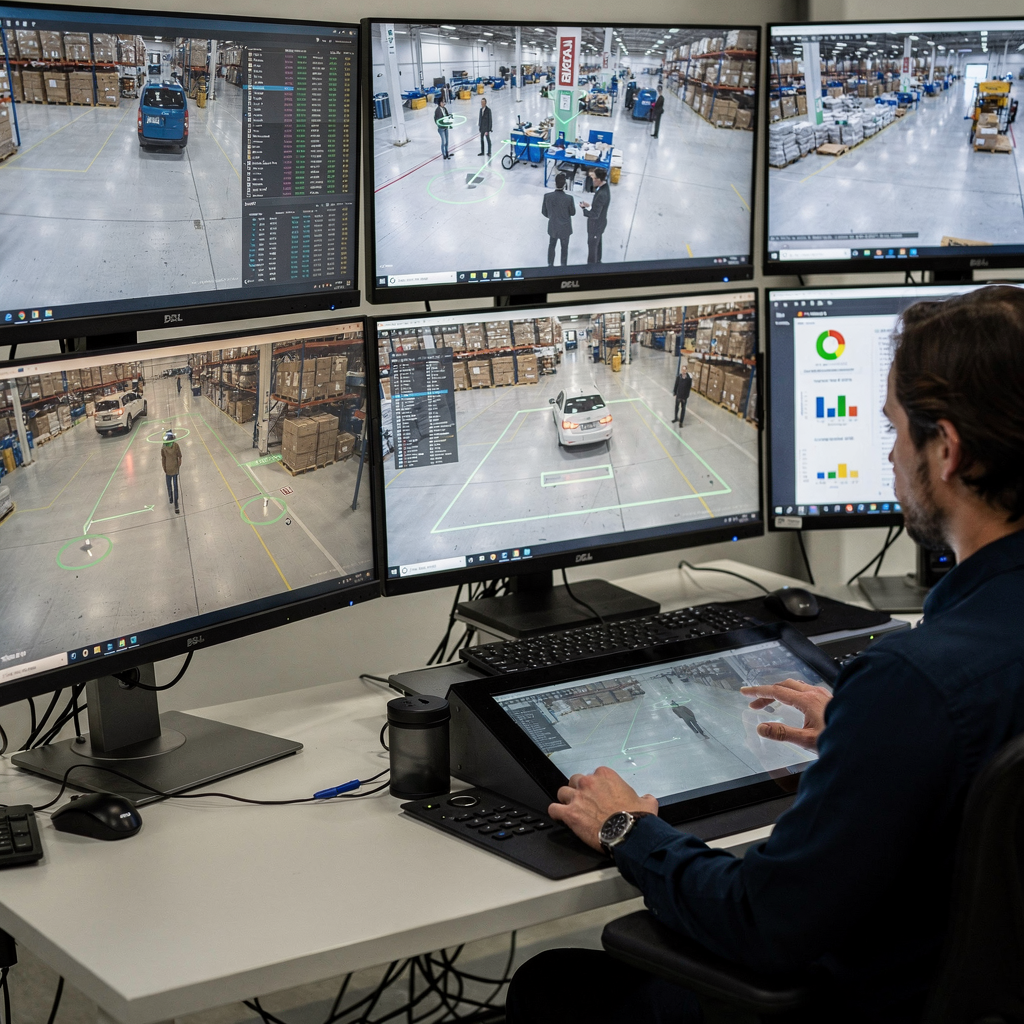
power of ai: transforming security camera systems on Avigilon First, AI is a set of technologies that includes machine learning and computer vision. Next, it gives CCTV networks the ability to interpret scenes, not just record them. AI analyzes pixels and metadata to detect people, vehicles, and behavior. Also, AI can turn raw footage into […]
AI assistant for Avigilon Control Center
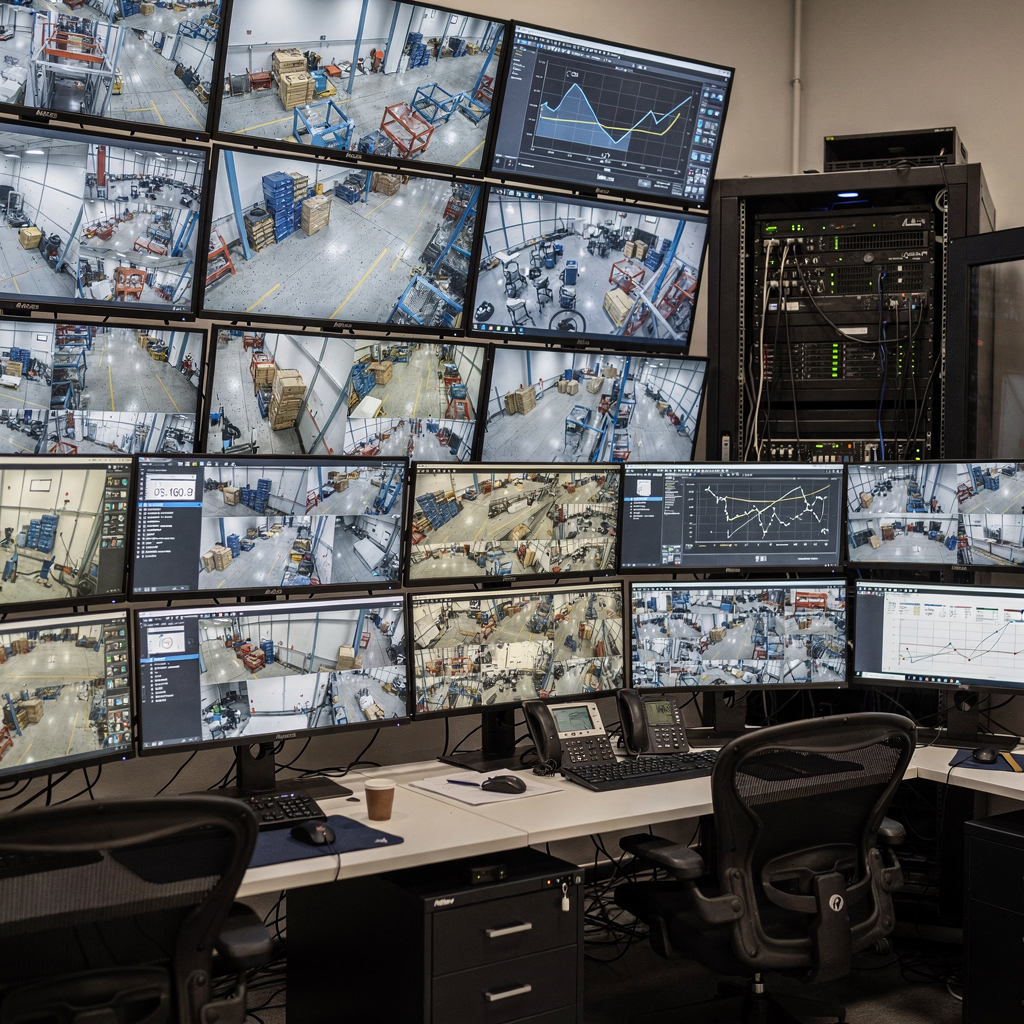
ai Assistant: Real-Time Analytics for Security Teams The ai assistant embedded in Avigilon Control Center turns video feeds into actionable information. Also, it runs on trained models that scan video in real time. Additionally, the assistant supports facial recognition, object classification, and unusual motion detection. These core machine-learning functions let operators focus on real incidents, […]
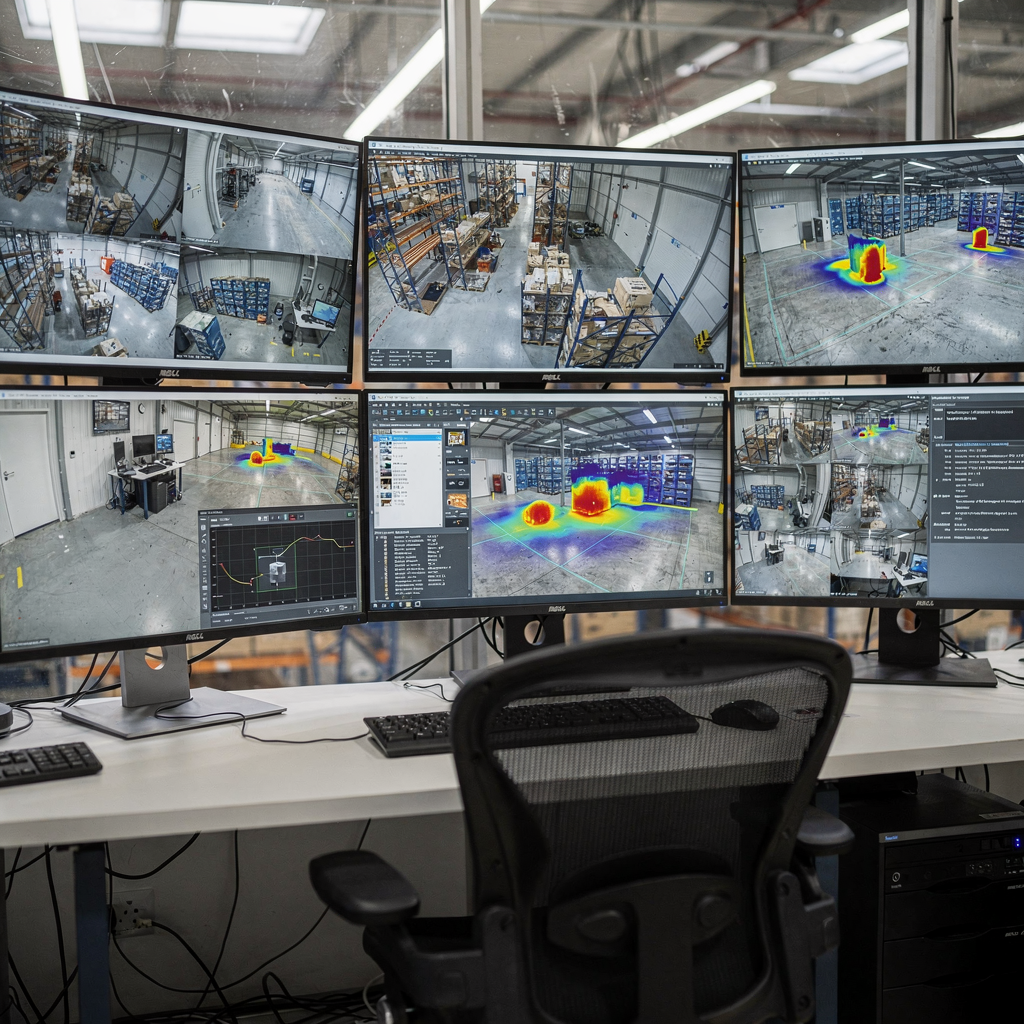
Avigilon AI agents for VMS video analytics
Introducing avigilon unity and the power of ai in video security avigilon unity is presented as a unified platform that ties cameras, analytics, and operator workflows together. It sits at the intersection of cameras and control rooms. The platform aims to simplify how teams handle alerts, inspections, and incident management. In practice, avigilon unity brings […]
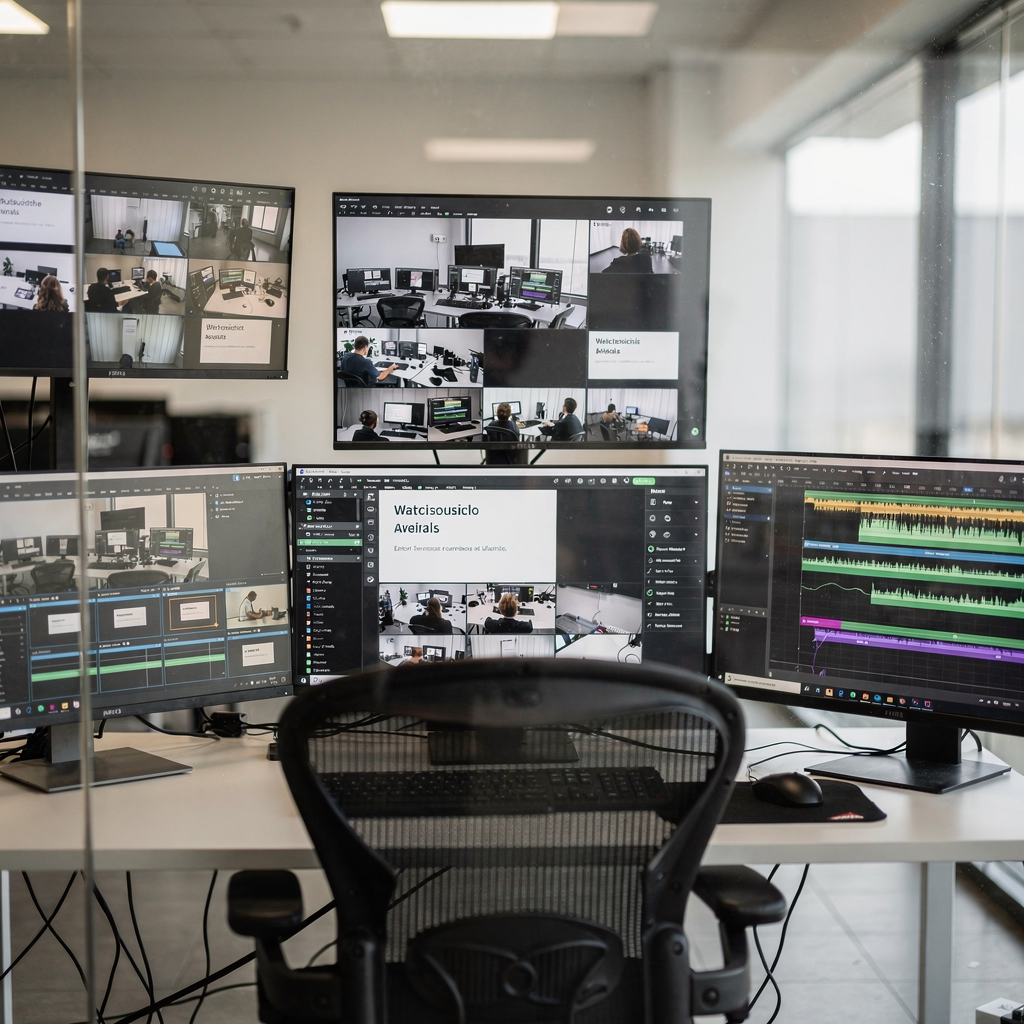
AI agents for Avigilon Control Center video analytics
AI and avigilon in acc Video Management AI agents in Avigilon Control Center act as active watchers and decision helpers. They analyze feeds and then flag potential issues for the security operator. The Avigilon Control Center platform is video management software that processes streams and metadata. In practice, these AI agents run models that classify […]
