


Category: Industry applications

Forensic video search for Genetec Security Center
forensic search integration with genetec and axis devices Forensic search integration brings Axis device metadata into the Genetec Security Center ecosystem so investigators can perform targeted retrievals of recorded video. First, Genetec connects to Axis cameras using ONVIF or manufacturer plug-in support. Then the system indexes each camera stream and stores metadata such as timestamps […]
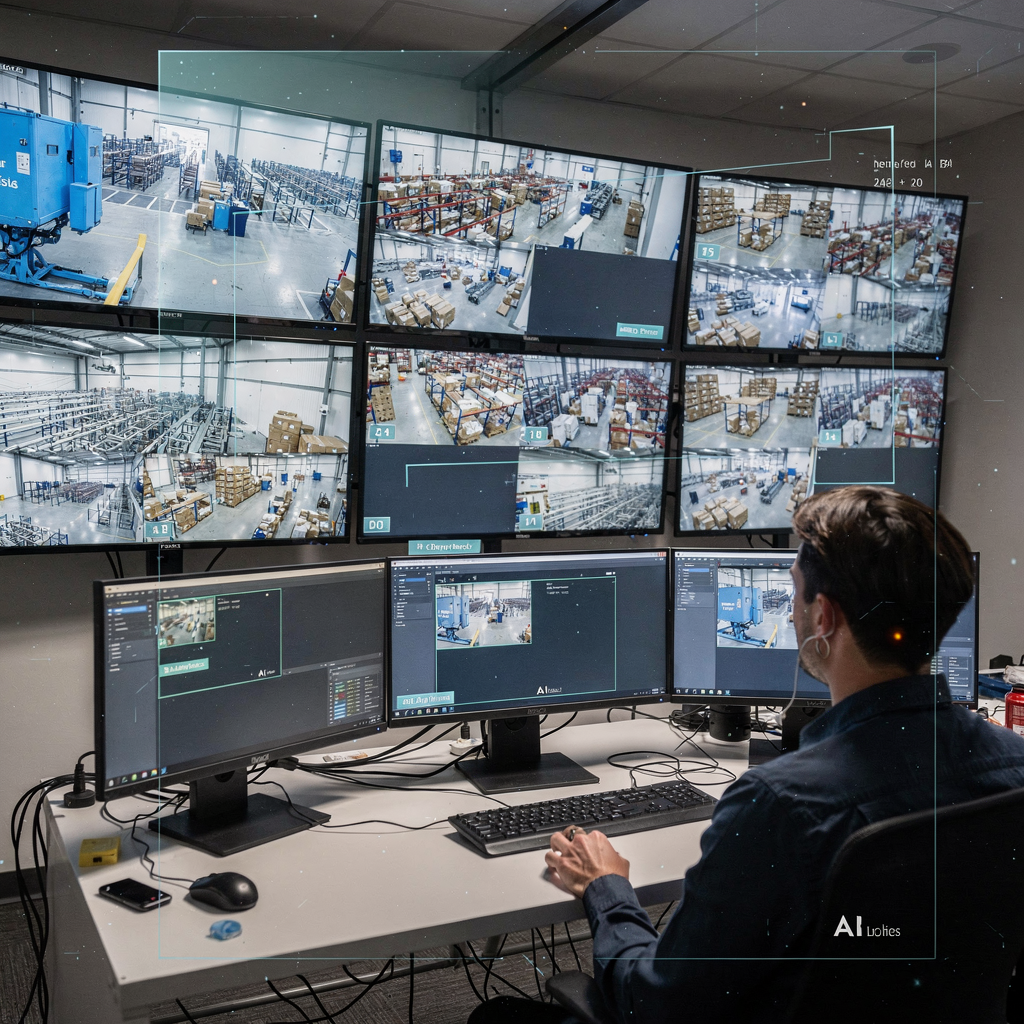
Vision language models for Genetec security center AI
Modern security with security center saas by genetec Genetec has long led thinking in integrated security. The Security Center SaaS offering modernises how organisations manage cameras and access. It scales on demand. It updates continuously. It minimises downtime. These traits meet modern security requirements. They also support operational resilience. Modern security needs include scalability, continuous […]
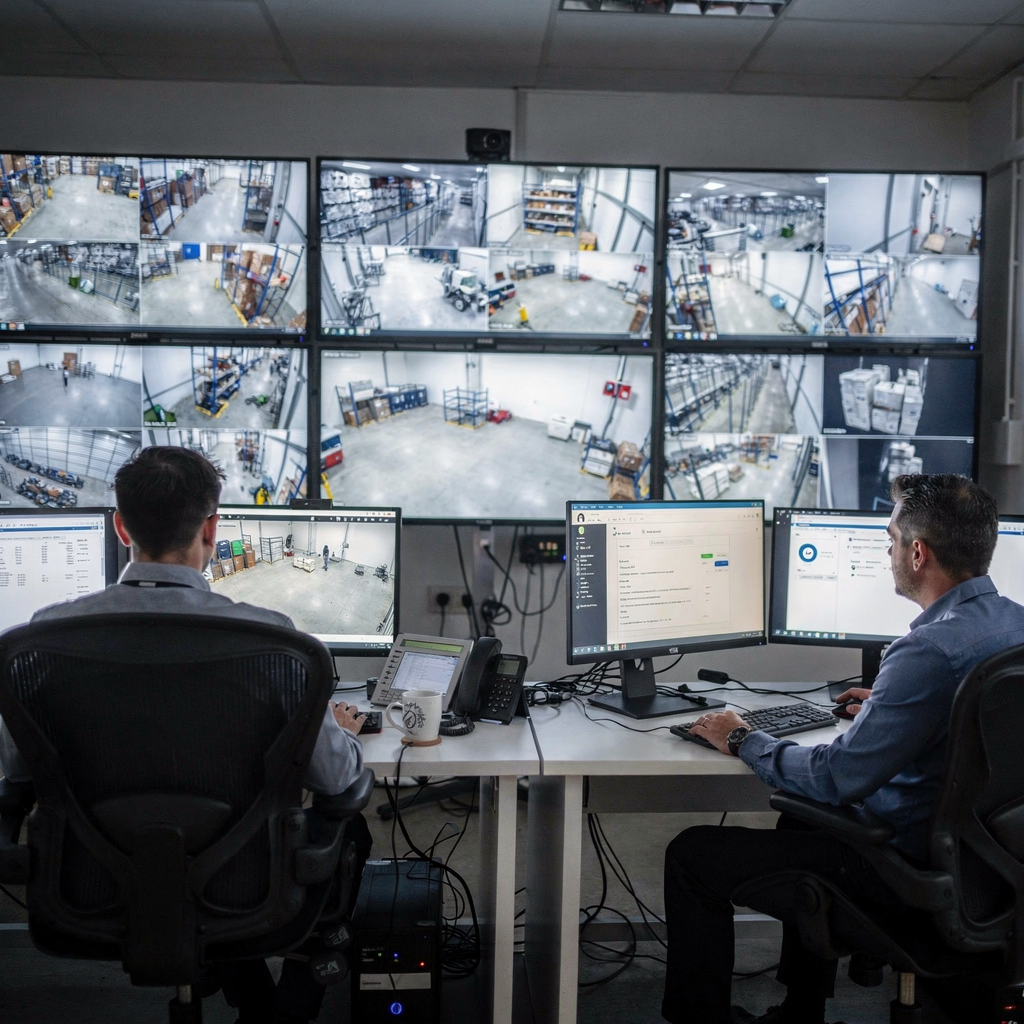
Security Center quick search: Genetec semantic video search
intelligent search in Genetec Security Center Intelligent search in security systems means the system understands context, not just timestamps. In Genetec Security Center this capability moves searches from simple metadata lookups to meaning-based queries. For example, an operator can type a natural language phrase like “person wearing a red jacket entering through the main door” […]
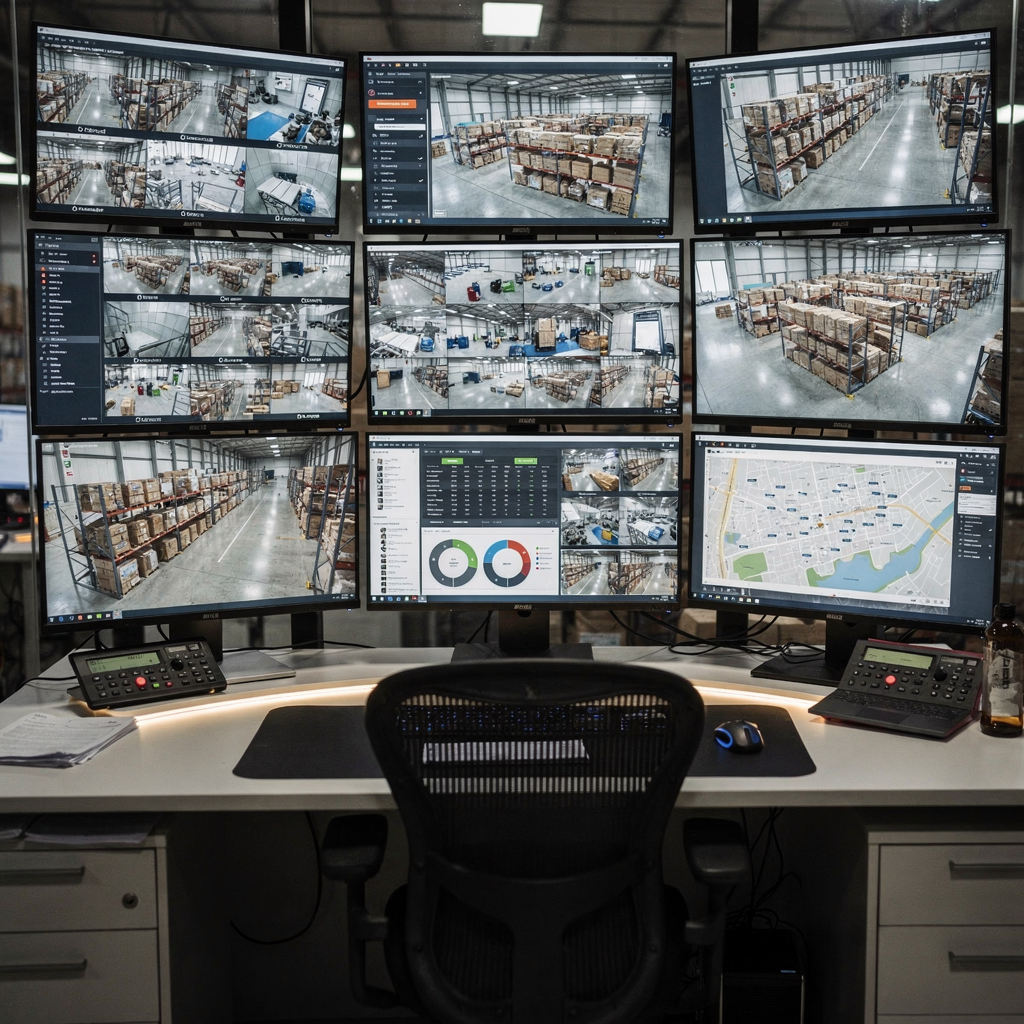
Genetec AI Agents: Security Solutions for Control Rooms
Solution Overview: Genetec AI Agents in Control Rooms Genetec AI Agents now sit inside the control room as a tier of intelligent support designed to unify disparate feeds and make operations more predictable. First, the agents integrate with the genetec security center and the Security Center Web interface so operators can see video, access lists, […]
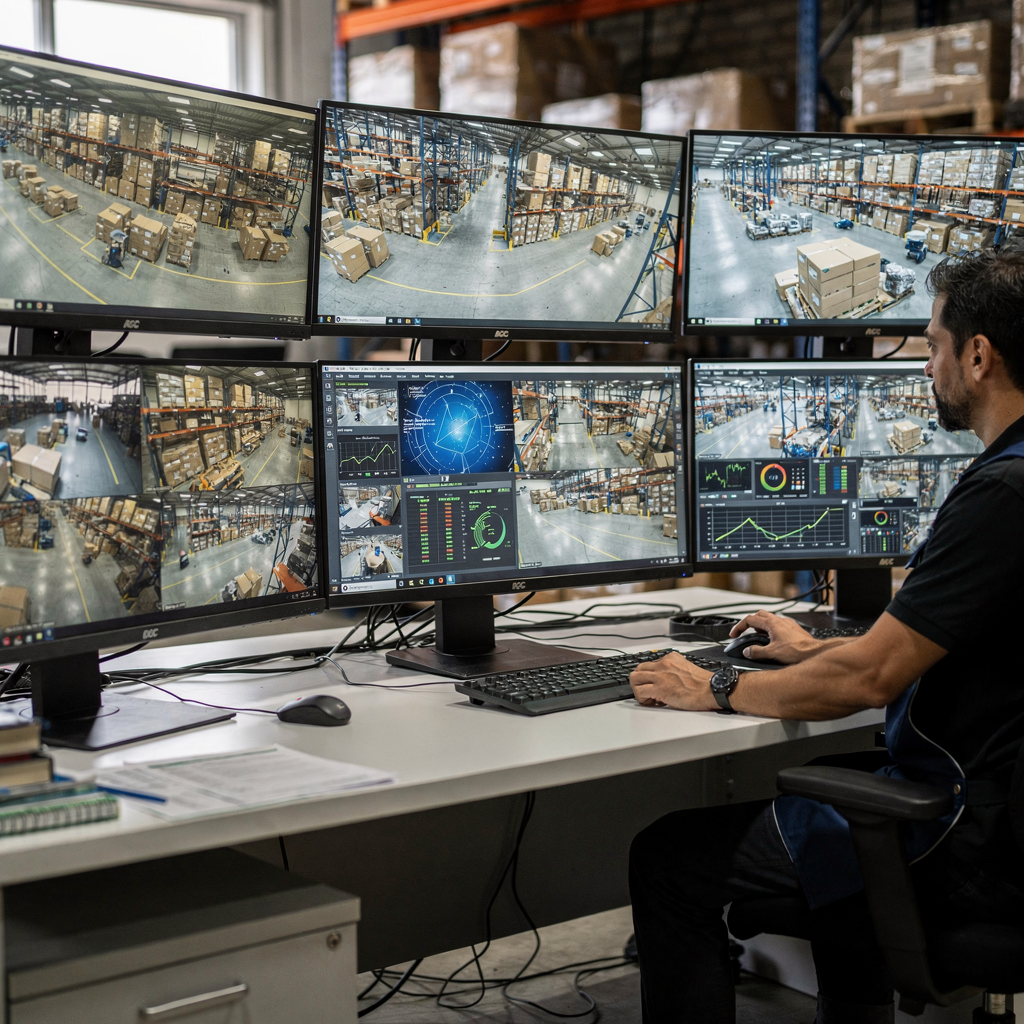
AI automation for Genetec control rooms – video analytics
Solution overview: AI video analytics solutions in Genetec Security Center Genetec Security Center offers one platform that unifies video, access control, and analytics. Also, it simplifies complex sites and gives operators a single view for incidents and routine checks. For example, the suite provides actionable event summaries and auditable logs that help teams make decisions […]
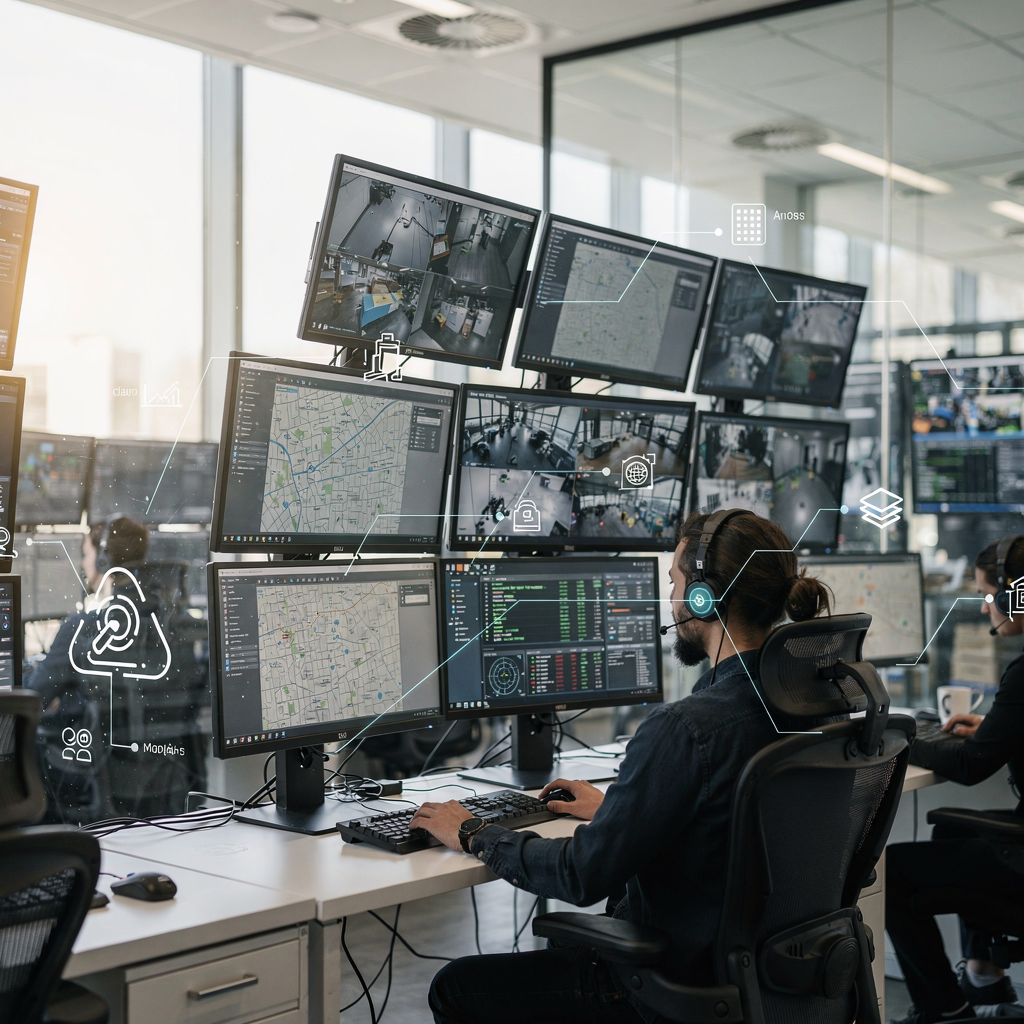
Smarter AI Agents for Genetec VMS Surveillance Solution
AI-Powered surveillance in Genetec: solution and application Genetec Security Center sits at the heart of modern video management. It combines traditional VMS tools with AI-powered analytics like Omnicast and AutoVu to transform how teams monitor and respond. These modules let operators detect, classify, and track people, objects, and vehicles across multiple camera streams in real-time. […]

AI-powered video intelligence layer for analytics
AI-powered Video Intelligence Layer: Foundations of Artificial Intelligence and Video Analytics The AI-powered video intelligence layer sits on top of raw video and turns frames into meaning. It acts as an intelligence layer that helps systems observe, reason, and respond. At its core this layer combines computer vision, machine learning, and natural language capabilities to […]
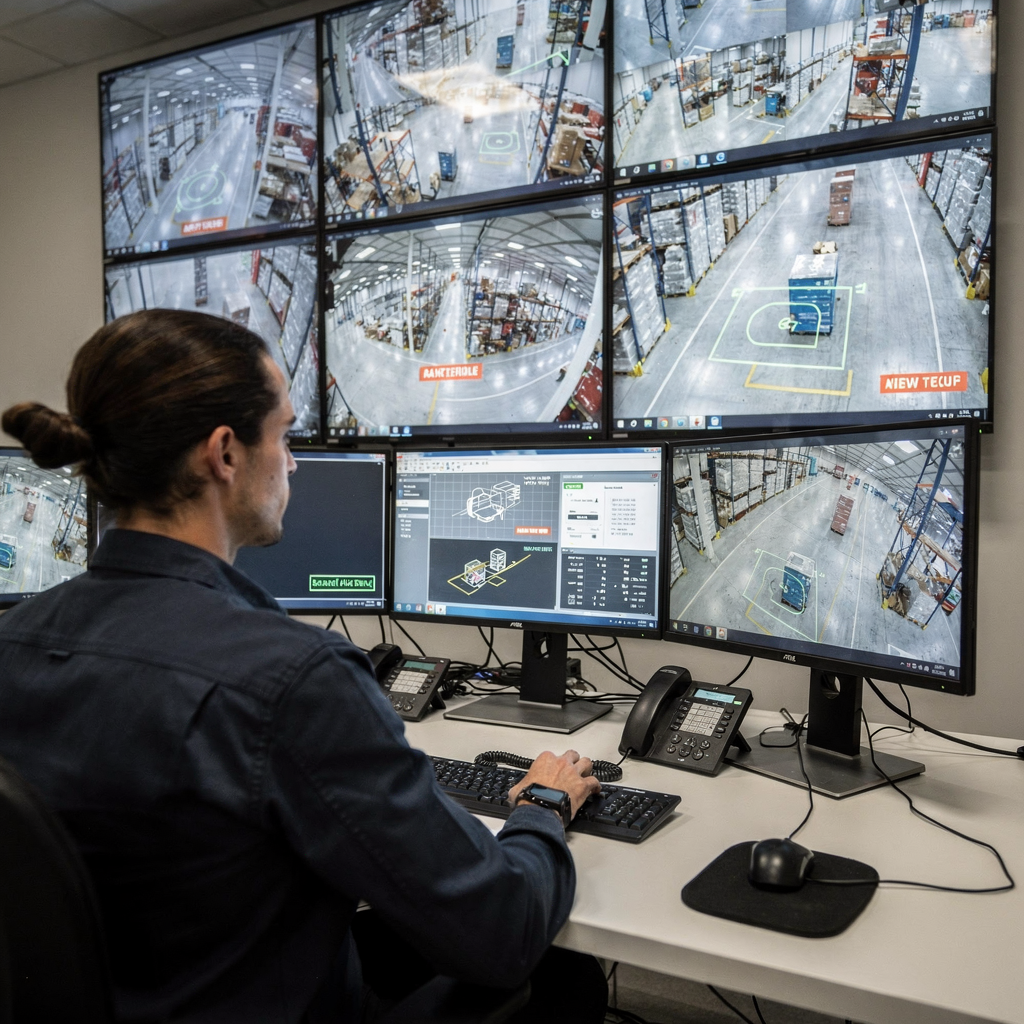
Unified video intelligence platform with AI analytics
Unify Video Management and Analytics to Enhance Critical Infrastructure Surveillance A single, cloud-based approach helps organizations unify access control, video management and analytics for critical infrastructure. First, it reduces the number of systems an operator must handle, and it simplifies workflows. Next, it lets teams consolidate feeds from multiple sites into one view, so investigations […]
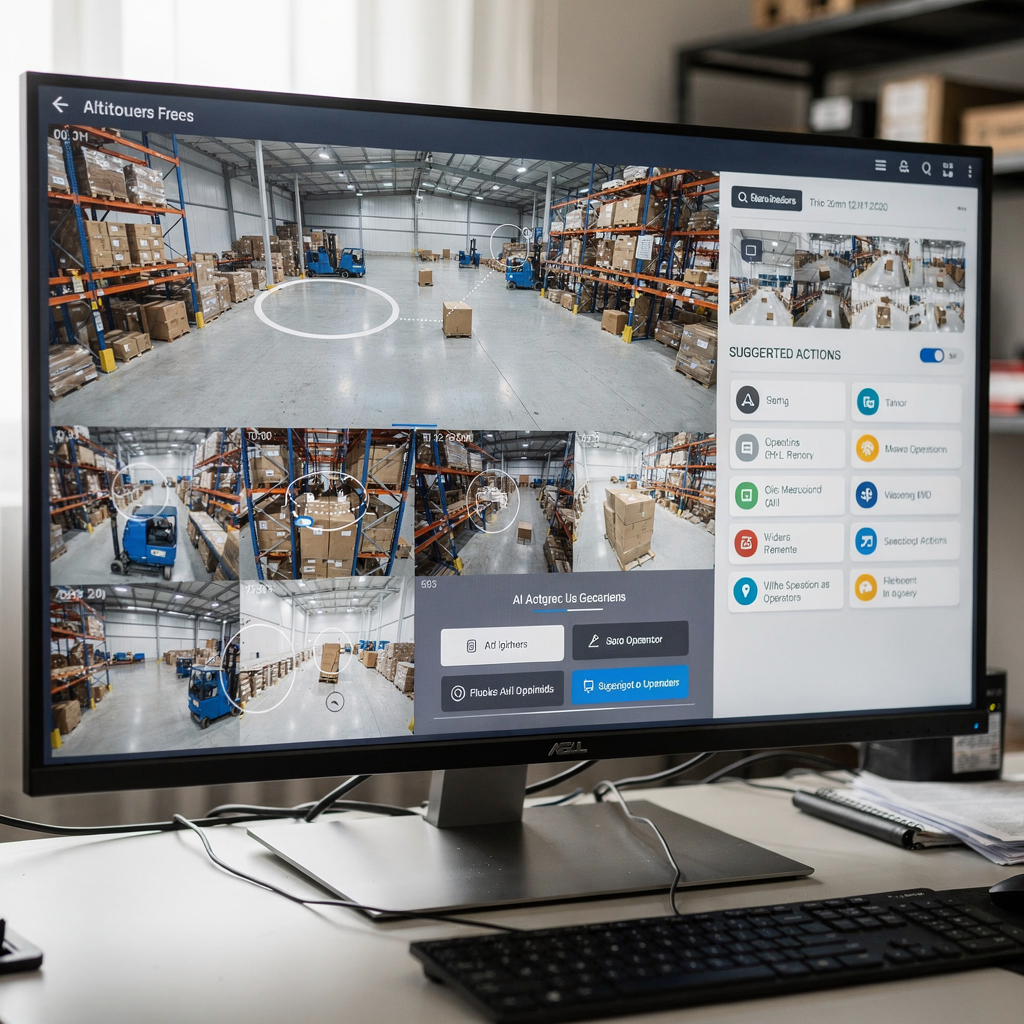
VP Agent – the control room AI agent for automation
ai control room: ai integration and ai-powered seamless automation The AI control room is a focused environment where monitoring, analysis, and action happen together. VP Agent sits at the center of that environment. The VP Agent Suite turns cameras and VMS data into a reasoning layer so teams can make informed decisions faster. For many […]
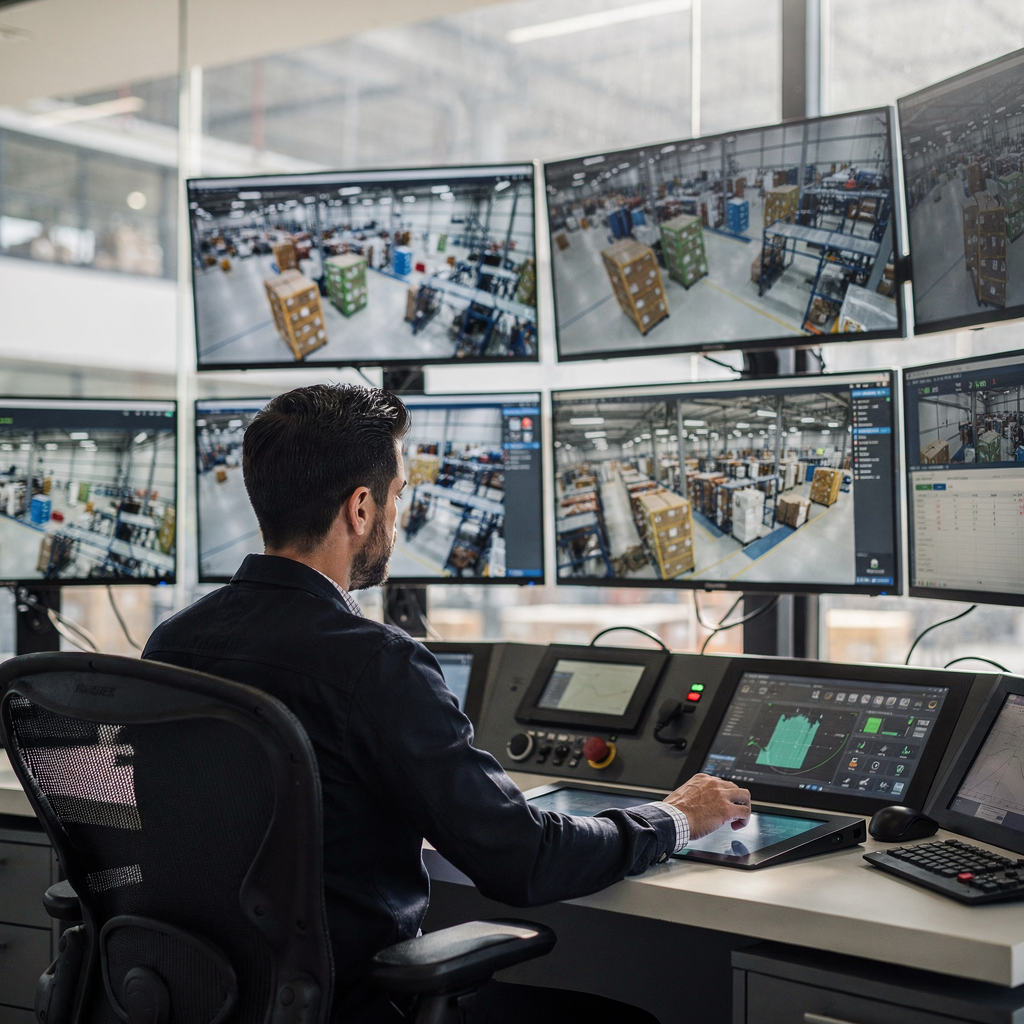
VP agent – the control room AI agent for automation
ai agent in the control room – Definition and Benefits An AI AGENT is a software component that senses, reasons, and acts in an environment. In a modern control room, an ai agent takes telemetry, video, logs, and rules. Then it evaluates that data and proposes or executes steps. VP Agent fits this role as […]
