


Category: Industry applications
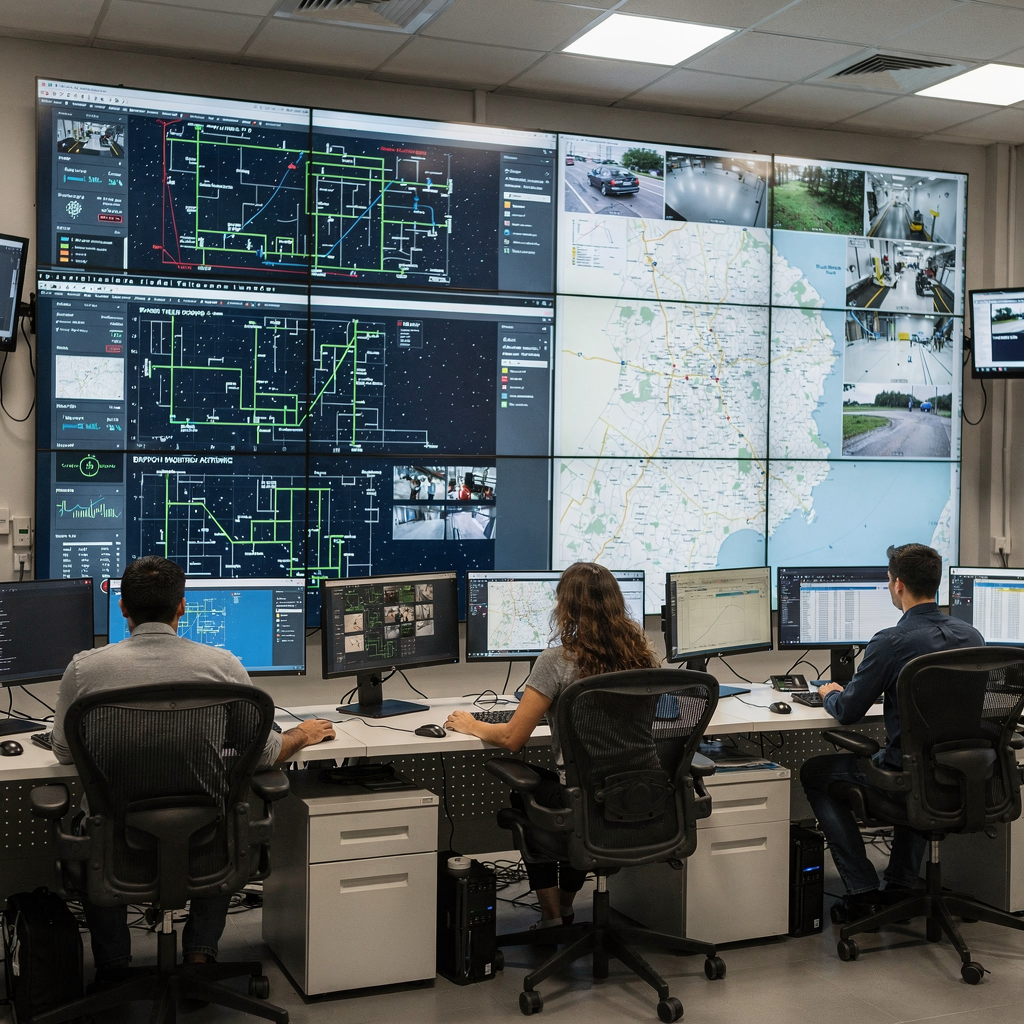
AI-driven digital control room of the future for utilities
Control room Foundations in Modern Utility Networks The control room has evolved from a bank of dials and paper logs into a high‑speed, digital nerve centre for power, water and gas. Today a modernized control space must ingest SCADA feeds, smart meters and dense IoT telemetry to preserve supply and safety. For utilities, this evolution […]
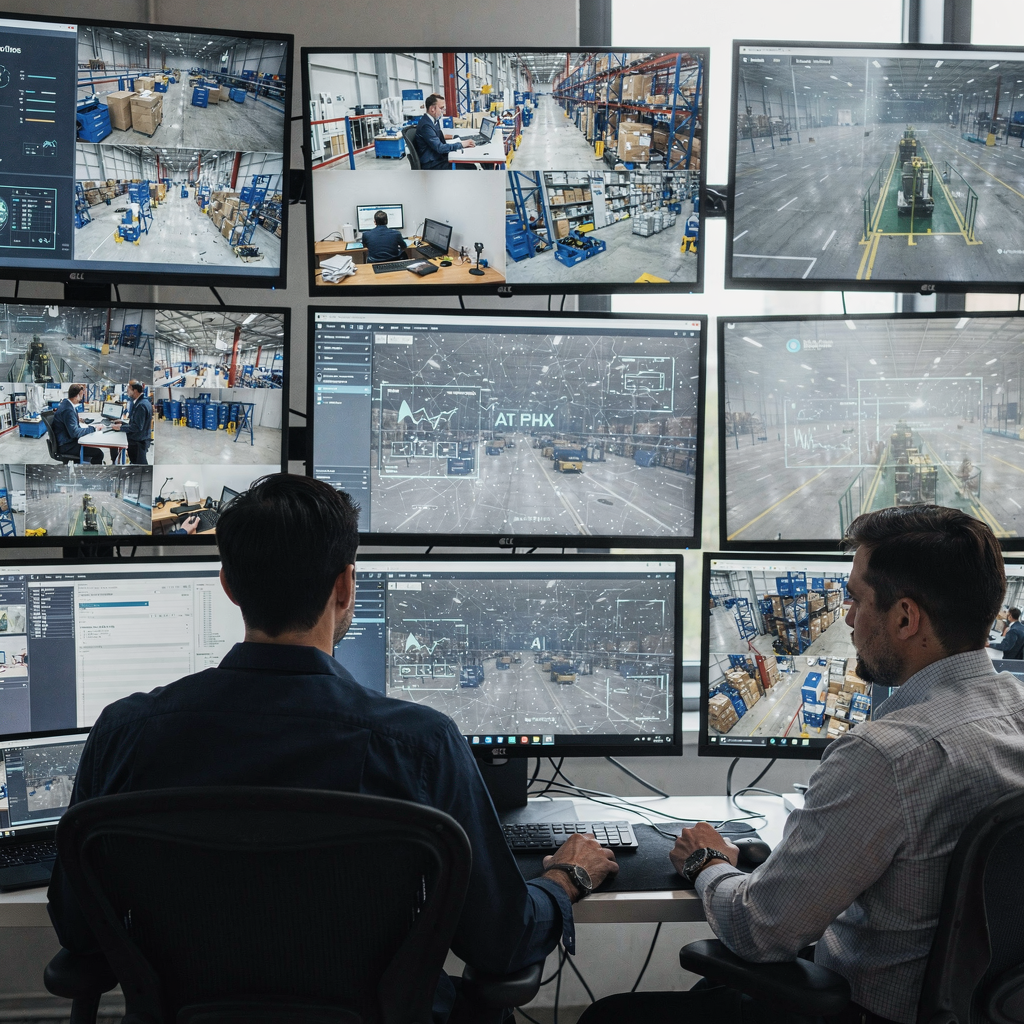
AI-first control room architecture framework
ai-first architecture: core building blocks for modern ai control room The AI-first architecture movement reframes how operations are designed, and it places AI at the center of system thinking. In this article I describe an ai-first architecture that balances compute, data, and human workflows. First, we must create core building blocks that let systems learn […]
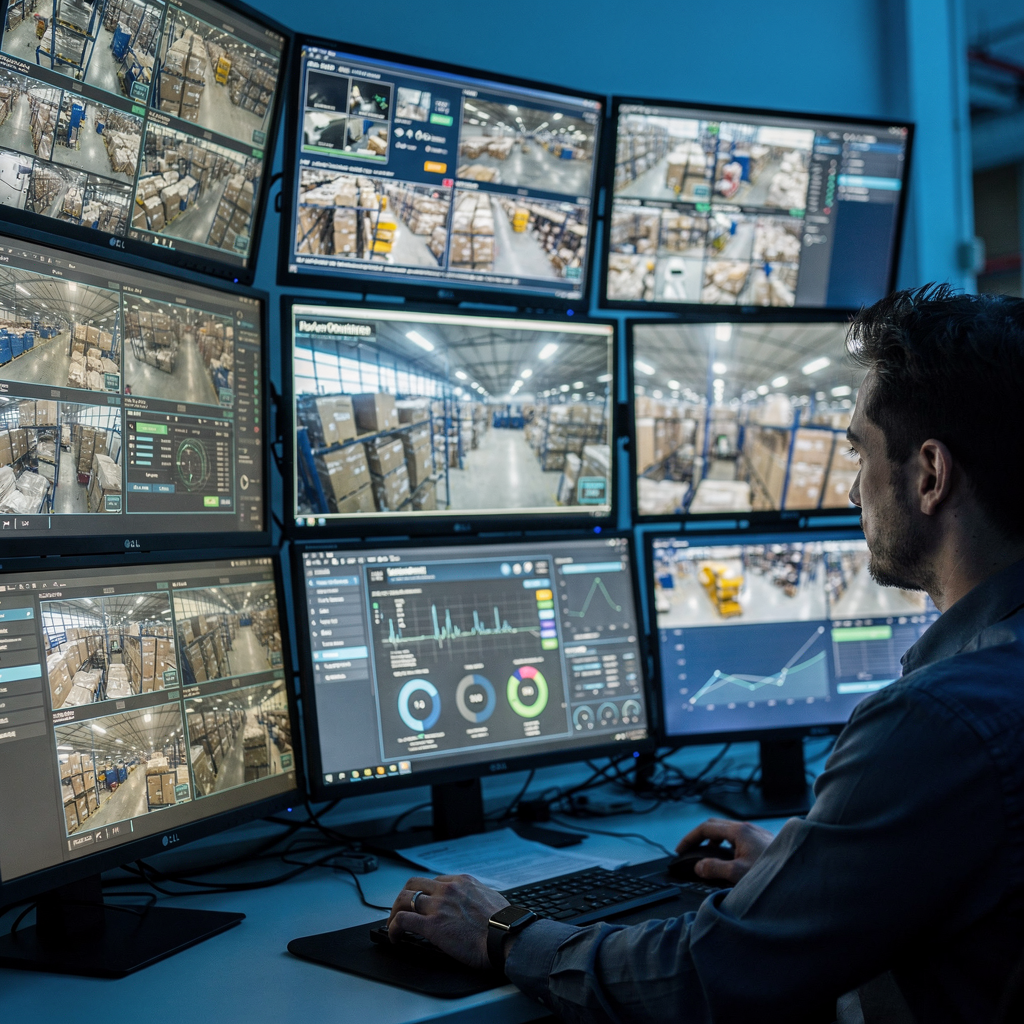
Smarter Autonomous Control Rooms with AI Agents
AI and automation in the control room: A purpose-built bridge to smarter operations Control rooms have evolved rapidly. First, simple consoles gave way to networked systems. Next, SCADA and VMS added telemetry and dashboards. Now, AI and purpose-built bridges connect legacy systems to new capabilities. As a result, control rooms become hubs for reasoning, not […]
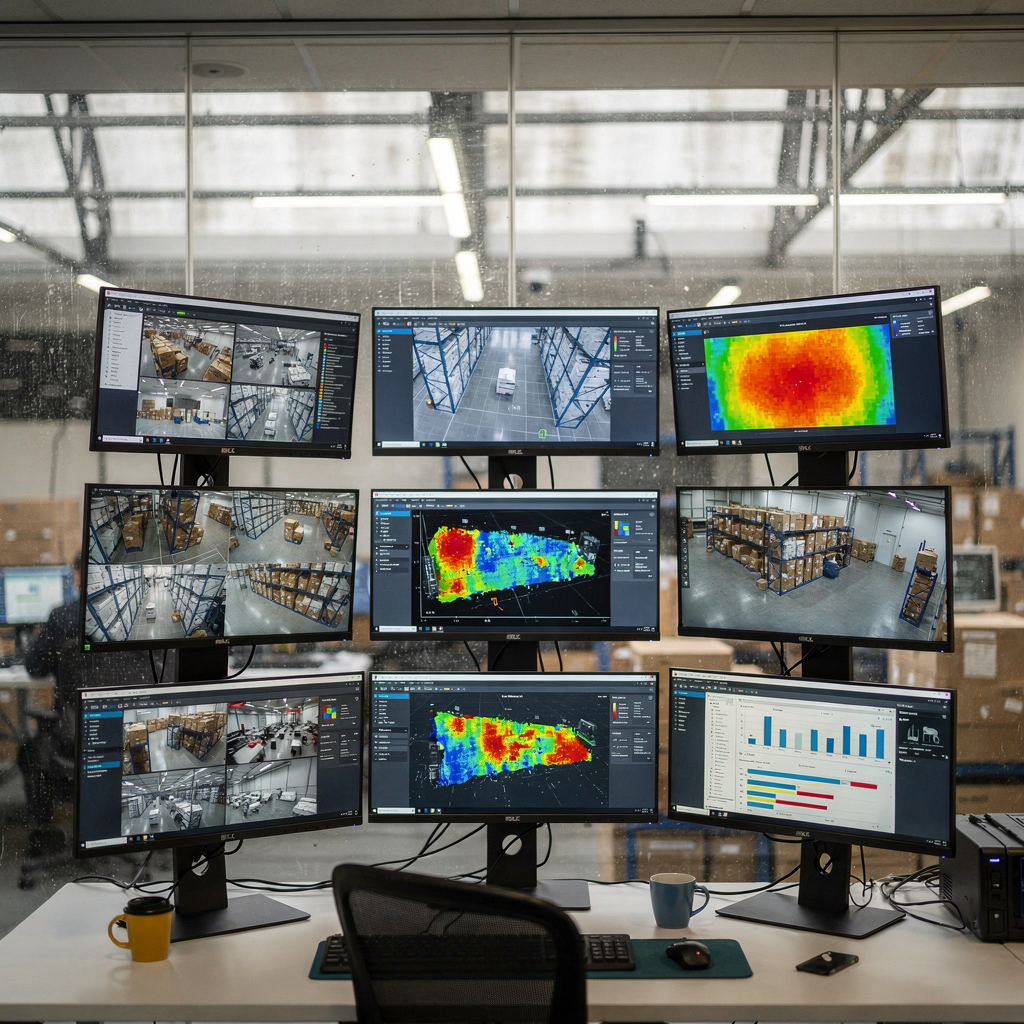
Next Generation CCTV Analytics with AI Video Surveillance
next-generation cctv and ai: an overview of ai video analytics and video surveillance Next-generation CCTV adopts AI to move beyond passive recording. First, IP cameras stream network video that enables real-time analysis. Next, AI video analytics interpret scenes, tag objects, and raise an alert when patterns match risk criteria. For example, a security camera can […]
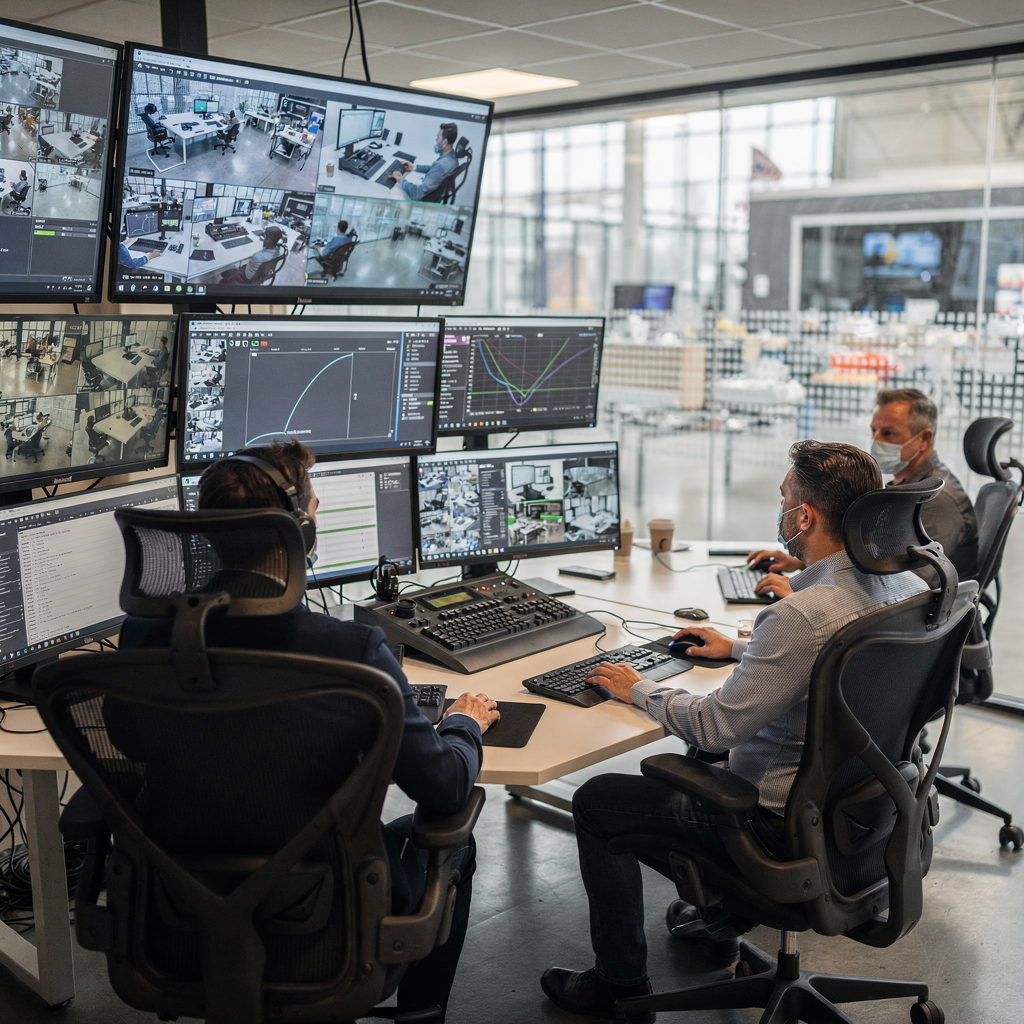
AI-powered control room 2025: future of AI in control rooms
AI in Control Rooms by 2025: Building a Resilient Ecosystem By 2025 the landscape for CONTROL ROOM operations will look noticeably different, and operators will rely on AI to keep systems resilient and responsive. Industry forecasts expect AI ADOPTION to expand rapidly, with a projected 25% CAGR through 2030 that signals growing investment and deployment […]
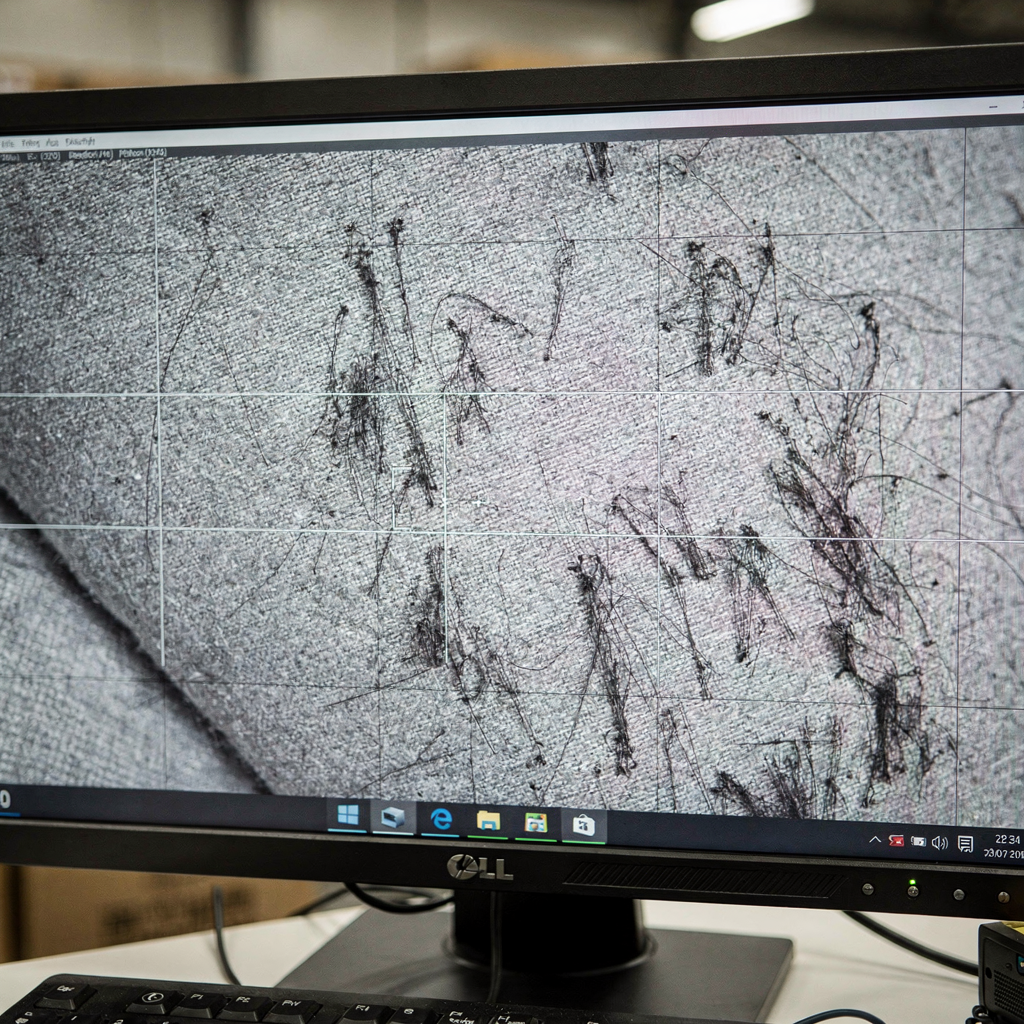
From Pixels to Decisions Control Rooms: Decision-Making
control room: The nerve centre of modern operations A control room sits at the hub of surveillance, transport management, emergency operations and industrial sites. In essence, it is the nerve center where teams monitor activity, coordinate responses and keep systems running. Today’s control room often combines cameras, sensors and telemetry on high-resolution displays so staff […]
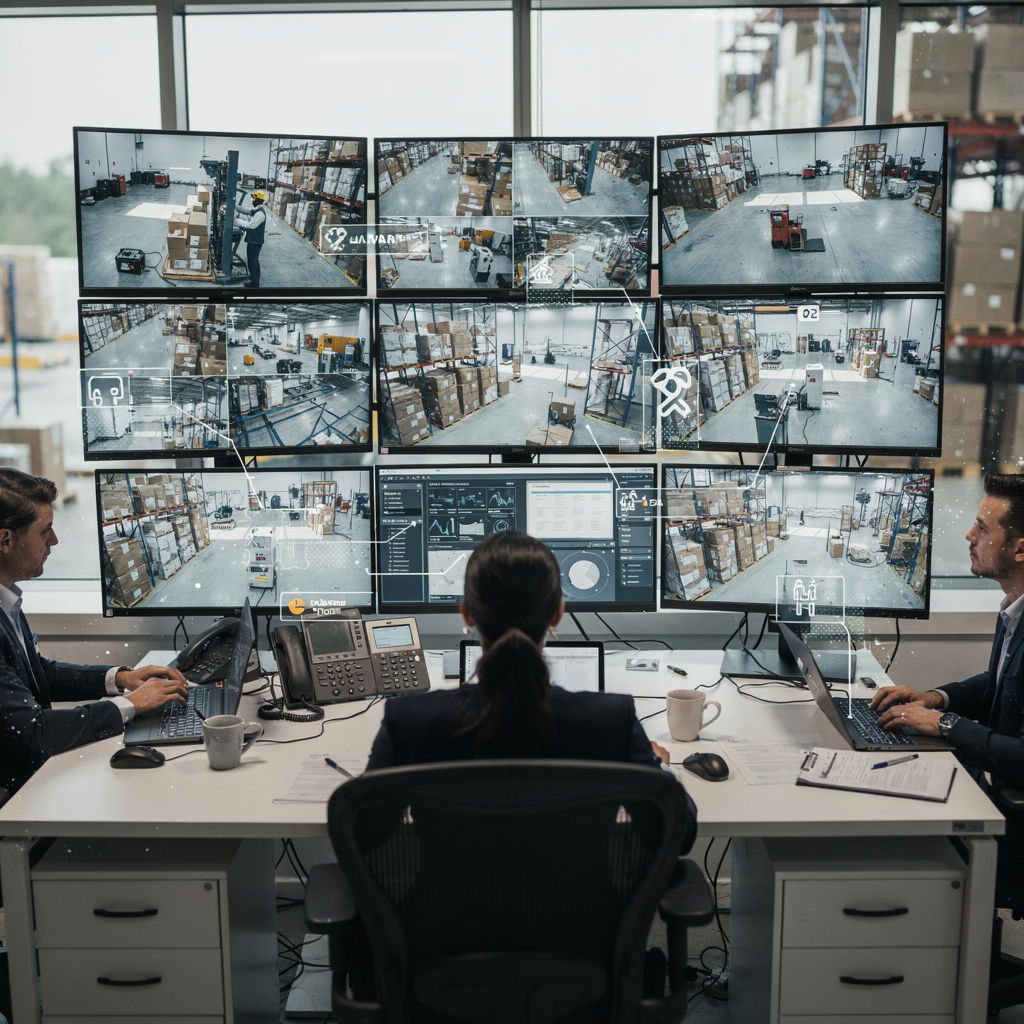
Video + text AI for security: AI video analytics
AI Video and ai video analytics for security solutions AI video analytics has become central to modern security solutions. It detects weapons, unusual behaviour, and unauthorized access from live feeds. These systems combine computer vision with rule-based logic and machine learning to reduce noise and highlight real situations. For example, systems that flag a weapon […]
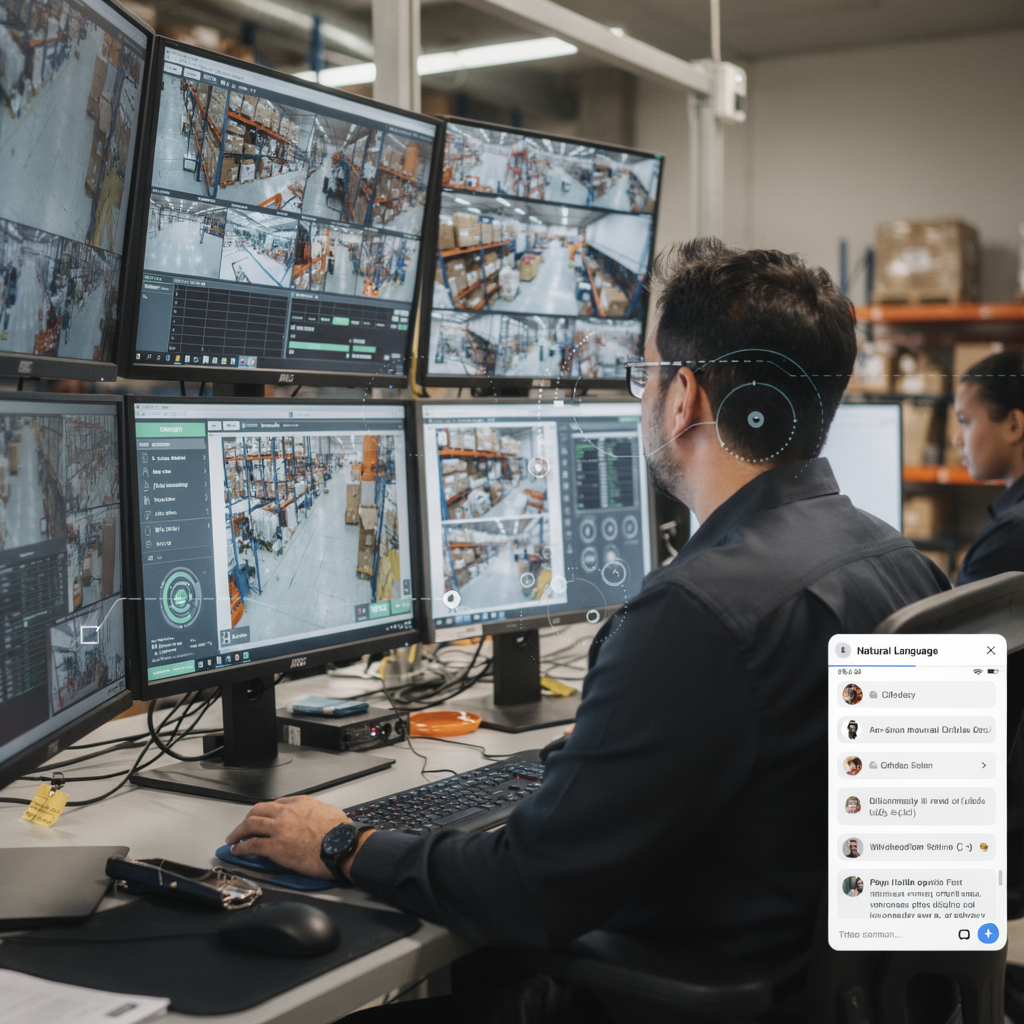
Multi-modal AI for control rooms: use cases & architecture
1. Introduction to multimodal and AI works in a control room Multimodal data streams combine visual, audio, text, and numeric inputs to create a richer, more contextual view of events. In a modern CONTROL ROOM, operators often face multiple sources at once. Cameras, microphones, alarms, and sensor outputs all arrive in parallel. Multimodal AI systems […]

Model for semantic understanding of video surveillance
use cases in smart cities Smart cities use surveillance in many practical ways. First, cameras monitor crowd density to prevent overcrowding in public spaces. Also, AI-driven analytics detect traffic congestion and optimise signal timings. Next, facial recognition systems control access to restricted areas in transport hubs. In addition, integration with IoT sensors such as air […]
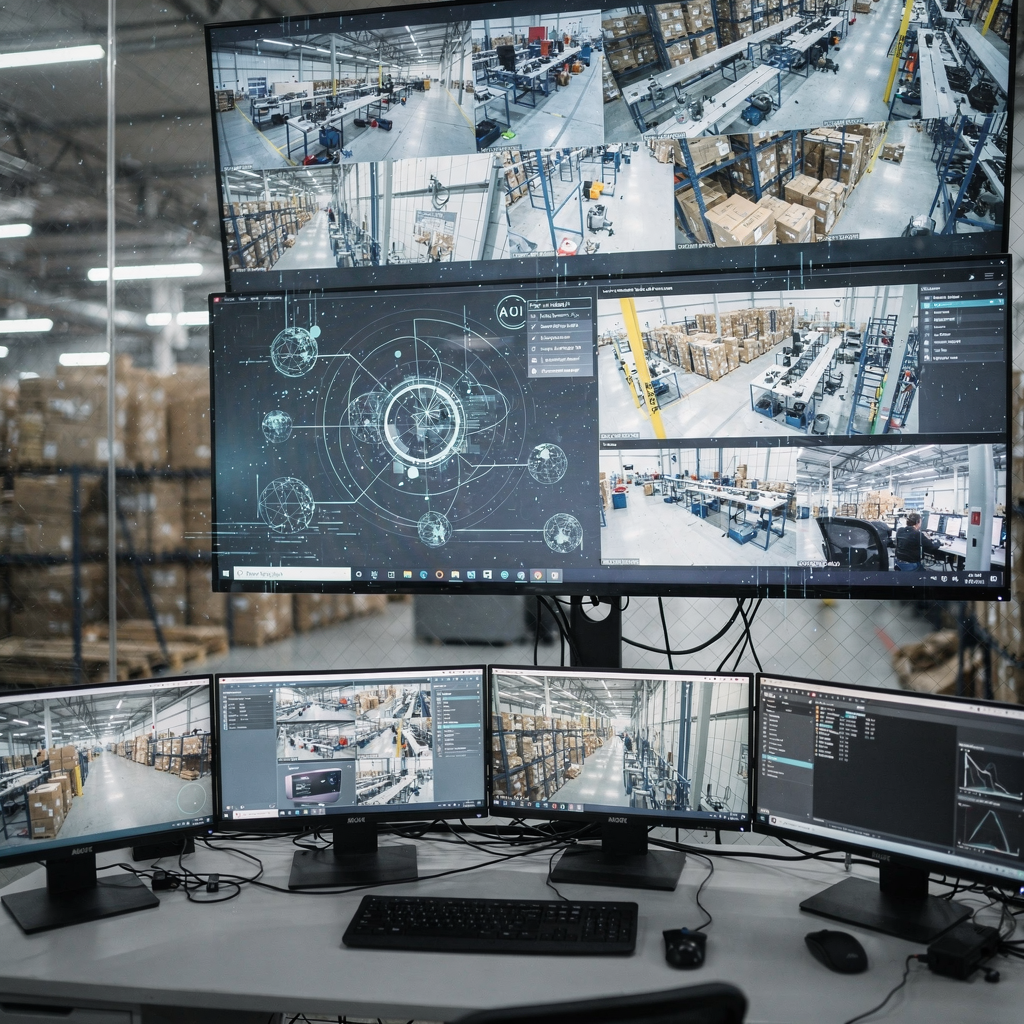
Context-aware Video Surveillance with AI Insights
Context-aware Video Surveillance: Definition and Benefits Context-aware video surveillance brings together visual feeds and extra information to create richer understanding. Also, it does this by combining CAMERA inputs with other SENSORS and metadata. Additionally, this approach lets AI reason about who, when, and where in a way that traditional systems cannot. Therefore, operators gain meaningful […]
