


Category: Industry applications
Beyond Object Detection CCTV: Advanced Video Surveillance
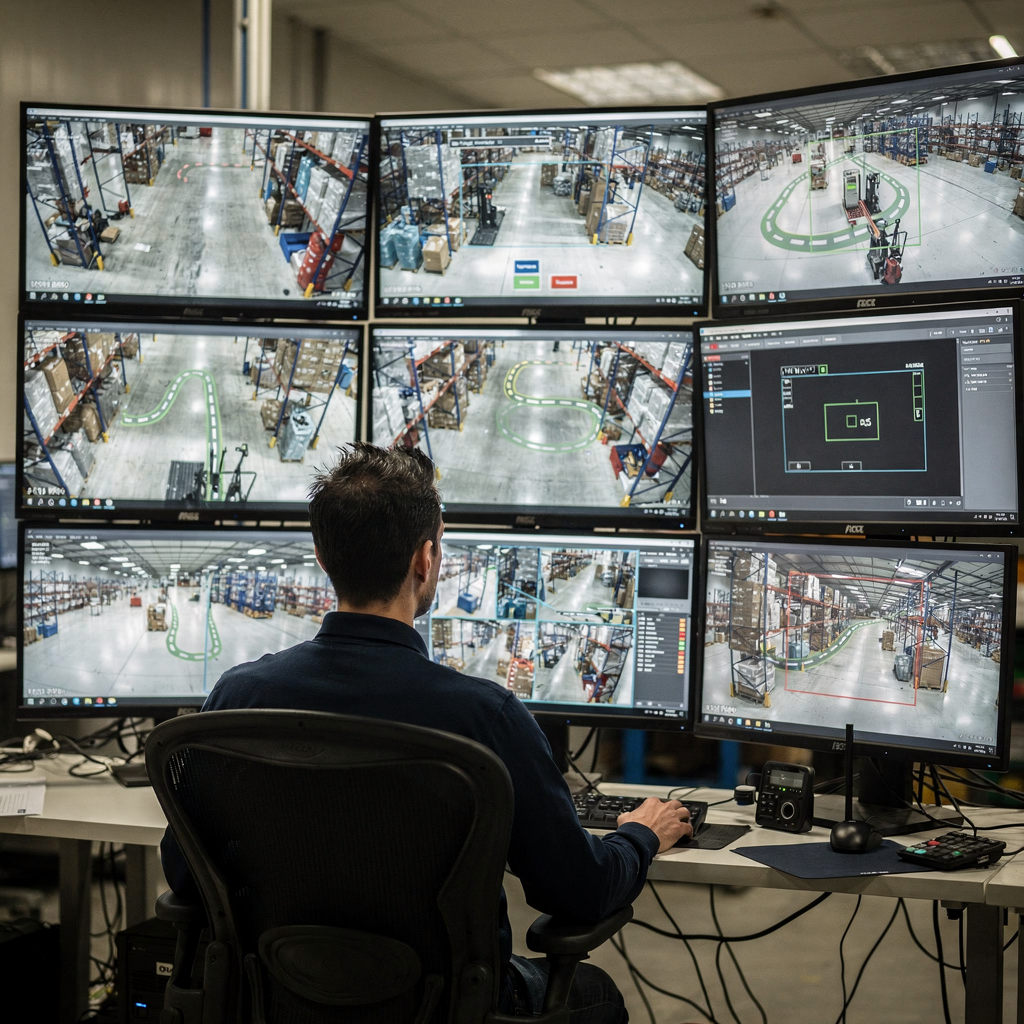
object detection in video surveillance: bounding boxes and role of object detection Object detection in video surveillance begins with an image. Systems scan each frame and generate bounding boxes and class probabilities to show where targets appear. At the core, detection is a computer vision task that helps identify and locate objects quickly, and it […]

Difference Between VLM and Video Analytics
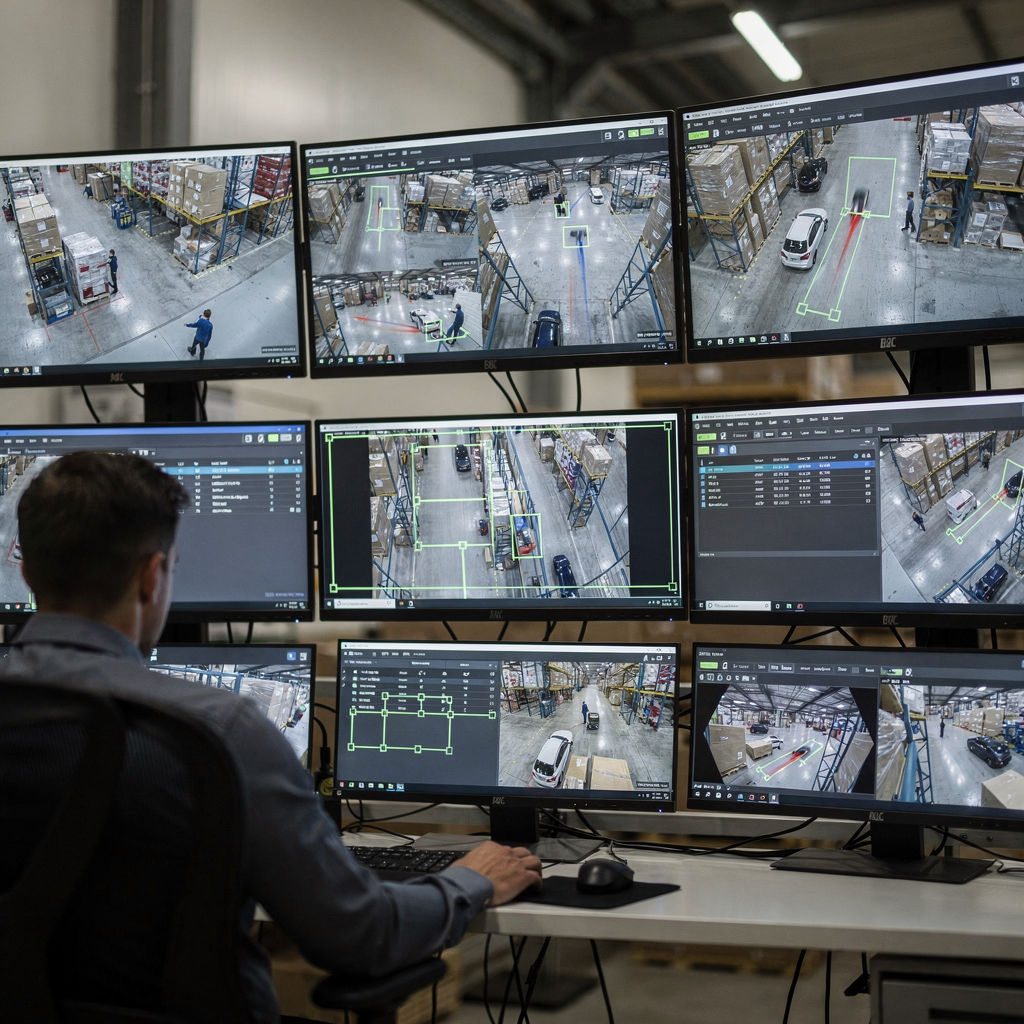
benchmark for vlm vs video analytics: object detection metrics Object detection sits at the heart of many security and retail systems, and so the choice between a vlm-based system and classic video analytics depends largely on measurable performance. First, define key metrics. Accuracy measures correct detections and classifications per frame. FPS (frames per second) shows […]
Video analytics vs vision language models explained
video analytics and computer vision: Core Concepts and Differences Video analytics and computer vision sit side by side in many technology stacks, yet they solve different problems. Video analytics refers to systems that process continuous video frames to detect motion, classify behavior, and trigger alarms. These systems focus on temporal continuity and the need to […]
Video analytics: AI-driven operational insights from video
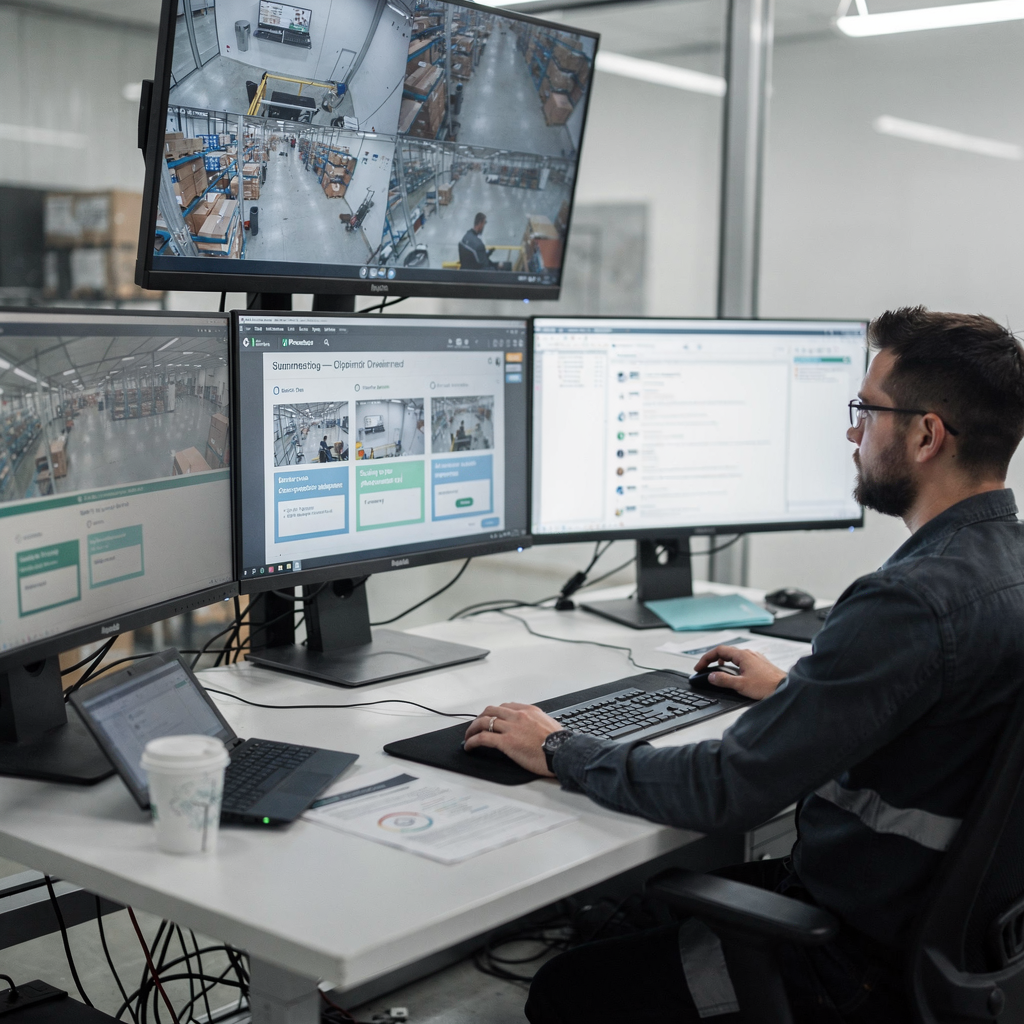
Explore How AI Video Analytics Transform Video Streams into Actionable Insights First, AI turns raw video into measurable data. Next, operators and managers gain context they can act on. For example, visionplatform.ai converts existing cameras and VMS systems into AI-assisted operational systems. Then, control rooms stop receiving only alerts. Instead, they receive explanations and recommended […]
Automated incident reporting control rooms solution
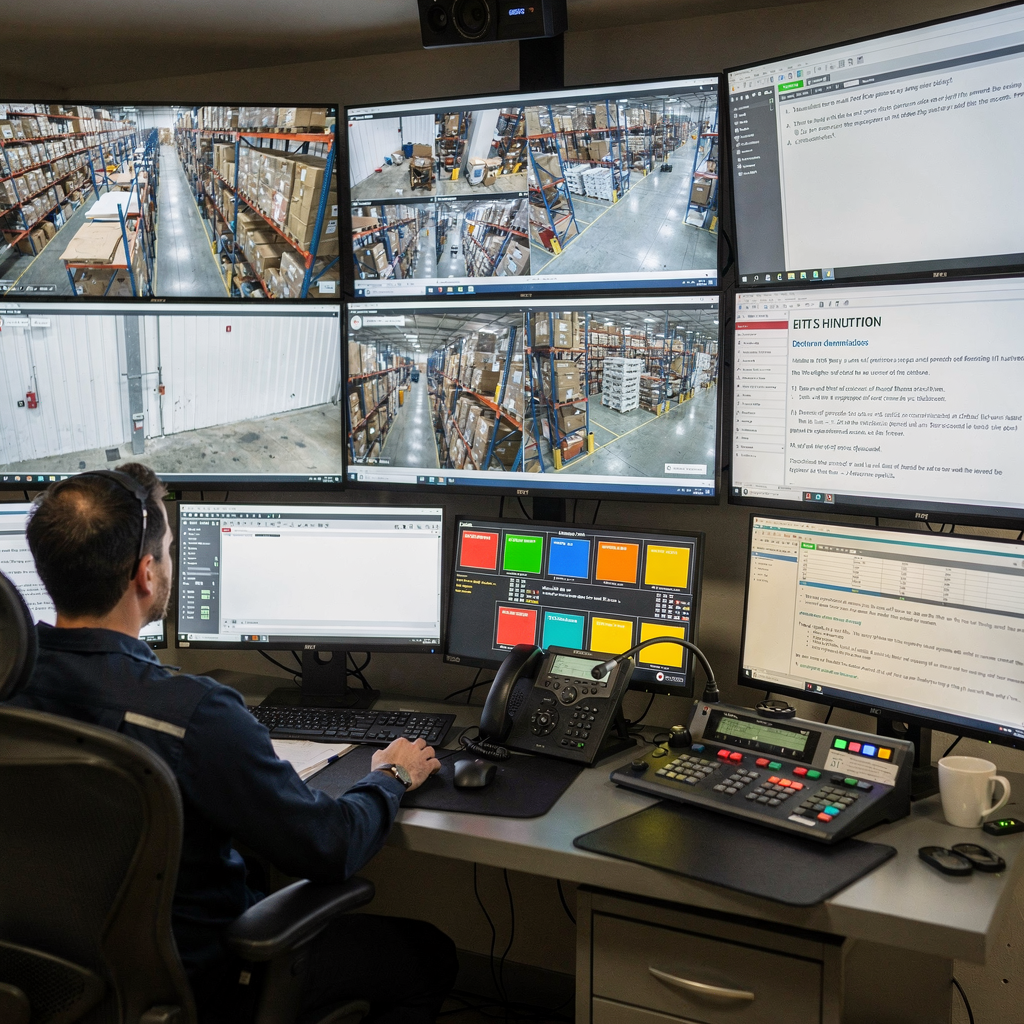
incident management in control rooms First, centralised control rooms gather many feeds. They pull CCTV, sensors, social media streams, and internal reports into one view. Next, operators see consolidated incident data and can compare sources quickly. For example, CCTV alerts pair with access control logs and alarm panels. Also, modern control rooms avoid siloed management […]
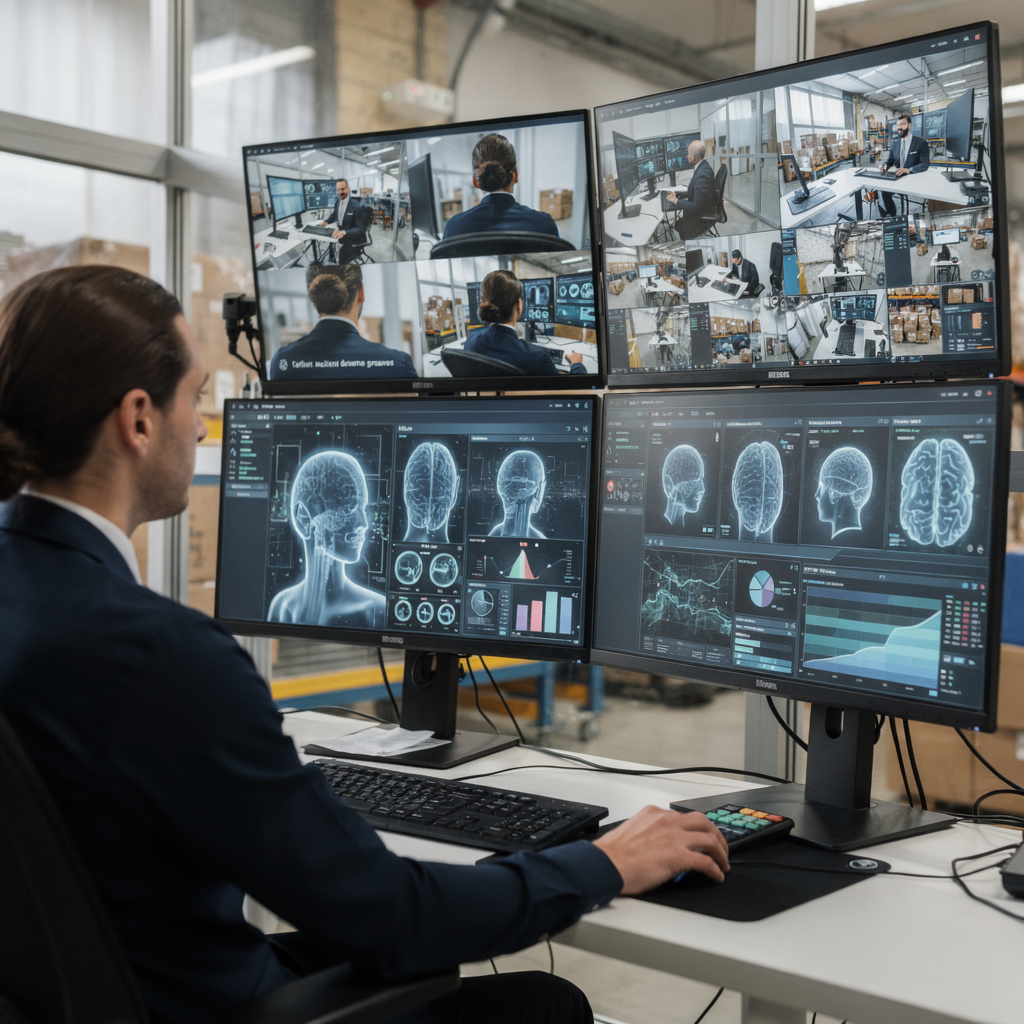
Reducing operator fatigue with AI fatigue detection
Understanding Operator Fatigue: Risks to Safety System Performance Operator fatigue is a reduced capacity to perform tasks that require attention, decision-making, and timely reactions. It occurs when tiredness and fatigue accumulate after long shifts, disrupted sleep, or repetitive work. As a result, cognitive fatigue and slower responses appear. Therefore safety can suffer. For example, studies […]
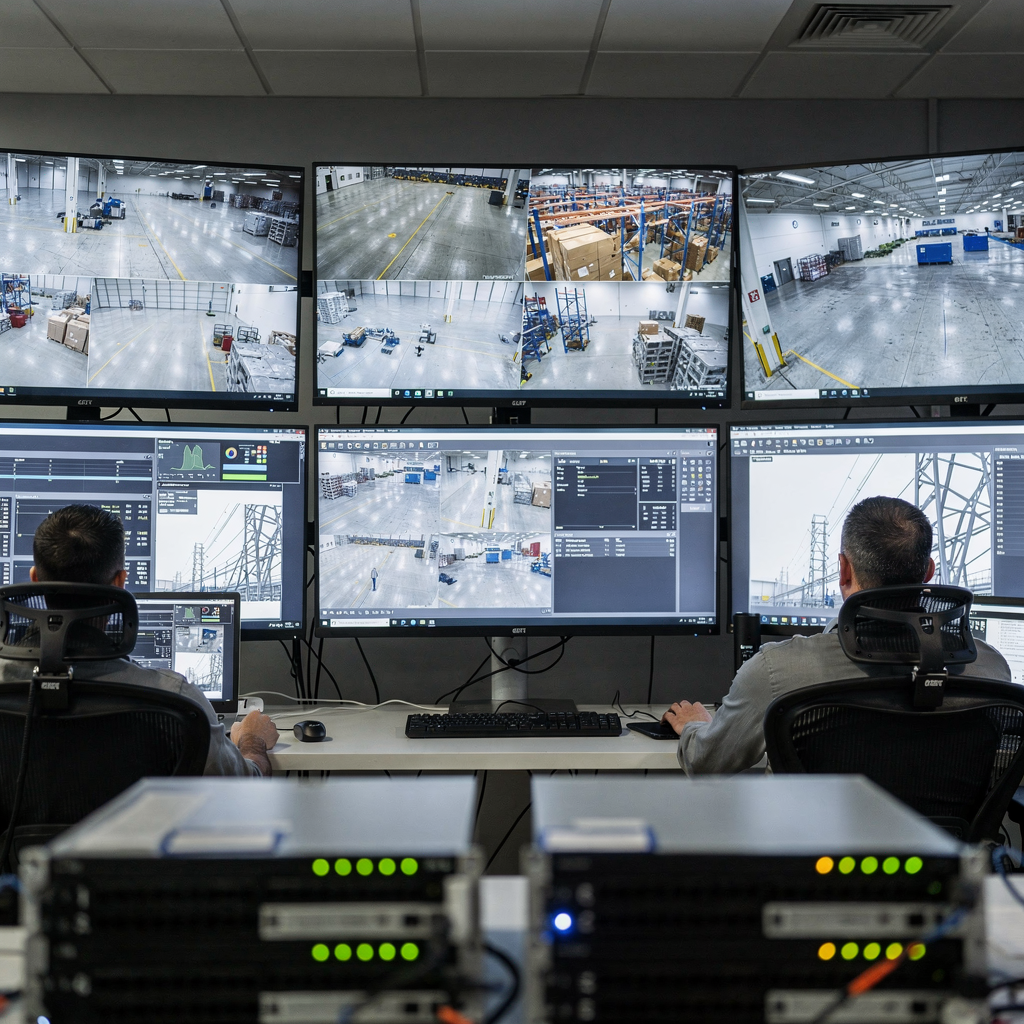
AI-driven situational awareness for real-time insights
ai-powered framework for real-time data and real-time analysis AI combines sensor fusion, machine learning, and edge compute to create a single system that provides continuous situational awareness. First, cameras and other sensors act as raw input. Then, on-device preprocessing reduces bandwidth and latency. Next, a framework assembles video feeds, radar, and IoT telemetry into unified […]
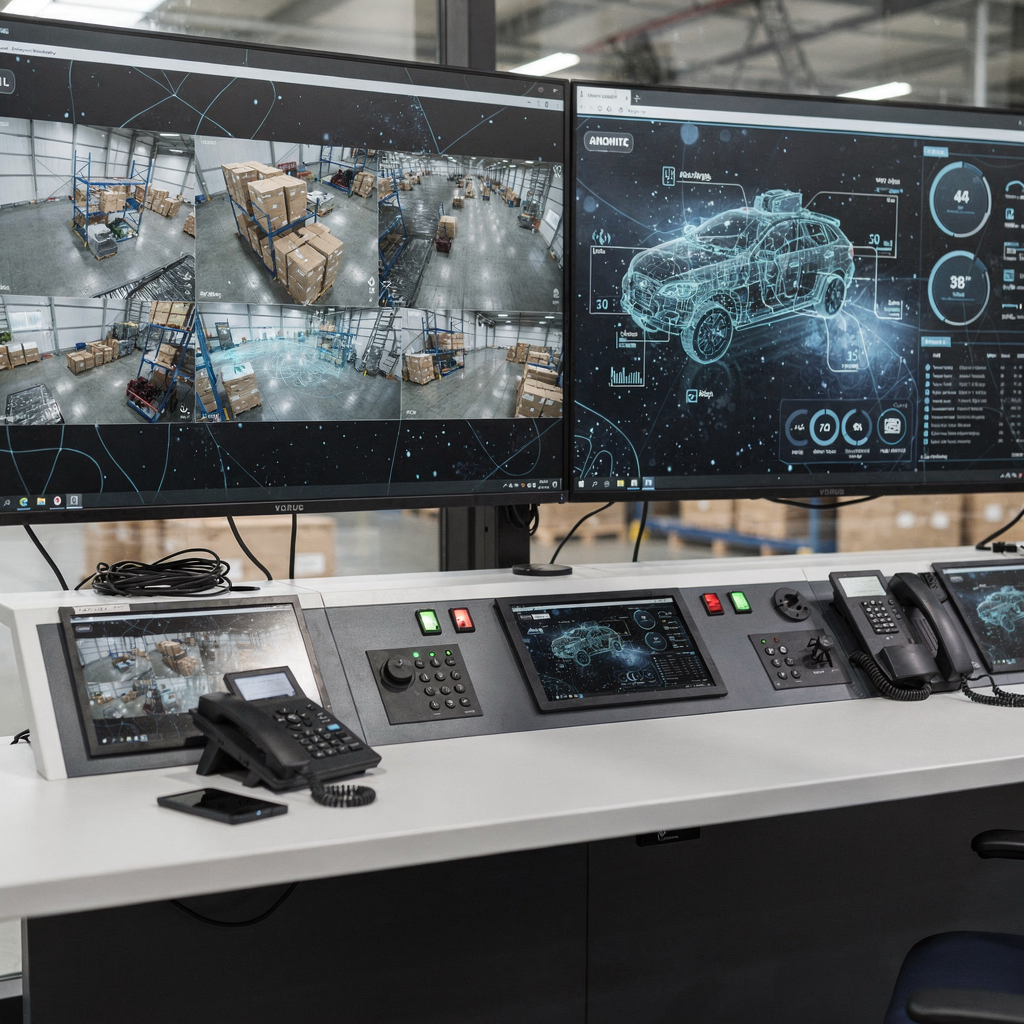
AI Decision Support for Control Rooms
ai in the control room Control rooms must process vast sensor feeds and video. AI ingests those feeds and log data to give a unified view. First, AI connects data streams from SCADA, cameras, and meters. Then, it correlates timestamps, metadata, and alerts so the operator sees one timeline. For example, a control room using […]
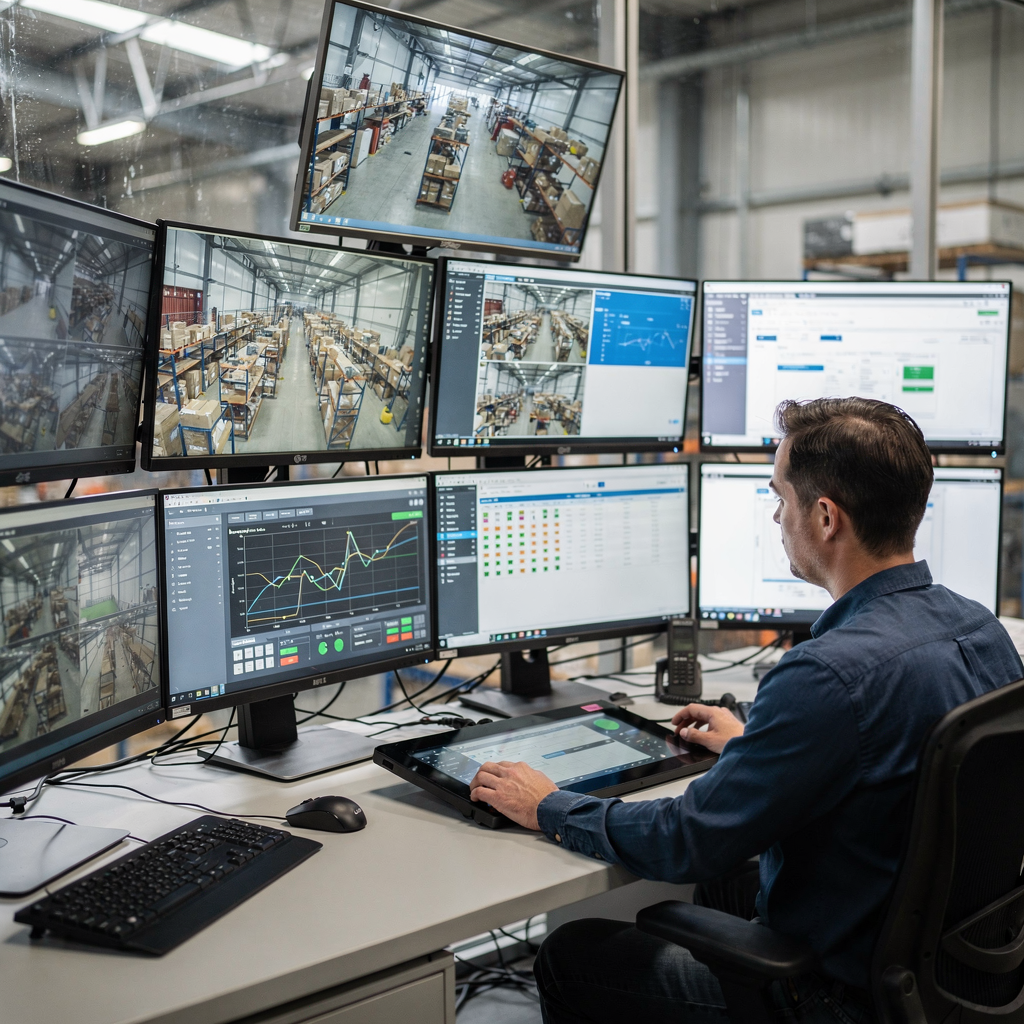
AI control room automation for industrial operations
AI Control Room Automation: Purpose-built Systems for 2025 and Beyond Control rooms in factories, grids, and transport hubs now face more signals than a person can follow. AI Control Room Automation offers purpose-built software and hardware that handle this load. First, these platforms ingest real-time data and correlate events to present an explained incident, not […]
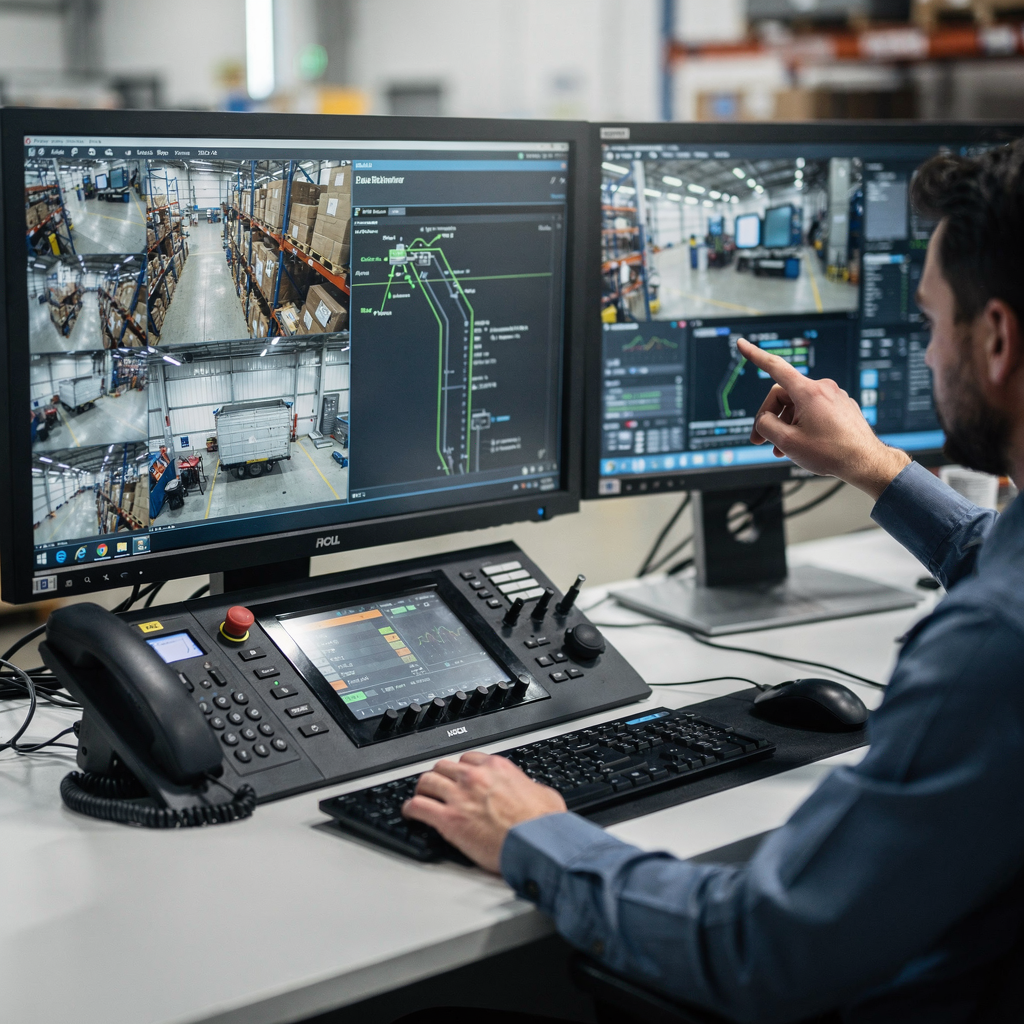
Next generation control room software with AI monitoring
control room infrastructure: building the foundation A reliable control room begins with robust infrastructure. First, define core hardware requirements. Servers, GPU accelerators, network switches, and resilient storage form the backbone. Next, outline network and edge-computing requirements that support low-latency data flows. For mission-critical environments you must ensure redundancy and real-time data access. In practice, combining […]
