ai-driven Insights in Avigilon Control Rooms: From Reactive to Proactive Monitoring
AI now powers a new generation of control rooms, and Avigilon leads with focused tools that change how teams work. First, AI agents analyze live feeds and sensor inputs to pick up loitering, perimeter breaches and unusual behaviour. Then, they score events by risk so human staff can act fast. This shift helps move teams from reactive watching to proactive response. Avigilon’s approach uses advanced analytics to reduce noise and surface meaningful incidents. The company reports detection accuracy rates exceeding 95%, which directly cuts false positives and eases operator load.
Control rooms that adopt this tech see a drop in routine alerts. As a result, staff spend less time verifying alarms. Instead, they pursue confirmed incidents and complex investigations. John Smith, Security Technology Analyst at AVE Technologies, puts it plainly: “Avigilon’s AI agents represent a significant leap forward in control room operations.” His point highlights how AI analytics let teams detect true risks faster while keeping patrols focused.
AI also improves video surveillance by combining object classification with behaviour rules. For example, a camera that spots a person loitering near an entry point can trigger a linked access control event and a priority alarm. You can explore focused examples like our loitering rules in airport deployments to understand how the tech applies in practice (loitering detection). This integrated response supports situational awareness and reduces response times so security personnel handle fewer distractions and more critical tasks. Finally, the move to proactive workflows lets control rooms scale and adapt without needing linear increases in staff.
avigilon unity, Access Control System and Sensor Fusion for Real-Time Monitoring
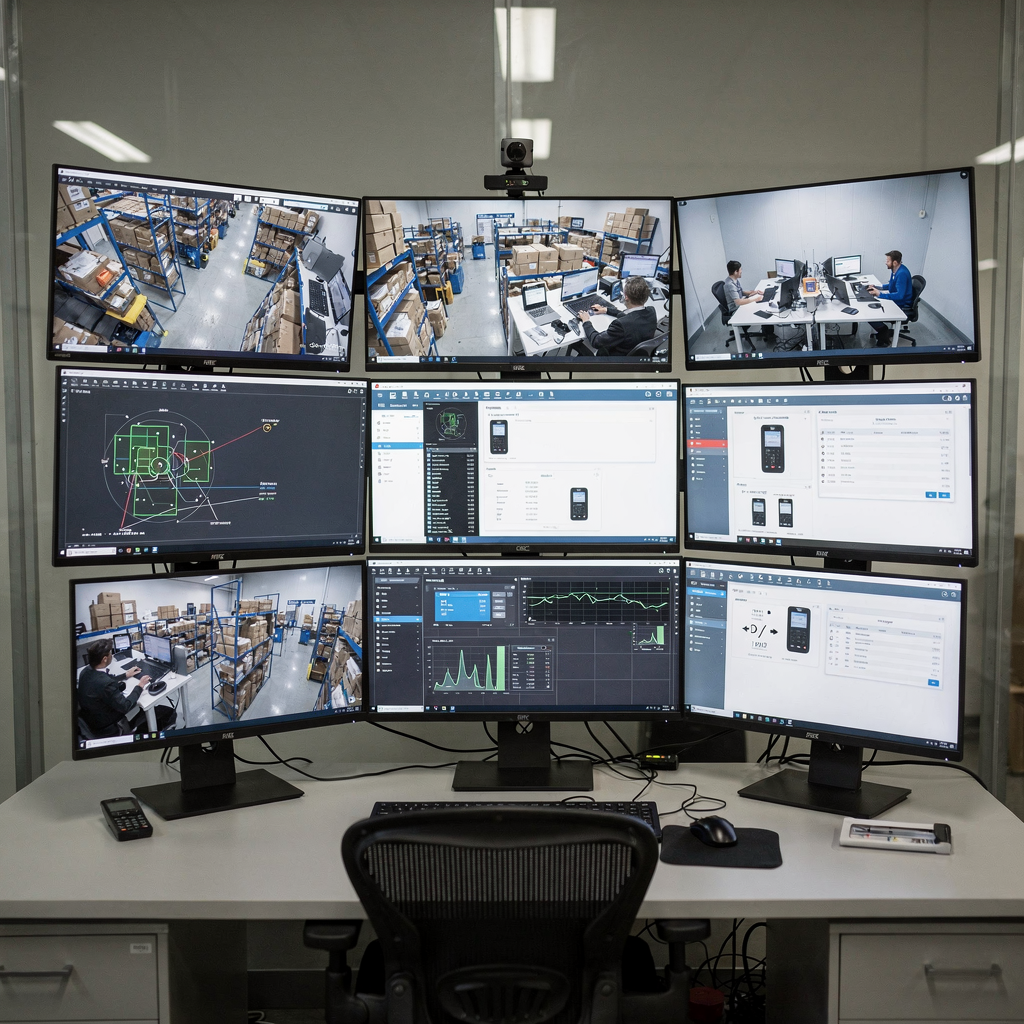
Avigilon Unity unifies video, access and alarms into a single pane so operators gain a consistent view of activity. The avigilon unity platform ties cameras to access events and sensor outputs, and it exposes them through a central dashboard for quick decisions. By fusing camera feeds, motion detectors and other sensor inputs, teams get richer context. This sensor fusion helps confirm whether a perimeter breach is an actual intrusion, and it avoids needless dispatches.
The dashboard improves situational awareness because it reduces the number of windows an operator must watch. Data flows remain visible, correlated and actionable. The result is clear: faster verification and fewer escalations. Avigilon designed the system so integration with Avigilon Unity or third-party components occurs smoothly, which matches a common goal when operators modernize existing systems. For more on perimeter event handling, see our perimeter breach examples and detection logic (perimeter breach detection).
Avigilon Unity also supports hybrid deployments. Teams can run on-premise appliances while using cloud services for selected tasks. This dual approach preserves data control and helps meet compliance demands. The platform exposes APIs so integrators can build custom workflows and link other management software or a video management system. Those links matter because enterprise environments host many device types, from dome camera models to smart sensor nodes. Operators gain a single control view, better system health indicators, and predictable escalation paths. Consequently, safety and security improve, and teams can manage more with less effort.
AI vision within minutes?
With our no-code platform you can just focus on your data, we’ll do the rest
Access Control Solutions: Smart Sensor Networks and Smart Access Workflows
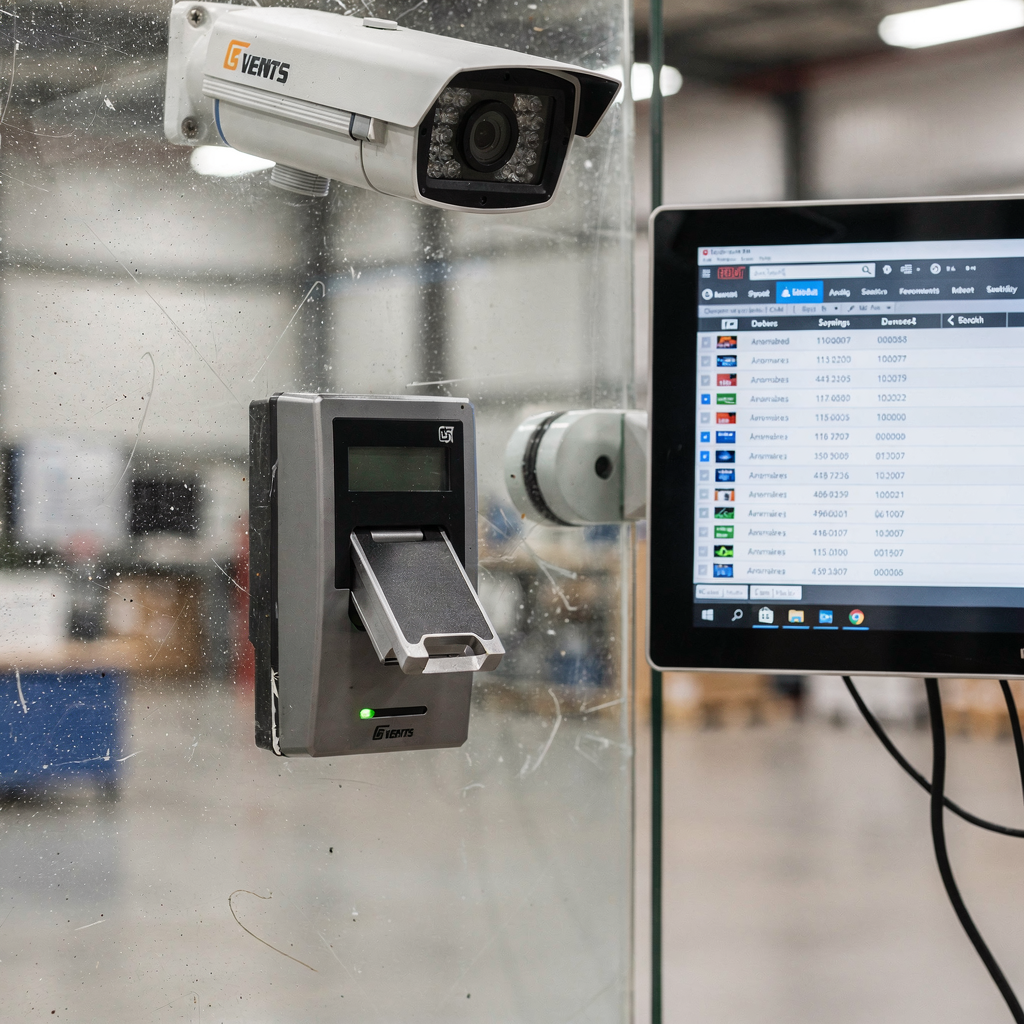
Access control now blends physical keys with intelligent decision rules. Avigilon’s access control solutions combine credential checks, facial recognition and environmental sensors to automate entry workflows. When a camera identifies a person and an access request arrives, the system cross-references identity, clearance and recent behaviour. If the event fits policy, the door unlocks automatically. If not, the system escalates with a high-priority alarm and a guided verification task for security personnel.
Facial recognition plays a targeted role in smart access. It speeds legitimate entry and helps spot persons of interest. At the same time, object classification assists in identifying unauthorized items near entry points. Those combined capabilities let control rooms handle busy lobbies without sacrificing security. Avigilon’s access control system supports policy-based lockdowns, and it can trigger automated lockdowns or route alerts to specific security operators. The system also supports manual override and audit trails so decisions remain transparent.
Smart sensor networks further improve context. Temperature, motion and door-state sensors provide an additional verification layer. With a smart sensor array, a detected tailgate at an entry point will cause targeted camera playback and a recommended action. That workflow reduces guesswork and speeds response. Our own platform emphasizes search and reasoning over those same events, turning detections into explained situations so operators can trust automated recommendations. The integration of sensors, credentials and analytics creates a comprehensive security solution that fits modern entry points and busy sites.
Integration with avigilon: Achieving Seamless Integration Across Systems
Seamless integration matters when sites want to upgrade without replacing everything. Integration with Avigilon runs through documented APIs and connector modules that allow third-party cameras, door controllers and incident systems to exchange data smoothly. You can add smart modules, link to other VMS products, and keep a single operational picture. For teams that need forensic review, the platform connects with historical search tools and our forensic workflows to accelerate investigation time. See our forensic search example for how search across timelines works (forensic search in airports).
To ensure seamless integration, follow a phased approach: assess existing systems, pilot a limited site, validate event mappings, and then scale. That sequence reduces risk and limits downtime. Avigilon provides SDKs and documentation for direct integration with Avigilon Control Center and other controllers. At the same time, integrators often rely on middleware to normalize events and to feed data into management software. That pattern keeps operations stable, and it lowers the chance of missed alarms or mismatched metadata.
There are real-world wins. Multi-site consolidations show how unified command-and-control centres improve response and jurisdictional oversight across campuses and distributed facilities. Integrators report fewer false alarms, faster case closure, and clearer audit trails. For airports and large campuses, that centralized approach supports coordinated resource allocation across shifts and incident types. Overall, a careful integration plan yields a robust, integrated security approach that keeps existing investments working while unlocking new capabilities.
AI vision within minutes?
With our no-code platform you can just focus on your data, we’ll do the rest
Power of ai and Smarter Security: Automated Alerts and Optimised Operations with Access Control
The power of AI reshapes how alerts are triaged. AI models rank incidents by likelihood and impact, and then push prioritized events to operators. This triage reduces cognitive load, and it frees security teams to handle complex investigations. When an alarm fires, AI can pull recent camera footage, access logs and sensor readings to create a verified incident summary. That summary explains what was detected, what corroborates the alarm, and recommended next steps.
Smarter security workflows limit operator fatigue and accelerate response. For example, a verified intrusion might include a pre-filled incident report and a recommended lockdown path. Then, the operator either accepts the action or escalates it. This human-in-the-loop design preserves oversight, while routine tasks become automated. Organizations report up to a 40% reduction in response times after adopting AI agents and automated prioritization, which translates into faster containment and lower operational cost (reported efficiency gains).
AI also extends to access control. Linked analytics can block suspicious badge use and flag credential misuse in real-time. Those protections help maintain a strong security posture across entry points and internal zones. Our own visionplatform.ai work emphasizes reasoning agents that verify alarms and recommend actions. That capability turns raw detections into meaningful context, which leads to measurable improvements in both safety and day-to-day operational efficiency. Ultimately, AI helps modern security teams scale their coverage without linear staff growth.
Building a Security Ecosystem: Scalability, Data Control and Future-Proofing
Designing a complete security ecosystem requires attention to scale, data governance and adaptability. Avigilon provides scalable platforms that support thousands of cameras and access points, and they supply architecture options from cloud to on-premise deployments. That scalability matters when organizations expand operations or when they must centralize multiple sites. At the same time, teams need clear policies for data retention, processing and access to meet regulatory demands and to protect privacy.
Data control is central to future-proofing. On-premise processing keeps sensitive video inside the environment and reduces cloud dependency. This design lowers risk and supports compliance with strict regional rules. The architecture should also allow model updates, custom classifiers and controlled sharing across systems. For many enterprises, a hybrid approach offers the best balance between central analytics and local data control.
Finally, long-term adaptability depends on open integration and modular components. Systems should allow new analytics models, support additional sensors, and enable automated playbooks for varied scenarios. When teams plan for this, they achieve a security ecosystem that scales and evolves. By combining AI-powered video analytics, access control technology and clear governance, organizations can build an enterprise-grade security environment that improves security across facilities while remaining flexible for future needs.
FAQ
What are Avigilon AI agents and how do they help control rooms?
Avigilon AI agents are software components that analyze camera feeds and sensor data to highlight meaningful events. They help control rooms by reducing false alarms, prioritizing incidents, and providing context so operators make faster, better decisions.
How accurate is Avigilon detection in practical deployments?
Avigilon reports high detection accuracy, with published figures often above 95% in test environments, which lowers false positives and improves trust in alerts (source). Real-world accuracy depends on camera placement, lighting and model tuning.
Can Avigilon integrate with other access control systems?
Yes. Avigilon supports APIs and connectors that enable seamless integration with third-party devices and software. Proper planning and phased rollouts help ensure smooth migration from existing systems to a unified command view.
Does Avigilon support facial recognition for access decisions?
Avigilon’s platforms can use facial recognition for targeted scenarios to speed authorized entry and to flag persons of interest. Policy controls and audit logs let organizations manage risk and privacy concerns appropriately.
How does sensor fusion improve threat detection?
Sensor fusion combines camera data with motion, door-state and environmental sensors to confirm events more reliably. This correlation reduces unnecessary dispatches and provides richer context for security personnel.
What deployment options are available: cloud, on-premise or hybrid?
Avigilon supports cloud, on-premise, and hybrid deployments. Many organizations choose on-premise processing to keep sensitive video local and to meet regulatory requirements while using cloud services for non-sensitive tasks.
How do AI agents reduce operator fatigue?
AI agents filter and prioritize events, provide verified summaries and suggest recommended actions. This targeted assistance reduces the cognitive load on operators and lets them focus on incidents that matter most.
Can Avigilon systems scale for large sites like airports?
Yes. Avigilon platforms are designed to scale across thousands of cameras and entry points, making them suitable for airports and campuses. Integration with centralized dashboards supports coordinated responses across large footprints.
How does integration with Avigilon affect existing video management?
Integration typically preserves existing video management investments by using adapters and APIs to connect systems. Teams should map events and test workflows to ensure continuity and to minimize disruption.
Where can I find examples of specific detection types?
For practical examples, visit pages that showcase specific detectors such as loitering, perimeter breach and forensic search. These pages explain rules, tuning and operational outcomes in real deployments (loitering detection, perimeter breach detection, forensic search in airports).