ai-powered analytics with avigilon unity video
AI video analytics starts with detecting motion and objects, and then it moves to context and meaning. AI models examine pixels, and they identify people, vehicles, and behaviors. They tag and index footage, and they surface events that matter. Avigilon built its approach to focus on accuracy and operational use, and Avigilon combines edge processing with centralized review. The Unity Video platform runs on-premise so sites keep control of video and metadata, and this reduces cloud dependency and risk.
Avigilon Unity Video integrates with existing video management software and with third-party cameras, and it delivers on-premise detection that scales. The platform supports server analytics and an ai appliance for edge use, and it also supports live video and recorded streams. Avigilon’s system can run advanced video analytics on the camera stream, and then it passes enriched events into the rules engine. This approach helps teams move from reactive to proactive operations, and it reduces time spent on routine review.
Vision language models add a new layer. They convert visual events into textual descriptions, and they make footage searchable by plain phrases. For example, describing them in natural language allows an operator to ask, “Who loitered near the gate?” and get precise results. This capability mirrors what our team at visionplatform.ai builds with VP Agent Search, and it lets operators find incidents without camera IDs or timestamps. By turning video into human-readable text, on-premise generative AI models support faster decision-making and greater situational awareness.
These advances yield measurable gains. AI-powered video analytics can reduce false alarm rates by up to 90% and improve detection accuracy by over 80% compared to basic motion detection (source). Therefore, Avigilon Unity Video helps security teams prioritize real threats and streamline incident handling. Next, operators receive contextual alerts and clearer evidence, and then they can act faster with less uncertainty. Finally, this model fits commercial security systems that need scalable, on-premise video processing and better search.
avigilon vision language models for proactive alert
Proactive alerting means the system warns teams before incidents escalate, and it gives clear, actionable context. Proactive alerts let security teams move from reactive to proactive posture, and they shorten response times. Avigilon uses vision language models to detect and describe unusual activity, and then it generates a natural explanation alongside the notification. This method reduces operator load, and it makes alerts easier to verify.
Vision language models interpret video frames, and they summarize sequences into short text. They can detect loitering, perimeter breaches, and anomaly patterns, and they can describe them using concise language. For example, the model might send a notification that reads: “Person loitering near delivery gate for eight minutes; no badge seen; vehicle idling nearby.” That custom alerts message can include camera location, time, and recommended action, and it helps operators decide quickly.
Avigilon’s proactive approach contrasts with old motion detection systems that trigger noisy alarms. The new alerts include explanation and confidence scores, and they provide linked clips for fast review. As an industry observer put it, “Video analytics lets police scan thousands of linked cameras for relevant events, dramatically increasing the speed and accuracy of investigations” (quote). This capability supports perimeter security and high-risk environments where seconds matter.
In practice, a proactive alert can integrate with access control and dispatch workflows, and it can create incident records automatically. Avigilon vision language models enable the alert to be more than a beep; instead, it becomes an explained situation that guides response. Our work at visionplatform.ai echoes this by tying VLM descriptions to VP Agent Reasoning, and then to VP Agent Actions. This flow verifies the alert, and then it suggests or executes the next steps. Consequently, teams handle fewer false positives, and they achieve faster, consistent outcomes.
AI vision within minutes?
With our no-code platform you can just focus on your data, we’ll do the rest
real-time visual alerts with ai-powered avigilon
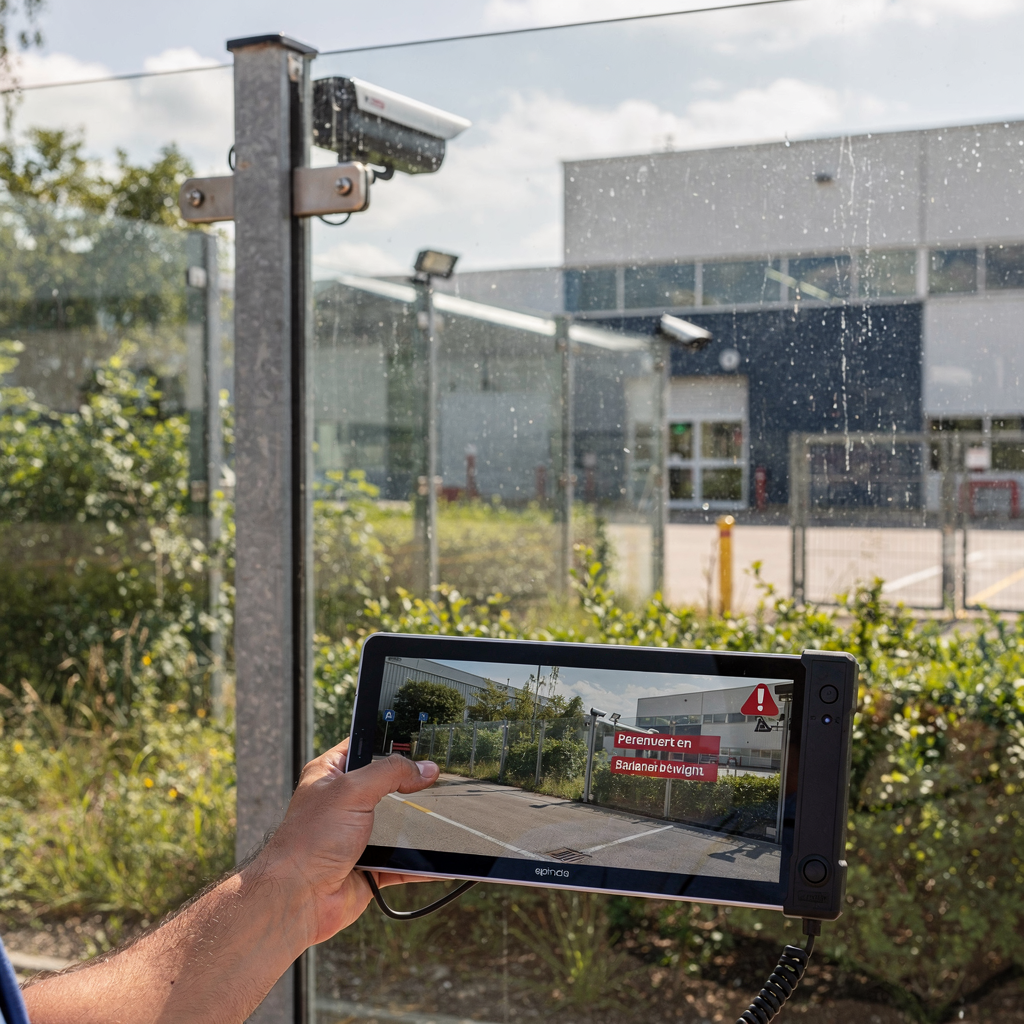
Visual alerts present images or short clips with descriptive text, and they bring context to the operator’s attention. Visual alerts allows teams to see what triggered an alarm, and then it enables quick verification. Avigilon combines focus of attention interface elements with clear thumbnails, and this design reduces time-to-decision. The interface highlights the salient frame and then links to the supporting timeline, so operators get the whole story fast.
Performance matters. AI-powered analytics built into Avigilon systems can cut false alarms by up to 90% and improve detection accuracy by over 80% when compared to basic motion detection (study). These metrics matter for perimeter and campus deployments, and they translate into fewer wasted patrols and sharper threat detection. Automated tagging and summarisation of events can lower manual review time by about 60% (analysis), and that frees staff for higher-value tasks.
Visual alerts pair video clips with short, natural language captions and confidence scores. When the system detects people and vehicles, it adds metadata such as direction of travel, posture, and object classification. The platform can also highlight anomalies for forensic search later. For airports, for example, integrated event tagging improves follow-up and evidence collection; see our forensic search in airports page for more on searchable clips forensic search capabilities.
Avigilon Unity and similar analytics platforms support automated workflows. A detected intrusion can trigger a visual alert, and then the rules engine can notify guards with a pre-filled incident brief. This flow reduces human steps, and it keeps responses consistent. Finally, visual alerts improve situational awareness across distributed teams, and they let supervisors audit decisions more easily.
security challenges: video analytics in critical environments
Schools, transport hubs, and critical infrastructure pose unique security challenges. High footfall, dense crowds, and multiple entry points create complex scenes, and teams must separate normal movement from true threats. Video surveillance in these environments must be scalable, accurate, and privacy-aware. Avigilon addresses these needs with tuned models and on-premise deployment options, and operators gain better signal-to-noise ratios.
In airports, crowded concourses and vehicles at gates create many potential security events. AI-enabled analytics help by detecting crowd density, loitering, and unauthorized access, and then they surface the incidents that require attention. You can learn about people and vehicles detection in airport contexts on our people detection in airports resource people detection page. For perimeter breaches and docking area anomalies, automated alerts shorten response time and reduce disruption.
Video analytics responds to high-risk scenarios by correlating multiple cues. The system might combine an intrusion detection event with a license plate read and access control data, and then it provides an integrated alert. This integration reduces false positives and accelerates verification. For example, combining ANPR reads with object left behind detection can clarify a suspicious vehicle stop; see our ANPR/LPR in airports article for related approaches ANPR/LPR integration.
Integration with existing workflows matters too. Control rooms often run Milestone or other VMS solutions, and Avigilon systems interoperate with those platforms. The goal is not to replace human judgment but to enhance it. visionplatform.ai focuses on turning detections into reasoning, and then into recommended actions, and that reduces operator overload. By automating routine verification and preserving audit trails, teams can focus on true threats and on enhancing workplace safety.
AI vision within minutes?
With our no-code platform you can just focus on your data, we’ll do the rest
security with avigilon: integrating ai for proactive analytics
On-premise processing preserves control and privacy, and it keeps video within the local environment. For sites with strict EU AI Act or other compliance needs, on-premise generative AI and on-premise video processing reduce legal risk. Avigilon supports on-premise deployments as well as hybrid models, and customers choose based on policy and bandwidth. This flexibility supports perimeter security and sensitive installations.
Unity integration extends beyond cameras to access control and management systems. When an access control door opens unexpectedly, the system can match that event to camera footage and then create a unified alert. Integrating access control reduces investigation time and improves incident accuracy. This practice aligns with integrated security goals and with workflows that require cross-system verification.
Privacy and compliance require clear policies and auditable logs. Avigilon Unity and compatible analytics platforms keep data handling transparent, and they provide configuration options for retention and masking. For sensitive deployments, on-premise generative AI avoids sending video to external clouds, and it supports local model updates. Our VP Agent Suite follows the same pattern by keeping models and video inside the environment by default, and then exposing only what operators need for decision support.
Comparing cloud and on-premise, cloud brings elastic scale but also introduces data egress and vendor lock-in. On-premise offers control, lower latency, and predictable costs. For many commercial security systems, a hybrid approach combines the best of both. Finally, Avigilon Unity Video can tie into existing video management setups, and it supports third-party cameras and server analytics so sites can upgrade without full replacement. This reduces friction and speeds deployment.
avigilon unity: future of ai-powered proactive visual alerts
AI models will keep improving, and generative capabilities will add richer summaries and automated reports. Avigilon and similar vendors are exploring genAI features to synthesize longer incident narratives, and they will expand support for more languages and more event types. For organizations, that means better coverage across sites and shifts, and more consistent documentation of critical events.
Future VLMs will better handle ambiguous scenes, and they will offer refined detection of anomalies and intent. They will tie into rules engines and into agent-based automation for repeatable workflows. visionplatform.ai plans to extend agent reasoning and VP Agent Auto features to support controlled autonomy, and then low-risk scenarios can enjoy automated handling. This progression helps move teams from reactive to proactive response and improves safety and operational outcomes.
Expanding event types will include richer behavioral models, more accurate PPE and weapon detection, and finer vehicle classification. This expansion supports perimeter security and high-risk environments, and it helps meet video security needs across industries. Avigilon Unity Video and allied analytics platforms will also refine the focus of attention interface, and then operators will find relevant clips faster. With these advances, systems become more scalable and more reliable.
To summarize key takeaways: continue to favor on-premise generative AI where privacy is essential; use integrated workflows that link access control and VMS; and adopt vision language models to turn detections into explained alerts that guide action. If you want to explore practical deployment patterns, review resources on perimeter breach detection and intrusion detection in airports for concrete examples perimeter breach detection and intrusion detection. Next steps include pilot testing on representative camera sets, and then scaling once models meet site-specific performance goals.
FAQ
What are Avigilon vision language models?
Avigilon vision language models are AI systems that combine computer vision and natural language to describe video events. They convert video frames into text so operators can search and understand incidents more quickly.
How do proactive alerts differ from regular alarms?
Proactive alerts include context and suggested actions, and they aim to prevent escalation rather than just report motion. They reduce false positives and speed decision-making by adding descriptive metadata and confidence scores.
Can Avigilon Unity Video run on-premise?
Yes, Avigilon Unity Video supports on-premise deployments to keep video and models within the customer boundary. This helps sites with strict compliance or privacy rules avoid cloud data egress.
Do vision language models improve detection accuracy?
Yes, when combined with advanced analytics they can improve detection accuracy, and industry studies report accuracy improvements of over 80% compared to basic motion detection (source). They also reduce manual review time by providing summaries.
How do visual alerts help control room teams?
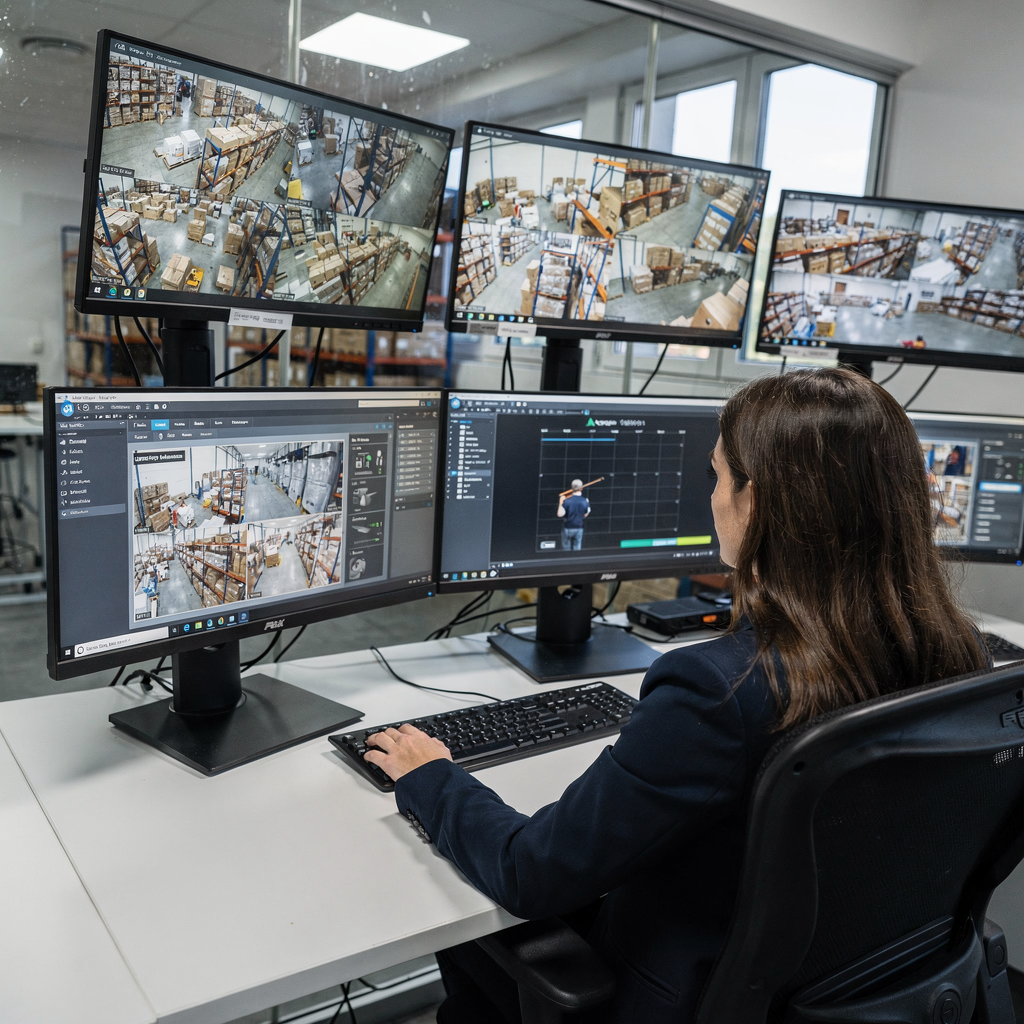
Visual alerts bring a clipped image or short video and a brief textual summary to the operator, and they support faster verification. This reduces the number of screens an operator must check, and it focuses attention on relevant footage.
Are these systems compatible with existing VMS?
Yes, Avigilon systems often integrate with popular video management software and third-party cameras. Integration lets sites keep their current workflows while improving analytics and automation.
What privacy measures should organizations take?
Organizations should choose on-premise processing when privacy is critical, and they should configure retention, masking, and access controls. Auditable logs and clear policies help with compliance and oversight.
Can alerts trigger automated actions?
Yes, rules engines can create alerts that trigger workflows, and AI agents can recommend or execute actions within defined permissions. This enables faster, consistent incident handling and reduces manual workload.
How do I test these analytics before full deployment?
Run a pilot on representative camera feeds and measure false alarm reduction, detection rates, and operator time savings. Use localized data to fine-tune models for site-specific conditions.
Where can I learn more about specific airport use cases?
Explore resources on people detection, forensic search, and ANPR in airports for targeted examples and deployment guidance. These pages show practical analytics patterns and how they improve operations people detection, forensic search, and ANPR/LPR integration.