power of ai: transforming video infrastructure
AI now drives modern video security and it changes how teams work. First, cameras collect continuous streams and then AI analyzes those streams. This shift means operators get faster alerts, clearer context, and fewer hours spent watching recorded video. Avigilon has built systems that apply artificial intelligence across live and recorded feeds to detect anomalies and flag events automatically. In the words of Avigilon, their technology “simplifies your video security ecosystem, letting you detect, verify and act faster” Avigilon – Insight Enterprises. Therefore security teams can focus on response rather than manual review.
AI models learn normal activity patterns so they can spot unusual behavior and then raise an alert. This approach reduces false alarms and improves verification, and it scales from a single site to city-wide deployments. For example, real-time analytics enable monitoring of thousands of camera feeds without human fatigue. As a result, organizations achieve measurable gains in response and they save operational costs. In one industry summary, AI-driven innovations are a major factor in video surveillance market growth and adoption trends Video Surveillance Market Size, Share & Industry Analysis Report.
Beyond detection, AI adds context so operators decide what to do next. visionplatform.ai complements this approach by turning detections into AI-assisted operations, and so control rooms move from raw alarms to reasoning and decision support. The platform connects real-time video analytics and Vision Language Models so teams can search events with natural language and then verify incidents faster. Thus cameras become sources of searchable knowledge and not just sensors. For readers who want practical examples, our people detection page explains how video analytics can spot loitering or unauthorized access in busy areas people detection in airports. Overall, the power of AI lies in faster detection, fewer false alarms, and scalable monitoring that grows with your video infrastructure.
avigilon ai and ai-powered video analytics solutions
Avigilon AI is a platform that fuses machine learning, neural networks, and domain-tuned models to run advanced video analytics at scale. The platform embeds intelligent video analytics in cameras and servers, and it applies models to both live video and recorded video. Avigilon’s approach combines edge processing with centralized review so teams get fast verification and then act with confidence. The company also offers a video analytics platform that supports appearance search, object classification, and anomaly detection. These tools help spot people, vehicles, and unattended items faster and with fewer false positives.
Advanced video analytics include anomaly detection algorithms that learn patterns of normal activity and then flag deviations. The analytics to detect and classify objects operate in real-time so alerts arrive while incidents are unfolding. Avigilon video analytics can identify behaviors, and then correlate them with access control events or other sensors. The result is improved situational awareness and shorter response time. For organizations that need clear evidence, the system preserves relevant video footage and metadata for investigations and compliance.
Avigilon also ships integrated video analytics software to detect a broad range of events, and their Visual Alerts feature uses conversational cues to expand what operators can monitor. A press release from Motorola Solutions highlights this innovation and notes that Visual Alerts “significantly expand the range of visual events” that can be detected and acted upon Motorola Enhances AI Security. In practical terms, ai-powered video analytics reduce noise and surface the signals that matter. visionplatform.ai layers on top of these capabilities by adding reasoning, natural-language forensic search, and agent-driven actions so verification and reporting become faster, repeatable, and auditable.
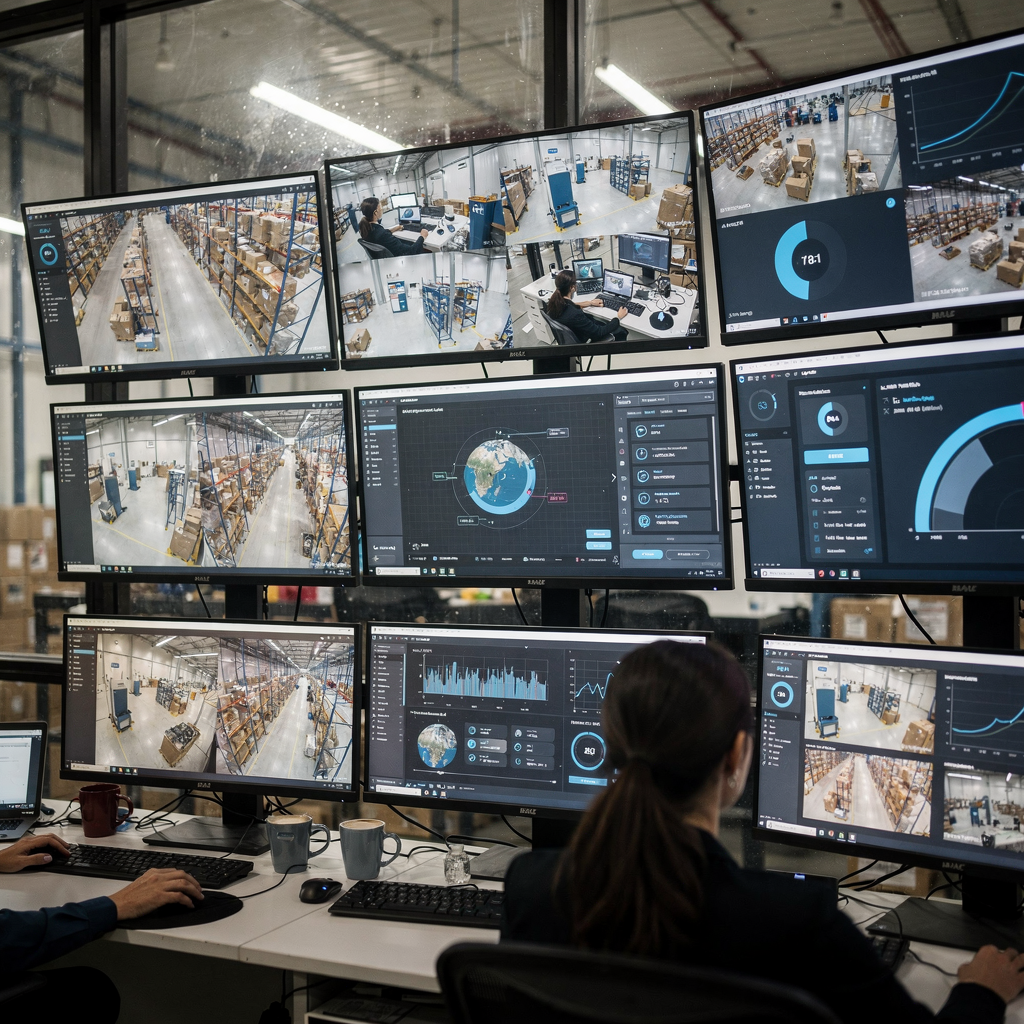
AI vision within minutes?
With our no-code platform you can just focus on your data, we’ll do the rest
video analytics surveillance for smarter security camera operations
Video analytics surveillance transforms how security camera systems operate. Instead of passive recording, cameras trigger contextual events and then feed metadata to management systems. This process filters critical alerts so operators see fewer low-value notifications and more prioritized incidents. In busy environments, such as transport hubs, analytics help identify crowd density, unauthorized access, and loitering. For instance, airport teams use specialized detections to monitor crowd flows and to find objects left behind quickly; forensic search tools make recorded video searchable by description forensic search in airports.
Real-time video analytics lets security teams respond while an event unfolds. Cameras with on-device processing handle many detections locally, and central systems aggregate alerts for human review. This reduces bandwidth and accelerates verification. Also, smarter security reduces operator workload because routine events can be suppressed, and meaningful alerts can be promoted. Analytics tools designed to detect risk can, for example, tag a person loitering near an entrance, and then cross-check that detection against access logs or nearby cameras. The net effect is fewer false alarms and faster confirmation.
Integration matters. When analytics feed into a single VMS, operators get unified timelines and they can jump from an alarm to associated video instantly. visionplatform.ai shows how natural-language search and AI agents make this navigation easier, and how operators gain context in a single pane. For perimeter-focused sites, combining video analytics with perimeter breach detection improves coverage and then reduces manual patrols perimeter breach detection in airports. In short, video analytics surveillance streamlines operations, and it helps teams shift from reactive responses to proactive mitigation.
avigilon alta and avigilon unity: unified video management & access control systems
Avigilon Alta and Avigilon Unity address different deployment needs while sharing the same goal: unified oversight. Avigilon Alta is an on-premise platform that targets enterprise installations and it offers tight integration with networked devices and local storage. Conversely, Avigilon Unity delivers cloud-enabled workflows and simplifies distributed operations for multi-site organizations. Together they connect video management and access control to provide campus-wide coverage, and they let security staff coordinate cameras, doors, and alarms from one interface.
On-premise video deployments often favor Alta when customers require tight data control, and when they must meet strict compliance or latency needs. Alta supports local processing, network video recorders, and deep integration with analytics at the edge. By contrast, Unity offers streamlined management across sites, and it supports cloud-assisted workflows for centralized teams. Using Avigilon Unity video features, teams can push alerts and thumbnails to mobile users and to off-site supervisors. This flexibility helps organizations choose between fully local control and cloud-enabled convenience based on their security needs.
Both platforms integrate with access control systems so operators can correlate door activity with camera views. For campus scenarios, this means faster verification when an alarm trips, and better coordination during incidents. Use cases include enterprise campuses, healthcare networks, and public safety venues where synchronized video and access data matter. For readers focused on airport operations, complementary detections like ANPR/LPR and PPE monitoring can be layered with VMS controls to cover arrivals, baggage zones, and secured perimeters ANPR/LPR in airports. Ultimately, Alta and Unity form a bridge between cameras and access control so teams achieve unified oversight and consistent response workflows.
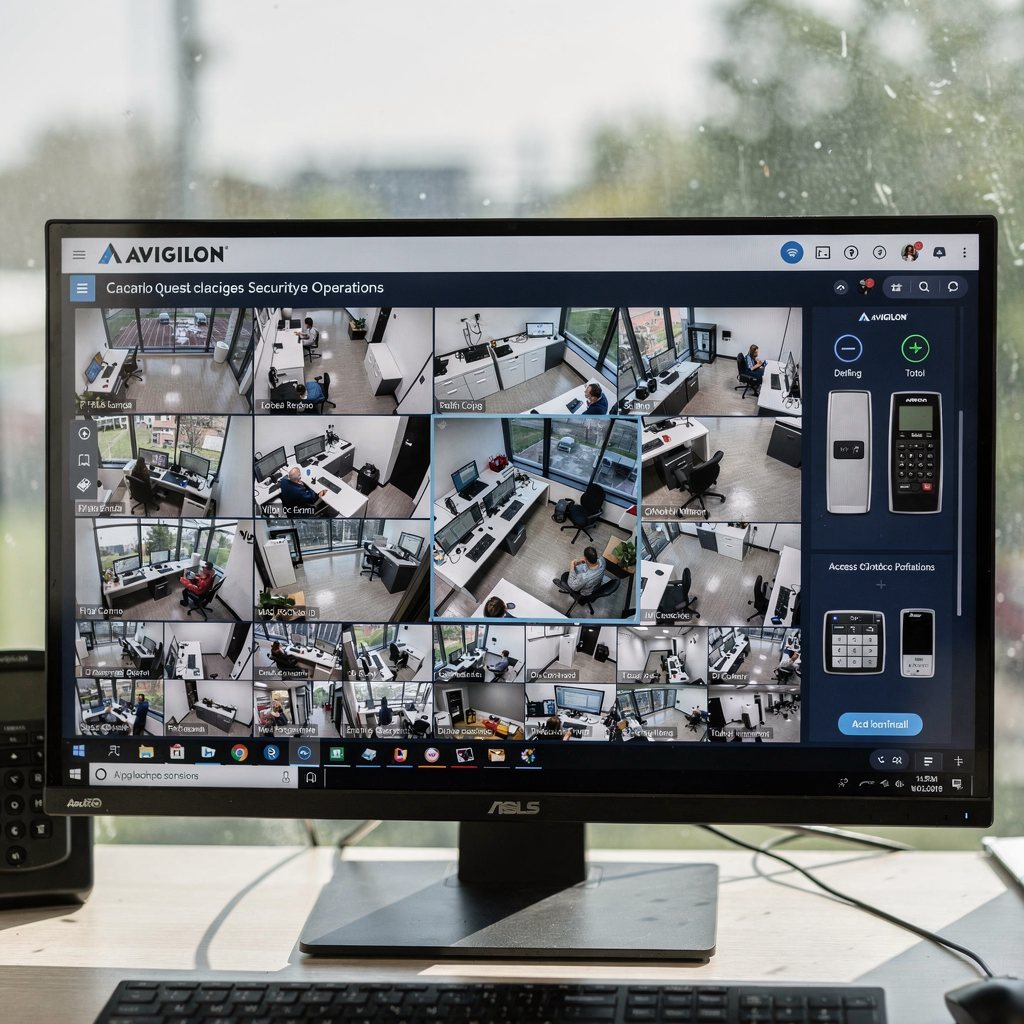
AI vision within minutes?
With our no-code platform you can just focus on your data, we’ll do the rest
analytics technology and video surveillance analytics at motorola solutions
Analytics technology underpins the modern surveillance stack. Avigilon’s core analytics use convolutional networks and bespoke training to spot behavior, and then surface that behavior through rules and alerts. This intelligent layer is often called surveillance analytics and it powers functions from object detection to scene understanding. Industry data shows these technologies can cut incident response by up to 50% and reduce false alarm rates by around 30% Video Analytics Technology Guide. Those gains translate to lower costs and better outcomes for security teams.
Motorola Solutions positions itself as a leader in this market by integrating Avigilon’s video analytics into broader public-safety products. Mike Ellis, President and CEO of Motorola Solutions, said that integrating AI into video platforms empowers teams to “act decisively and proactively” in complex environments Motorola Enhances AI Security. That quote highlights a strategic shift from siloed video to combined operational awareness.
Real-time video analytics plays a role in both enterprise and public-safety settings. For example, thermal detection and AI-assisted body cameras now support post-pandemic protocols and modern perimeter security strategies Video Surveillance Market Report. At scale, these tools help monitoring centers handle amounts of video that once overwhelmed human operators. visionplatform.ai adds a reasoning layer that explains alerts and suggests actions so security teams to respond with clarity and speed. In practice, analytics technology becomes the filter that turns raw video into reliable, actionable intelligence.
avigilon provides ai security cameras and video analytics software as a complete security solution
Avigilon provides a broad stack that includes ai security cameras, on-prem servers, and centralized software. Their cameras range from standard IP devices to models with on-board analytics and thermal sensing options. Combined with a video analytics platform, these devices detect people, vehicles, and unusual activity. The integrated package gives organizations a complete security solution for monitoring, verification, and evidence preservation. For many deployments, easy-to-use video management software ties it all together and it makes day-to-day operations simpler.
Their video analytics software brings features like Visual Alerts and conversational interfaces that present events in human-friendly terms. This video analytics software to detect behavior reduces the time operators spend interpreting alarms. Avigilon’s systems also offer appearance search and rapid forensic tools so teams find relevant video quickly. Case studies show cost reductions, faster verification, and fewer needless dispatches when analytics and VMS are used together. The Avigilon Inform platform provides cloud-enabled PSOC workflows and automated responses that further speed investigation and resolution Avigilon Inform.
visionplatform.ai works well alongside Avigilon deployments. We add a reasoning and search layer so recorded video and live video become searchable and explainable. Our VP Agent Search and VP Agent Reasoning features turn video events into textual descriptions and then into verified situations. That way operators receive not just an alarm but context, suggested actions, and the evidence needed to act. Together, Avigilon’s devices and analytics plus visionplatform.ai’s decision layer create a resilient security architecture that helps reduce potential security incidents and that helps maintain physical security across sites.
FAQ
What is AI-powered video intelligence and how does it work?
AI-powered video intelligence uses machine learning and computer vision to analyze live video and recorded video. It detects objects, behaviors, and anomalies and then sends prioritized alerts to operators for faster action.
How does Avigilon integrate AI into its video systems?
Avigilon embeds models in cameras and servers and then links analytics to VMS workflows. This integration enables rapid detection, verification, and incident review with tools like appearance search and Visual Alerts.
Can AI reduce false alarms and improve response time?
Yes. Industry reports suggest AI-enhanced solutions can reduce false alarms by about 30% and lower response time by up to 50% Video Analytics Technology Guide. These improvements also cut operational costs.
What is the difference between Avigilon Alta and Avigilon Unity?
Avigilon Alta is an on-premises video management solution for local control and low-latency needs. Avigilon Unity offers cloud-enabled management for multi-site coordination and centralized operations.
Are AI cameras required for analytics to work?
No. Many analytics run at the edge in AI cameras, and some models run on servers that process streams from standard IP cameras. Systems support a mix of analytic-capable and non-analytic cameras.
How do these systems handle privacy and compliance?
Deployments can keep processing on-premise to limit data sharing and to meet regulatory rules. Visionplatform.ai emphasizes on-prem Vision Language Models and auditable logs to support compliance needs.
What integrations are typical with Avigilon deployments?
Common integrations include access control, ANPR/LPR, and security management systems. Linking access control and video speeds verification and helps automate workflows.
Can video be searched by description rather than timecode?
Yes. Modern platforms can convert detections into searchable descriptions so operators perform forensic search using natural language. This speeds investigations and improves recall.
How does AI help perimeter security and high-risk areas?
AI focuses alerts on real threats by detecting intrusions, loitering, or tailgating and then correlating those events with other sensors. For perimeter use, analytics reduce false trips and support targeted responses.
Where can I learn more about specific detections like people counting or perimeter breach detection?
For practical examples, see specialist resources such as our people detection overview people detection in airports and perimeter breach guidance perimeter breach detection in airports. These pages explain deployments and outcomes in operational settings.