axis camera station and ai-based analytics solution for video surveillance efficiency
Axis Camera Station is a purpose-built video management software that pairs tightly with AXIS network cameras to provide an integrated surveillance solution. First, it collects streams from edge devices. Next, it consolidates live feeds and recorded video into a single, searchable user interface. Then, AI modules add analysis, classification, and automated notification. As a result, operators can monitor sites with fewer false alarms and faster response. For sites that need dependable hardware, depend on axis for first-class support and depend on axis for first-class quality where long-term warranties and certified integrations matter.
AI-based analytics inside Axis Camera Station promote operational efficiency by running real-time object recognition, facial workflows, and behavior models at scale. For example, deployments have reported up to a 40% reduction in false alarms, which lowers operator load and increases actionable detections. Also, large installations have demonstrated sub-500 ms latency while processing thousands of streams in real time. Therefore, Axis Camera Station can serve control rooms that require real-time events and consistent throughput.
Axis Communications builds cameras and recording infrastructure to pair with the ACS platform. The result is a recorded video archive that integrates with access control and other security tools. In practice, ACS moves beyond simple recording to provide smarter, contextual insight via AI. However, organizations must also weigh privacy, governance, and government policies when enabling facial features. As such, adherence to compliance and a clear privacy policy is essential before live deployments.
Finally, ACS acts as a bridge between classic video management and AI-driven decision workflows. It enables site-tailored rules, scalable recording, and a consistent operator experience. If you want examples of object-focused detection and people analytics in high-traffic environments, check resources on people detection and loitering detection for airports to see how targeted rules improve search results and operational efficiency people detection in airports loitering detection in airports. In short, Axis Camera Station brings together cameras, analytics, and software to monitor large, busy sites with measurable gains.
integration and installation of hardware to optimize analytics applications
Installation starts with selecting the right hardware. For AI workloads, consider an ai-optimized server or the Axis Camera Station S1228 family, including the axis camera station s1228 appliance and the axis s1228 rack ai configurations. These options are built to host state-of-the-art recording server components and to drive AI processing without bottlenecks. For smaller sites, standard servers may suffice, but high-stream environments benefit from GPUs, solid-state drives, and TPM-backed secure device configurations for faster indexing and secure storage.
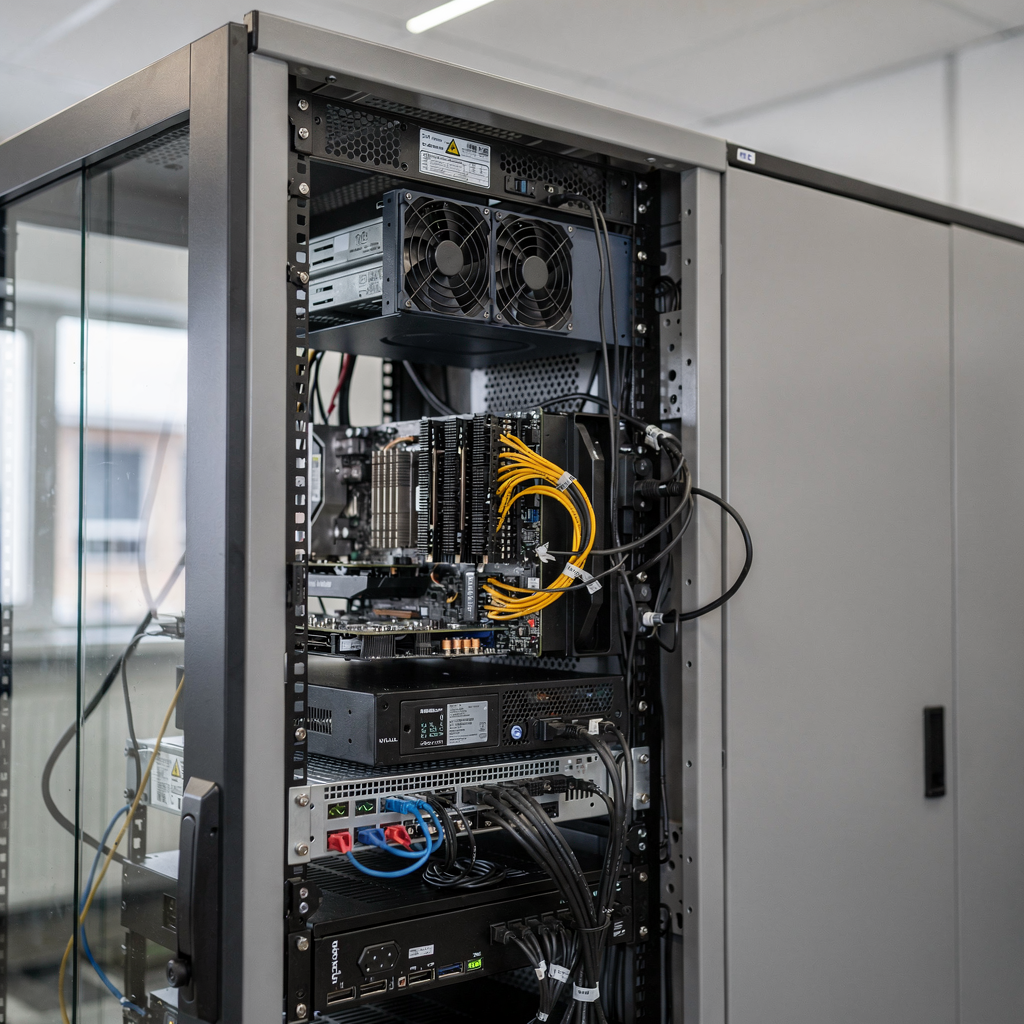
Start installation by mapping camera locations and bandwidth. First, identify which axis network cameras will provide the necessary resolution and frame rate for detection. Then, assign storage tiers. Next, install Axis Camera Station Pro or the baseline ACS software, and choose either on-prem appliances or virtualized servers. During physical setup, follow manufacturer guidelines and the recommended warranty steps; also check for firmware upgrades to maximize reliability.
Configuration is critical. Set recording schedules, motion zones, and analytics parameters on each camera. Use an ai-optimized server where you need local inferencing; otherwise, tune settings to distribute processing between edge devices and central servers. For busy scenes, increase object tracking capacity and optimize codecs to balance quality and throughput. When you integrate with third-party systems, confirm compatible products and access management software interfaces to enable incident workflows.
Finally, run stress tests and measure real-time events, latency, and failover. A balanced setup with dedicated GPU cards, secure device features such as TPM, and quality cabling leads to fewer dropped frames and better search results. For complex sites, consider hybrid configurations that combine state-of-the-art recording server hardware with cloud-like orchestration, but keep recorded video on-prem to meet compliance. If your project needs tailored deployment, our team at visionplatform.ai can help tailor and maximize performance during installation and ongoing upgrade phases.
AI vision within minutes?
With our no-code platform you can just focus on your data, we’ll do the rest
video analytics for object classification and operational efficiency
Object classification is where AI delivers obvious gains. Axis Camera Station leverages models that classify people, vehicles, and unattended baggage, and then flags moving objects for follow-up. This improves the signal-to-noise ratio so operators receive fewer irrelevant alerts and more actionable items. Studies of retail integrations showed a measurable uplift in business intelligence: a 15% increase in theft detection and a 20% improvement in customer flow analysis reported in implementations. As a result, managers can combine security and retail metrics to drive operational decisions.
Classification works best when cameras are chosen for the right tasks. Select cameras with suitable resolution, onboard processing, and optical performance to ensure accurate object detection. Then, tune classification thresholds within Axis Camera Station to reduce false positives while maintaining sensitivity for real threats. Also, consider combining video analytics with other sensor inputs to corroborate events and guide investigations rapidly. Forensic workflows using using free text search let investigators find incidents faster across time and multiple feeds forensic search in airports.
Machine learning improves accuracy over time. Models are retrained or refined with site-specific data so detection of similar objects becomes more reliable. In many deployments, false alarms fall by up to 40%, which lowers operator fatigue and helps prioritize true incidents (40% reduction). Moreover, AI-based analytics applications like heat maps and people counting provide context that supports both security and retail teams; see people counting for airport-style flow metrics people counting in airports.
Finally, treat analytics as part of an end-to-end surveillance system design. Combine the right cameras, tuned models, and clear incident handling to maximize operational efficiency. By treating analytics as a dynamic capability, sites can tailor rules, reduce manual review time, and enable smarter, data-driven responses.
ai-driven analytics to enhance security and safety with reliability
Behavioral analytics provide the next layer of protection. AI models detect loitering, crowd formation, and unusual movement trends to surface concerns before they escalate. For instance, behavioral rules can trigger immediate notification when a pattern meets predefined risk criteria. This enables proactive responses and streamlines workflows so security teams act faster and with more context. A security industry analyst described ACS as “a middle ground between basic video recording and fully autonomous surveillance,” underscoring its balance of automation and operator control source.
Automated alerts are effective when paired with clear response playbooks. Axis Camera Station supports event-driven workflows that tie detection to actions. For example, an alert about a crowd forming can push a notification to a mobile team, log an incident, and start higher frame-rate recording for targeted cameras. Actions are recorded for investigation and audit. In addition, AI can reduce false positives by correlating detections across multiple feeds and sensors, and by checking historical context before escalating.
Reliability is a design consideration. To maintain uptime, use redundant recording, health monitoring, and routine firmware upgrades. System reliability also depends on model stability under load; therefore, measure performance under busy scenes and scale hardware accordingly. To maintain prediction consistency, adopt clear evaluation metrics and regular retraining cycles. Stuart Russell reminds practitioners that algorithms need “clear policy objectives to ensure beneficial outcomes and minimize biases or errors” Stuart Russell quote. That approach helps align AI-driven detection with ethical and legal requirements.
Finally, for advanced decision support, platforms like visionplatform.ai layer reasoning and agent workflows on top of video analytics. This adds verification, suggested responses, and audit trails so teams act with confidence. By combining detection with decision support, organizations can improve both security and safety while reducing the manual burden on staff.
AI vision within minutes?
With our no-code platform you can just focus on your data, we’ll do the rest
privacy considerations, support and resources for third-party and compatible products
Privacy must be built into every deployment. Use clear privacy policies and adopt compliance controls whether you run facial recognition or behavioral analytics. In the EU and elsewhere, compliance with GDPR and related government policies requires data minimization, access controls, and documented retention rules. A robust privacy policy helps maintain trust and reduces regulatory risk when access control or recognition features are enabled.
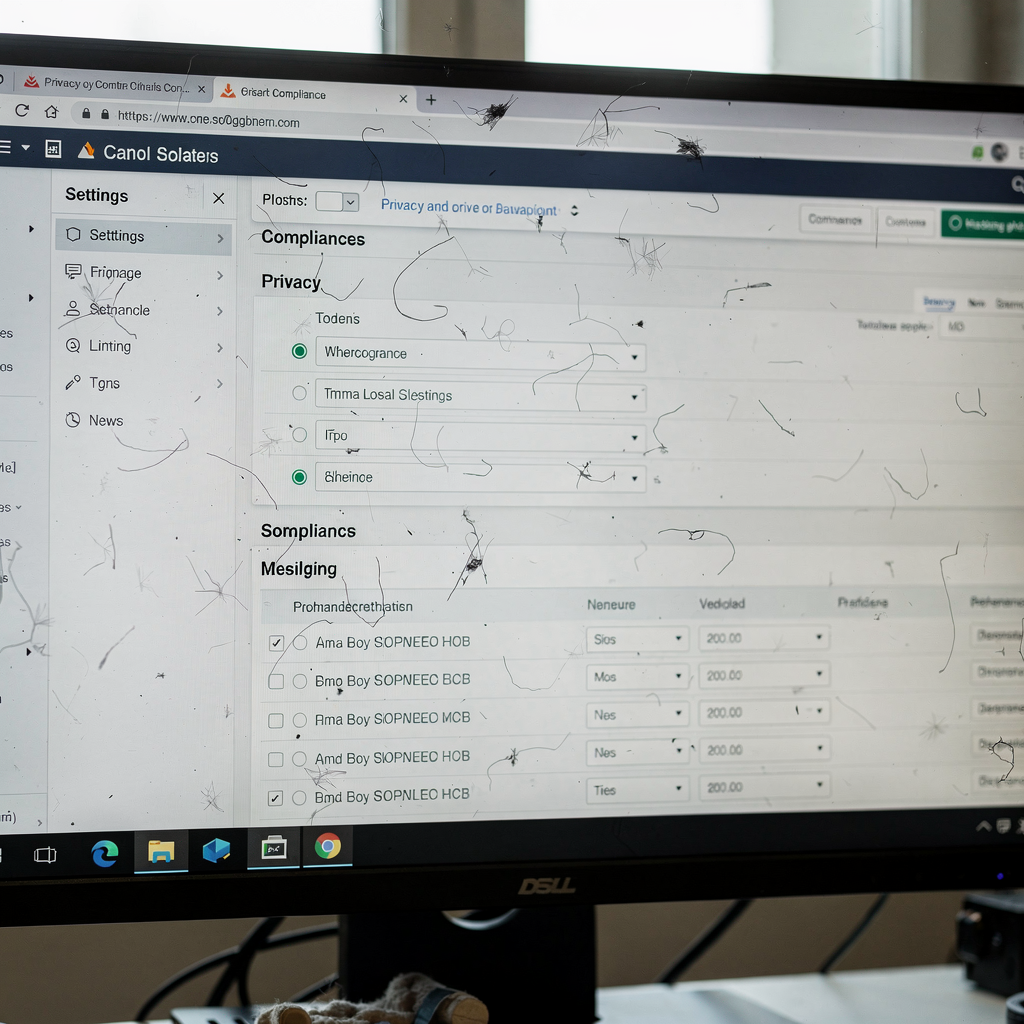
Axis Communications provides documentation, firmware updates, and support and resources for integrators and end users. For broader ecosystems, check compatible products lists and third-party integrations before procurement. Axis Camera Station integrates with many access management software suites and can connect to OT and business systems via APIs. For organizations that need tailored AI reasoning and search, visionplatform.ai offers an on-prem vision language model and AI agents that enable using free text search across recorded video and events, which preserves data within the site.
Training and community support reduce the burden of configuration. Axis offers certifications and user guides, and integrators can follow best practices for secure installation, TPM-backed device security, and warranty procedures. If you rely on third-party analytics, validate models against local data and ensure they respect privacy constraints. Additionally, standard servers can be used for basic workloads, while ai-optimized server hardware with proper GPU resources is advisable for heavy inference.
Finally, maintain a clear upgrade policy and incident response plan. Regular audits, role-based access, and encrypted archives help meet compliance. When in doubt, consult vendor documentation and independent reviews to balance capability with privacy and legal obligations.
camera selection and video surveillance enhancements with ai-based analytics applications for reliability
Choosing the right camera matters. Pick devices with optics and sensors suited to intended tasks. For long-range detection, select cameras with higher resolution and optical zoom. For people counting and density mapping, wider fields of view work better. Cameras with onboard processing can offload classification and reduce central server load, while axis network cameras provide broad model support and certified integrations for enterprise projects.
Consider these criteria: resolution, frame rate, low-light performance, onboard analytics capability, and compression efficiency. Also, verify compatibility with Axis Camera Station Pro if you plan to use advanced features in a larger control room. Use models that support smart search and fast indexing to maximize investigation speed. A well-chosen camera combined with firmware updates and routine maintenance will sustain reliability over time.
AI-based analytics applications include heat maps, people counting, access control ties, and object-left-behind notifications. These capabilities drive both security and business intelligence by transforming raw video into usable metrics. For airports and other complex venues, integrations such as ANPR/LPR and perimeter breach detection tie into operational dashboards and resource planning. If you need specialized detection like PPE checks or slip-trip-fall alerts, integrate purpose-built models and maintain clear SOPs for how alerts convert into actions.
To maximize uptime and prediction quality, monitor system health and performance metrics, and schedule maintenance for solid-state drives and any GPU resources. Use redundancy for critical streams and configure alerts for dropped frames or degraded network links. With the right mix of cameras, firmware discipline, and ai-based analytics, organizations can maintain a reliable, end-to-end surveillance capability that enables fast investigation and consistent operational responses.
FAQ
What is Axis Camera Station and how does it differ from other VMS options?
Axis Camera Station is a video management software that integrates tightly with Axis Communications cameras and related hardware. It focuses on streamlined operations, certified integrations, and built-in analytics to enable practical, scalable surveillance.
Can Axis Camera Station run AI analytics on-premises?
Yes. Axis Camera Station supports on-premise analytics and can be paired with ai-optimized server hardware or appliances to run inference locally. This keeps recorded video and models inside the site for better compliance and control.
How much can AI reduce false alarms in practical deployments?
Reported deployments have shown up to a 40% reduction in false alarms when AI-driven classification and multi-feed correlation are used source. Results vary by site and configuration, so tuning is essential.
What hardware should I choose for large installations?
Large sites should consider ai-optimized server options, GPUs, and high-performance storage such as solid-state drives. Vendors also offer state-of-the-art recording server models and rack appliances like the axis s1228 rack ai for dense deployments.
How do behavioral analytics improve security and safety?
Behavioral analytics detect patterns like loitering or crowd formation and then drive notifications or workflows. This adds context for operators and helps teams respond proactively to potential incidents.
Are there privacy risks with facial recognition and how can I address them?
Yes. Facial workflows trigger significant privacy and compliance considerations. To mitigate risks, implement a clear privacy policy, data minimization, access controls, and retention rules in line with applicable regulations such as GDPR.
Can I integrate Axis Camera Station with third-party systems?
Axis Camera Station supports integrations and compatible products through APIs and certified interfaces. Third-party access management software and analytics tools can be integrated for richer workflows and data exchange.
How does visionplatform.ai complement Axis Camera Station?
visionplatform.ai adds a reasoning layer and AI agents on top of video analytics to convert detections into contextual insight and decision support. It enables using free text search and automated workflows to accelerate investigations and operator responses.
What maintenance is required to keep analytics reliable?
Regular firmware updates, model re-evaluation, hardware checks for GPUs and solid-state drives, and scheduled backups help maintain reliability. Also, monitor busy scenes to ensure models perform under peak load and schedule upgrades as needed.
Where can I learn more about specialized analytics like people counting or loitering detection?
See focused resources that show deployment examples and metrics for airport-like environments, including people counting, loitering detection, and forensic search guides people counting in airports loitering detection in airports forensic search in airports.