Overview of bosch video management system and artificial intelligence
The Bosch Video Management System (BVMS) offers a centralized, scalable video management system for organizations that require robust security. In a modern control room, operators need clear context and fast answers. AI helps extract those answers from live and recorded video. Bosch designed BVMS to manage thousands of cameras and to scale from single-site to enterprise deployments, and the platform integrates with many sensors and access control solutions. For teams that want faster situational awareness, BVMS provides a live and intuitive overview and a flexible user interface.
AI transforms raw detections into descriptive insights. For example, intelligent video analytics can tag people and vehicles, making forensic search far faster. visionplatform.ai extends this approach by adding a reasoning layer on top of BVMS. Our VP Agent Suite converts video into human-readable descriptions and then into recommended actions. This reduces the time operators spend on manual video review and gives security teams context when they need it.
Bosch continues to invest in AI features inside its cameras and management platform. The company supports built-in video analytics and offers IVA Pro modules such as IVA Pro Perimeter and IVA Pro Traffic to enhance perimeter monitoring. At the same time, national strategies and industry workstreams are pushing for responsible, privacy-focused deployments. For example, public research highlights improvements in detection accuracy and privacy-preserving architectures for on-prem AI processing D1.1 – State of the Art Analysis.
Operators receive alerts and alarm information directly in BVMS when predefined rules fire. As a result, security operators can respond faster. In parallel, organizations can keep metadata and video data on-site. That supports compliance with EU and local policies while still allowing machine learning that aids decisions.
Integrating ai video analytics for improved detection
Real-time workflows in BVMS rely on consistent analytics outputs. AI video analytics detect objects, classify people and vehicles, and feed events into alarm management workflows. The typical pipeline runs detection models at the edge, streams metadata into the VMS, and then lets analytics components correlate events across multiple cameras. This design reduces false positives and increases the value of each alarm.
Object recognition and behavioural analysis run together. First, models label people and objects. Then, behaviour models detect loitering, fast movement, or unattended baggage. For perimeter protection, IVA Pro Perimeter provides rules tuned to boundary crossings and tamper events. When a threshold is reached, BVMS can raise a notification and attach the relevant video footage. This workflow transforms video into actionable intelligence for the operator.
Quantitatively, AI-driven systems have improved detection accuracy significantly. Independent studies report over 90% gains in object detection and event recognition accuracy when modern models are applied correctly D1.1 – State of the Art Analysis. In addition, enterprise deployments that integrate large-scale analytics show up to an 80% improvement in real-time data access and dramatic reductions in manual reporting time Real-world gen AI use cases. Consequently, security teams detect real threats earlier and reduce false positives, so they can respond faster and with better evidence.
We also emphasize how metadata enables fast searches across video archives. visionplatform.ai converts raw detections into natural language descriptions and indexes them for forensics. For readers interested in forensic search examples, see our detailed work on forensic search in airports. This approach saves hours of manual video review while maintaining audit trails and data management controls.
AI vision within minutes?
With our no-code platform you can just focus on your data, we’ll do the rest
bvms interfaces for real-time situational awareness
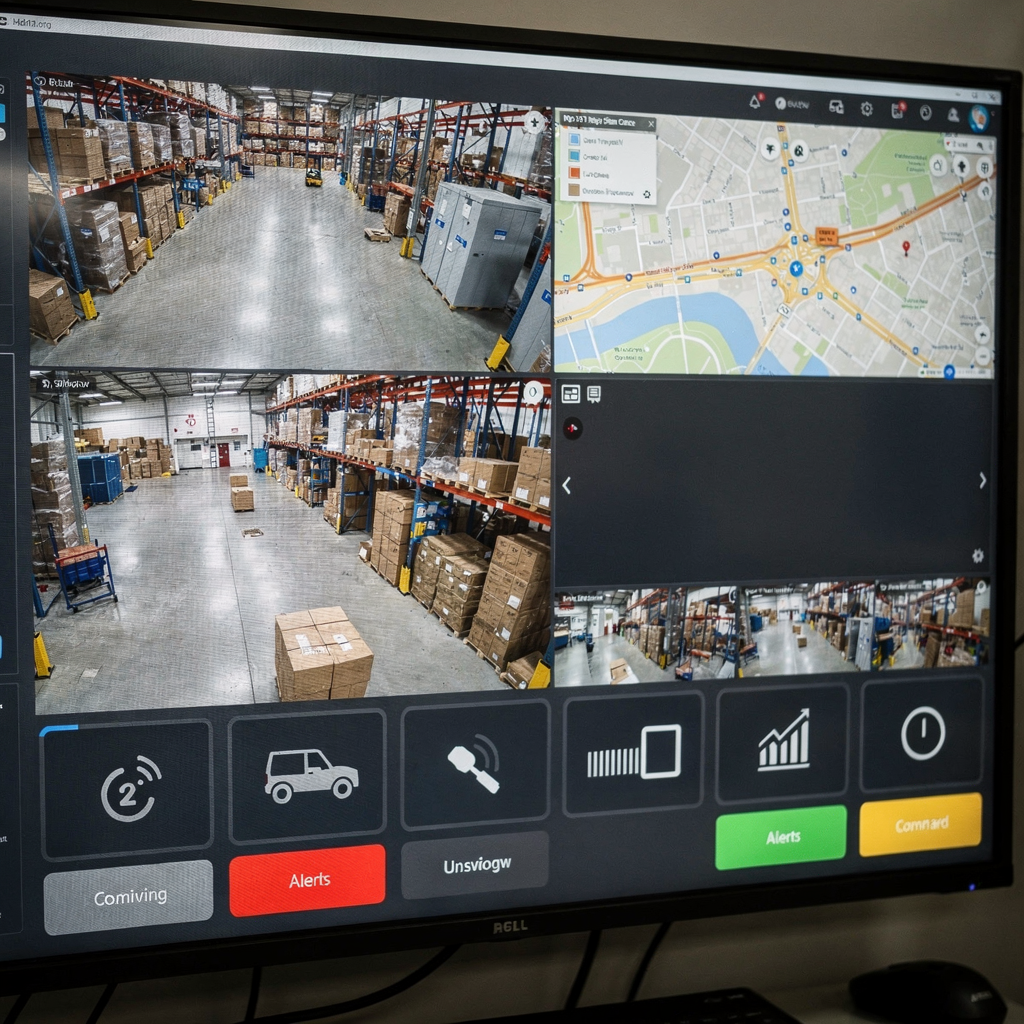
BVMS offers a dashboard and map-based overviews that give an immediate overview of what is happening across a site. The platform can show camera feeds, alarm lists, and a geospatial map in one pane. Operators receive prioritized alarms with thumbnails and context. That helps reduce the time it takes to verify incidents and to assign a response. In practice, a good dashboard shows both the live camera view and adjacent camera feeds to improve verification.
Natural-language queries simplify control and search. Using a Vision Language Model on-prem, operators can ask for “all alarms where a person loitered near Gate B” and receive clipped video and metadata. visionplatform.ai demonstrates how VP Agent Search turns video into human-readable descriptions so teams can search with plain language. If you want examples of people detection tailored for busy terminals, our research on people detection in airports shows how search and verification reduce load in peak periods.
Live heat maps and threat-level visualizations increase situational awareness. Heat maps show crowd density and recurring movement patterns. For crowd-related analytics, our heatmap and occupancy analytics provide occupancy trends and help planners detect unattended crowding heatmap occupancy analytics. The interface also supports alarm management and escalation: when a perimeter breach triggers IVA Pro Perimeter rules, BVMS highlights the affected zone and suggests camera angles for verification.
The user interface design keeps the operator in control. It combines video verification, event metadata, and access control logs. As a result, a security operator can see video, correlate badge reads, and then follow a recommended workflow. This holistic view helps teams make decisions faster, and it reduces dependency on manual video review.
ai-enabled cameras in bosch security for instant alert and notification
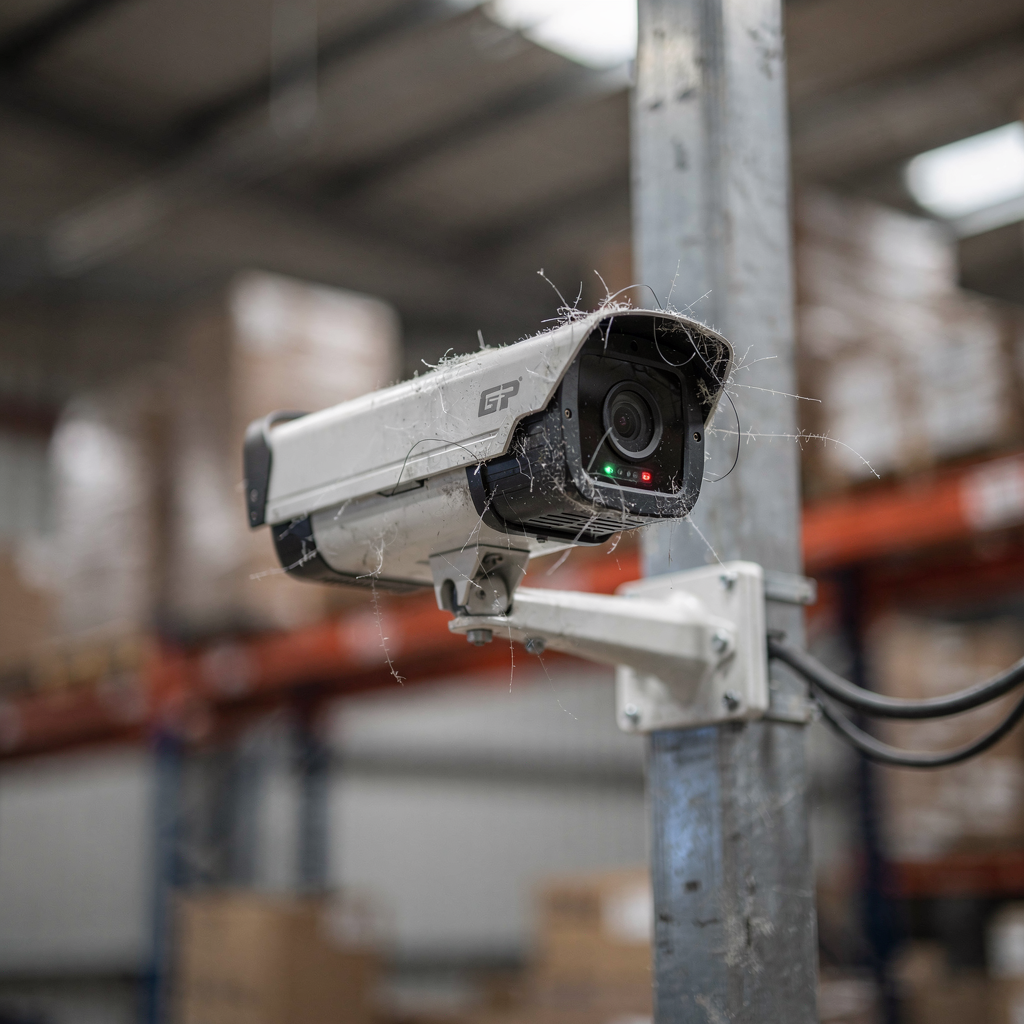
Bosch cameras equipped with onboard AI reduce bandwidth and speed up local detection. These AI-enabled cameras analyze scenes and send events and metadata instead of constant high-resolution streams. The approach supports scalability and lets BVMS filter and prioritize which video streams go to the control room. For edge-first deployments, this pattern improves responsiveness and lowers overall data management costs.
Cameras provide features such as people counting, ANPR/LPR, and object classification. For traffic-sensitive sites, IVA Pro Traffic offers vehicle detection and queue monitoring. When unauthorized access to sensitive areas occurs, the camera triggers an alert and creates an incident in the VMS. Then, BVMS protects the site by routing the alarm to the right operator with suggested actions. This is typical in perimeter security deployments where early detection of unusual activity matters.
Automatic alert triggers include loitering, trespass, line crossing, and PPE violations. For example, a camera that detects a person loitering near a secure gate can create an alarm and send the clip to the operator with associated metadata. That saved time is measurable: deployments that integrate AI-enabled analytics report faster verification times and fewer false positives, which reduces operator fatigue. If you want to learn about specific intrusion and perimeter cases, see our work on perimeter breach detection in airports.
Notification workflows are configurable. They can create an alarm, attach video verification, escalate to supervisors, or notify external teams via webhooks. By integrating with access control logs and third-party systems, the workflow closes the loop between detection and response. As a result, the security system becomes more than cameras and screens; it becomes an operational tool that helps teams act with speed and consistency.
AI vision within minutes?
With our no-code platform you can just focus on your data, we’ll do the rest
Enhancing analytics in bosch management systems with AI assistants
AI assistants change how management systems surface useful information. Instead of raw video clips and isolated detections, an assistant explains what happened, why it matters, and what to do next. visionplatform.ai’s VP Agent Reasoning verifies alarms by correlating video, metadata, access control, and procedures. The assistant then supports operators with recommended actions, checklists, and pre-filled reports.
Typical assistant tasks include report generation, clip retrieval, and trend analysis. The agent can find all incidents where people and vehicles interacted at a loading dock, and then summarize patterns across multiple cameras. It can also pre-fill incident reports, reducing manual video work. Our VP Agent Search enables natural-language forensic queries, so operators can ask for “red truck entering dock area yesterday evening” and get relevant clips without knowing camera IDs or timestamps.
Voice-driven commands enable hands-free operation. Operators can ask the assistant to show recent alarms or to pull the nearest camera feed for a specific location. This reduces the number of clicks and limits screen switching under stress. In field trials and deployments, AI agents have helped teams reduce time per alarm substantially. For larger operations, scalable AI agents can handle thousands of camera feeds and provide consistent decision support across sites Product Downloads – Luxriot.
Time savings are measurable. Industry reports show that AI-powered platforms can eliminate manual report generation and increase real-time data access by up to 80% Real-world gen AI use cases. In practice, that means operators verify more incidents and chase fewer false positives. The result is fewer missed events and better allocation of security teams. This evolution moves BVMS deployments from alert-heavy workflows to assisted, context-rich operations.
Future prospects for ai-enabled bosch video management
Edge computing and privacy-preserving AI will shape the next generation of video systems. Processing models on-site keeps video and metadata within the security boundary, which aligns with EU AI Act compliance goals. As machine learning models become more efficient, they will run on edge devices and on-prem servers, reducing latency and limiting cloud dependency. This trend supports organizations that require strict data controls.
Integration with IoT sensors and cloud-based analytics will expand capabilities. For example, BVMS can integrate environmental sensors, access control states, and business systems to provide a richer situational picture. When BVMS integrates with Bosch and third-party devices, operators get a unified overview of what is happening and can act using consistent procedures. This opens the door to richer automation and better audit trails across security operations.
Manufacturers will continue to improve camera hardware and analytics software. The next IVA Pro iterations will include improved object classification, lower false positives, and better multi-camera tracking for real-time movement of objects across multiple camera feeds. New BVMS releases such as BVMS 13.0 will support tighter integration with AI agents and third-party analytics, making deployments more modular and flexible.
visionplatform.ai focuses on adding reasoning, voice, and agent automation to these systems. We keep processing on-prem, provide transparent data management, and enable controlled automation with VP Agent Auto. This roadmap supports both privacy and operational scaling. As a result, cameras provide not just footage but searchable knowledge and decision support. In the near future, AI-enabled video analytics and AI assistants will transform how security teams verify, respond, and report while maintaining strict data controls and lower operational cost.
FAQ
What is the difference between BVMS and other video management software?
BVMS is a modular video management platform that centralizes cameras, alarms, and maps. It focuses on scalability and integrates with analytics, access control, and external systems to create a unified management platform.
How do AI assistants reduce false positives in video surveillance?
AI assistants correlate detections with metadata, access control logs, and historical context to verify alarms. By reasoning over multiple sources they explain whether an event is a true alarm or a false positive and recommend follow-up actions.
Can BVMS run analytics at the edge?
Yes. Modern deployments run analytics on edge devices or AI-enabled cameras to reduce bandwidth and latency. This allows cameras to send event metadata instead of continuous streams and helps meet privacy and data management requirements.
Does visionplatform.ai work with Bosch cameras?
Yes, visionplatform.ai integrates with compatible Bosch cameras and other ONVIF or RTSP video cameras. Our VP Agent Suite is designed to work with existing VMS platforms to add search, reasoning, and action workflows.
How does natural-language search work in video archives?
Natural-language search converts video into textual descriptions and indexed metadata. Then an on-prem Vision Language Model allows operators to query the index with plain language and retrieve relevant clips quickly.
What kinds of alarms can AI-enabled cameras trigger?
AI-enabled cameras can trigger alarms for line crossing, loitering, perimeter breaches, ANPR events, PPE violations, and many custom rules. Each alarm can include video verification and suggested escalation steps for operators.
Is on-prem processing required for compliance?
On-prem processing helps organizations keep video and metadata under their control, which supports compliance with regional regulations such as the EU AI Act. It also limits cloud dependency and reduces data transfer risks.
Can AI assistants automate incident reports?
Yes. AI assistants can generate pre-filled incident reports by summarizing detections, attaching clipped video, and correlating related events. This reduces manual reporting time and improves consistency.
How do heat maps improve situational awareness?
Heat maps visualize density and movement trends across a site, helping operators spot unusual crowding or persistent patterns. They provide contextual cues that guide camera assignment and resource allocation.
Where can I find examples of forensic search and perimeter detection?
visionplatform.ai publishes practical examples such as forensic search in airports and perimeter breach detection case studies. These pages demonstrate search, verification, and automation at scale and show real workflows operators use daily.