ai and machine learning in video analytics 2026
AI and machine learning have reshaped how organizations process video data and how they extract meaning from video footage. AI now powers systems that can detect behaviors, classify objects, and predict risks, and AI improves models continuously as more labeled examples arrive. The rise of neural networks built for vision has led to faster inference and lower error rates, and the improvements in architectures reduce false positives while they enhance detection precision. Industry reviews note strong adoption figures: over 70% of enterprises now use AI-driven video analytics in their security or operations workflows, a sharp rise that signals the broad trust in this tech over 70% adoption. AI and small, specialized models run on edge devices, and they let teams process video feeds without sending raw video offsite, which helps with compliance and cost.
Researchers at Stanford emphasize tuning high-performing neural nets to unlock deeper insights, and that work improves both inference speed and interpretability “We expect more focus on the archeology of high-performing neural nets”. AI analytics tools now combine vision and language so operators can search live streams and historical footage using natural queries. This reduces time to find events and it turns amounts of video into searchable knowledge. For teams that need a tight control model and data residency, on-prem AI setups are common, and they meet EU rules and internal risk policies.
Accuracy gains and deployment flexibility are significant. Organizations report up to a 40% reduction in incident response times thanks to automated alerts and verified detections AvidBeam reports. AI lowers operator load by filtering noise and by enriching alerts with context. As a result, AI bridges the gap between raw detections and decision-ready intelligence, and operators get more reliable situational awareness while they maintain control over their surveillance system.
11 best ai video analytics solutions from video analytics companies
Choosing top providers requires clear criteria. The selection should weigh detection accuracy, latency, cloud and edge deployment options, and support for integrations with a video management system or with third-party security tools. It must also value explainability and the ability to tune models for site-specific realities. Coram’s recent review lists the 11 best AI video analytics and highlights vendors like AvidBeam, IronYun, and Pelco for their diverse capabilities. These vendors represent a mix of specialist AI firms and legacy video companies that added intelligent layers to their stacks.
AvidBeam focuses on enterprise-scale detection, and IronYun offers cloud-native analytics plus behavioral modules. Pelco brings strong hardware and lifecycle support and it integrates with traditional video surveillance workflows industry trends. The profiles of these video analytics companies show common features: multi-camera analytics, anomaly detection, and API-driven integrations. Many platforms now expose events via MQTT, webhooks, and APIs so teams can stream insights into dashboards and BI systems. For example, visionplatform.ai turns cameras and VMS systems into AI-assisted operational systems, and it adds a reasoning layer that helps operators search recorded footage with natural language and that supplies context for detections.

Feature comparison matters. Look for real-time threat detection and behavioural analytics, and check for cloud scalability and on-prem options. The best offerings support integration with a video management system and with access control or OT data sources for richer context. When choosing among top video analytics companies, confirm they offer tools for forensic search, that they can analyze video feeds in real-time, and that they support customization or custom model workflows. If you need guidance, consider vendors that list case studies in retail, healthcare, and transport, and check community feedback for long-term support and patching policies.
AI vision within minutes?
With our no-code platform you can just focus on your data, we’ll do the rest
best video analytics software, top video analytics software and video analytics software in 2026
This chapter compares software for security and for marketing use. The best video analytics software blends detection, search, and reporting, and it supports both live monitoring and post-incident analysis. For security, you want robust video analytics systems that can detect intrusions, optimize patrol routes, and reduce false alarms. For marketing, tools that measure engagement and that provide insights from video content help teams improve conversion rates. Platforms like Synthesia and Wistia lead the pack of tools for content-driven analytics and they bring viewer metrics that tie into ROI measurements video marketing stats.
When we assess top video analytics software, consider deployment models. On-premise solutions keep video local for compliance, and cloud-native services offer elastic scale. Hybrid models give you both. visionplatform.ai’s VP Agent Suite illustrates a hybrid-friendly approach: it converts detections into natural language and it runs on GPU servers or on edge devices, which keeps control rooms efficient and compliant. If you need real-time video analysis for perimeter detection or for crowd control, check that the software platform supports multi-camera correlation and that it can trigger workflows in external systems.
For security teams, a software solution should integrate with IP video management, and it should expose events in structured formats for automation. For marketing teams, video analytics provides viewer segmentation and A/B testing insights. Across both domains, the software must be maintainable, auditable, and transparent in how models are trained. If you want a concise recommendation, pick a vendor that offers both on-prem reasoning and cloud orchestration so you can scale while you protect sensitive video data.
advanced ai video analytics, video analytics technologies and analytics tools
Deep learning, edge AI, and advanced video analytics are the pillars of current innovation. Edge analytics reduces bandwidth and latency, and it makes real-time decisions possible at the camera or at an adjacent device. Neural nets optimized for video now run on compact accelerators, and they allow analytics platforms to process video feeds locally. Analytics tools for anomaly detection and for multi-camera support are common, and they provide unified reporting across large estates. The analytics platform you choose should include capabilities for intelligent video analysis and for long-term forensic search.
Tools exist to analyze video content and to correlate events with other data sources. For example, VP Agent Reasoning correlates video analytics with VMS logs and access control histories to explain why an alert matters. This approach reduces false alarms and it provides recommended next steps, and it maps closely to operational procedures. Research shows that organizations using such frameworks see measurable improvements: incident response times can drop by up to 40% with verified, contextual alerts reported improvements. Analytics tools also include reporting modules that produce KPIs and productivity metrics for enterprise operations.
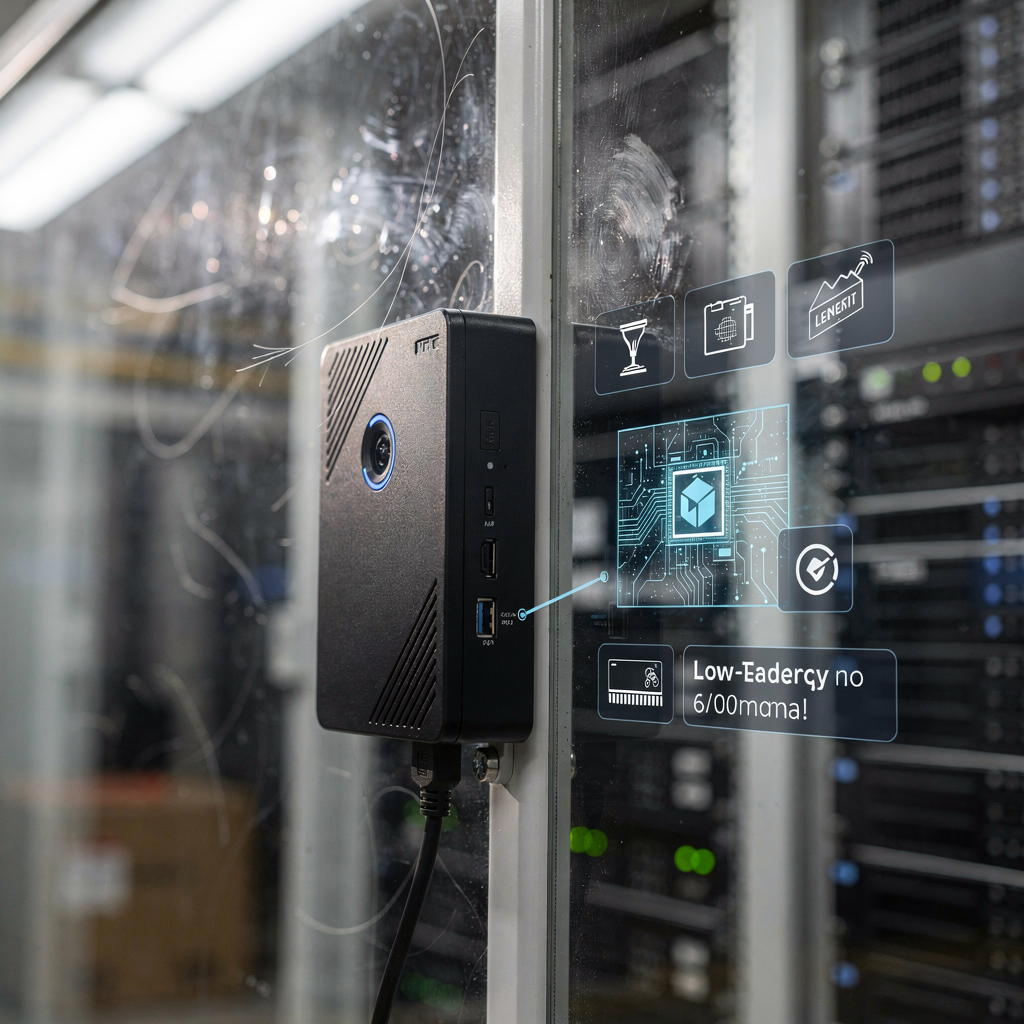
Future R&D will focus on explainable AI and on ultra-low-latency inference. Explainable components help operators trust automated decisions, and they support audit requirements. Developers are also working on algorithms to analyze video feeds with minimal compute, and on methods that process video data across cameras to form coherent incident narratives. These advances improve security and they unlock operational uses like automated reporting, and they turn video into actionable intelligence rather than into raw alerts.
AI vision within minutes?
With our no-code platform you can just focus on your data, we’ll do the rest
Use video analytics software and video analytics across enterprise video and smart video
Enterprise video use spans retail, healthcare, logistics, and transport. In retail, video analytics help with people counting, with dwell time studies, and with loss prevention. For healthcare and manufacturing, process anomaly detection and patient safety monitoring are top use cases. For example, operators can use forensic search to retrieve incidents quickly, and that capability shrinks investigation time and improves compliance forensic search examples. Smart video turns cameras into sensors that feed dashboards and that tie into business workflows.
Smart video use cases include customer behaviour analysis, safety monitoring, and occupancy analytics. video analytics across stores and facilities lets teams optimize staffing, and it supplies heatmaps and people counts for capacity planning. If you run a large facility, integrating video analytics with access control and with your VMS helps you correlate events and verify alarms. visionplatform.ai supports natural language search across recorded video and it integrates tightly with Milestone XProtect to surface context and recommendations, which helps reduce operator workload.
Integration best practices matter. Use APIs and standard protocols like RTSP and ONVIF for camera streams, and stream events via MQTT and webhooks for downstream systems. Keep data residency needs front of mind and choose on-prem or hybrid architectures if required by compliance. For tactical deployments, start with pilot sites, measure improvements, and then scale the software platform. If you want closed-loop operations, add AI agents that can pre-fill reports, suggest actions, and that can escalate incidents to teams when needed.
benefit from video analytics software and video analytics solutions
Video analytics provides measurable ROI when you match capabilities to business goals. Quantify benefits by tracking response times, false alarm reduction, and labor savings. Studies show a 40% drop in response time for teams using contextual alerts and a 35% improvement in viewer engagement for marketing teams that optimize video content with analytics engagement stats. These metrics convert into cost savings and into better outcomes for security and operations.
The market outlook is strong. The global video analytics market is projected to grow at roughly a 20% CAGR from 2025 to 2030 as demand rises in retail, healthcare, and logistics market growth projections. This growth means more options and more specialized offerings. To choose the right software solutions, first map your priorities: data residency, latency, customization, and integration are common decision factors. Then evaluate vendors on those axes.
Decision guidance: use pilot deployments to validate detection accuracy and operational fit, and test the video analytics platform with your real cameras and workflows. If you need natural language forensic search or agent workflows inside the control room, consider platforms that provide on-prem Vision Language Models and that can reason over VMS events, as that reduces time per alarm and it creates audit trails. visionplatform.ai is an option if you want to move from raw detections to AI-assisted operations that keep models and video on-prem. In short, match capabilities to outcomes, and pick a vendor that supports scaling, that offers clear integration paths, and that supplies the analytics tools you need to turn video data into action.
FAQ
What is AI video analytics and how does it differ from traditional surveillance?
AI video analytics uses machine learning and neural nets to interpret video data, and it can detect specific behaviors and objects rather than only recording footage. Traditional surveillance records and plays back video; AI video analytics provides alerts, classifications, and searchable descriptions that speed investigations.
Which industries benefit most from video analytics solutions?
Retail, healthcare, logistics, and transportation see strong gains because they use video to optimize operations and to improve safety. Security teams also benefit from faster incident verification and from fewer false alarms.
How do I choose the best video analytics software for my site?
Start by listing requirements: deployment model, integration with your video management system, compliance needs, and the types of detections you require. Run a pilot to validate accuracy with your camera angles and lighting, and test integrations and reporting.
Can video analytics run on existing cameras and VMS installations?
Yes, many solutions work with ONVIF and RTSP cameras and integrate with common VMS platforms. visionplatform.ai, for example, converts existing cameras and VMS systems into AI-assisted operational systems so you can add reasoning without replacing core infrastructure.
What are the privacy and compliance considerations with video analytics?
Data residency and model transparency are key concerns. On-prem or hybrid deployments help keep video local, and explainable AI features support audits and compliance with regulations such as the EU AI Act.
How much can video analytics improve response times?
Organizations report improvements up to approximately 40% in incident response times when they use verified, contextual alerts and automation. The actual gain depends on workflows and on how alerts are routed and handled.
Are there solutions for marketing teams that want to analyze video content?
Yes, platforms like Synthesia and Wistia provide analytics tailored to engagement and conversion metrics, and they help teams optimize video content. These tools supply viewer segments and performance insights that improve ROI.
What is the role of edge analytics in modern deployments?
Edge analytics reduces bandwidth use and latency by processing video feeds locally on devices or nearby servers. This helps organizations maintain low-latency detection and supports compliance by keeping video on-prem.
How do AI agents improve control room operations?
AI agents can verify alarms, correlate multiple sources, and recommend actions, which reduces operator load and speeds decision making. They can also pre-fill incident reports and automate routine workflows under human-defined policies.
Where can I learn more about forensic search and people counting use cases?
Explore vendor resources and case studies that show pilot results and integration patterns. For example, read about forensic search capabilities and people counting examples to see how teams retrieve events and track occupancy in real settings forensic search and people counting.