AI and Artificial intelligence – technology and AI in slaughterhouse hygiene
AI and artificial intelligence describe computer systems that can learn, predict, and act on sensor inputs in food processing facilities. In practical terms, these systems use models to translate video, thermal readings, and chemical data into useful alerts. First, they reduce routine workload. Then, they free staff to focus on higher-value tasks such as veterinarian oversight and complex decisions. For slaughterhouse operators this means fewer missed issues and faster corrective steps. Technology and AI combine cameras, sensors, analytics, and operator workflows to create a tighter loop between observation and action. For example, a camera system can flag an unclean station and stream that event into operations dashboards so cleaning teams respond immediately.
Computer vision and deep learning help automate visual tasks that were once manual. They support meat inspection by highlighting anomalies on the slaughter line. At the same time, thermal and optical sensors add layers of verification. When integrated, vision systems and sensors form a monitoring system that works continuously and scales across multiple shift patterns. Our platform, Visionplatform.ai, turns existing CCTV into an operational sensor network that makes these workflows practical. We process on-premise so data stays local and GDPR and AI Act concerns remain manageable. That design helps facilities meet safety legislation while keeping control of models.
Also, an ai system built for abattoirs can reduce contamination risks and support welfare monitoring. A clear advantage appears in traceability and audit logs. Agencies report that over 35% of AI implementations in federal agencies rely on existing analytics platforms to scale quickly, which signals how industry players can adopt similar approaches in meat safety assurance in abattoirs (AI in Action: 5 Essential Findings from the 2024 Federal AI Use Case). Therefore, operations can move faster without sacrificing compliance. As the role of artificial intelligence in food hygiene grows, operators must balance algorithmic outputs with human judgment and veterinary inspection to keep both food supplies and animals safe.
Computer vision and sensor systems to detect contamination
Computer vision systems can scan surfaces, carcass cuts, and equipment for visible contamination. They spot blood pools, foreign objects, and residue on tools. In parallel, chemical sensors and optical devices monitor levels of disinfectant and microbial markers. Thermal cameras reveal warm spots that may indicate incomplete cleaning or hot zones where bacteria can thrive. Together, vision and sensor data allow automatic detection of problems in real-time so staff can act quickly.
For example, a combined camera and chemical sensor arrangement reduced downtime in pilot projects by detecting soiling before it spread to downstream processes. Case studies in animal husbandry show that robotic sanitization with sensor feedback protects animal health and reduces pathogen loads (Stoimenov et al., Avenues for non-conventional robotics technology applications). Another study on AI trends highlights how deep learning improves accuracy for health-related detections and can be adapted to sanitation checkpoints (Investigating the Key Trends in Applying Artificial Intelligence).
In practical deployments, camera surveillance and sensors and AI integrate with operational platforms. Events can stream via MQTT into maintenance systems and dashboards. Visionplatform.ai, for instance, lets facilities repurpose existing CCTV so that vision outputs power production KPIs and cleaning schedules. This reduces the complexity of installing new hardware. The net effect is cleaner lines and fewer recalls. While AI cannot replace manual hygiene checks entirely, it amplifies them. It flags subtle patterns that escape human notice. In effect, it lets teams focus on verified issues rather than hunting for problems all day.

AI vision within minutes?
With our no-code platform you can just focus on your data, we’ll do the rest
Inspection protocols and food safety in slaughterhouses
Standard inspection procedures in abattoirs blend visual checks, palpation, and organ inspection. Meat inspection aims to protect consumers and ensure animals are fit for the food chain. Inspectors look for lesions, signs of disease, and contamination on carcass surfaces. They follow safety legislation and guidance from authorities such as the European Food Safety Authority. Traditional inspection relies on trained personnel working at pace on the slaughter line. This method can miss intermittent or subtle defects when throughput is high.
AI-driven inspection enhances these routines by acting as a steady second pair of eyes. Automated monitoring with vision systems for meat safety highlights lesions, pleurisy in slaughtered pigs using convolutional neural techniques, and other welfare indicators at the slaughterhouse. For instance, automatic detection of skin lesions or organ abnormalities reduces human fatigue and increases coverage across shifts. A study summarising AI adoption in adjacent sectors notes the importance of high-quality data and training to make these systems reliable (Implementation gaps in food safety interventions).
Contrast is stark: manual inspection depends on a person’s line of sight and attention. Automated inspection runs constant algorithms and logs every event. When AI detects a suspicious carcass, it can both alert the inspector and mark the item for a secondary, human-led check. This hybrid approach preserves the role of veterinary judgement while increasing the throughput of safe decisions. Visionplatform.ai supports this model by outputting structured events that integrate with VMS and management systems. Therefore, operators can link camera events to records, improving traceability and auditability for food control.
Monitoring animal welfare in slaughterhouses – eyes on animals to monitor animals
Animal welfare in slaughterhouse settings covers handling, stunning, lairage conditions, and indicators during the slaughter process. Observing behavior before and during slaughter reveals signs of distress, pain, or poor handling. Video analytics deliver continuous coverage that helps capture fleeting issues. The phrase eyes on animals describes focused camera monitoring and analytics that track posture, movement, and vocalisation proxies across the lairage and slaughter line.
Video-driven welfare monitoring uses computer vision and behaviour algorithms to analyse parameters such as slipping, crowding, or excessive queuing. It helps quantify welfare indicators at the slaughterhouse and supports welfare at slaughter audits. For example, camera monitoring paired with computer vision can flag animals that fall, struggle, or show abnormal gait. These flags trigger immediate interventions and document corrective actions.
In addition, camera surveillance provides a permanent record for compliance and training. Inspectors and veterinary teams can replay events to assess handling practices and retroactively conduct animal welfare assessment. A relevant quote highlights the potential of automation: “AI tools, including computer vision and robotics, offer potential for real-time monitoring and automated interventions that can drastically reduce contamination risks in slaughterhouses” (rsisinternational). This same capability helps spot animal welfare issues sooner.
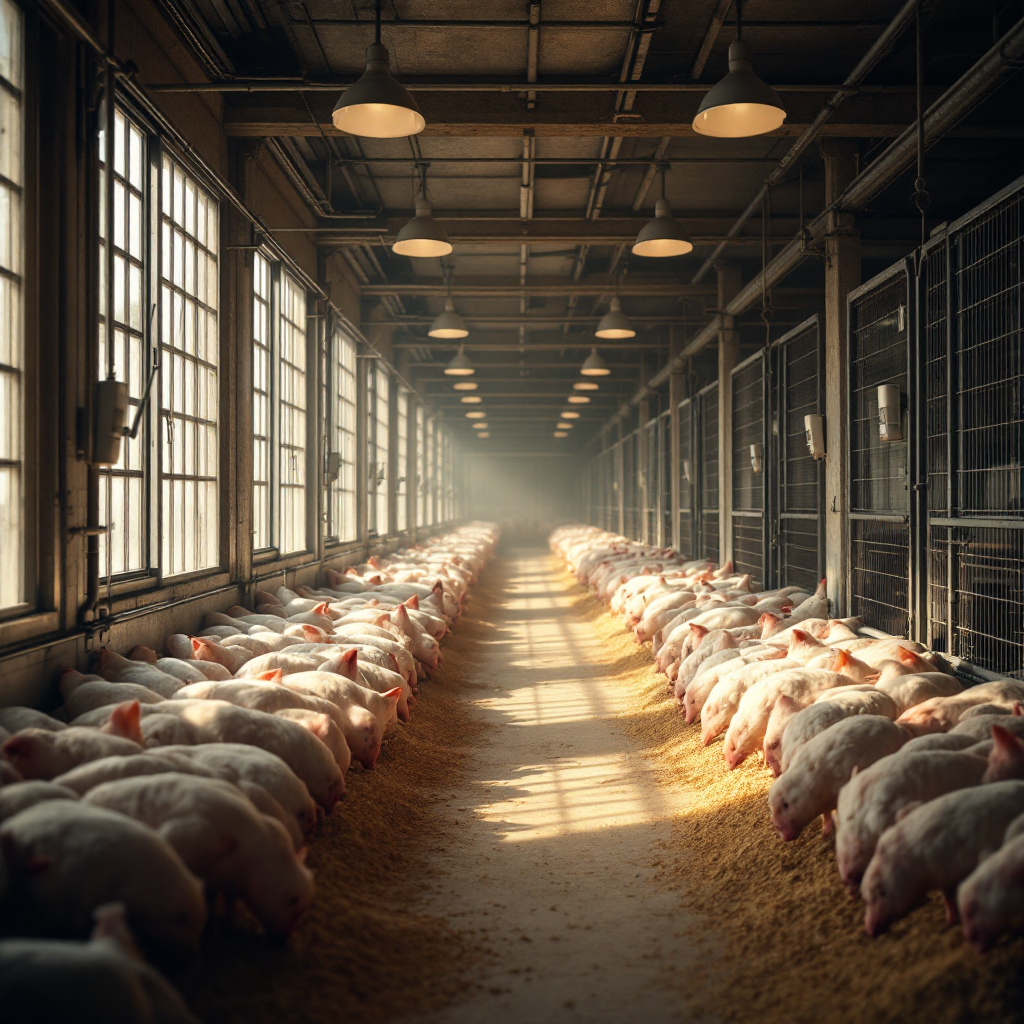
Also, welfare monitoring in pigs benefits from continuous tracking of movement and thermal stress. Using thermal cameras and behaviour analytics, teams can monitor pigs using automated metrics and respond faster. The combination of automated monitoring and human review strengthens both welfare and food quality outcomes. It creates a loop where data drives better handling, which then improves both animal health and welfare and reduces food waste.
AI vision within minutes?
With our no-code platform you can just focus on your data, we’ll do the rest
Using artificial intelligence to improve animal welfare and protection of animals
Using artificial intelligence in hygiene and welfare contexts adds repeatability and scale. AI-powered sanitisation robots and automated cleaning tools work with sensors to validate disinfection effectiveness. These systems record cleaning cycles and confirm surface conditions post-clean. They make it easier to meet standards for systems for meat safety assurance and to document compliance for auditors.
Protection of animals also improves when algorithms reduce handling errors. For instance, automated alarms for overcrowding or unusual behaviour stop people from moving animals too quickly. This lowers stress and reduces injury rates. Evidence from the livestock sector shows robotics and AI can protect animal wellbeing when configured correctly (Stoimenov et al.). In addition, experts have observed that agencies leveraging existing analytics platforms accelerate operational impact, which supports welfare-focused rollouts (AI in Action report).
Quantitative improvements appear in pilot studies: lower contamination rates, fewer handling incidents, and faster corrective cleaning. Systems that combine vision systems for meat safety with sensor feedback produce clearer audit trails for meat safety assurance in abattoirs. Where applied, automated monitoring reduces human exposure to repetitive, high-risk tasks and yields better documentation for safety legislation compliance. For operators, the goal is to improve animal welfare while keeping food production efficient and compliant. When designers include veterinary teams and line workers in development, AI solutions meet both food quality and welfare goals.
Human and animal synergy in AI technologies for food science
Human and animal collaboration with AI yields better outcomes than either alone. Workers bring contextual judgement. AI brings scale, speed, and consistency. Together, they make meat inspection and welfare oversight more robust. For example, an ai model trained on local footage can reduce false detections and match site-specific concerns. Visionplatform.ai emphasises user-controlled models that run on-premise so sites retain data and control, which helps satisfy the EU AI Act and local safety legislation.
Advances in food science increasingly rely on camera technology, sensors and ai, and continuous health data streams. These elements power new research into animal diseases, lesion patterns on carcass tissue, and welfare indicators at the slaughterhouse. The application of artificial intelligence to these datasets helps analyse long-term trends, assess the impact of procedural changes, and guide training programs. Combining domain expertise with automated outputs improves animal welfare throughout the production chain.
Regulators, operators, and technologists must collaborate to ensure responsible deployment. Standards for food control, traceability, and audit logs will evolve as the use of AI grows. For practical adoption, start small with pilot tests that include veterinary oversight and worker feedback. Then expand successful approaches across shifts and plants while keeping data local and auditable. This path balances innovation with compliance, supports animal and food integrity, and advances systems for meat safety assurance in abattoirs.
FAQ
How does AI help improve food safety in slaughterhouses?
AI improves food safety by continuously scanning lines, cameras, and sensors to spot contamination and process deviations. It supplies alerts that prompt rapid cleaning and human inspection, which reduces recall risk and protects consumers.
Can computer vision replace a human meat inspection?
Computer vision cannot fully replace human judgement, but it extends inspection coverage and reduces missed events. It flags suspicious carcass areas for secondary, human-led evaluation and improves traceability.
What are the main sensors used for hygiene monitoring?
Typical sensors include optical cameras, thermal imagers, and chemical sensors for disinfectant concentration. Together they provide layered verification of cleanliness and indicate where to focus manual checks.
How does AI support animal welfare at slaughter?
AI supports welfare by monitoring behaviour, crowding, and handling through video analytics and alerts. It documents incidents for review and helps enforce welfare indicators at the slaughterhouse.
Is data privacy a concern with video analytics?
Data privacy matters, especially under the AI Act and GDPR. Processing on-premise and keeping models local reduces exposure. Platforms that let sites control datasets and logs help compliance.
What role do veterinary teams play when AI is deployed?
Veterinary teams validate alerts, guide thresholds, and lead secondary inspections. Their expertise ensures that automated outputs lead to correct clinical or welfare actions.
How quickly can an AI monitoring system be deployed?
Deployment time depends on camera availability and integration needs. Using existing CCTV shortens timelines, because models can train on local footage instead of installing all-new hardware.
Do AI systems reduce food waste?
Yes. By detecting contamination early and optimising cleaning, AI reduces the volume of product lost to recalls or overcautious disposal. Better handling also lowers downgrades and waste.
Are there regulatory approvals needed for AI in abattoirs?
Regulations focus on outcomes like documented food control and welfare compliance, not the technology itself. Operators must follow local safety legislation and keep auditable records of inspections and corrective actions.
How can small plants access AI tools cost-effectively?
Small plants can start with repurposing existing cameras and choose models that run on edge devices to minimise cloud costs. Flexible platforms that integrate with current VMS provide a practical route to automation.