AI PPE detection for meat processing workers
1. Personal Protective Equipment Compliance in Meat and Poultry Processing
Personal protective equipment is central to safe operations in meat and poultry processors. Gloves, aprons, hairnets, face shields, and hard hats form the baseline safety gear. First, PPE reduces cuts, contamination, and cross-contact. Second, consistent PPE helps ensure food safety and keeps staff healthy. Yet compliance often falls short on high-throughput lines. Manual checks are slow, inconsistent, and subject to human oversight. For example, traditional audits struggle to cover dozens of stations every shift, so lapses go unnoticed. That increases injuries and illnesses, and it raises safety concerns for food safety programs and regulators.
This chapter reviews common safety requirements and the limits of manual oversight. It also suggests how AI can help improve ppe compliance and reduce lapses on the line. AI-driven monitoring can flag non-compliance in real time and feed safety management systems. For meat and poultry, even a short lapse can cause contamination or a line stoppage. Studies show AI can support high detection accuracy in complex workflows, which helps teams evaluate risk and adjust training data and safety protocol.Advancing food safety behavior with AI For processors facing heavy throughput, automating simple compliance checks reduces reliance on spot checks and specific training schedules. In practice, combining human oversight and automated alerts supports a stronger safety culture. Our company, Visionplatform.ai, helps plants use existing CCTV so teams can stream structured events into dashboards and audit trails. That speeds root-cause work and improves safety programs without adding cameras. Also, using on-prem processing keeps data local and supports GDPR and EU AI Act readiness.
AI vision within minutes?
With our no-code platform you can just focus on your data, we’ll do the rest
2. AI-powered PPE detection for Real-time Video Analytics in the Meat Industry
AI-powered PPE detection systems use cameras and machine learning to analyze video frames live. They run models that classify whether workers wear gloves, hairnets, aprons, or vests. The systems use computer vision and often a small ai model at the edge to avoid cloud transfer. Cameras become sensors that detect non-compliance and stream events to SCADA or BI. This approach lets teams detect missing protective equipment within seconds and then act. Video analytics work without human fatigue, and they keep audits objective and repeatable.
A striking case study showed 100% accuracy in detecting correct PPE across complex tasks that involved up to 195 procedural steps. That research highlights high detection accuracy in controlled deployments and suggests a path for meat processing plants to improve detection and reduce recall risks.100% accuracy study In addition, integrating AI with plant CCTV is often faster than installing new sensors. Plants can use existing security cameras to run ai-powered ppe detection and combine those events with quality control and metal detection outputs. For more context about deploying person and PPE models in a transport environment, see our example of PPE detection in airports which illustrates model tuning and audit readiness.PPE detection in airports The result is continuous monitoring that spots trends, reduces false alarms, and records events for traceability. Also, because models can be trained on site footage, the system adapts to local uniforms, lighting, and hygiene rules.
3. Implementing AI Solutions to Automate Inspection and Audit
Plants that implement AI solutions follow a clear path: collect video, label training data, train models, and deploy edge inference. First, teams gather representative footage that shows real tasks and lighting. Then, they label examples so the ai model can learn to detect gloves, hairnets, and aprons reliably. Next, teams validate the model with a test dataset and measure detection accuracy over time. Finally, they deploy the model on local servers or edge devices to keep processing close to operations and to maintain control of safety data.
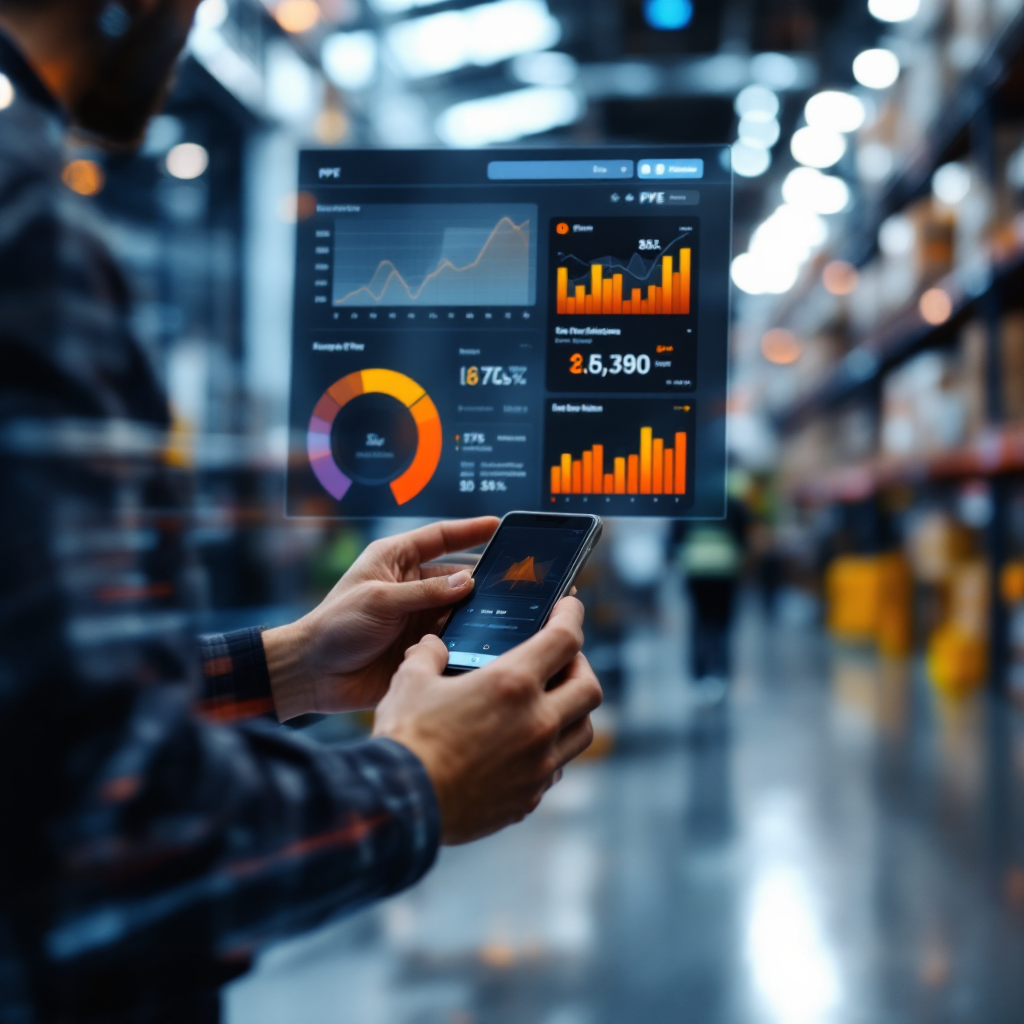
Deploying on the plant floor also helps automate inspection tasks and create digital audit trails. Instead of spot checks, systems capture each shift’s compliance metrics. That streamlines audits and improves record-keeping for regulators. For the audit step, automated evidence helps faster reviews and reduces disputed findings. Deployments should include change logs, clear deployment procedures, and performance checks so managers can evaluate system health and precision and accuracy. Visionplatform.ai supports this with on-prem processing, model tuning on your footage, and structured events published via MQTT. That makes it simple to automate routine inspection tasks and to feed alerts into maintenance and safety dashboards.
Automating inspection reduces manual burden and helps prevent recall events by identifying hygiene or PPE lapses early. Also, integration with existing quality control and workflows lowers friction. For teams seeking a template for people detection and occupancy analytics, see our people-detection page which explains how to reuse VMS video and operationalize camera outputs for safety and ops.People detection integration Overall, this path turns hours of static footage into actionable insights without vendor lock-in.
AI vision within minutes?
With our no-code platform you can just focus on your data, we’ll do the rest
4. Integrate Artificial Intelligence to Detect PPE Gaps and Enhance Safety Management
Integrating AI with safety management systems helps create real-time alerts and lasting improvements. When a system detects missing PPE, it sends a notice to supervisors, logs the event, and ties it to the affected station. This flow lets teams detect patterns and to assign corrective actions quickly. In seconds, managers see where non-compliance clusters and they can change shifts, retrain staff, or adjust signage. Integration also reduces oversight gaps by providing continuous coverage rather than intermittent checks.
AI helps organizations detect missing or incorrectly worn protective equipment by applying models that were trained on in-place uniforms and local PPE styles. Using a closed dataset of labeled examples improves performance in real-world workplace scenarios. Integrating ai with safety management platforms also supports safety protocol enforcement and root-cause analysis. For some operations, integrating with intrusion or perimeter systems adds context about access control and staff flows. See our intrusion detection page for ways to fuse camera events across security and ops.Intrusion detection integration Managers can use analytics to identify high-risk zones where safety incidents cluster, and then update safety requirements and training. AI-powered ppe detection systems publish timestamped alerts so audits show exactly when a lapse occurred.
To make this reliable, teams must evaluate models continuously and update training data. Regular maintenance is important after uniform changes or new equipment. Also, the system should handle edge conditions like wet floors or different lighting. By integrating AI we improve safety culture and reduce safety incidents through earlier detection and quicker response.
5. Optimisation of Food Safety and Quality Control Using Artificial Intelligence
Using artificial intelligence in food safety and quality control connects PPE monitoring with contamination detection and quality checks. AI systems can flag foreign material, hygiene breaches, or improper handling by correlating PPE events with other sensor outputs. For example, if a worker removes gloves near a critical control point, the system can trigger a sample hold or an inspection. That helps ensure food safety and reduces product quality risks before product leaves the line.
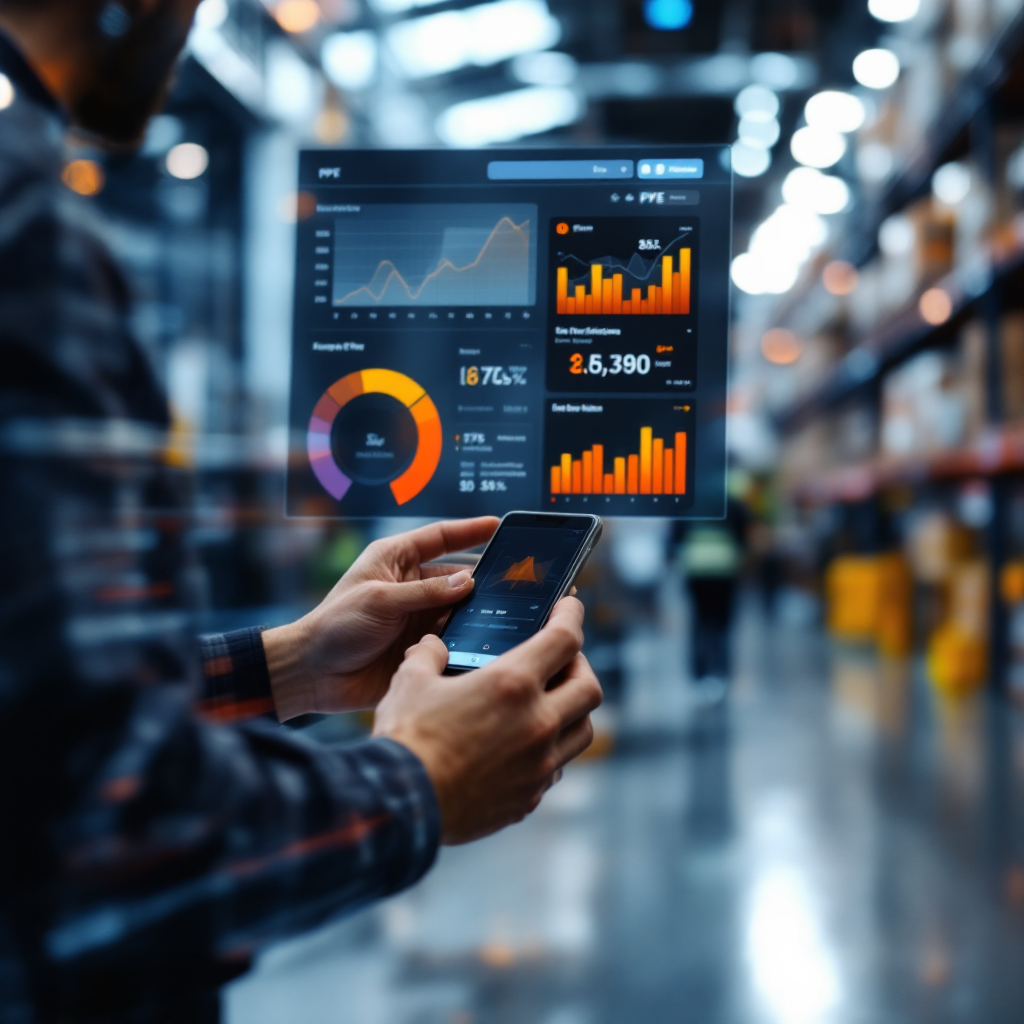
AI drives better food safety decisions by linking ppe detection data with quality control logs and metal detection alarms. When an event is recorded, the system creates a traceable chain that auditors and quality teams can review. Studies on Industry 4.0 practices show that integrating AI into food manufacturing quality management transforms how decisions are made and improves food safety and quality across facilities.Advances in Food Quality Management Driven by Industry 4.0 This connection also helps evaluate where foreign material risks are highest so teams can adjust machine guarding or line flows. AI helps prioritize preventive actions and reduce recall exposure.
Practically, this requires interoperable systems and a governance plan for safety data. Our ai platform supports streaming structured events to BI and SCADA so quality teams can automate holds and trigger specific inspections. Also, when quality control finds an issue, the footage helps reconstruct the event and to pinpoint corrective actions. Using AI to optimize these processes improves safety performance and supports continuous optimization of food safety and quality.
6. Reducing Downtime in Meat Packaging with AI Solutions and Analytics
Downtime in meat packaging is costly. Causes include PPE non-compliance, manual inspections, line stoppages, and safety incidents. AI-powered PPE detection and analytics help reduce these stoppages by catching issues early and by replacing some manual checks. When the system detects missing protective equipment, it triggers a quick intervention. That prevents a longer stoppage and reduces cumulative downtime across shifts.
Analytics show where bottlenecks originate. For instance, alerts might concentrate at one station during a busy shift. Managers then streamline staffing or change workflows to reduce interruptions. AI can also automate routine inspection tasks so teams spend less time on audits and more on process improvements. This automation reduces the human time spent chasing non-critical alerts and allows faster corrective actions for real problems.
Measured gains include fewer stoppages, faster corrective actions, and improved throughput. For manufacturers, even a small reduction in downtime improves overall equipment effectiveness and product quality. Implementing AI on existing CCTV makes this change practical. See our process anomaly detection page for how camera events are used to spot unusual stoppages and to support root-cause work.Process anomaly detection example In short, a combined approach of ai solutions, targeted automation, and clear safety protocol reduces downtime and helps teams keep packaging lines running smoothly.
FAQ
What is AI PPE detection and how does it work?
AI PPE detection uses cameras and machine learning to recognize whether workers wear required personal protective equipment. Models are trained on labeled video so they can detect gloves, hairnets, aprons, and vests in real time and send alerts when non-compliance occurs.
Can AI replace human inspectors for PPE checks?
AI can automate many routine inspection tasks and provide continuous monitoring, but it complements rather than fully replaces human oversight. Humans still evaluate complex context, perform corrective coaching, and handle exceptions that require judgment.
How accurate are PPE detection systems?
Some deployments have achieved high detection accuracy, with studies reporting excellent results in controlled environments.Study on detection accuracy Accuracy depends on training data, camera angles, and lighting.
Does on-premise deployment protect worker privacy?
Yes. On-premise or edge deployment keeps video and datasets local, which reduces data transfer risks and supports compliance with GDPR and the EU AI Act. This approach also helps organizations retain control over their models and audit logs.
How do AI alerts integrate with safety management?
AI alerts can stream to safety management systems, dashboards, and MQTT topics, creating a structured event feed. That allows teams to log incidents, trigger audits, and assign corrective actions within existing safety workflows.
Will AI work with existing CCTV cameras?
Many AI platforms support ONVIF/RTSP cameras and can run on GPU servers or edge devices. This means plants can often reuse existing security cameras rather than install new hardware. For examples of camera-based detections, see our people detection integration.People detection integration
Can AI detect foreign materials and contamination risks?
When combined with quality control systems and metal detection, AI can flag behaviors that increase contamination risk and help detect foreign material events by correlating multiple sensors and camera evidence. This supports faster holds and fewer recalls.
How do facilities maintain high detection accuracy over time?
Facilities must retrain or fine-tune models when uniforms or lighting change and they should refresh training data periodically. Continuous evaluation and a governance plan help maintain precision and accuracy.
Is AI PPE detection suitable for small processors?
Yes. Systems can scale from a few streams to thousands. Small processors benefit from targeted deployments on high-risk stations to reduce downtime and improve compliance without heavy capital investment.
What are the first steps to implementing AI PPE detection?
Start by collecting representative footage, defining safety requirements, and piloting an ai system on one line. Then evaluate performance, adjust training data, and expand deployment while keeping audits and oversight in place.