Introduction to ai and hygiene in healthcare facilities with security cameras
AI plays a transforming role in infection control and hand hygiene. Also, AI analyzes patterns that humans miss. First, it tracks hand movements, then it classifies whether the action matches hand hygiene protocols. Next, it provides real-time insights that support patient safety. In healthcare settings, hand hygiene prevents the spread of pathogens. For example, proper hand hygiene reduces hospital-acquired infections, which threaten patient care and safety culture. Also, studies show that automated systems can monitor compliance continuously, without the fatigue and bias of manual audits [source]. Furthermore, AI provides consistent, objective observation where humans cannot.
Security cameras form the backbone of many modern monitoring solutions. Also, they offer continuous coverage of washbasins, entrances, and patient rooms. Next, AI converts these video streams into structured events. For instance, Visionplatform.ai turns existing CCTV into an operational sensor network. This approach leverages existing camera infrastructure and avoids unnecessary hardware replacements. In addition, a multi-camera setup captures hand movements from different angles, which improves detection accuracy. For example, a study used three cameras around a washbasin to track technique and compliance with measurable results [source]. Also, AI reduces observer bias and captures rare events that manual audits miss.
Manual audits and direct observation have clear shortcomings. First, they consume staff time. Second, they suffer from the Hawthorne effect, where healthcare workers change behavior while observed. Also, audits are episodic and cannot provide long-term compliance trends. Therefore, AI-powered monitoring fills a gap. It offers continuous, scalable, and objective monitoring. In short, AI helps ensure that hygiene monitoring becomes integrated with daily workflows, without compromising patient privacy when configured correctly. Finally, this approach supports safer and more efficient patient care and helps sustain long-term compliance.
Designing an ai-powered hygiene monitoring system with sensor and security cameras
Designing an AI-powered hygiene monitoring system begins with hardware selection. First, pick cameras with enough resolution to detect hand movements. Next, add sensors at key points. For example, proximity sensors and dispenser sensors can confirm that alcohol-based hand sanitizers were used. Also, integrate with your existing camera infrastructure to reduce deployment time and cost. Visionplatform.ai supports ONVIF/RTSP cameras and integrates with leading VMS, which lets hospitals reuse video and preserve patient privacy. In addition, on-prem processing helps meet GDPR and EU AI Act requirements.

AI algorithms rely on clear inputs. First, synchronise multi-angle video streams to create a fused view. Next, extract hand landmarks and track trajectories across frames. Then, apply machine learning models to distinguish proper hand hygiene from inadequate washing. For example, models trained on annotated hand movements score each event against hand hygiene protocols. Also, multi-camera setups reduce false positives and increase detection accuracy. In addition, a hygiene monitoring system can combine camera detections with sensor signals, like dispenser counts, to confirm events.
Privacy remains a priority. First, anonymise faces or process video at the edge to avoid cloud uploads. Next, log only structured events and not raw footage when possible. Also, maintain auditable event logs for compliance. For instance, Visionplatform.ai lets organizations keep models and data on-prem, which supports EU AI Act readiness. Furthermore, deploy clear policies and staff communication to address patient privacy and staff concerns. Finally, ensure that data retention and access rules follow local regulations and world health organization guidance where appropriate [source].
AI vision within minutes?
With our no-code platform you can just focus on your data, we’ll do the rest
Leveraging ai-driven and generative ai for compliance and hand hygiene compliance tracking
AI-driven models classify correct versus incorrect handwashing by learning temporal and spatial patterns. First, the system extracts hand landmarks, then it analyses motion, contact time, and coverage. Next, the model outputs a compliance score. Also, systems can generate alerts or anonymised reports for managers. For example, one architecture normalises hand landmark data to reduce bias from camera distance and hand size [source]. This reduces disparities and improves fairness.
Generative AI plays a supporting role. First, generative AI can synthesize diverse training data. Next, it creates variations in lighting, gloved hands, and skin tones. Also, synthetic data helps reduce overfitting and improves the model’s ability to detect correct hand hygiene across diverse healthcare environments. Furthermore, synthetic examples can model rare but important scenarios. As a result, the models become more robust and adaptable. In addition, generative methods reduce the need to share sensitive video outside the institution.
Define clear metrics for success. First, measure percentage adherence and proper hand duration. Next, track accuracy, precision, and false positive rates. Also, compare AI outputs with in-person audits to validate performance. For example, AI-based systems have shown high concordance with simultaneous human observations, improving the quality of monitoring without extra manpower [source]. Furthermore, personalized, data-driven feedback based on AI monitoring has been associated with significant increases in adherence among healthcare workers [source]. Therefore, intelligent monitoring supports both accountability and education.
Also, AI platforms can stream structured events to dashboards and analytics tools. This lets managers spot hotspots, identify trends, and make informed decisions. For example, integrating detections with electronic health records can contextualise hygiene events near high-risk patients. Finally, AI-driven analytics help sustain long-term compliance and ultimately improving patient outcomes.
Deploy ai-assisted monitoring system with sensor integration, workflow optimisation and ai-assisted patient support
Start deployment with a pilot. First, map high-priority zones such as ICU, surgical suites, and patient rooms. Next, place cameras to capture washbasins and entry points without intruding on private spaces. Also, integrate dispenser sensors and door sensors to create cross-validated events. For example, install sensors at entry/exit points and near washbasins so the system confirms both presence and hand hygiene action. Also, include iot links where useful to tie sensor status into the system.
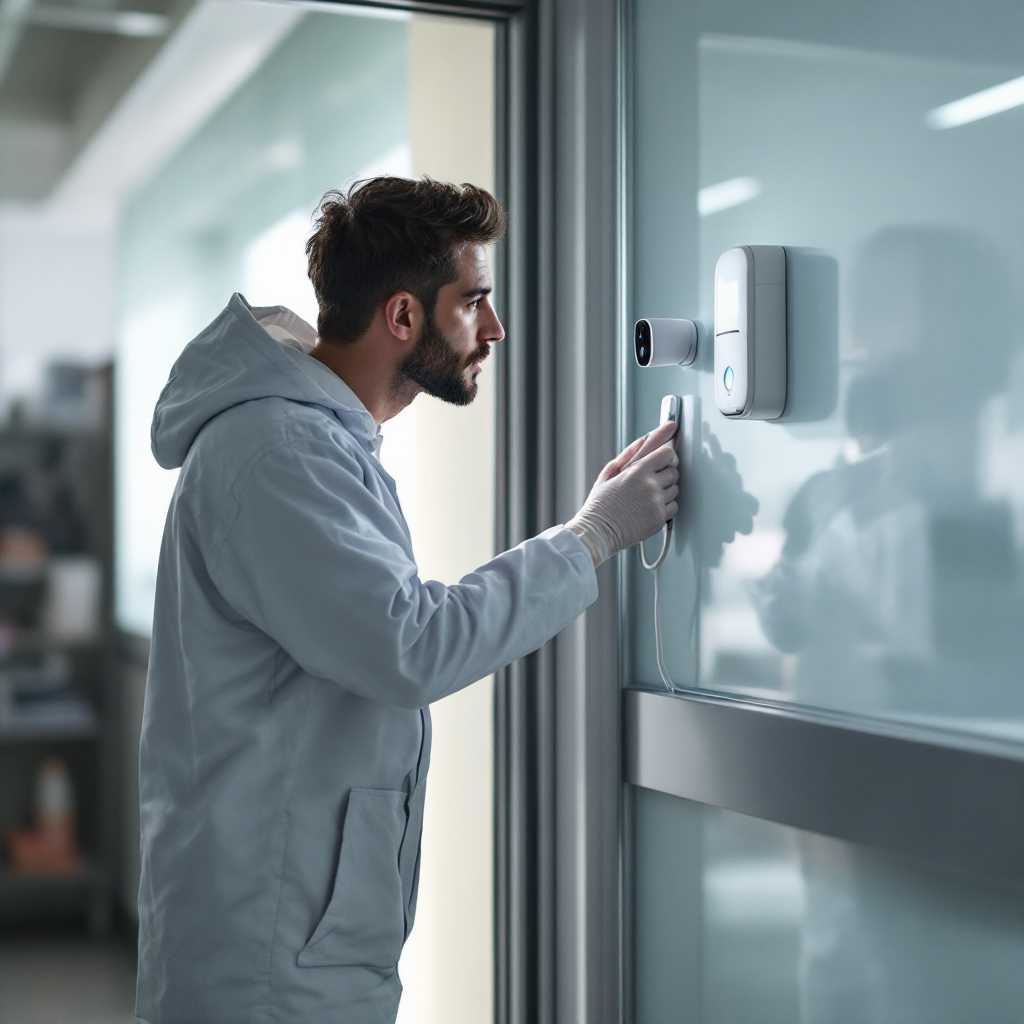
Optimize workflows by placing feedback at the point of care. First, deliver real-time feedback and alerts to pocket devices or wall-mounted displays. Also, use brief, non-punitive messaging to prompt proper hand hygiene as staff approaches a patient. Next, ensure alerts escalate only when necessary to avoid alert fatigue. For instance, Visionplatform.ai can stream events via MQTT so alerts integrate into security and operational dashboards. This reduces friction and increases adoption.
AI-assisted patient prompts can also improve adherence. First, provide patient-facing reminders when a visitor or clinician approaches. Next, ensure prompts do not compromise patient dignity or privacy. Also, coordinate with infection control teams to align messages with hand hygiene protocols and alcohol-based hand sanitizers availability. Furthermore, deploy dashboards to track staff performance over time. Use analytics to identify training needs and to measure improvements in infection control. Finally, always engage healthcare workers in the rollout to address barriers to hand hygiene and to accelerate acceptance.
AI vision within minutes?
With our no-code platform you can just focus on your data, we’ll do the rest
Improving hygiene practices and safety management with focus on hand hygiene and hand hygiene practices
Data-driven insights let teams refine hygiene practices. First, review compliance trends weekly. Next, spot hotspots where adherence drops. Also, correlate events with staffing levels and patient acuity. For example, dashboards can show when and where poor compliance coincides with high-risk procedures. This helps prioritize interventions that most reduce infections. In addition, deploy personalised feedback loops for staff. For instance, give individuals private dashboards that show their hand hygiene trends over time. Also, pair feedback with short training sessions to build habit formation.
Safety management needs clear metrics. First, track compliance with hand hygiene protocols and proper hand duration. Next, monitor the effectiveness of hand hygiene through infection rate correlations. Also, ensure dashboards present data in simple, actionable ways. For example, a safety management dashboard can identify units with low adherence and suggest targeted training. Furthermore, AI systems can identify potential threats, such as repeated non-adherence near vulnerable patients, so managers can escalate appropriately.
Case studies show measurable benefits. For example, hospitals using AI monitoring reported increased hand hygiene adherence after personalised feedback interventions. Also, continuous surveillance allowed teams to sustain long-term compliance. In addition, combining camera analytics with existing training programs improved overall improvements in infection control. Finally, such systems support patient safety by making cleanliness a seamless part of routine care, which ensures that healthcare teams consistently follow protocols and ultimately improving patient outcomes.
Future perspectives on hygiene monitoring, compliance and why hand hygiene is a key in healthcare environments
Looking ahead, hygiene monitoring will expand beyond cameras. First, wearables and smart dispensers will add richer context. Next, edge AI will run advanced models on-site to reduce latency and preserve data localness. Also, integration with electronic health records will allow real-time compliance data to inform care plans. For example, linking hygiene events to patient charts can help flag high-risk interactions. In addition, standards will evolve and compliance with hand hygiene may appear in accreditation checklists.
Advanced AI and generative AI will continue to improve detection and reduce bias. Also, models will become more adaptable to diverse healthcare settings and lighting conditions. Furthermore, intelligent monitoring will support proactive risk management by predicting when adherence may decline. For instance, analytics might flag units with staffing patterns that historically reduce compliance, and then suggest targeted interventions. Also, AI provides the ability to scale monitoring across large facilities without adding headcount. This makes surveillance both scalable and sustainable.
Culture remains central. First, hand hygiene is a key principle for patient safety and for infection prevention. Next, organizations must balance technology with staff engagement and patient privacy. Also, Visionplatform.ai shows how existing camera systems can become operational sensors, which helps hospitals reuse infrastructure in a privacy-aware way. Finally, as the field matures, AI platforms will support safer and more efficient workflows, improved patient experience, and fewer infections. In short, the future will blend technology, training, and transparency to make hand hygiene among healthcare workers a consistent part of patient care.
FAQ
What is an AI-powered hygiene monitoring system?
An AI-powered hygiene monitoring system uses cameras and sensors to detect hand movements and to classify whether hand hygiene events meet predefined standards. It combines machine learning with edge processing to provide continuous, objective observations without relying solely on manual audits.
How does AI detect proper hand hygiene?
AI models extract hand landmarks and analyse motion patterns across video frames. Then, they score actions against hand hygiene protocols, such as duration and coverage. Also, sensors like dispenser counters can confirm whether alcohol-based hand sanitizers were used.
Are security cameras safe for patient privacy?
Yes, when configured properly. Edge processing and anonymisation can keep raw video local and only log structured events. Also, transparent policies and auditable logs help meet patient privacy and world health organization guidance.
How accurate are AI systems compared to human auditors?
AI systems have shown high concordance with in-person observations in several studies. For example, AI-based approaches can continuously monitor adherence and often match or exceed the consistency of human audits [source].
Can generative AI improve monitoring models?
Yes. Generative AI can create synthetic examples to broaden training data. This reduces bias and improves robustness across diverse healthcare environments. Also, it helps model rare scenarios without exposing real patient video.
How do you deploy such a system in a hospital?
Start with a pilot in high-priority zones like ICUs. Then, reuse existing camera infrastructure and add sensors at dispensers and entry points. Also, integrate alerts with operational dashboards to support workflow optimisation and staff acceptance.
Will this help reduce infections?
Evidence shows that data-driven, personalized feedback based on AI monitoring can significantly improve adherence, which correlates with fewer hospital-acquired infections [source]. Also, continuous surveillance allows teams to sustain long-term compliance.
What about regulatory compliance like GDPR and the EU AI Act?
Processing on-prem and keeping models local helps organisations meet GDPR and EU AI Act requirements. Also, using platforms that allow you to own data and control models reduces regulatory risk and supports auditable logs.
Can the system integrate with existing hospital software?
Yes. Many AI platforms stream events via MQTT or webhooks so systems like VMS and dashboards can consume detections. For example, Visionplatform.ai integrates with leading VMS to operationalise video as sensor data.
How do staff respond to continuous monitoring?
Acceptance improves when systems focus on education and non-punitive feedback. Also, involving healthcare workers in deployments and providing private performance dashboards increases trust and reduces barriers to hand hygiene.
For further information on related capabilities such as people detection, PPE detection, and occupancy analytics, see related resources on our site: people detection, PPE detection, and heatmap occupancy analytics.