AI detection and alert on the factory floor
AI transforms how teams manage slick surfaces and chemical spills on a factory floor. AI-powered vision can spot liquid where humans might miss it, and it can do so continuously. Cameras and models run together to form a system that identifies wet floors, pools, and streaming fluids. The system sends instant alerts to relevant personnel so teams can respond fast and reduce slip-and-trip hazards. Real-time monitoring lowers the chance of a slip-and-fall and shortens the lag between discovery and clean-up.
Visionplatform.ai turns existing CCTV into an operational sensor network so sites can reuse cameras rather than install bespoke hardware. That approach makes a scalable solution that integrates with existing infrastructure and avoids vendor lock-in. The platform streams structured events to operations and security systems, so an alert becomes an operational signal for maintenance teams and safety management. In practice, this means the same camera feed that helps security can also power KPIs and dashboards for operational teams.
Real-time leak detection matters because seconds and minutes matter in high-risk areas. Studies show AI-driven monitoring can reduce leak detection times by up to 70%, and that speed translates into measurable reductions in clean-up costs and downtime. The system also helps to comply with regulations by keeping logs and auditable event trails for incidents. For managers, that improves ROI, because fewer safety incidents and less production delays protect both people and the bottom line.
To work reliably, an AI-powered solution must be trained for site-specific conditions. Lighting, floor materials, and process steps all change how a liquid looks on camera. Good models learn to detect puddles and to classify a spill versus a leak so teams know which response is required. The system can also publish instant alerts and notification messages to mobile devices and plant dashboards, enabling a rapid response and lowering the chance of near-miss events on the shop floor. For a practical example of slip-and-fall prevention in adjacent domains, see an application for slip-trip-fall systems used in large public spaces here.
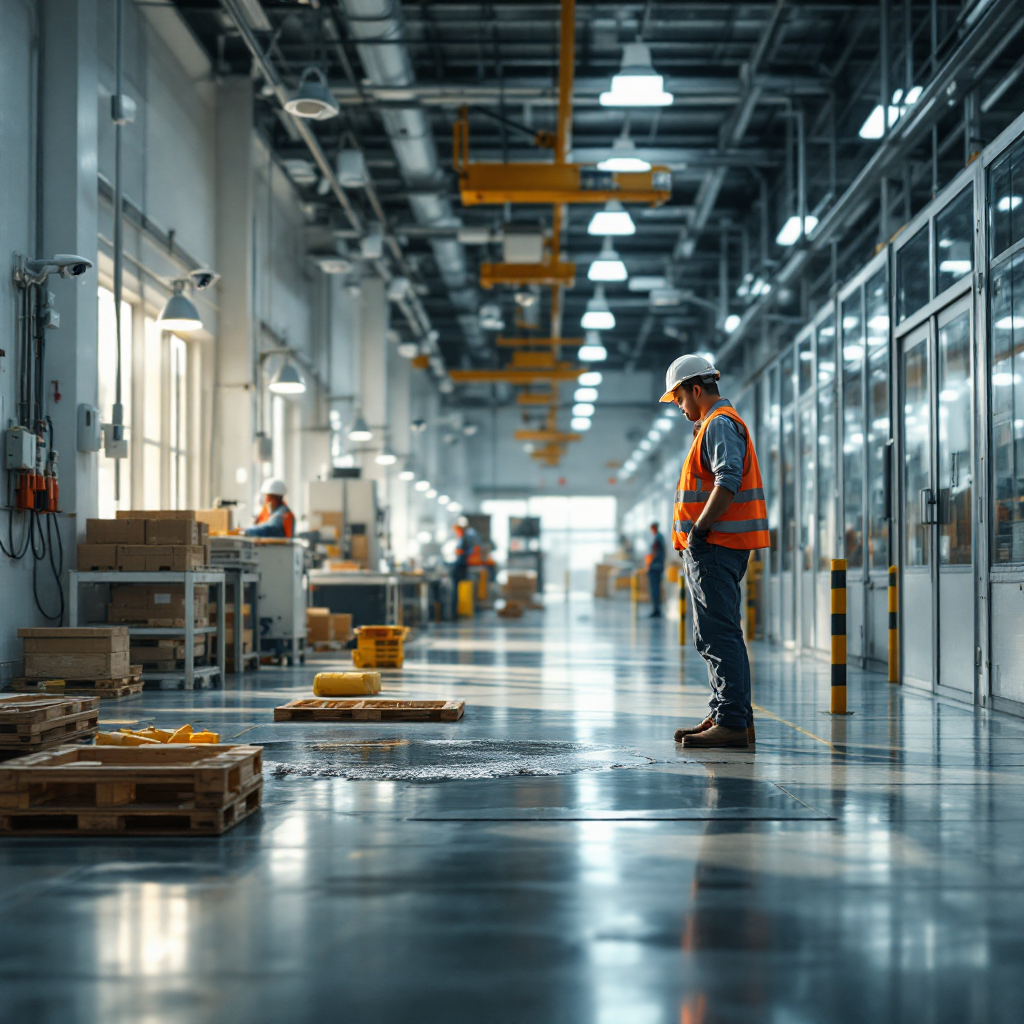
Using computer vision to detect spill and leak detection
Using computer vision is central to early warning and precise detection. Machine learning models learn how liquid behaves in images: shape, colour, reflection, and the way it spreads. They learn to spot wet patches even when lighting shifts. These models can then classify whether the event is a spill from a packaging line or a slow leak from a valve. A system that uses this approach reduces false positives by focusing on visual signatures rather than crude thresholds.
Dow Chemical applied computer vision to containment monitoring and saw faster, more accurate outcomes. Their work with visual models helped to identify containment breaches earlier and reduced the risk of larger incidents at scale. Visual detection gives teams early warning signs and a camera-based audit trail that complements manual inspection. When operators review footage, they can see the progression and decide whether to isolate a process step or call maintenance.
In water distribution and similar processes, advanced models have shown improved accuracy over traditional checks. Research indicates detection accuracy improvements of over 85% compared with manual approaches in some contexts. These gains matter in manufacturing environments where leaks in industrial piping or storage can lead to defective products, contamination, or process downtime.
AI solutions often mix physics-informed models with pure data-driven learning to better detect and localize leaks. That hybrid approach strengthens performance in edge cases, such as reflective surfaces or thin films of liquid. The models then feed a leak detection system or alert chain. For teams upgrading their security-first view to an operational view, integrating ai-powered vision into the VMS is a practical step. If you want to see related anomaly detection work that tracks process deviations, check out process anomaly detection examples used in large facilities here.
AI vision within minutes?
With our no-code platform you can just focus on your data, we’ll do the rest
leak detection system for workplace safety and alert
A modern leak detection system relies on three core components: high-resolution cameras, edge compute units, and alert software that routes events to the right responders. Cameras capture continuous video, edge units run AI models locally to keep data private and compliant, and alert systems publish events to dashboards, mobile devices, or an operations queue. This combination turns a passive CCTV network into a continuous monitoring layer that supports safety management.
Integration matters. When the system integrates with existing alarm systems and mobile notification platforms, teams receive real-time alerts and can act without switching contexts. Defined protocols guide staff actions after an alert. For example, the first responder secures the area, maintenance isolates the source, and safety logs the incident for trend analysis. Visual inspection is then used to confirm remediation and to record the closure of the event.
To support a production line with minimal disruption, the system that identifies spills should also include analytics and a dashboard so supervisors can prioritize tasks. A dashboard shows leak locations, time to detection, and recurrence trends so teams can plan preventive maintenance. That data helps maintenance teams move from reactive fixes to scheduled interventions and reduces unplanned downtime. For a practical deployment scenario that extends security analytics to operations, see how Visionplatform.ai streams events for operational dashboards and MQTT feeds to avoid long-term vendor lock-in.
Operators often worry about false alarms, so the best systems allow site-specific retraining and custom classes. That keeps the solution compliant with data policies and ensures alerts are relevant. The system also supports manual inspection workflows when human confirmation is required. As part of workplace safety programs, these measures reduce both slip-and-fall accidents and safety incidents tied to leaking chemicals or water remains on floor surfaces.
Detect leaks and water leaks in production workplace
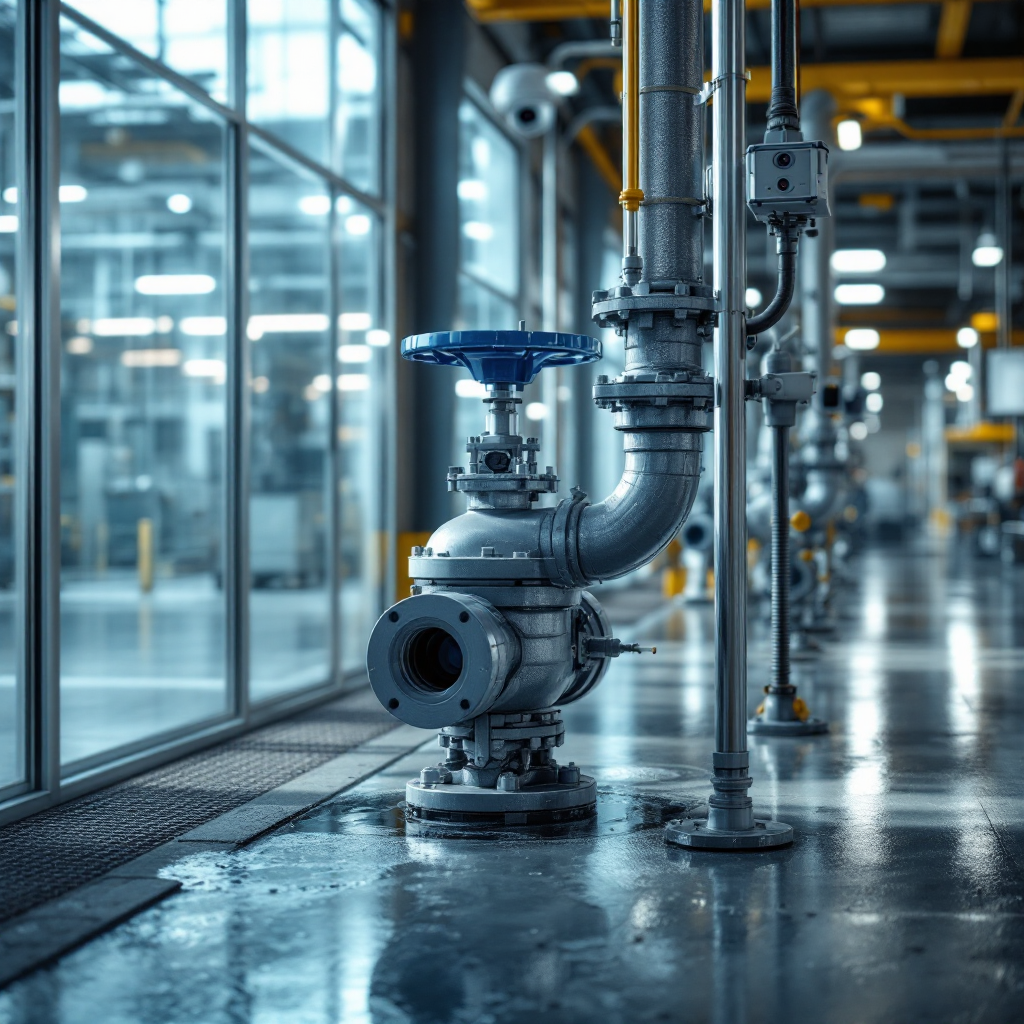
Common leak sources include pipes, valves, pump seals, and storage tanks. AI shortens the time to find those faults, and in some studies it cut detection times by up to 70% compared with traditional manual inspection. That speed reduces the window in which equipment can be damaged or contamination can spread. For manufacturers, early detection prevents defective products and protects packaging line continuity.
Detect leaks early to avoid cascading failures across interconnected systems. Water leaks and chemical leaks behave differently on camera, but both produce visual cues like pooling, streaks, or reflections. Advanced models are trained to detect these cues and to flag the highest risk instances first. Real-time alerts then route to relevant personnel, who perform the required response to potential hazards and log the incident for continuous improvement.
In water distribution and other utilities, researchers explore federated learning and sensor fusion to improve detection across sites while preserving privacy. That lets organizations aggregate knowledge without moving raw footage offsite. For site operators, integrating a leak detection technology with existing cctv yields a competitive advantage: faster response, lower clean-up costs, and fewer production delays. For more on how vision systems help prevent slips in public spaces and complex sites, review a related fall detection use case here.
Finally, bringing AI to leak management means building clear playbooks. When a system issues an instant alerts notification, staff follow step-by-step actions: cordon off the zone, engage maintenance, and record the closure in the dashboard. That workflow reduces repeated incidents in high-risk zones and improves measurable safety outcomes across the manufacturing facility.
AI vision within minutes?
With our no-code platform you can just focus on your data, we’ll do the rest
computer vision for leak and spill management on factory floor
Combining physics-informed models with data-driven AI brings precision to leak and spill management. Physics constraints help models reason about how liquids flow, while machine learning handles visual variability and complex textures. This hybrid approach raises precision above 85% in many test cases, which lowers false positives and reduces alert fatigue for operators.
Continuous monitoring lets teams trend analysis and detect patterns that predict future failures. For instance, small recurring wet patches near a pump can show wear before a visible failure. Those early warning signs allow preventive maintenance and reduce the need for emergency interventions. Training systems to detect and localize leaks across multiple cameras also shortens time to repair and reduces the highest risk of damage to process equipment.
When integrating AI into operations, choose a solution that keeps data local and supports on-prem inference for compliance. Visionplatform.ai supports on-prem and edge deployment so you can keep footage inside your secure environment and still use structured events for analytics. This strategy helps teams remain compliant with EU AI Act expectations and other regional data rules while delivering precise operational value.
Continuous improvement matters. Models need ongoing retraining as factory floors change — new floor materials, different lighting, or new packaging lines. Systems that allow site-specific model adjustments reduce false alarms and keep detection uses relevant. Adding a single environmental sensor to confirm moisture can also lower false positives in reflective zones. The result is a robust leak detection solutions mix that combines vision, occasional sensors, and clear response protocols for rapid response when a spill does occur.
AI benefits and challenges in leak detection and water leak detection
AI brings clear benefits: fewer accidents, reduced clean-up costs, and less downtime. It also helps to detect water and chemical leaks before they escalate. AI improves response to potential failures and gives operations teams a measurable way to reduce near-miss events. When paired with structured dashboards and analytics, managers can quantify ROI and justify further investments in safety automation.
However, challenges exist. Data security and privacy remain serious concerns. Reports warn that a large share of AI tools have exposed data or weak access controls in the wild, and other surveys show organizations reporting breaches of AI models and applications in practice. For that reason, use systems that support local inference, auditable logs, and strict access control to stay compliant and secure.
Integration hurdles also slow adoption. Many plants run legacy VMS and RTSP streams, and teams need solutions that integrate with existing CCTV and enterprise systems. Visionplatform.ai focuses on flexibility, letting sites pick models from a library, retrain on local data, and stream events to MQTT or webhooks for operations. That reduces vendor lock-in and lets maintenance teams and safety departments use camera feeds beyond security.
Looking ahead, federated learning and sensor fusion will extend capabilities while limiting data movement. Smarter instant alerts, better prioritization of high-risk zones, and tighter links to maintenance workflows will make AI part of normal production processes. For organizations willing to invest in model governance and on-prem deployment, AI offers a compliant, scalable path to protect people and assets on the shop floor while reducing production delays and improving safety management.
FAQ
What is AI spill or leakage detection on production floors?
AI spill or leakage detection uses cameras and machine learning to find liquid where it should not be. Systems analyze video in real time and issue an alert when they detect a potential spill or leak.
How fast can AI detect leaks compared to humans?
AI can be much faster than manual inspection. Studies suggest AI-driven monitoring can cut detection times by up to 70%, so teams get earlier warnings and can reduce damage and downtime.
Can AI tell the difference between a spill and a leak?
Yes. Models trained on site-specific footage learn visual patterns to classify a spill versus a slow leak so teams can respond appropriately. This reduces false positives and prioritizes the highest risk events.
Do these systems require new cameras?
Not usually. Many solutions work with existing CCTV and RTSP streams to convert cameras into operational sensors. This avoids large capital outlays and lets sites use their current infrastructure.
Are AI leak systems compliant with privacy rules?
They can be. Deploying models on-prem or at the edge keeps video inside your environment and supports compliance with regional rules. Always check an implementation for data governance and auditable logs.
What happens after an AI system raises an alert?
Alert protocols define next steps: secure the area, notify maintenance, and log the event. Systems can send instant alerts to mobile devices and dashboard views so teams respond rapidly and record closure.
How accurate are AI leak detection systems?
Accuracy varies, but hybrid models combining physics and data-driven approaches have achieved precision above 85% in tests. Site-specific retraining improves real-world performance.
What security risks should I worry about?
Risks include data breaches and weak access controls. Research shows many AI tools have leaked data in reported cases, so use platforms that allow on-prem processing and strict governance.
Can AI leak detection integrate with maintenance systems?
Yes. Modern platforms stream events to MQTT, webhooks, or your enterprise tools so maintenance teams can schedule repairs and track trends on a dashboard.
How do I start deploying AI for leak detection?
Begin by evaluating existing CCTV and process maps, then pilot an AI model on a few high-risk zones. Use site-specific training data, define alert protocols, and iterate with continuous improvement to reduce false alarms and improve response.