forklift safety and industrial safety in meat plants
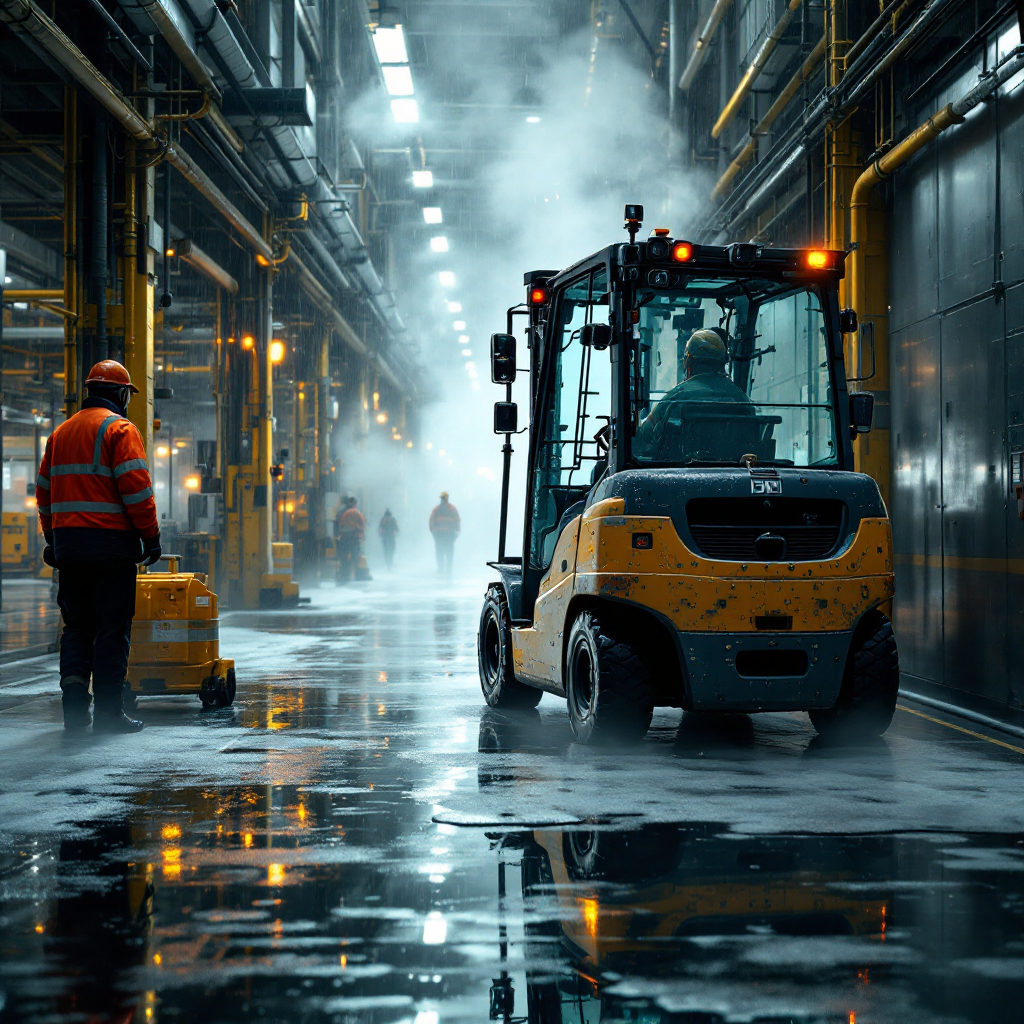
Meat plants mix heavy loads, wet floors, and tight workflows. These factors create high-risk conditions where a forklift can quickly become a hazard. Workers move pallets, crates, and carcasses in a fast rhythm. Poor lighting, steam, and refrigeration fog often reduce visibility. As a result, visibility problems increase the chance that a pedestrian is struck by a moving vehicle. For context, forklift-related incidents account for approximately 34% of all industrial vehicle accidents, and many of those occur in food processing sites like meat plants 34% statistic. This statistic underlines why proactive measures matter.
Traditional safety measures such as signage, mirrors, and simple barriers help. Still, they cannot always prevent accidents in cramped, dynamic areas. A more advanced approach uses AI to detect people and hazards in real time. Using computer vision for forklift monitoring helps reduce collisions, and it can reinforce site safety protocols. In fact, one source notes that “AI pedestrian detection systems represent the most effective approach to preventing workplace collisions and protecting personnel” expert quote. Therefore, operations teams now combine human training with sensor-led controls.
When a forklift interacts with people, the problem is not just impact. It is also the downtime, the legal exposure, and the morale loss after an accident. An ai system that flags risky behavior, logs events, and streams structured events can reduce all these secondary costs. Visionplatform.ai turns existing CCTV into operational sensors so teams can reuse video to detect people and vehicles without sending data off-site. This approach helps meet site safety and compliance needs while keeping data local. In addition, computer vision systems integrate alerts with operational dashboards. As a result, supervisors see where risks cluster and where to focus safety training.
Operators need tools that help them act quickly. A forklift operator who gets timely warnings can slow or stop and avoid an accident. A safety program that combines training, calibrated sensors, and frequent review will perform better than one relying on signs alone. For managers in meat plants, the mix of harsh environmental conditions and heavy traffic makes AI-powered detection and automated safety responses an essential part of modern industrial safety.
forklift cameras, AI camera and camera system for collision avoidance system
Hardware matters. High-definition lenses, night-vision modes, and ruggedised units keep vision tech working in cold, wet, and steamy conditions. A robust camera system must resist washdown, shocks, and low temperatures. Forklift cameras mounted at the front, sides, and rear eliminate blind spots and provide multi-angle context. Strategic placement helps when a pedestrian crosses behind a stack or steps beside a moving mast. For example, a well-designed ai camera setup combines wide-angle view for situational awareness with a narrow, long-focus lens for distance estimation.
Edge computing architectures allow footage to be processed on or near the vehicle. Edge models reduce latency and keep critical data inside the site. That architecture supports real-time decision making and real-time alerts that notify an operator immediately. In many installations, the edge device runs a fork of a deep-learning model that prioritises humans and moving objects. The system provides on-screen cues and audible warnings without relying on cloud connectivity. This design supports GDPR and EU AI Act concerns by keeping data local and auditable.
Visionplatform.ai supports on-prem deployment while integrating with leading VMS and MQTT streams. That lets facilities use existing cameras and turn them into operational sensors. The platform also supports model retraining on-site, so a site can reduce false alarms driven by forklifts moving unusual loads. Using an ai forklift camera system with flexible models lowers false positives and improves detection accuracy. Also, robust cab displays and driver-facing indicators make alerts clear. Cab displays can show color zones, distance markers, and the direction from which a pedestrian is approaching. These cues shorten reaction time and reduce the chance of a collision.
Camera selection also affects maintenance cycles. IP-rated housings extend life. Replaceable lenses and sealed connectors speed servicing. A forklift safety solution must include maintenance checks to ensure cameras remain aligned and sensors remain calibrated. Finally, vision systems should work with other vehicle sensors. Combining LiDAR or ultrasonic sensors with vision technology creates redundancy. That layered strategy increases confidence that a pedestrian is detected even in steam or poor lighting. For more on people detection and related use cases, see our work on people detection in airports people detection in airports, which shows how model tuning improves accuracy in challenging scenes.
AI vision within minutes?
With our no-code platform you can just focus on your data, we’ll do the rest
detection and AI technology for pedestrian detection
AI advances changed how we spot people near moving vehicles. Deep-learning models detect human shapes and estimate pose. Object detection models flag people, while pose estimation can tell if someone bends, slips, or stands still. Combining both approaches reduces false positives when a hanging tag or pallet corner might otherwise trigger an alarm. A pedestrian detection system uses layered models and context logic to decide what is relevant and when.
Performance metrics matter. Detection accuracy, precision, and recall determine whether the system helps or distracts. In meat plants, steam and glare create more false negatives and false positives than in dry warehouses. That is why adaptive algorithms are essential. These algorithms change thresholds by time of day, by zone, and by weather in the plant. For example, models can raise sensitivity near blind alleys while lowering it in busy packing lanes to avoid alert fatigue. System tuning must ensure the rate of false alerts stays low so operators trust the solution for forklift and pedestrian safety.
Edge inference keeps latency low, which improves reaction times and decreases collision risk. When a real-time pedestrian is detected, the system can send an alert to the cab display and to a site dashboard. That immediate feedback is central to any collision avoidance system. Academic and industry work shows that AI and edge computing reduce near misses and accidents when properly deployed edge computing research. Also, VIA Mobile360 deployments report large drops in near-miss incidents after introducing ai-powered detection and alerts case study. The result is less downtime and clearer risk data.
Detection systems must be tested on-site. Using existing VMS footage for re-training makes models fit the site. Visionplatform.ai does exactly that: it retrains models on customer video so the model matches the site’s object classes and traffic patterns. That flexibility helps when a meat plant uses a mix of pallet sizes, differing uniforms, and seasonal lighting. With careful tuning, the system reaches strong detection accuracy while keeping the number of unneeded safety alerts low.
AI-powered forklift real-time alert for pedestrian proximity
Immediate warnings reduce reaction time. AI-powered forklift solutions send multiple alert modalities: audible alarms, LED indicators, and haptic feedback in the seat or steering. A pedestrian alert system often layers those methods so an operator who misses one cue still receives another. The configuration lets managers set thresholds by zone and by forklift speed. For example, the system can trigger a louder alarm as forklift speed rises. Configurable proximity zones also let a site tune sensitivity for loading docks or narrow aisles.
Research shows that real-time alerts can cut near misses by up to 50%, a major improvement in site safety and operations near-miss reduction. These reductions come from faster operator responses and clearer awareness of where pedestrians gather. When the pedestrian is detected early, an alert triggers and an operator slows or pauses. The intervention prevents a potential accident. That same data stream feeds safety analytics dashboards so safety teams can spot trends and change rules.
Alert management must avoid fatigue. Too many low-value alerts can desensitise operators. Successful implementations use tiered alerts. A soft visual cue appears first, then an audible prompt, and finally a stronger haptic or automated braking if the operator does not respond. This tiered approach balances safety with operational flow. It also preserves trust in the system so operators respect each alert.
Systems that integrate with fleet management provide greater oversight. For example, a safety platform can log alerts per shift and per operator. This log supports a data-driven safety program and targeted coaching. One safety vendor highlights the value of AI in reducing collisions and recommends smart deployment to protect workers and operations implementation guidance. By combining calibrated sensors, configurable proximity rules, and clear alerts, sites reduce accidents and maintain throughput. The real benefit is fewer stoppages, more confident operators, and fewer costly accident investigations.
AI vision within minutes?
With our no-code platform you can just focus on your data, we’ll do the rest
forklift operator safety program and training to reduce blind spots
A strong safety program combines technology with human practice. Operator interfaces must be intuitive. In-cab displays show directional warnings and distance markers. Wearable devices can alert workers when they enter high-risk zones. Programs should include onboarding, refresher modules, and regular drills. Hands-on exercises let operators learn what different alerts mean and how to react under pressure. Training should include scenarios that reflect the real environment, such as wet floors, low light, and stacked loads that create blind spots.
Maintenance is part of operator safety. A checklist should ensure lenses stay clean and cameras remain aligned. Calibration keeps detection accuracy within tolerance. Without scheduled checks, small misalignments can produce missed detections and unreliable safety alerts. Routine servicing extends the lifetime of hardware and keeps software models valid for the current site conditions. That maintenance makes the forklift safety system a dependable partner, not a nuisance.
Operators and supervisors must access incident logs and video highlights for coaching. Using event data, safety teams can run targeted drills on hotspots identified in safety analytics. For example, per-shift logs might reveal that a particular aisle sees recurrent alerts during shift change. That insight supports procedural changes such as new staging zones or slow-speed limits. To get started with analytics that inform training, teams can look at systems used for people counting and occupancy heatmaps — tools that transfer well from airports to industrial sites people counting.
Training also includes understanding the limits of sensors. Operators must know when visibility is compromised and when to stop and inspect. They must also know how alerts integrate with manual controls and emergency braking. A culture that rewards safe driving and reports near misses without blame will make technology more effective. The goal is a shared safety culture in which both the system and the operator contribute to a safer workplace.
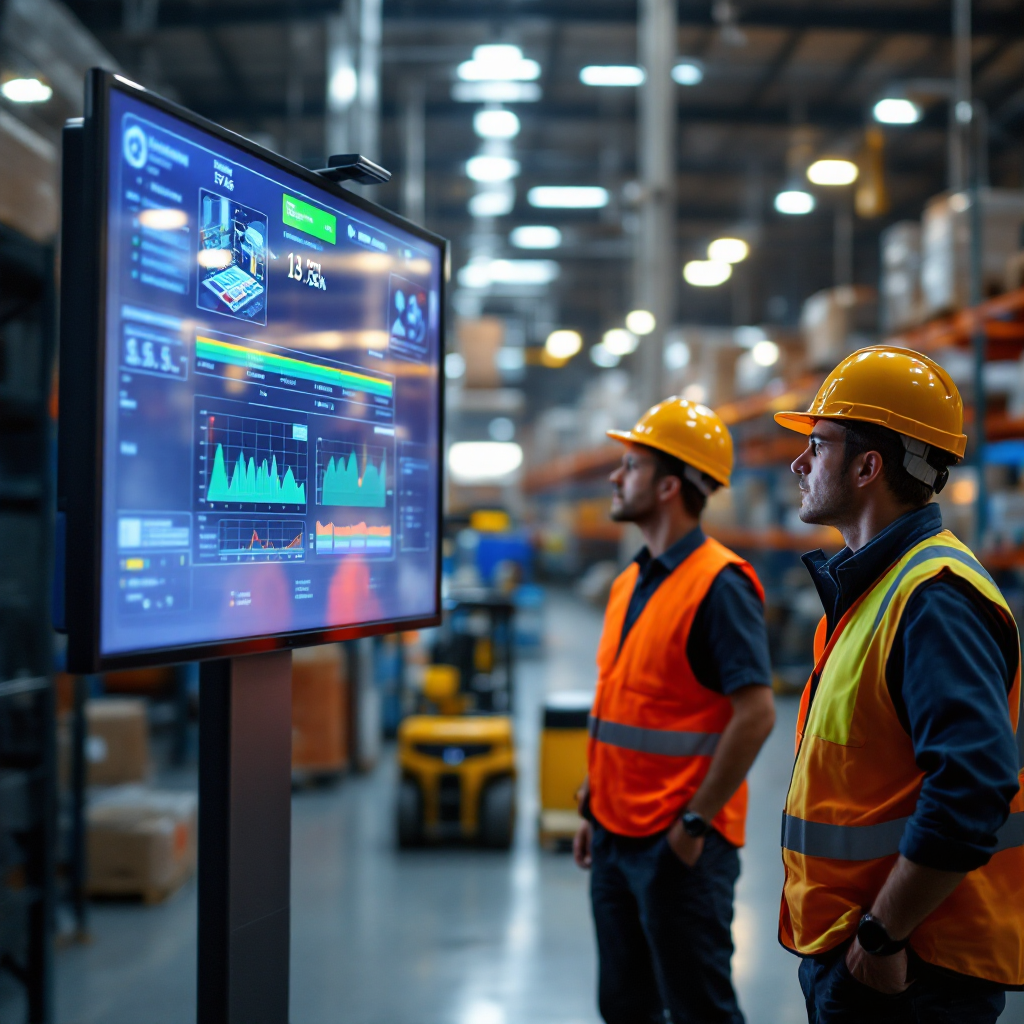
enhancing workplace safety for a safer workplace: collision avoidance system to enhance forklift pedestrian safety
Data turns alerts into improvements. When a system logs each event, the safety team can run safety analysis and map hotspots. Data-driven risk mapping shows where collisions are most likely and why. With that insight, teams adjust detection zones and refine rules. They can also change traffic flows or restrict access around high-risk areas. This process improves both safety and operational metrics like throughput and downtime.
Continuous improvement relies on feedback loops. Operators and safety teams review alerts and confirm whether the system responded correctly. If many false alarms occur in a zone, the models get retrained or thresholds tuned. Visionplatform.ai allows customers to retrain on their own footage so models match site-specific objects and rules. That flexibility reduces false alarms and increases trust. It also supports local control of data and EU AI Act–aligned deployments.
Measuring benefits matters. Facilities that adopt an integrated collision avoidance system report fewer accidents, lower downtime, and improved worker morale. The savings come from avoiding direct injury costs and from fewer production stoppages. For many sites, the best forklift safety outcome blends better hardware, smarter models, and a strong safety program. Combining these elements delivers significant safety returns and operational resilience.
Finally, technology must remain human-centred. The aim is to ensure safety, not to replace human judgment. By integrating ai-powered safety with training and maintenance, sites create a system that allows safety teams and operators to work together. For teams evaluating new tools, focus on solutions that let you own the models, control the data, and stream events to operations dashboards. That approach allows safety improvements that scale across shifts and plants while keeping the workforce safe and productive.
FAQ
What is AI forklift pedestrian detection and how does it work?
AI forklift pedestrian detection uses computer vision and machine learning to identify people near powered industrial trucks. Cameras and edge processors run models that flag humans, estimate pose, and trigger alerts in real time.
How effective are AI systems at reducing forklift accidents?
Industry reports and vendor case studies show up to a 50% reduction in near misses after deploying AI detection and alerting systems case study. Results vary by site and depend on tuning and operator acceptance.
Can existing CCTV be used for pedestrian detection?
Yes. Platforms such as ours convert existing CCTV into sensors that detect people and vehicles and stream events for operations and safety teams. Reusing cameras reduces cost and speeds deployment.
What types of alerts will operators receive?
Alerts can be audible, visual, or haptic. Systems often use tiered alerts to avoid alarm fatigue, starting with soft visual cues and escalating to audible alarms and haptic feedback if needed.
Do these systems work in low visibility like steam or fog?
Modern models adapt thresholds and use multi-angle feeds to improve detection in challenging conditions. Edge-based processing and model retraining on site footage further improve performance under difficult visibility.
How should a plant prepare operators for these systems?
Offer structured safety training that includes onboarding, refreshers, and drills. Teach operators what alerts mean and how to respond, and include maintenance checks for cameras in routine workflows.
Is data kept on-site or sent to the cloud?
Deployments can be on-premise or cloud-based. For sites with compliance needs, on-prem edge processing keeps data local and auditable. This supports GDPR and EU AI Act requirements.
How do you avoid false alerts and alarm fatigue?
Tune detection zones, set thresholds by zone, and retrain models on site footage. Use tiered alerting so operators see a visual cue first, then receive stronger notifications only if required.
Can AI systems integrate with existing fleet management?
Yes. Most systems stream structured events to dashboards and fleet systems via MQTT or webhooks. That integration turns alerts into actionable KPIs and supports safety analytics.
What should I look for when evaluating a forklift safety solution?
Look for flexible model strategies, on-prem retraining, clear alert modalities, and tight integration with your VMS and operations tools. Also, verify maintenance plans and training resources to ensure long-term success.