Warehouse Safety: Detection Technology and Analytics
Warehouses combine heavy lifting, fast movement, and complex logistics. They are high-risk environments where workers are exposed to hazards from forklifts, shelving collapses, and hazardous loads. For example, most warehouses in Saudi Arabia still rely on manual checks of personal protective equipment and this can create a lapse in day-to-day enforcement “most warehouses in Saudi Arabia still rely on manual checks of personal protective equipment (PPE) compliance among the workers”. Manual compliance tasks are slow. They also depend on human attention and schedules. As a result, safety incidents can increase and response times lag.
By contrast, modern detection technology can continuously scan areas and flag issues. Video analytics scale across large floors. They reduce the burden on safety teams and they help safety managers focus on corrective actions. A large dataset for model training included 11,000 images and 88,725 labels, which demonstrates the scale of effort needed to train reliable systems (11,000 images, 88,725 labels).
Real-time systems also show measurable gains. Pilot deployments report up to a 30% drop in incidents after AI-driven analytics were added to safety programs reduced workplace injury rates by up to 30%. Therefore, combining CCTV with analytics converts passive video into active safety monitoring. Video analytics help teams spot trends and plan targeted safety measures. For more on people-focused vision systems, see our write-up on people detection for operational sites people detection in airports.
Warehouse operators should treat safety protocols as dynamic. They must review data, adjust training, and update control zones. Doing so will protect staff and reduce exposure during material handling operations. In short, layered controls and continual review improve safety and lower the chance of workplace incidents.
AI-Powered PPE Detection System for Real-Time PPE Monitoring
AI and computer vision form the core of modern PPE detection systems. Cameras capture images. Then, AI algorithms parse frames and identify objects. Models learn to spot helmets, gloves, and safety vests. This process is efficient and fast. It supports real-time detection and real-time ppe monitoring across large areas.
Training deep networks requires labeled footage. Teams label examples for each class and refine ai models until accuracy meets targets. A ppe detection system must handle multiple ppe at once and it must cope with occlusion and motion blur. For that reason, speed and accuracy are key metrics during development. In practice, engineers combine transfer learning and site-specific retraining. That approach improves results on site.
Real deployments flag missing items. For instance, systems can send an immediate alert when hard hats or safety vests are absent, and they can also flag missing ppe across a zone. A typical system monitors workers and reports when workers are wearing incorrect gear or none at all. This helps safety teams correct behavior quickly. The same technology also supports compliance dashboards.
Examples exist in logistics hubs and in pilot warehouses. Vendors and operators report that detection is available at scale and can run on edge devices. Integrations exist with existing CCTV and VMS. For a focused example that highlights PPE use cases in transport hubs, see our guide on PPE detection in airports PPE detection in airports.
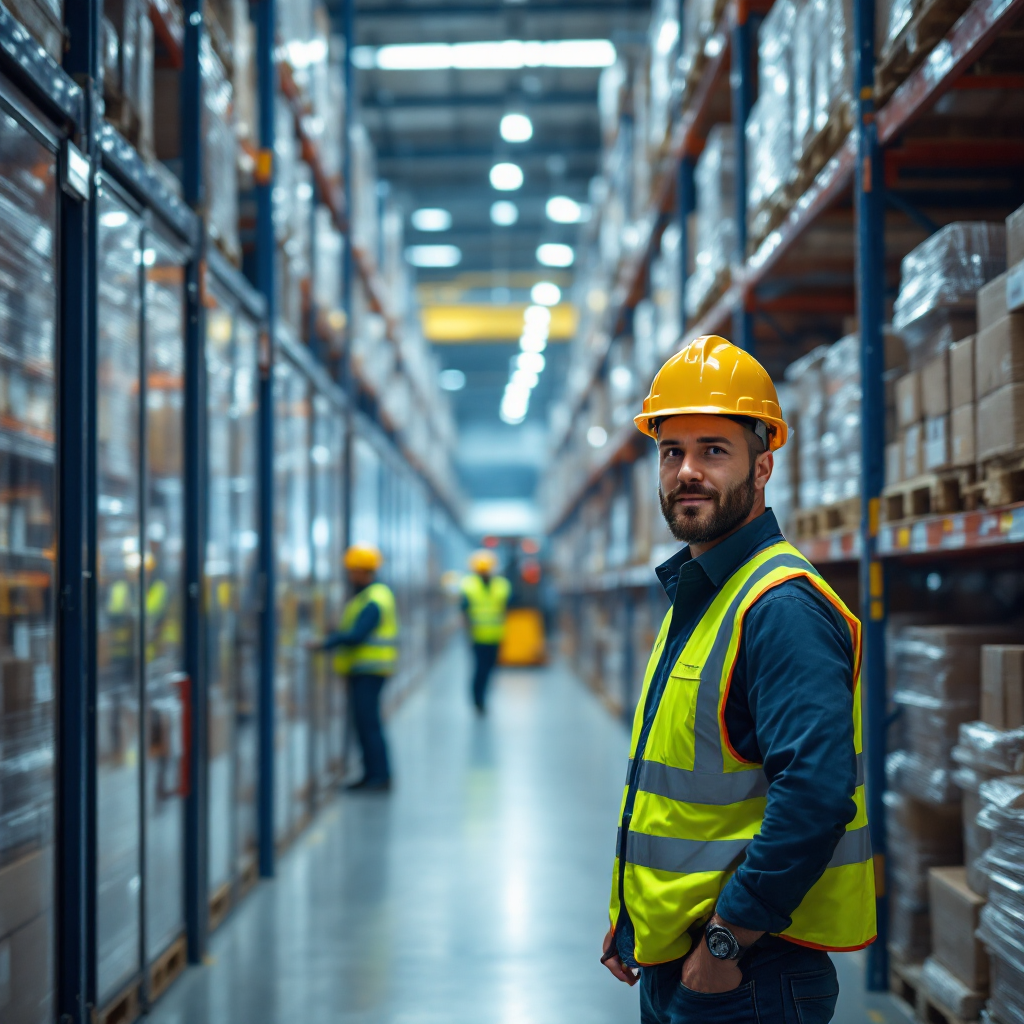
AI detects many object types. It can identify both vest and gloves. It can also detect safety equipment like boots and helmets. Multiple ppe classes increase confidence. Moreover, real-time alerts ensure that staff receive an immediate note to correct non-compliance. In short, computer vision transforms routine CCTV into a proactive PPE detection tool.
AI vision within minutes?
With our no-code platform you can just focus on your data, we’ll do the rest
Automate Workplace Safety and Prevent Accidents with AI
To automate safety, you start with cameras and clear rules. First, map high-risk zones and define the safety gear required per zone. Next, deploy edge devices that run AI locally to preserve data and speed up responses. Compatibility with the existing VMS is important. Visionplatform.ai turns standard CCTV into a sensor grid that feeds structured events to operations. That approach is seamless and keeps data in your environment.
Implementing ppe detection takes planning. You must label data, choose models, and test in live conditions. Then, set thresholds for alerts and tune for lighting and occlusion. This process improves readiness. It reduces false alarms and builds trust with safety teams. You can also automate workflows so first-line supervisors get immediate context and a suggested corrective action.
Edge processing reduces network load. It also supports GDPR and EU AI Act readiness by keeping video on-prem. This compatibility helps organisations that need local control. In a warehouse, AI helps protect workers while also supporting order fulfillment goals. Better adherence to safety protocols reduces downtime and helps maintain throughput in busy picking and packing areas.
Beyond enforcement, AI helps prevent accidents by spotting unsafe patterns early. The system can also integrate with alarm systems and workflows that route incidents to the right teams. When you automate reporting you get structured safety data, and that data feeds continuous improvement. Visionplatform.ai emphasizes local control, flexible model strategies, and the ability to stream events into operations to streamline response and improve safety.
Real-Time Dashboard and Alert for Safety Compliance in a Warehouse
A dashboard must show what matters. It should display live video feeds, compliance scores, and heat maps that show where people spend time. Real-time insights help safety managers act fast. Dashboards also let teams drill into trends and export incident logs for audits. A clear dashboard supports compliance management and helps safety teams keep pace with changing conditions.
Define alert thresholds early. For example, set an alert when a worker enters a high-risk zone without safety vests or hard hats. Real-time alerts can be sent to supervisors or to shift managers. They can also feed immediate alerts to on-site radios or messaging systems. That reduces the time between detection and correction.
Dashboards can also track ppe compliance over time. They show whether specific zones or shifts have repeated issues. They let safety managers track root causes and focus training. They let teams spot hotspots and plan safety measures where they are needed most. When dashboards expose patterns, teams can reduce lapse and boost consistent safety enforcement.
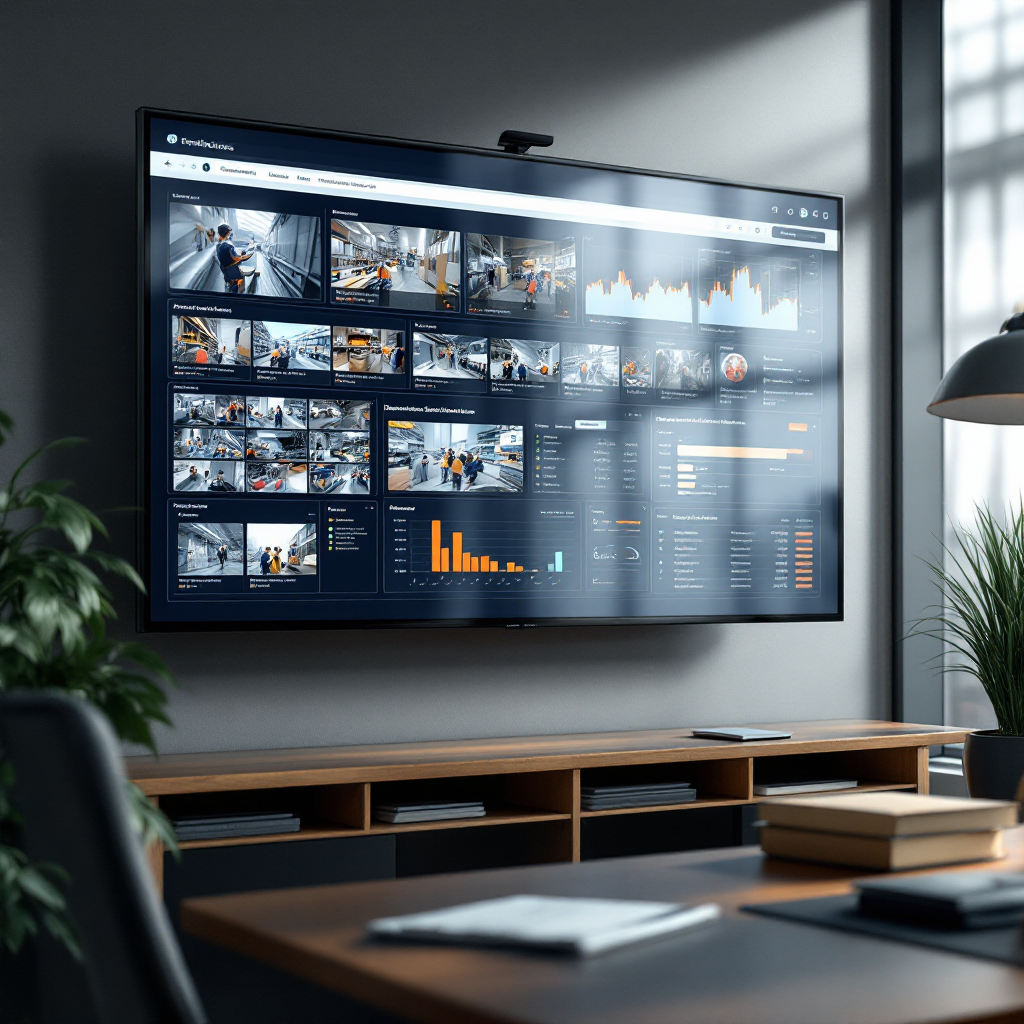
Automated ppe detection feeds the dashboard with structured events. You can track ppe compliance by worker, by zone, or by shift. The dashboard supports automated workflows that notify supervisors, log incidents, and escalate repeat offences. It can also integrate with forensic search tools so teams can review events after a workplace incident. For a view on how video can be searched and used across teams, see our exploration of forensic search in airports forensic search in airports.
Ultimately, dashboards deliver real-time detection and real-time alerts while also providing historical context. That mix of live and historical views helps safety managers ensure compliance and protect workers. It also offers the visibility needed to meet regulatory standards.
AI vision within minutes?
With our no-code platform you can just focus on your data, we’ll do the rest
Managing Non-Compliance and Safety Incidents through Safety Management
Non-compliance often stems from unclear rules, poor access to gear, or human factors. Common causes include hurried shifts, unclear signage, and occasional lapses in training. When non-compliance occurs, log the event and assign responsibility immediately. Incident logging should include video clips, timestamps, and the corrective action taken. That makes audits simpler and reduces repeated errors.
Root-cause analysis must be data-driven. Use safety data to identify whether incidents cluster by shift, by task, or by area. Then, design corrective training focused on those issues. For example, if most incidents relate to material handling, change policies or provide additional gear. Consistent safety enforcement improves behavior and morale over time.
Safety management also requires clear policies and fit-for-purpose safety measures. Train staff on safety equipment and make safety gear accessible where workers need it. Use drills and short refreshers. Also, include regular checks and incentives for good behavior. This approach helps safety teams build a culture of compliance and reducing workplace incidents.
Regulatory standards matter. Keep records and maintain auditable logs. Automated systems make that simpler by storing event metadata with minimal manual work. That helps reduce administrative burden and supports regulatory readiness. The mix of human oversight and machine monitoring ensures that incidents are caught, documented, and learned from. With this approach, managers can reduce safety risks and ensure compliance across shifts and sites.
Enhance Safety and Compliance in a Warehouse with Automated Safety Analytics
Automated analytics bring continuous improvement to the floor. They let safety teams see patterns and measure the impact of training. Over time, analytics reduce repeat incidents and improve return on safety investments. They also support compliance management and make audits less time consuming.
Future trends include edge AI, predictive analytics, and tighter dashboards that link safety to operations. For logistics operators, these advances will streamline operations and support better OEE. AI analytics will also allow predictive alerts before incidents occur. Thus, organisations can move from reactive responses to proactive safety.
AI-powered ppe detection systems improve how teams spot trends and assign resources. They also can help reduce insurance premiums when data shows lower incident rates. When you scale from one site to many, measure ROI by tracking incident rates, downtime, and saved hours from manual checks. That gives a clear picture of the value of automated safety.
To implement at scale, start with pilots, then expand to more cameras and zones. Ensure compatibility with your VMS and pick models that work on your data. Deploy on edge where possible to keep footage local and to meet EU AI Act readiness and privacy needs. Finally, use analytics to refine safety strategies and to help prevent incidents. With structured events and clear KPIs, you can protect workers, meet regulatory standards, and keep operations running smoothly.
FAQ
What is AI PPE detection in warehouses?
AI PPE detection uses cameras and AI algorithms to identify whether workers wear the correct safety gear. It analyses video in real-time and flags missing items so supervisors can act quickly.
How accurate are automated PPE detection systems?
Accuracy depends on model training, data quality, and site conditions. Large labelled datasets and site-specific retraining increase accuracy and reduce false positives and negatives.
Can AI PPE systems work with existing CCTV?
Yes. Many systems, including Visionplatform.ai, integrate with existing CCTV and VMS to turn cameras into sensors without full camera replacement. This approach preserves infrastructure and reduces rollout time.
Do these systems protect privacy and comply with regulations?
Edge deployments help keep video local and support readiness for privacy laws like GDPR. On-prem processing and auditable logs support compliance with regulatory standards.
What happens when a worker is detected without PPE?
The system can send a real-time alert to supervisors and log the event for review. It can also integrate with workflows so corrective actions are tracked and audited.
Are these systems useful for incident investigations?
Yes. Structured events and video clips help with forensic review and root-cause analysis. Systems make it faster to find the relevant footage and to document corrective steps.
Can AI PPE detection reduce insurance costs?
Potentially. When analytics show reduced incident rates, insurers may offer lower premiums. Organisations should document improvements and engage insurers with data.
How do I start an AI PPE pilot in my facility?
Begin by mapping high-risk zones, choosing a few camera streams, and defining required gear. Run a short pilot, label data, and tune models. Then expand coverage based on results.
What environmental factors affect detection?
Lighting changes, occlusion, and clutter can reduce accuracy. Good camera placement and model retraining help mitigate those effects and improve performance.
How do AI systems help safety managers day to day?
They provide dashboards, real-time alerts, and analytics so managers can spot trends, assign training, and document compliance. That saves time and improves focus on preventive actions.