queue Challenges in Warehouse Operations
Warehouses face constant pressure at classic queue points such as picking lines, packing stations, and shipping docks. These locations create chokepoints when arrival patterns concentrate or when a downstream process slows. First, picking lines often form a queue at high order volumes. Second, packing stations can stall when materials or labels run out. Third, shipping docks create spikes during concentrated outbound windows. Long queues reduce throughput and cut labour productivity; studies show that severe congestion can drop output by up to 20% in comparable operations. For example, research on queue detection markets and operational tools highlights growing investment to tackle these issues and notes a market value of USD 1.15 billion in 2024 Queue Detection Systems Market Research Report 2033. That same research supports the need to improve arrival management at inbound and outbound touchpoints.
Several hidden costs follow from unmanaged queue buildup. Idle time increases. Staff get reassigned and then disrupted. As a result, overall operational efficiency declines. In distribution centers, the layout and dock scheduling combine with unpredictable arrival times to magnify problems. For example, shipments that cluster in peak hours create long queue times at docks and bays, which then delay entire shift plans. Warehouse managers must measure queue lengths and wait time patterns to spot trends, and to prioritise resource allocation. To do that well, many teams now apply a mixture of sensors, cameras, and simple dashboards to provide visibility into arrival patterns and idle time. These tools support data-driven decisions and continuous improvement so sites can improve operational excellence over time while they reduce downtime and hidden costs. Finally, effective queue management requires rules that reflect real workflows and not generic templates.
Real-time queue monitoring with computer vision
Real-time queue detection uses CCTV feeds and AI models to count items, people, and pallet queues instantly. Cameras equipped with modern models watch lanes and docks. Then, computer vision turns video into structured events that feed a management system or dashboard. These detections provide real-time data about queue lengths and wait time trends. For example, AI systems can trigger staff alerts when a threshold such as 7 items or more is reached so managers can redeploy staff or open another packing lane. Such alert mechanisms rely on real-time communication and rules that match site-specific thresholds. A developer note explains that integrating AI with existing surveillance turns passive monitoring into an active tool that helps reduce wait times and improve throughput Developing Queue Detection AI Systems for High Traffic Scores.
There are measurable cost benefits. AI-powered queue solutions have reduced lost sales tied to long waits by significant percentages in retail contexts, and that effect translates to warehouses serving e-commerce and retail store fulfilment centers AI-Powered Queue Management: Eliminating Long Wait Times in Retail. A real-time queue dashboard helps teams make fast staffing decisions and automate certain actions. For instance, when a packing lane crosses a preset limit, the system can alert the lead, update a queue management system, and open a reserve lane. Visionplatform.ai converts existing CCTV into an operational sensor network, so teams can reuse their VMS feeds and avoid costly camera rip-and-replace projects. This approach reduces vendor lock-in and keeps model retraining local. In short, conversion of cameras into sensors improves visibility and helps minimise manual checks while it supports better staffing decisions and reduces long queue times.

AI vision within minutes?
With our no-code platform you can just focus on your data, we’ll do the rest
Predicting queue time to streamline supply chain
Predictive models turn historical patterns into actionable forecasts. LSTM networks and regression algorithms have proven effective at forecasting queue time and future wait time at points such as picking and packing. These models process sequence data and recent arrival bursts, and they produce short-horizon predictions so managers can act before queues peak. Research on waiting time prediction highlights the combination of regression with LSTM for continuous, real-time tracking and estimation Waiting Time Prediction in Queue Management: Leveraging Machine Learning. As a result, staff can be moved dynamically to high-demand lanes, which reduces bottleneck formation and lowers idle time elsewhere.
For example, a warehouse that adopted predictive analytics for picking cycles reported a roughly 30% cut in average queue time after scheduling staff proactively and adjusting dock appointment scheduling. Predictability matters for supply chain planners and for last-mile delivery schedules. When managers receive reliable short-term forecasts, they can balance arrivals with processing capacity, they can sequence orders to match packing capabilities, and they can align pickup windows with available loading docks. Machine learning models also enable better allocation across shifts, reducing the need for overtime and lowering labor costs. In practice, companies combine sensor feeds, past data points, and external signals, such as traffic or carrier arrival times, to improve forecasts. These data-driven forecasts increase resource allocation accuracy and improve throughput across the operation. Also, predictive alerts support managing queue time rather than just reacting to it, which helps to reduce delays and improve the overall service delivery rate.
Effective queue management to cut bottleneck
Robust inference frameworks can estimate service times using waiting time observations. Such methods help managers understand root causes when queue lengths grow. Dr. Chaithanya Bandi and others describe frameworks to infer unknown service times from observed waits, and that insight guides resource planning Robust Queue Inference from Waiting Times | Operations Research. With accurate estimates, teams can design shifts, reassign staff, and change task sequences to avoid a bottleneck before it cascades. Effective queue management depends on both measurement and action. For example, a process anomaly might appear in a packing lane. Once detected, the system flags the lane, notifies the lead, and recommends reallocation. This use of automation and human oversight reduces idle time and shortens lead times for orders.
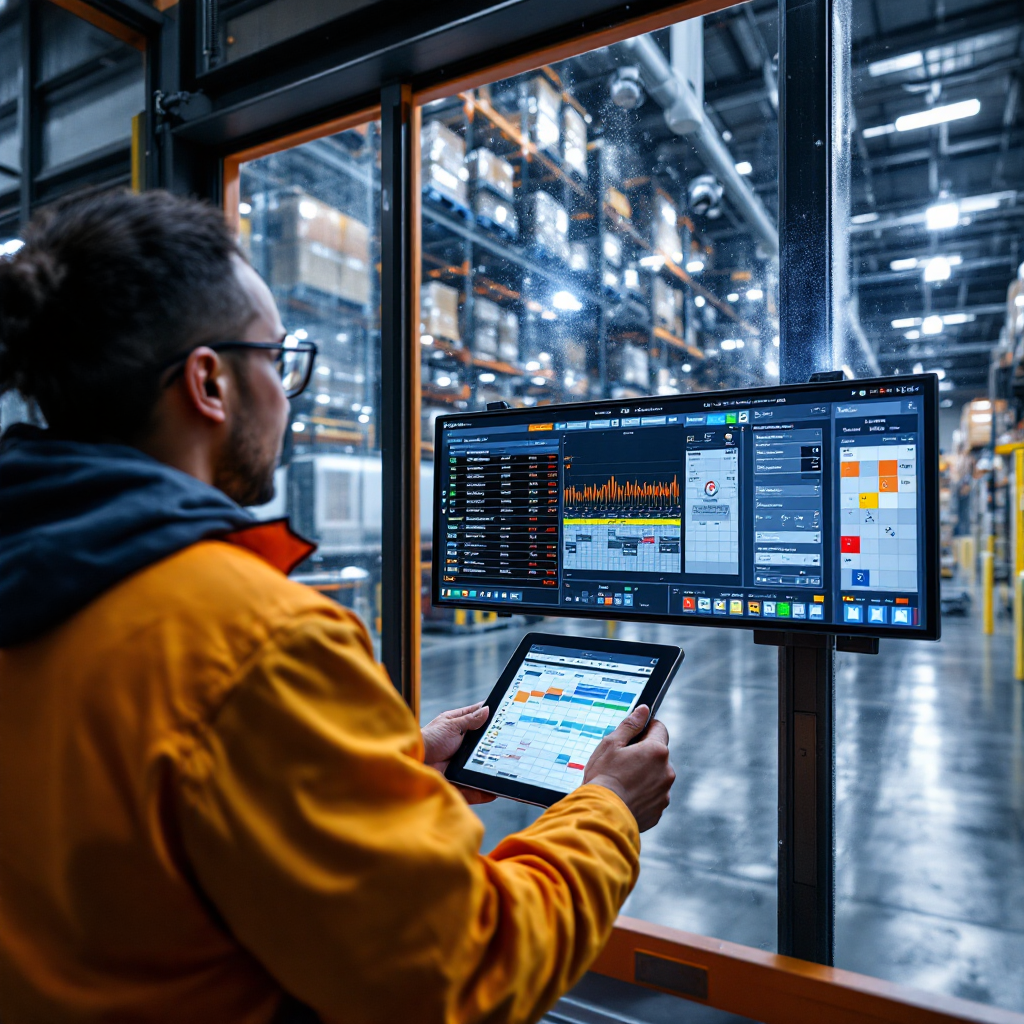
Dynamic resource re-allocation also matters. Modern systems combine real-time dashboards with simple decision rules to move staff between stations during peak hours. This process uses operational metrics such as average wait time, throughput, and queue length variance. A warehouse that adopts these methods often sees a measurable rise in on-time shipments, sometimes by as much as 15% when combined with better dock scheduling and allocation. The right balance between automation and human judgement is critical. Visionplatform.ai supports this balance by streaming structured events to BI and OT systems, so cameras feed management tools beyond security. In addition, integrations with existing VMS setups preserve data locality and support regulatory needs while enabling quicker, data-driven staffing decisions and continuous improvement across workflows.
AI vision within minutes?
With our no-code platform you can just focus on your data, we’ll do the rest
Integrating queue detection at check-in and check-out points
Place cameras and sensors at inbound check-in docks and outbound check-out bays to capture arrival patterns and processing speeds. Good placement reduces blind spots and improves detection accuracy. For example, cameras equipped over lanes monitor how many pallets wait at a dock and how long drivers spend at a bay. IoT devices complement video by reporting gate states and dock locks, and together they provide real-time dashboards for dispatchers. This setup supports dock appointment scheduling and helps to match arrival times with available capacity. When inbound and outbound flows are visible, managers can better allocate staff and gates to reduce congestion.
Smart gates and sensor systems cut manual inspection delays and help to minimise paperwork bottlenecks. Studies show smart gates reduce inspection delays by roughly 40% in similar logistics contexts. In practice, a queue management system integrates sensor feeds with booking platforms to smooth arrival patterns. That real-time communication allows teams to stagger trucks and avoid peak pileups. Asset tracking and ANPR/LPR cameras can add vehicle identity to event streams, which improves throughput and aids in handling exceptions such as late arrivals. When this data streams to planners, teams gain extra predictability and can adjust deliveries or cut downtime between shifts. For more technical details on people and crowd detection that apply to loading areas, see Visionplatform.ai’s people-counting and heatmap occupancy analytics resources for airports that show how cameras become sensors in operational contexts people counting and heatmap occupancy analytics.
Reducing wait time to streamline warehouse operations
Real-time queue detection delivers a clear ROI. It lowers labor costs, raises throughput, and improves customer satisfaction. For example, AI-driven monitoring that reduces long queues and long queue times supports faster service delivery and fewer missed deadlines. To measure impact, track KPIs such as average wait time, queue length variance, and throughput rate. These indicators reveal trends and areas of improvement. A simple program to optimise operations can cut hidden costs, reduce overtime, and improve service quality for e-commerce fulfilment.
Best practices begin with clear objectives. First, define what counts as a bottleneck in your workflow. Next, install cameras and sensors where they will provide the most useful data points. Then, connect events to real-time dashboards and notifications so staff can react. Also, include stakeholders from operations and security so the solution fits both compliance and operational goals. For teams seeking a flexible, on-prem approach to analytics and model control, Visionplatform.ai offers a path to own your data and models while publishing events to MQTT for BI and SCADA systems. Finally, use a continuous improvement loop: gather data, run analytics, test small interventions, and scale what works. This data-driven cycle improves predictability, reduces downtime, and helps minimise customer dissatisfaction. Applying these steps will help operations streamline, improve operational efficiency, and achieve operational excellence while keeping an eye on ROI and staff well-being.
FAQ
What is real-time queue detection?
Real-time queue detection converts live camera feeds into actionable event data that shows queue lengths and flow. It lets managers receive alerts and dashboards that support fast staffing decisions and reduce delays.
How does computer vision help warehouses?
Computer vision identifies people, pallets, and vehicles so the site can measure queue lengths and wait time without manual counts. It also powers analytics that drive resource allocation and improve throughput.
Can predictive models really reduce queue time?
Yes. Models like LSTM and regression predict short-term demand so staff can be reallocated before queues form. Case studies show average queue time reductions of about 30% when forecasts drive staffing and dock scheduling.
What KPIs should I track for queue management?
Track average wait time, queue length variance, and throughput rate to measure performance and spot bottlenecks. Also monitor idle time and service quality to capture hidden costs.
How does Visionplatform.ai support queue monitoring?
Visionplatform.ai turns existing CCTV into an operational sensor network that streams structured events to dashboards and business systems. This approach keeps data local and lets teams build custom models for their specific workflows.
Where should cameras be placed for best results?
Place cameras at check-in points, packing lines, and check-out bays to capture arrivals and processing. Combine video with IoT sensors at docks for a fuller view of inbound and outbound activity.
Is on-prem processing necessary?
On-prem processing helps organisations keep data private and meet EU AI Act requirements. It also reduces latency so alerts and real-time dashboards update faster.
How do queue alerts improve staffing decisions?
Alerts notify leads when thresholds are reached so they can move staff or open extra lanes. This dynamic approach reduces long queue times and cuts service delivery gaps.
Can queue detection integrate with my existing VMS?
Yes. Modern solutions work with leading VMS platforms and publish events via MQTT or webhooks. That integration lets operations reuse existing cameras instead of replacing hardware.
What are quick wins for reducing wait time?
Start by instrumenting high-traffic points and setting simple thresholds for alerts. Then use short-term predictive forecasts to schedule staff and smooth arrival spikes. Finally, iterate with small tests and continuous improvement to scale what works.