anpr and lpr: Technology Overview
ANPR and LPR refer to automated systems that read license plates and turn visual plate information into usable digital data for manufacturing sites and yards. In manufacturing contexts, anpr and lpr act as camera-driven sensors that track vehicle license plates at gates, docks, and parking facilities, and they integrate with access control, ERP, and WMS tools. AI-driven video analytics and optical character recognition form the underlying technology that lets systems capture, parse, and store license plate data, and then publish that digital data to operations and security teams. For a clear primer on the basic concept see a practical definition from VisionX What is Automatic Number Plate Recognition (ANPR)? – VisionX or a technical overview on Wikipedia Automatic number-plate recognition – Wikipedia.
The core components include high-resolution cameras, direct or infrared lighting, plate reader software, and on-prem or cloud processing units. A plate reader or a license plate recognition camera captures images and passes them to OCR or optical character recognition engines that convert optical data into digital information. Then computer vision and AI validate the read, remove noise, and tag a license plate number with metadata like time, lane, and camera ID. For reliable license plate recognition across different plate designs and weather, advanced systems use high-resolution optics, infrared illumination, image pre-processing, and model retraining on site-specific data.
Visionplatform.ai helps manufacturers use existing security camera networks as operational sensors so teams can read license plates without swapping cameras. Our edge-first approach keeps license plate data local, and it streams events to dashboards and management systems so teams can track and monitor vehicle flows while keeping data private and auditable. Also, a plate reader improves both security systems and operational reporting because it provides exact timestamps and readable plate numbers that feed analytics and inventory workflows. Finally, anpr technology and automatic number plate recognition remain adaptable: lpr can also run on fixed cameras, or on mobile units for remote yards, and it supports both ticketless entry and toll or gate billing when needed.
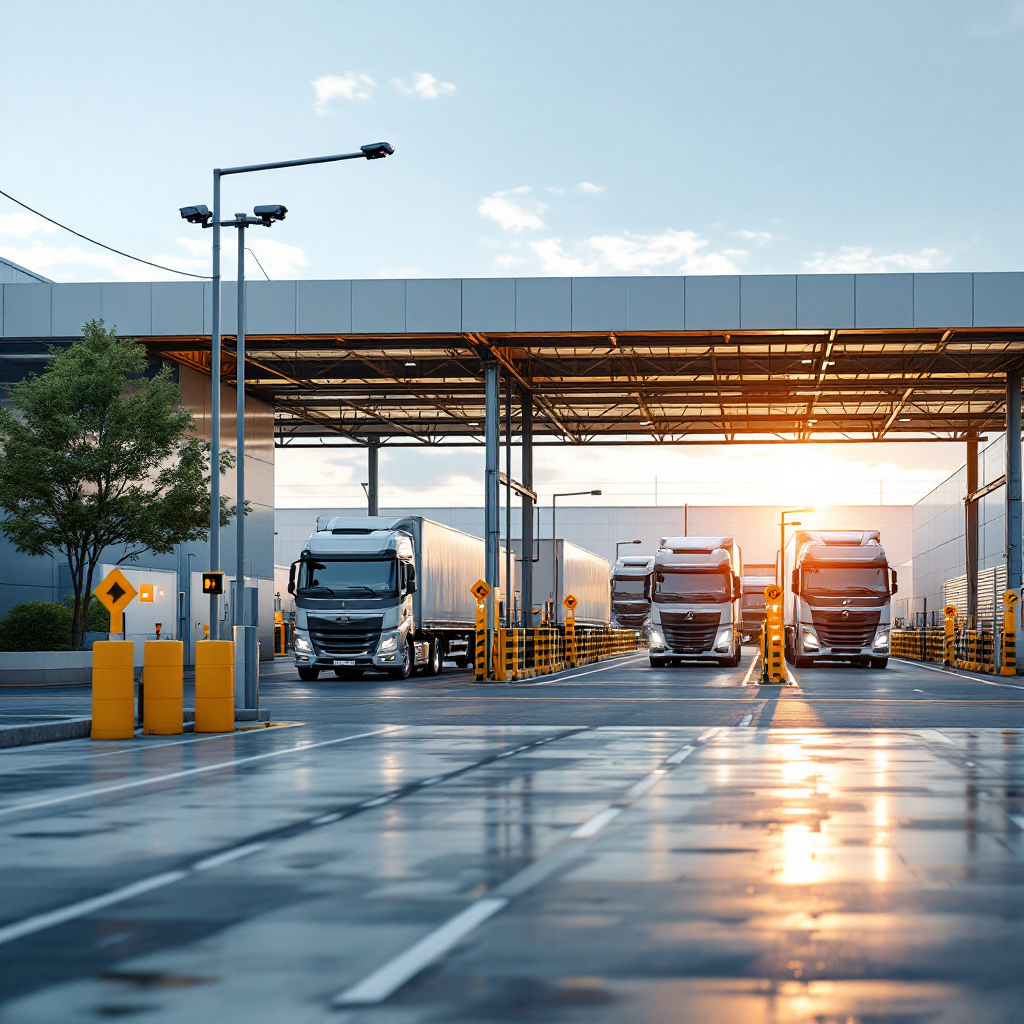
license plate recognition for Secure Access Control
License plate recognition delivers fast vehicle access control, and it reduces manual checks while improving throughput. In many plants, a reliable license plate recognition system checks authorized lists and opens barriers automatically, and it logs every entry and exit so compliance teams have clear audit trails. This automation minimizes the need for guards to stop every truck, and it lowers the cost of handling vendor and fleet arrivals. For a focused example of access-focused ANPR use, industry reviews note that “ANPR systems in manufacturing not only enhance security but also significantly improve operational efficiency” IJSDR Comprehensive Review.
Integration matters. Modern lpr systems link to gate barriers, badge systems, and building management systems so vehicle access becomes part of single sign-on workflows and reports. Also, manufacturers can blend license plate recognition technology with RFID or entry badges to create layered verification that reduces false accepts. In practice, the license plate information is compared to allow-lists stored in ERP or local management systems, and then the gate performs a decision in real-time that either grants vehicle access or triggers an alert. This workflow supports both security policies and operational SLAs because every decision has a timestamped record of the vehicle’s license plate and the camera that performed the read.
To ensure reads succeed under poor light, lpr camera setups often use infrared to capture readable images of reflective plates at night. Then the OCR processes convert those capture images of license plates into structured license plate data that compliance teams can search. A security camera used for ANPR must meet accuracy targets so manufacturers do not face repeated manual overrides. Also, for sites that must support auditors and regulators, the system can export logs showing who entered, when, and which license plate number was recorded. Finally, anpr or lpr solutions support ticketless entry models and can be configured to trigger billing or scheduling events for external carriers and toll processing when required.
AI vision within minutes?
With our no-code platform you can just focus on your data, we’ll do the rest
real-time vehicle recognition in Manufacturing
Real-time detection of vehicles at yard gates and docks changes how operations coordinate inbound and outbound flows. ANPR and LPR technology capture license plates, timestamp them, and publish digital information in real-time to ERP and WMS so teams see live shipment updates. Then planners can match a license plate number to a PO, and docks can prepare loading manifests before trucks arrive. This approach reduces dwell times and cut idle time at loading bays, and it helps teams respond quickly to late or early arrivals.
Manufacturers use geofencing, timestamps, and rules to prevent unauthorized movements inside yards or across secure zones. Also, alerts can be configured to notify security and operations if a vehicle’s license plate appears in the wrong location or at an off-schedule hour. For integration into broader security stacks, Visionplatform.ai streams events as structured messages so existing SCADA, BI, and VMS tools can use the same real-time feed. In practice, teams synchronize plate reads with ERP shipment statuses and then mark the shipment as received when a license plate matches a scheduled delivery.
Mobile ANPR units help flexible sites and remote warehouses because anpr and lpr mobile systems capture plate numbers where fixed camera coverage is not available. An example of market traction: the global ANPR system market is projected to grow from USD 4.14 billion in 2025 and reach USD 9.27 billion by 2034, which shows adoption across sectors including manufacturing Market Report – Precedence Research. Finally, real-time vehicle recognition supports incident response because a live feed lets teams block entry for a vehicle flagged as unauthorized and produce an on-demand forensic trace if theft or misrouting occurs.
analytics to streamline Logistics and Inventory
Data-driven ANPR analytics help operations streamline dock assignment and prioritize loads. When license plates are logged consistently, dashboards reveal patterns of arrivals, and they show peak windows and idle lanes. Then managers can calculate dwell times per truck and identify which gates cause delays. Also, analytics support continuous improvement by exposing repeat bottlenecks, and they help align staff schedules with predicted arrival patterns.
Dashboards display license plate capture rates, average wait, and throughput per dock. These metrics let teams model staffing and staging so POs clear faster and inventory errors drop. For manufacturers, every license plate entry that links to an invoice or manifest reduces manual scanning and speeds reconciliations. Also, ticketless workflows become smoother because the license plate number replaces a paper pass, and the system auto-matches the plate to the expected shipment and updates the WMS.
Analytics also enable predictive routing so teams assign high-priority bays to carriers flagged by their license plate history. Additionally, operators can export license plate data for audits, and they can set alerts when a plate shows anomalous behavior. Combining anpr technology with data-driven dashboards turns cameras work into sensors that feed OEE and KPI systems. For more on converting camera feeds into operational signals, see Visionplatform.ai’s work on vehicle detection and classification vehicle detection & classification. Finally, these analytics reduce dwell and streamline yard turns, and they help manufacturing sites meet tighter delivery windows without extra headcount.

AI vision within minutes?
With our no-code platform you can just focus on your data, we’ll do the rest
parking operations with lpr camera and camera systems
Parking operations at manufacturing sites benefit from lpr camera automation. A license plate recognition camera captures plate numbers as vehicles enter, and then management systems allocate parking space dynamically. This automation ensures reserved bays for priority trucks and prevents unauthorized vehicles from occupying critical loading spots. Also, heat-maps of space utilisation reveal underused areas, and they help operations redeploy spaces to reduce walking distance for staff or to shorten transfer times for materials.
Automated parking rules let security teams enforce time limits and detect repeat offenders. For visitor flows, lpr systems can match license plate information to pre-authorized lists so guest vehicles get easy access. In addition, parking facilities that adopt ticketless entry reduce paper passes and speed entry lanes. For fleet operators, a combination of lpr camera feeds and shift schedules reserves parking space for on-duty drivers and supports shift handovers without manual gate checks.
Integrating license plate recognition technology with payroll or shift management systems enables rules that free bays for certain drivers during peak periods. Also, the license plate capture process supports enforcement: cameras provide timestamped evidence when a vehicle occupies a bay too long, and it triggers an alert to operations or security. If a plant wants to extend to paid or permit-based parking, lpr supports toll-style billing and enables accountability without physical tickets. For manufacturers evaluating parking industry solutions, a number plate recognition camera can convert parked vehicle images into structured license plate data that feeds existing management systems, streamlining enforcement and reporting.
wide range of applications in Manufacturing
ANPR and LPR deliver a wide range of applications across manufacturing, and they extend beyond gates and parking to yard management, contractor access, and visitor control. For example, lpr systems can support contractor workflows by matching license plate number entries to a contractor schedule, and they can revoke vehicle access automatically at contract end. Also, anpr technology supports mobile units for remote sites where fixed camera coverage is impractical, which helps temporary yards and off-site storage.
Future trends include edge-AI cameras that do the plate reading on device, IoT integration that uses MQTT feeds for BI and SCADA, and hybrid cloud models for archival analytics. Together these trends accelerate adoption and strengthen security systems while preserving privacy by keeping processing local. The market momentum is clear: the ANPR market is expected to grow strongly over the next decade, and manufacturers who adopt license plate recognition technology gain operational visibility and measurable cost savings. For a technical comparison and implementation guidance, research summaries highlight how anpr vs traditional manual checks reduces error rates and labor needs Automatic Number Plate Recognition – ResearchGate.
To support compliance with data protection and the EU AI Act, Visionplatform.ai offers on-prem processing and customer-controlled datasets so license plate data remains private and auditable. Also, combining computer vision with a local plate reader lets teams improve reliable license plate recognition by retraining models on local plate styles and local lighting. Finally, because automatic license plate recognition and ALPR refer to the same technology, manufacturers can pick a deployment pattern—edge only, hybrid, or cloud archive—that matches their policies and operational goals. For more operational use of camera analytics in secure facilities see our solution for ANPR/LPR integration in transport hubs ANPR/LPR in airports, and for response workflows see our unauthorized access detection resources unauthorized access detection.
FAQ
What is the difference between ANPR and LPR?
ANPR and LPR refer to the same basic capability: automatic number-plate recognition and license plate recognition. In most contexts they are interchangeable and both describe systems that capture and convert license plates to digital data for use in security and operations.
Can ANPR read license plates in low light?
Yes, modern systems use infrared illumination and high-resolution optics so they capture clear images at night. Also, image pre-processing and OCR improve readable results under challenging lighting.
How does license plate recognition integrate with ERP or WMS?
License plate recognition systems publish structured events and timestamps to ERP and WMS so a license plate number can be matched to a PO or shipment. Then the ERP/WMS marks the delivery or receipt automatically, which reduces manual reconciliation.
Is license plate data stored securely on-site?
It can be: many deployments keep processing and storage on-prem to meet GDPR and EU AI Act requirements. For example, Visionplatform.ai supports on-prem and edge processing so companies control their license plate data and models.
Can ANPR be used for ticketless entry?
Yes, ticketless entry uses license plate capture and matching instead of paper tickets or cards. Then gates or barriers open automatically for pre-authorised vehicles and billing can be automated for toll or paid parking.
How accurate is license plate recognition software?
Accuracy depends on camera quality, lighting, angle, and plate design, and it improves with on-site model training and high-resolution captures. Also, systems that combine infrared and AI tend to provide reliable license plate reading across conditions.
Do lpr systems support mobile or temporary sites?
Yes, mobile ANPR units and portable lpr camera kits exist for remote or temporary operations. These mobile systems capture images and stream license plate data back to central management systems for real-time tracking.
How do I prevent unauthorized vehicles from entering the yard?
Configure allow-lists and geofences so the system flags an alert when an unrecognised license plate attempts entry. Then security teams receive an alert and can block vehicle access or dispatch personnel as needed.
What value do analytics bring to parking operations?
Analytics reveal peak arrival windows, occupancy heat-maps, and dwell time so you can optimise bay allocation and staffing. Also, data-driven decisions reduce idle time and improve yard throughput.
Can ANPR support tolling and security at the same time?
Yes, systems can combine toll processing with security checks so a license plate number triggers a billing event and a security verification. This dual use supports both revenue and protection goals, and it can run in real-time to avoid delays.