Statistics of Trips and Falls in Manufacturing Workplace
Slips, trips and falls shape a large share of manufacturing harm. They rank high among causes of workplace injury and they cost businesses time and money. For example, a government source stated that these events made up roughly 27.5% of work-related injury claims that led to time away from work in 2019, which highlights the scale of the problem according to the US Bureau of Labor Statistics. In the U.S., falls also cause many deaths and serious outcomes. One safety analyst noted that “Slips, trips, and falls cause nearly 700 fatalities per year and many more injurious accidents in the workplace” as reported by McCarthy Tire Service. The direct costs add up. Falls on the same level rank as the second leading cause of workplace injury costs at about $10.5 billion annually in the United States, a figure that covers medical costs, lost productivity, and compensation per industry analysis.
These statistics underline a clear need for targeted action. Workers face risk every day when they walk through aisles, move between work cells, or carry loads. When a trip happens the result can be a strain, broken bones, or long recovery. Employers face higher insurance fees and lower productivity. Small incidents also cascade; a fall can delay production and increase overtime. For this reason safety teams should measure near-misses and track incident patterns. In addition, collecting data on root causes helps teams design effective controls and reduce the likelihood of repeat events. Visionplatform.ai helps operations use existing CCTV as a sensor that flags slips and trips in real time and streams that data to dashboards for trend analysis, which lets managers act faster and reduce the chance of future injury.
Tripping Hazards: Spill, Uneven Surface and Poor Lighting
Manufacturing floors often present obvious and hidden threats. Common tripping hazards include a misplaced object, poorly stored tools, and an unexpected change in elevation. Spills also create a major problem. A wet or oily patch turns a safe walking path into a slip point. To address spills, adopt a clear spill response that removes the hazard and signs the area until the walking surface is safe. Good housekeeping reduces clutter. Place materials away from aisles and mark storage zones so that obstacles do not block the walkway. In practice, identify potential trouble spots during regular rounds. Then repair them promptly.
Poor lighting makes matters worse. When workers cannot see a small obstacle they are more likely to trip. In low light, edges, steps, and cords become invisible. Improving illumination across the plant reduces that chance. Install targeted task lighting near workstations and add aisle lighting for transit routes. For areas with frequent changes in elevation, add contrast markings to highlight edges. Uneven surface problems also require attention. Cracked concrete, worn platforms, or a raised threshold create uneven surface conditions that catch a shoe and lead to a fall. When you find these defects, repair or replace the affected floor. If a permanent repair cannot happen immediately, provide a temporary ramp or barrier and post warnings to protect workers.
Footwear matters too. Use shoes with adequate traction that suit the environment. In wet surfaces or chemical zones, select slip-resistant soles and require them through policy. For higher locations, ladder safety and proper scaffolding reduce fall risk. Train staff to check their route before they move heavy loads and to keep hands free when possible. In addition to these methods, technical tools can assist. Visionplatform.ai can detect where people congregate, identify spills early, and alert maintenance staff so they fix hazards before an accident occurs. This automated alerting complements visual inspections and helps maintain a safer environment.
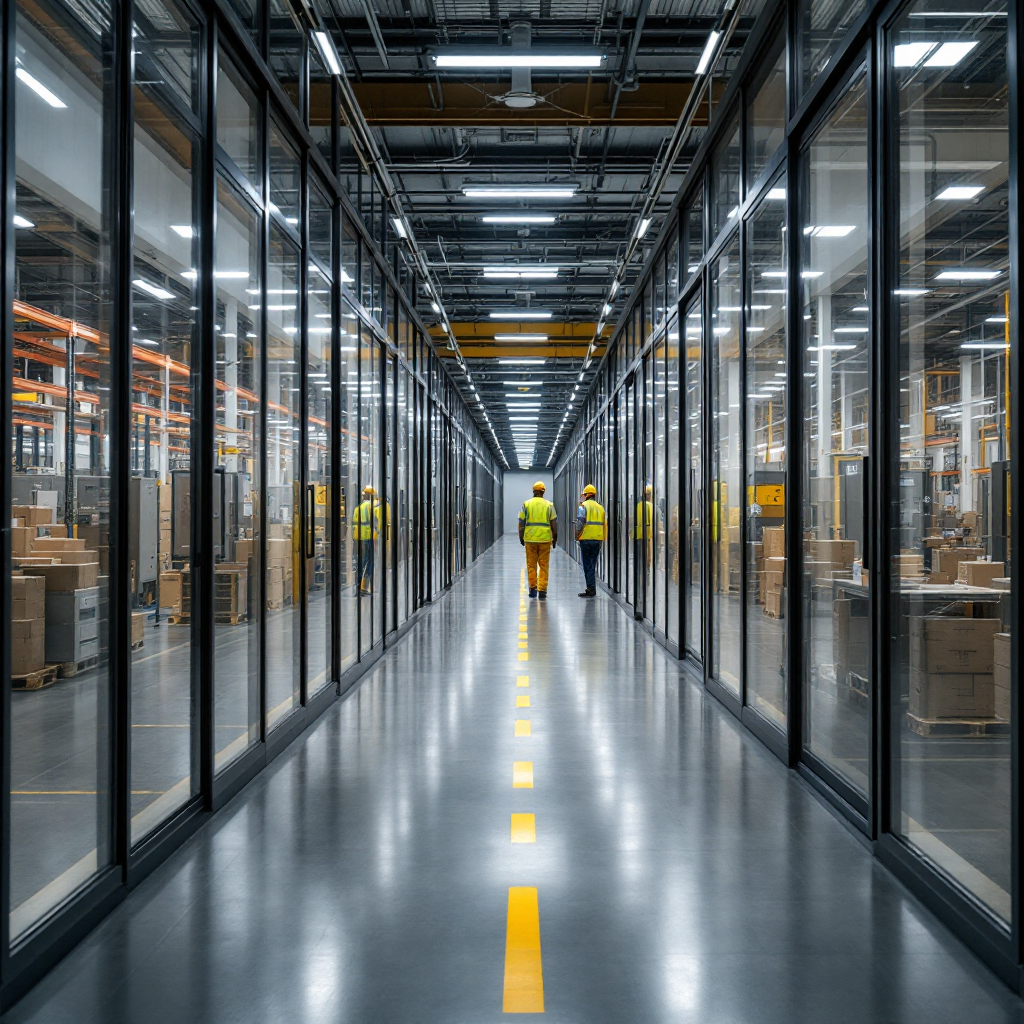
AI vision within minutes?
With our no-code platform you can just focus on your data, we’ll do the rest
OSHA Measure and Safety Training for Fall Prevention to Protect Workers
Regulators expect employers to address fall hazards and to follow clear rules. For example, many plants align with general industry standards when they manage walking surface safety and fall protection. Implementing osha standards provides a baseline for compliance and for workers’ safety. In practice, that means building a training course that covers hazard recognition, correct use of ladder and platform equipment, and how to report an incident. A concise safety training programme helps employees recognize tripping hazards and how to respond quickly. It must include hands-on exercises, short tests, and frequent refreshers. Also include modules on the role of footwear, the limits of personal protective equipment (PPE), and the importance of good housekeeping.
Design training with short, clear objectives. Train workers to inspect their work area before they start a task. Show them how to identify potential fall hazards and how to reduce the risk. For example, teach them to tidy up spills, remove cords from aisles, and store pallets properly. Also train supervisors to audit behaviors and to correct unsafe acts. A strong learning program uses both classroom lessons and on-the-job reinforcement. It assigns accountability and sets measurable targets for hazard reduction.
Beyond training, employers should measure outcomes. Track near-miss reports, monitor incident frequency, and assess how quickly teams repair a hazard. Use those metrics to refine training. In addition, install administrative controls such as reduced speed limits for forklifts in pedestrian zones and clear aisle markings. For technical support, consider tools that automate detection and alerting. Visionplatform.ai integrates with VMS to flag risky behaviours and to stream events that help teams respond to a spill or a blocked walkway. This reduces reaction time and helps protect the worker who would otherwise face a preventable injury.
Surface Safety and Prevention of Accidents Caused by Slips
Surface selection and maintenance determine how often slips occur. Choosing the right floor finish and maintaining it extends safe service life. Use floors with sufficient friction for the task. Apply slip-resistant coatings where workers access oily or wet areas. Clean regularly and use cleaning agents that do not leave residues that reduce traction. A routine inspection program will spot wear or damage early. When wear appears, schedule rework or replace tiles and coatings before the surface becomes hazardous.
Cleaning protocols are essential. Establish a schedule that covers peak production windows and off shifts. When a spill happens, respond rapidly. Post a temporary barrier and a warning sign until the walking surface returns to safe condition. This simple protocol prevents many incidents caused by slips. Also ensure that drains, gutters, and ramps are clear to avoid pooling. For outdoor walkways, treat surfaces for ice and snow to lower the chance of a slip.
Maintenance of traction includes monitoring footwear. Require boots with adequate tread and match footwear to the site hazards. In conveyor or machine zones, enforce safe distances so clothing or laces do not catch on moving parts. Use visual cues on the floor to separate pedestrian ways from machine zones. A camera-based analytics layer can help. For example, Visionplatform.ai converts CCTV into real-time detection to highlight spills and changing floor conditions so that maintenance teams can act faster. That approach supports a layered defense: good floors, smart cleaning, proper footwear, and rapid response. Altogether, these steps reduce slip frequency and lower the chance of a costly injury.
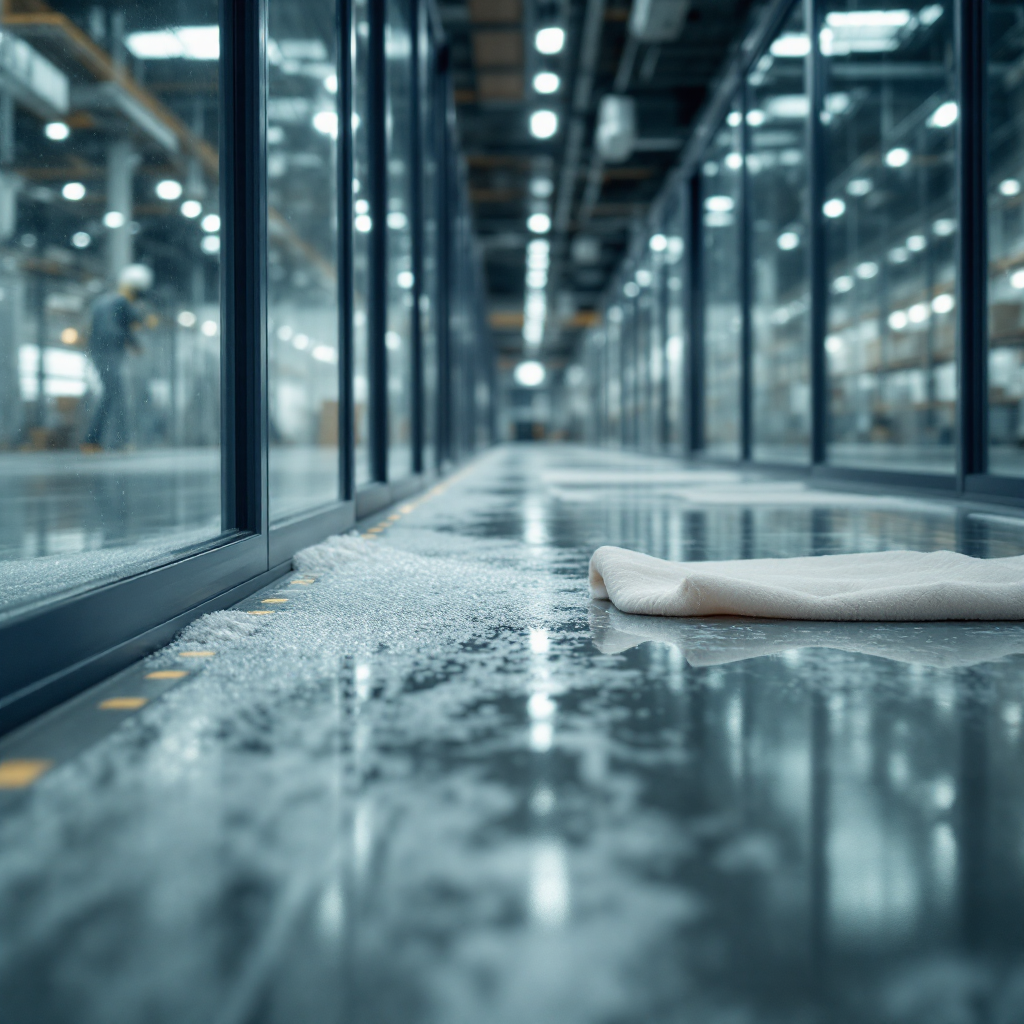
AI vision within minutes?
With our no-code platform you can just focus on your data, we’ll do the rest
Safety in Manufacturing: Addressing Slip, Trip and Fall Hazard to Reduce Fatality and Boost Productivity
Integrating controls into daily operations reduces the chance of a serious outcome. Start by mapping common fall hazards across the site. Then set priorities and allocate resources to the highest-risk zones. This approach addresses both safety and productivity. When teams remove obstacles and repair defective flooring, workers move faster and with greater confidence. Product flow improves and downtime falls. Tracking these improvements shows a clear return on investment. For instance, fewer stoppages from an incident free up capacity and reduce overtime.
Targeted interventions can produce measurable results. Some plants that focused on aisle marking, improved lighting, and good housekeeping saw a decline in incidents and an uplift in throughput. Case studies show that addressing slips and trips reduces both injuries and delays. Use data to measure gains. Track incident frequency and time lost per event, then compare these values after changes. Also measure worker perception and attitude toward safety. When staff feel protected they work more efficiently and engage with continuous improvement.
Fatality reduction matters. Even a single death changes an organization forever. Reducing the chance of a death or a fatality begins with simple checks and with systems that scale. Implement fall protection where workers access elevated platforms. Use compliant scaffolding and post ladder safety rules. For many teams, the next step is to combine human inspection with technology. Visionplatform.ai helps by producing auditable event logs and by streaming structured alerts to operations so that maintenance crews can fix hazards before someone is injured. This kind of integrated defense helps protect workers and it boosts long-term productivity.
Category Approach to Ongoing Trips and Falls Prevention
Group hazards into a few categories so you can manage them systematically. For example, categorize by environmental risks, by human behaviour, and by equipment issues. Under environmental risks place wet surfaces, uneven surface defects, and poor lighting. For human behaviour include distracted walking, carried loads, and improper footwear. For equipment issues include machine guards, loose cables, and clutter from tools. This simple categorization helps teams assign ownership and to deploy targeted controls quickly.
Continuous monitoring keeps improvements on track. Use routine audits, near-miss reporting, and data analytics to spot trends. Then refine your actions. For instance, if wet surfaces cause repeat incidents in an area, increase drain maintenance and update cleaning schedules. If a specific work cell produces many trips and falls, redesign the layout to reduce crossover traffic and keep tools within the work area. Train workers and supervisors on these changes and test the changes before they become permanent.
Create a prevention culture that encourages reporting and rewards safe choices. Set a regular review cadence. Include safety protocols in production meetings and review metrics at shift handovers. Use technology to augment human oversight. For example, Visionplatform.ai offers camera-as-sensor events that feed into dashboards. This capability supports a category-based program by flagging where slips and trips cluster and by documenting how quickly teams respond. Finally, maintain an ongoing course of improvement that combines audits, training, and technology. Over time this lowers the number of incidents and helps safeguard workers against harm.
FAQ
What is the difference between a slip and a trip?
A slip occurs when there is too little friction between the foot and the walking surface, and the foot slides unexpectedly. A trip happens when the foot strikes an obstacle or an uneven level and the person is thrown off balance.
How common are trips and falls in manufacturing?
Trips and falls are very common and represent a significant portion of workplace injury claims; they caused about 27.5% of time-away cases in 2019 according to the US Bureau of Labor Statistics. Tracking these events helps reduce their frequency.
What steps can employers take to prevent slips and trips?
Employers should implement good housekeeping, rapid spill response, proper lighting, and routine floor maintenance. They should also require suitable footwear and provide targeted safety training to reduce the risk of injury.
Are there specific osha standards I should follow?
Yes, follow applicable osha standards for walking working surfaces and fall protection, and align your program with general industry guidance. That will help ensure compliant procedures and consistent training.
How does lighting affect trip risk?
Poor lighting hides obstacles and changes in elevation, which increases the likelihood of a trip. Upgrading and maintaining adequate illumination in aisles and work areas reduces that risk significantly.
Can technology help prevent falls?
Yes, camera analytics can detect crowded zones, spills, and unsafe behaviours and send alerts to maintenance and supervisors. These systems speed response and help teams fix hazards before an injury occurs.
What role does footwear play in slip prevention?
Footwear with proper traction reduces the chance of a slip by improving friction on wet or oily surfaces. Employers should specify footwear that matches the environment and enforce compliance where needed.
How do I prioritize fixes for fall hazards?
Map incidents and near-misses to identify hot spots, then prioritize repairs based on frequency and severity of potential injury. Use simple categories to assign owners and measure progress over time.
What should a spill response protocol include?
It should include immediate area isolation, cleanup procedures, signage until the walking surface is safe, and a reporting step to record the incident for trend analysis. Rapid action prevents many slips.
How often should safety training be refreshed?
Conduct initial training on hire and refresh it regularly, with shorter refreshers quarterly or when processes change. Include practical drills and audits to reinforce learning and to protect workers effectively.