PPE Detection and AI in Retail
PPE detection in retail means using technology to identify when staff and customers wear required items. It covers masks, gloves, safety glasses, safety vests, and other safety gear. Retail operators use this approach to support health rules, protect customers, and enforce safety protocols on the shop floor. AI powers the image analysis, and AI runs models that learn to detect specific PPE items from camera feeds. In simple terms, AI looks at frames, checks for correct protective equipment, and issues an alert when required protective equipment is missing.
AI matters because retail is fast, and manual checks fail at scale. Store managers cannot watch every aisle, and manual ppe checks create inconsistency and fatigue. By contrast, an AI system can monitor many areas, flag missing PPE, and record events for audit. For example, market research shows the PPE detection market reached about USD 70.56 billion in 2024 and is projected to rise to USD 112.91 billion by 2030 PPE Detection Market Size, Competitors & Forecast to 2030. This growth reflects demand in retail and other sectors.
Compare manual ppe enforcement with automated approaches. Manual ppe requires safety teams to patrol, record violations, and follow up. Manual ppe enforcement is labor intensive, and it often misses intermittent non-compliance. AI-powered tools automate detection, and they deliver consistent safety oversight, and they improve response time. They can integrate with CCTV and publish events to dashboards, and they free staff to focus on customer service and safety management.
AI ppe detection also supports safety culture. Retail chains can use analytics to measure ppe usage over time, and they can run safety training where data shows gaps. Automated monitoring reduces the need for repeat manual checks, and it helps safety managers prove compliance during audits. For practical examples and deployment guidance, see how Visionplatform.ai repurposes existing camera systems to detect people and PPE and to stream events to operational systems PPE detection in airports.
PPE Detection Systems and PPE Detection Technology Explained
A PPE detection system combines cameras, models, compute, and integration to detect ppe. Cameras capture video, and models analyze frames to detect personal protective equipment and to classify ppe items like masks or gloves. The detection system then applies detection rules and a confidence score before publishing events. A good design layers edge inference for privacy and cloud analytics for long-term trends, and it supports on-premise control to meet GDPR and EU AI Act needs.
Leading models include versions of YOLO and other convolutional neural networks. Researchers have demonstrated automated PPE detection using YOLOv8 for fast and accurate inference on common PPE classes Automated PPE Detection Using YOLOv8. These models spot safety gear like hard hats and safety glasses, and they can handle occlusion and movement common in retail. AI inference returns bounding boxes and labels, and it feeds real-time analytics to managers.

Integration matters. CCTV and camera systems already exist in most stores, and a well-built detection system uses those feeds rather than replacing hardware. Visionplatform.ai converts existing CCTV into an operational sensor network, and it lets teams pick a model, refine classes on local video, and stream structured events via MQTT to dashboards and BI tools people detection integration. That approach keeps data local, and it helps retailers meet safety standards while avoiding vendor lock-in.
Deployment choices influence performance. Edge devices reduce latency and improve real-time response, and GPU servers scale to multiple streams. The detection system must balance sensitivity and false alarms, and it should support adjustable detection confidence settings. In practice, retail sites often start with automated monitoring of masks and safety vests, then expand to multiple ppe and to specialized safety equipment for hazardous tasks.
AI vision within minutes?
With our no-code platform you can just focus on your data, we’ll do the rest
AI-Powered PPE Detection Solutions and Alert Mechanisms
AI-powered ppe detection helps stores spot missing items and enforce required protective equipment. Commercial offerings vary: some are cloud-first, and others run on-premise for privacy and compliance. Smart vendors provide tools that integrate with VMS and that stream alerts to security and operations. One provider notes that AI-driven PPE monitoring reduced manual monitoring by up to 90% in some deployments AI-Driven PPE Monitoring: Transforming Workplace Safety Culture. That statistic shows how much time retailers can save and how much more consistent safety monitoring becomes.
Solutions trigger alerts in several ways. The model emits an event when it fails to detect required PPE, and the platform sends an alert to a console, a mobile device, or an operations dashboard. Alerts can be filtered by confidence and severity, and they can be routed to safety teams or store managers. Alerts drive faster response, and they maintain an audit trail for safety audits and regulatory review.
Detection confidence matters. Low confidence may produce false alerts and lead to alert fatigue. High confidence reduces interruptions, and it strengthens trust in automated monitoring. Retailers can set rules that require confirmation from a second camera or a brief human review when confidence falls in a mid-range band. AI-powered detection systems can also learn from corrections and improve detection over time, and they can automate workflows to assign follow-up tasks to safety managers.
Retailers should pick ppe detection solutions that support real-time notifications, and that support granular detection rules. For technical teams, explore integration paths with existing VMS and with event streaming to operations. Visionplatform.ai, for example, streams structured events to OT and BI tools so alarms become operational KPIs and not just security-only messages thermal people detection integration. That lets safety teams convert alerts into process improvements and into measurable safety outcomes.
Ensuring PPE Compliance and Safety Compliance in Retail
Regulations vary, but retailers in the EU and UK must follow clear safety standards across food handling, cleaning, and hazardous material tasks. Compliance across every store matters to avoid fines and to meet corporate safety programs. Automated systems support compliance tracking and help stores document safety audits. For instance, a meta-analysis found only about half of workers consistently use PPE correctly, which demonstrates the need for improved compliance and for reliable monitoring Impact of personal protective equipment in preventing occupational ….
Dashboards and analytics turn detection events into actionable insight. A compliance dashboard displays counts of missing ppe, locations of safety violations, and trends in ppe usage. Safety managers can run audits from recorded events, and they can correlate alerts with training records and safety incidents. This link between data and action strengthens safety culture and helps teams prioritize tasks and resources.
Automated systems also reduce manual audit effort. Manual checks require staff to pause operations and to complete paper or digital forms. Automated monitoring generates the evidence automatically, and it lets managers schedule targeted audits where non-compliance clusters. That saves time and it reduces the cost of enforcement. Automated monitoring also supports legal defense by preserving time-stamped video and event logs, which is critical if a safety breach leads to liability.
Retailers should adopt specific safety protocols that combine technology with training and with clear detection rules. Use automated alerts to trigger immediate corrective action, and then run follow-up safety training for repeat offenders. The combination of tech and human-led safety programs prevents workplace injuries and improves worker safety. For best practice examples of detection integrated with operational systems, see Visionplatform.ai’s approach that converts cameras into sensors and that keeps models and data on-premise for EU AI Act readiness PPE detection in airports.
AI vision within minutes?
With our no-code platform you can just focus on your data, we’ll do the rest
Addressing PPE Violation and Non-Compliance to Prevent Workplace Injuries
Common ppe violation causes include unclear rules, discomfort, and lack of supplies. Workers skip gloves or masks because they impede tasks, and some staff misunderstand required protective equipment for specific jobs. Identify root causes through data, and then fix them with better supplies, clearer signage, and targeted training. Automated systems flag repeated non-compliance so managers can intervene before a safety incident.
Non-compliance tracking combines video events with personnel records. When the detection system logs missing ppe, it records the time, location, and video clip. Managers receive an alert and can assign corrective tasks automatically. That workflow avoids repeated manual checks, and it standardizes how teams enforce safety protocols. Automated reminders to staff and scheduled safety audits reduce repeat violations and help enforce safety standards across multiple sites.
Proper PPE use reduces workplace injuries and liability. Studies and field reports show improved PPE usage when enforcement is consistent and when staff receive feedback. Automated ppe detection complements safety training by giving immediate feedback. For hazardous retail tasks such as handling cleaning chemicals or delivering heavy stock, required protective equipment and correct ppe greatly reduce exposure and the risk of injury.
Retailers should set clear detection rules for missing ppe, and they should tune detection confidence to reduce false positives. Use the alerts to trigger on-the-spot coaching, and then document the event for audits. This method builds a stronger safety culture, and it helps safety managers convert a single alert into an actionable safety event and into preventive measures that lower workplace injuries.
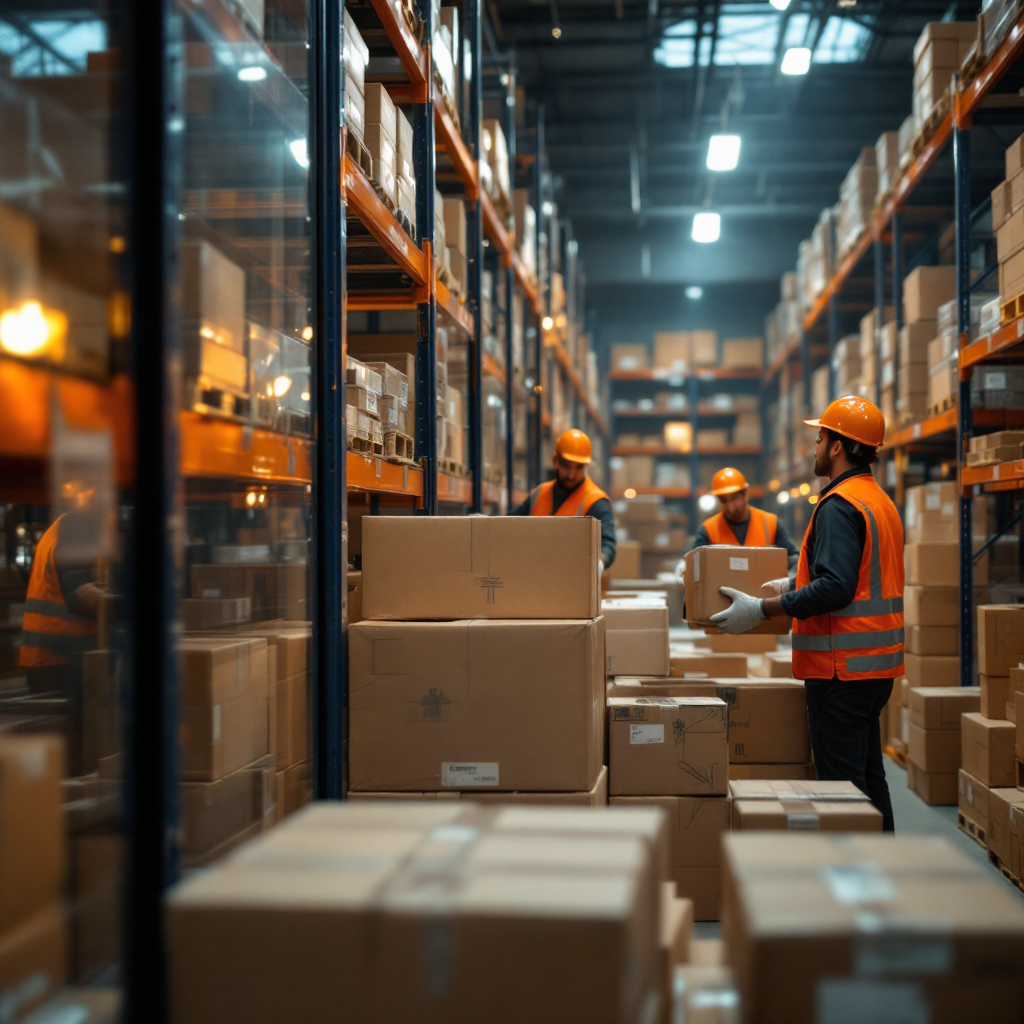
Driving Improved PPE Usage Through Accurate PPE Detection and Detection Confidence
Accurate ppe detection depends on good training data and on site-specific tuning. Train models on local footage to account for uniforms, lighting, and camera angles. Visionplatform.ai emphasises flexible model strategy: pick a model from a library, refine it on your video, or build a new model from scratch while keeping data local to meet regulatory needs. That approach improves detection and reduces false alarms, and it helps teams achieve higher ppe usage.
Best practices include iterative retraining, human-in-the-loop correction, and routine audits of model performance. Start with common ppe types and safety gear like hard hats and safety glasses, and then expand to multiple ppe classes. Use automated safety logs to track improvements in ppe usage and to prove progress during safety audits. Improved detection leads to better behavior, and better behavior reduces safety incidents and liability.
Case studies show measurable gains. Organizations implementing AI monitoring report large reductions in manual monitoring and faster response to missing ppe. One analyst observed that “AI-driven PPE detection is reshaping jobsite safety by automating compliance checks and reducing human error, which is equally applicable to retail settings where health safety is paramount” How AI PPE Detection Is Reshaping Jobsite Safety – TrueLook. That direct quote supports retail adoption of ai-powered approaches.
Future trends include smart protective equipment and predictive safety management. Smart PPE can report temperature or stress, and AI can correlate environmental sensors with detection events to predict risks. Retailers should plan phased rollouts, and they should combine automated ppe detection with targeted safety training, periodic audits, and with clear detection rules. These steps create proper safety, improve compliance across stores, and ensure critical safety measures operate reliably.
FAQ
What is PPE detection and how does it work in retail?
PPE detection uses AI models and camera feeds to spot required items such as masks, gloves, and safety vests. The system analyzes frames, classifies ppe items, and sends an alert when required protective equipment is missing.
Can PPE detection run on existing CCTV?
Yes. Many solutions convert existing camera systems into sensors and run inference on the edge or on local servers. That approach keeps data on-premise and supports regulatory compliance.
Does AI really reduce manual monitoring time?
Reports show significant reductions. Some organizations experienced up to a 90% reduction in manual monitoring after adopting AI-driven PPE monitoring source. Automated alerts free staff for other tasks.
How accurate are modern detection models?
Contemporary models like YOLOv8 can detect PPE items with high accuracy when trained on representative footage. Model tuning and site-specific training further improve detection confidence study.
Are there privacy concerns with automated monitoring?
Yes. To reduce risk, run inference locally, limit data retention, and log only events rather than streaming full footage. Keeping models and training data on-premise supports GDPR and EU AI Act readiness.
How do alerts reach staff or managers?
Systems send alerts to consoles, emails, mobile devices, or operations dashboards. Alerts include the event, location, and a video clip to support quick corrective action and audit trails.
What should retailers monitor first?
Start with high-risk tasks and common PPE like masks, gloves, and safety vests. Then expand to safety gear like hard hats and to task-specific protection as needed.
Can AI systems help with safety audits?
Yes. Automated logs and time-stamped clips provide evidence for safety audits, and dashboards summarize compliance across sites to support audit preparation.
How do you handle false positives or low confidence alerts?
Tune detection confidence thresholds, require multi-camera confirmation for lower scores, and use human-in-the-loop review to retrain models and improve detection over time.
Where can I find examples of deployments and integration guidance?
For practical integration examples and to learn how cameras can become operational sensors, explore vendor resources. Visionplatform.ai provides guides on converting VMS feeds into detection events and on integrating alerts with operations and BI integration example, forensic search capability, and thermal detection integration.