ai and Visionplatform.ai: High-precision video analytics for cross-camera search
Visionplatform.ai AI-powered platform ingests multi-camera feeds and converts them into searchable knowledge in real-time. It combines high-precision detections, Vision Language Models, and agent workflows so operators can act faster. The system links existing camera streams, and it integrates with video management software and VMS platforms without sending recorded video to the cloud. As a result, control rooms keep video on-prem while gaining advanced ai analysis and search capabilities.
Device fingerprinting and source camera identification form a core part of this approach, and modern methods reach identification rates above 95% under controlled conditions, improving provenance checks for evidence Source Camera Identification with a Robust Device Fingerprint. In practice, this means investigators can confirm which camera created a clip before they correlate it with other footage. That confirmation reduces wasted time and helps ensure admissibility.
Visionplatform.ai and visionplatform.ai emphasize re-identification across varying angles and lighting. Using re-identification models, the system finds the same person or vehicle across cameras, even when appearance changes. The platform supports license plate recognition and license plate capture as well, so teams can match vehicles quickly. For example, combining ANPR outputs with visual re-ID improves results when a plate is obscured or unreadable on one view. This layered approach lets teams identify and track suspects with confidence while reducing manual review.
Investigators also benefit from an on-prem Vision Language Model that converts recorded video into textual descriptions. Then, operators can search using natural language queries such as “red truck entering dock area yesterday evening.” This natural interface reduces the need to know camera IDs or precise timestamps. For guidance on related airport scenarios, see our forensic search in airports resource for specific workflows forensic search in airports. Finally, Logan Williams reminds investigators to “Archive and verify metadata. Validate data by cross-referencing” 10 Lessons from Bellingcat’s Logan Williams on Digital Forensic. That practice preserves chain-of-custody and increases trust in results.
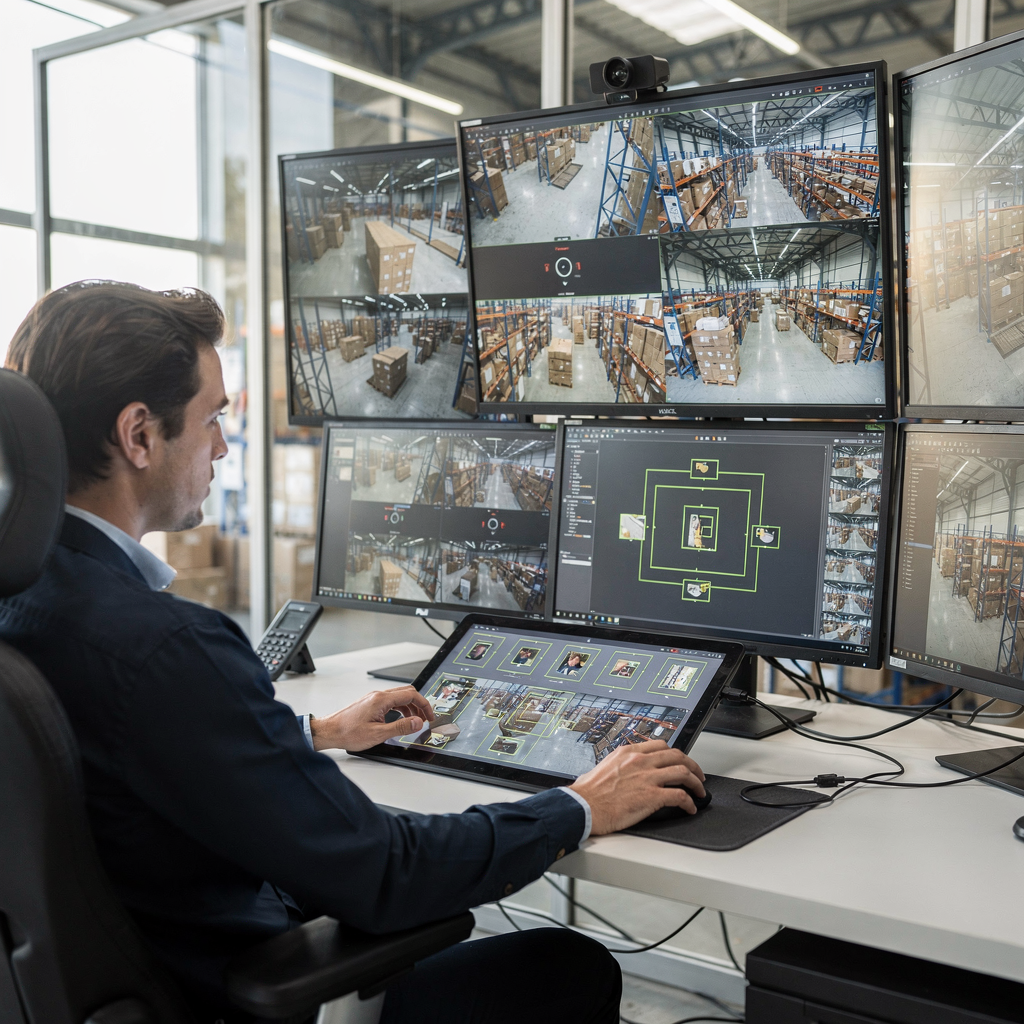
filter and search filters: Optimize forensic search efficiency
Simple search filters reduce noise and speed up queries. Start with time and location, then add object types or metadata tags. For example, a search that limits results to a 15-minute window near an entry gate and to objects classified as vehicles returns far fewer candidate clips. Layered search filters cut candidate footage by up to 80% in field deployments, which drastically reduces investigation time and reduces the need for manually reviewing long timelines.
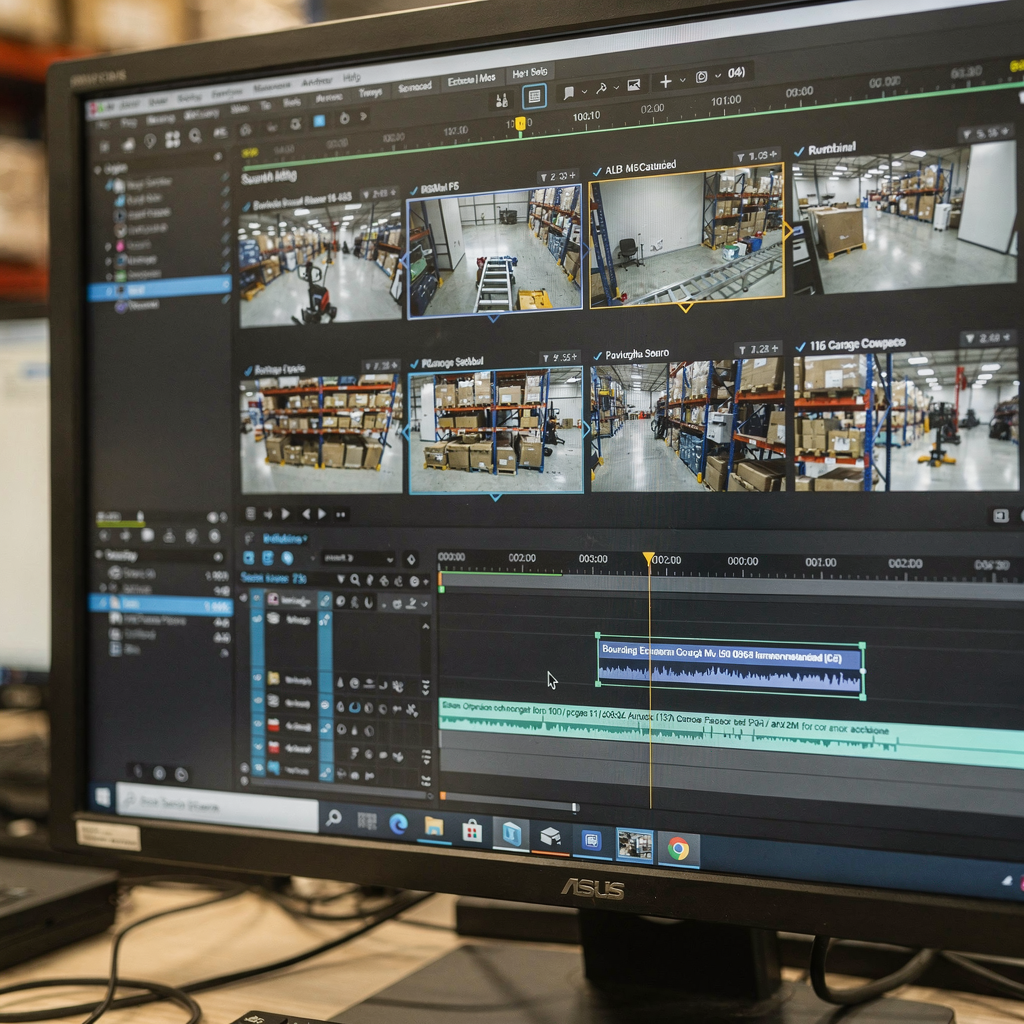
Advanced search filters let operators refine searches by visual traits, object class, or behavior. Use color, clothing, vehicle color, and bounding boxes to narrow hits. In addition, thumbnail previews and timeline scrubbing help analysts scan matched clips quickly. The platform suggests adaptive filters based on case context and past investigations. Those adaptive suggestions speed iteration so analysts can refine their query and quickly find the most relevant video.
Search filters extend to metadata and analytic outputs. Metadata such as sensor ID, frame rate, and GPS coordinates help correlate recorded footage from different manufacturers. Also, the platform ingests analytics functions like line crossing, dwell time, and object detection outputs so filters can combine event and visual criteria. For teams using large camera estates the system supports selected cameras or thousands of cameras, and it can reduce the candidate set before heavy processing. If you want to compare other vendor approaches, note how some cloud services like Arcules structure filters versus on-prem systems SoK: cross-border criminal investigations and digital evidence.
To optimize operator workflows, the search UI supports natural language queries and guided refinements. As an example, an investigator might type “person loitering near gate after hours” and then refine by clothing color and time range. The VP Agent Search from visionplatform.ai turns video material into text descriptions so teams can refine your search without manual tags. In short, effective filters plus adaptive suggestions let security personnel act quickly, and they ensure that search results lead to actionable video evidence.
AI vision within minutes?
With our no-code platform you can just focus on your data, we’ll do the rest
forensic investigation: Tracking people or vehicles with object classification
Object classification provides the building blocks for cross-camera reconstruction. First, detection models mark objects of interest in each frame. Then, object classification assigns an object class and attributes so the system knows whether a detection is a person, a bike, or a car. That label enables trajectory mapping and downstream linking across camera views. The platform supports object classification and object detection together to produce reliable event timelines.
Once detections exist, the core task is to identify and track the same target across multiple feeds. Cross-camera re-identification techniques match appearance vectors so the same person can be followed through corridors and parking areas. Likewise, license plate recognition and vehicle classification anchor motor vehicle identities to tracks. This combined approach helps reconstruct movement paths and timelines with precise timestamps, and it supports traffic flow and accident reconstruction tasks.
For traffic reconstruction, geometric tools such as cross-ratio analysis enable accurate distance and speed measurements from heterogeneous views Application of cross-ratio in traffic accident reconstruction. When used alongside vehicle classification, investigators can validate a collision timeline and correlate vehicle IDs to trajectories. In practice, operators combine object classification with analytics like line crossing and trajectory mapping to build a chronological account of events. This method reduces guesswork and supports forensic investigation that courts and insurers accept.
visionplatform.ai’s VP Agent Reasoning adds context by correlating video analytics outputs, VMS events, and access control logs. For example, if a vehicle was detected by an IP camera and an access gate, the agent highlights corroborating evidence and calculates confidence level for the match. That evidence synthesis helps teams act quickly and provides a defensible audit trail. For airport and large-facility implementations, see our vehicle detection and classification guidance vehicle detection classification in airports.
forensic video analytics: Ensuring integrity and authenticity
Ensuring the integrity of recorded video is essential. Tampering-detection techniques include temporal consistency checks, compression artifact analysis, and localisation methods that highlight altered regions within frames. These methods help detect frame insertion, deletion, or splicing and provide visual evidence for chain-of-custody reports. Research demonstrates high detection rates using such methods, and modern pipelines achieve over 90% accuracy in controlled tests Techniques for Video Authenticity Analysis.
Photometric consistency checks further assist authenticity verification. Noise-Coded Illumination, for example, injects subtle illumination patterns during capture so analysts can later test for consistency between frames and cameras Noise-Coded Illumination for Forensic and Photometric Video Analysis. When illumination patterns or shadow geometry disagree, the system flags potential manipulation. These approaches improve trust in footage before it becomes part of a report or trial.
To preserve evidence, follow established forensics best practices: archive original files, verify metadata, and document every action. As Interpol recommends, agencies must adapt to detect and verify media content and collaborate across borders when necessary BEYOND ILLUSIONS | Interpol. Visionplatform.ai supports this by keeping video and models on-prem and by producing auditable logs. Thus, teams can run tampering checks locally and include authenticity verification in their forensic video analysis process. These safeguards protect investigations and maintain evidentiary value.
AI vision within minutes?
With our no-code platform you can just focus on your data, we’ll do the rest
analytics for forensics: Area of interest and multi-source data fusion
Focusing compute on an area of interest saves time and improves accuracy. Define entry points, corridors, or parking zones as the area of interest so analytics concentrate on sections that matter. This lets systems process selected cameras at higher fidelity while ignoring irrelevant feeds. Consequently, resource allocation becomes efficient and investigators can get relevant video faster.
Fusion of fixed, mobile, and body-worn cameras produces a complete scene view. By correlating timestamps and metadata from different sensor types, the platform reconstructs coherent timelines across multiple perspectives. For example, a security officer’s body camera can confirm an event that a fixed IP camera recorded minutes earlier. That cross-source verification supports both immediate response and later forensic analysis.
Trajectory mapping overlays tracks on facility maps or geo-referenced imagery. Geospatial overlay helps teams visualize movement and estimate speeds, which benefits traffic flow studies and post-event reconstruction. The VP Agent Suite also exposes analytics outputs to case management systems so investigators can tag relevant incidents and generate reports. This seamless integration reduces post-processing and the time that analysts spend copying information between systems.
When large estates exist, analytics scale from a few streams to thousands of cameras. The system produces thumbnails, bounding boxes, and object class labels to make manual review faster where it is still necessary. For entertainment venues or airports, you can combine crowd detection or people-counting analytics with trajectory overlays to monitor congestion and to reconstruct incidents. For more on people-focused deployments, check our people detection in airports page people detection in airports.
optimize forensic search: From analytics to actionable insights
Real-time pipelines convert detections into suspect tracks within minutes rather than hours. When analytics detect an object, the system indexes the clip, creates a thumbnail, and extracts metadata so investigators can quickly find relevant material. Then, the VP Agent Search allows natural language queries to pull matching segments without precise timestamps. This approach lets teams act quickly and improves effective response.
Integrations with case management and VMS reduce friction. Tagging, annotation, and secure export flow directly from the analytics UI into the case management record. The platform supports encrypted sharing protocols for cross-agency work so teams can collaborate while preserving chain-of-custody. In addition, operators can set confidence level thresholds to prioritize high-certainty matches and minimize false alarms.
Search optimization also relies on feedback. When analysts review a clip, their corrections feed back into models, and the system learns to refine suggestions. That continuous improvement reduces manually reviewing similar clips in future investigations. Finally, for teams that need ANPR or LPR workflows, license plate recognition integrates into the same pipeline so searches that combine visual re-ID and plate reads return higher-quality results. For airport operations combining security and operations, see our ANPR guidance ANPR/LPR in airports. Overall, optimized pipelines cut investigation time, surface relevant incidents, and help security personnel identify and track threats quickly.
FAQ
What is cross-camera forensic video search?
Cross-camera forensic video search links detections and tracks from multiple cameras to reconstruct events. It uses object detection, re-identification, and metadata correlation to assemble timelines for investigations.
How does device fingerprinting help in investigations?
Device fingerprinting ties video clips to a specific sensor by analyzing sensor noise and hardware artifacts. That provenance check supports chain-of-custody and helps exclude manipulated clips.
Can AI detect tampering in recorded video?
Yes. AI models combined with photometric and localization checks can detect signs of manipulation and flag altered regions. Studies report high detection rates when these methods are applied correctly Techniques for Video Authenticity Analysis.
How fast can a system return search results?
With indexed analytics and natural language search, systems can return relevant video within minutes. Real-time pipelines and agent-assisted search minimize manual scrubbing and speed decision making.
What role does metadata play in video search and investigation?
Metadata such as timestamps, camera IDs, and GPS coordinates enables correlation across disparate feeds. Metadata helps refine queries and reduces the pool of candidate footage for manual review.
Is on-prem processing better for sensitive investigations?
On-prem keeps video data and models within the organization, which reduces privacy risk and aligns with regulatory requirements. Many agencies prefer on-prem architectures to retain control over forensic analysis.
How do analytics functions like line crossing and dwell time help?
These analytics functions provide behavioral context and event triggers that can narrow searches. They let analysts focus on specific behaviors instead of scanning long recorded footage.
Can forensic video search work with body-worn cameras and IP cameras together?
Yes. Fusion of fixed, mobile, and body-worn cameras produces a richer timeline and cross-verification. The platform aligns timestamps and uses metadata to produce a unified event reconstruction.
What measures ensure the integrity of exported evidence?
Exported evidence should include original files, verifiable metadata, and tamper-check reports. Auditable logs and encrypted sharing protect chain-of-custody during cross-agency collaboration.
Where can I learn more about airport use cases?
We have targeted resources covering people detection, ANPR/LPR, and more to help airport teams implement scalable analytics. See our pages on people detection and ANPR for practical guidance people detection in airports and ANPR/LPR in airports.