Modern forensic AI for video surveillance
Modern forensic AI transforms how teams handle video surveillance. It organizes vast streams of CCTV and turns raw feeds into searchable knowledge. Investigators no longer have to watch hours of video to find an ARTIFACT. Instead, AI indexes events, tags people, and highlights suspicious activity within seconds. visionplatform.ai applies this approach by adding a reasoning layer on top of existing VMS and cameras. The platform converts detections into human-readable descriptions and exposes them to operators and AI agents. This reduces time per alert and raises the quality of digital evidence.
AI models run on-prem or at the edge to meet compliance and keep recorded video inside customer control. As a result, organizations avoid cloud lock-in while gaining powerful toolsets for quick review. For example, many teams now prefer AI that explains detections and connects them to other data sources. A forensic analyst can pull video, access logs, and procedural context in one view. This reduces cognitive load and supports faster decisions during an investigation.
Timeline-driven interfaces matter. They let investigators jump to a time range of interest, filter by object type, or refine queries in natural language. The result gives clearer insights into an artifact of interest and the surrounding digital activity. Control rooms using these systems report fewer false alerts and shorter mean time to verification. visionplatform.ai also supports VMS vendors and integrates with common camera manufacturers like Axis Communications and Hanwha to ensure smooth data flows.
Industry guidance reinforces this trend. “Video forensics is vital in verifying the truthfulness and accuracy of video evidence presented in court” — a concise framing found in a recent overview of video forensics that explains the role of video in legal contexts What is Video Forensics and How Does it Work – Proven Data. For teams who need a modern forensic stack, a mix of real-time detection, on-prem Vision Language Models, and agent-assisted workflows now defines best practice.
Timeline feature and metadata filter for granular analysis
Investigators gain precision with a clear timeline feature that aligns timestamps, motion logs, and event markers. Using a timeline, analysts can visualize when activity peaked and what preceded an incident. The system converts video frames into thumbnails and descriptive captions so users can scan incidents quickly. Then they can open a thumbnail and jump directly to the recorded video. This method beats manual frame-by-frame review for accuracy and speed.
Rich METADATA underpins the timeline. Cameras and the VMS emit logs and motion events. AI adds metadata tagging such as clothing color, vehicle color, and object type. Those tags let analysts apply a granular filter. For instance, an investigator might limit results to a specific days of the week, a time range, or only line crossing events. The platform can also query file system timestamps to ensure chain-of-custody for a given artifact.
When you combine the timeline data with metadata, you get a granular approach to search that helps locate relevant footage fast. Control rooms can refine searches by object detection, by ANPR hits, or by person attributes. This reduces review time across hundreds of hours of video. A study shows many forensic teams adopt timeline visualization to speed work; over 70% of surveyed digital forensic labs use timelines as part of their workflow A survey of prosecutors and investigators using digital evidence. The same research highlights how structured timelines support admissible digital evidence.
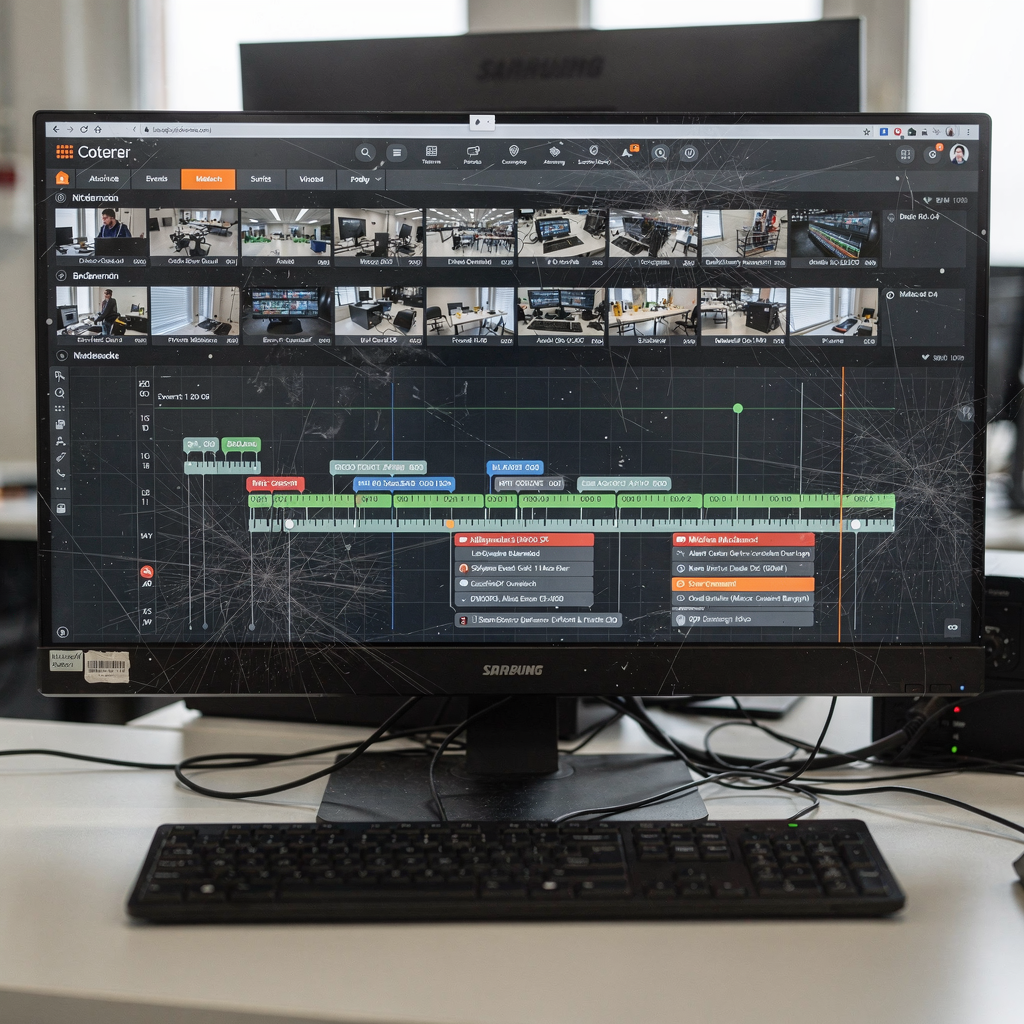
Timeline-based search also helps with data hygiene. Investigators can export a narrow slice of raw data or create a read-only bundle for evidence. Metadata filters prevent over-collection. They let teams pull only what they need. This improves compliance and lowers storage and review costs. Finally, by using the timeline and metadata together, teams can quickly flag an artifact and then follow its track across cameras and days.
AI vision within minutes?
With our no-code platform you can just focus on your data, we’ll do the rest
Advanced forensic search and forensic search capabilities
Advanced forensic search combines AI, indexing, and logical operators to reduce review time. Instead of simple keyword lookups, the system supports complex search queries and boolean filters. Operators can ask natural-language questions or build precise search parameters to find a specific event. The platform supports both approaches and returns accurate results in seconds.
An example query might target an artifact of interest such as “person loitering near gate after hours.” The AI converts that plain language into a set of search queries. It then scans metadata, thumbnails, and VMS logs. The system ranks hits by relevance and shows a preview. Investigators can refine results by adding a filter for clothing color or by narrowing the time range. This makes the review focused and efficient.
Forensic search reduces the manual burden and enhances admissibility. For this reason, teams use advanced forensic search to build timelines for court. The approach creates an audit trail that links a FIND to the supporting file system entries. One vendor explains how visual timeline tools “see how our features enhance digital investigations,” showing practical workflows and time savings 5 Innovative Data Visualization Tools in Oxygen Forensic® Detective. That vendor reports that timeline-driven review can cut footage review time by up to 60% during investigations.
Search capabilities must be robust and auditable. Forensic teams expect a single SOLUTION to perform precise search, to handle search across different codecs, and to produce exportable reports. To meet that need, we build AI models that translate human intent into technical queries. The result is an ai-powered search that supports both quick triage and deep casework. These analytical tools also log each step of the query for chain-of-custody. As a result, investigators maintain integrity while they work quickly.
Using video analytics for forensic video: license plate recognition
Video analytics extends what teams can extract from recorded video. One key capability is license plate recognition. ANPR or LPR helps investigators find vehicles fast. AI extracts plate strings and matches them to watchlists. This reduces manual review and often yields leads that point to other data sources.
License plate recognition works well with other analytics. For example, object detection and object tracking follow a vehicle across frames and cameras. The analytics tag vehicle type, vehicle color, and motion patterns. Then systems can show a near-instant history of that vehicle across the site. Investigators can also request a list of thumbnails that depict the same plate at different times.
These tools also help to locate relevant footage in big datasets. When teams handle thousands of hours of video, ANPR narrows the search. A single plate read can point to a specific camera and a specific time range. From there, an operator can open the timeline and inspect surrounding footage for suspicious activity. This method improves the speed and precision of a formal investigation.
Integrations also matter. visionplatform.ai connects ANPR results to other operational systems so teams can enrich case files. For airports, for example, linking LPR with people detection and PPE detection yields richer context during arrivals and departures. Read more about our ANPR/LPR work and integrations for airports ANPR & LPR in airports. The platform runs on edge devices where needed and supports small GPU servers to keep data in-house. That design reduces risk while keeping AI analytics close to the cameras.
AI vision within minutes?
With our no-code platform you can just focus on your data, we’ll do the rest
Search across cameras for accurate results in forensic investigations
Investigators often need to search across multiple cameras to reconstruct events. A cross-camera search stitches timelines from each feed and builds a sequence. The system correlates detections and then highlights overlaps. This process gives a coherent picture of movement and behavior over time.
Using synchronized timeline data, analysts can follow an ARTIFACT of interest from camera to camera. For instance, an operator might identify a person in a parking lot and then track that person into a building. The tools support search across multiple cameras and show linked thumbnails for quick verification. They also allow searches for specific event types like line crossing or object left behind.
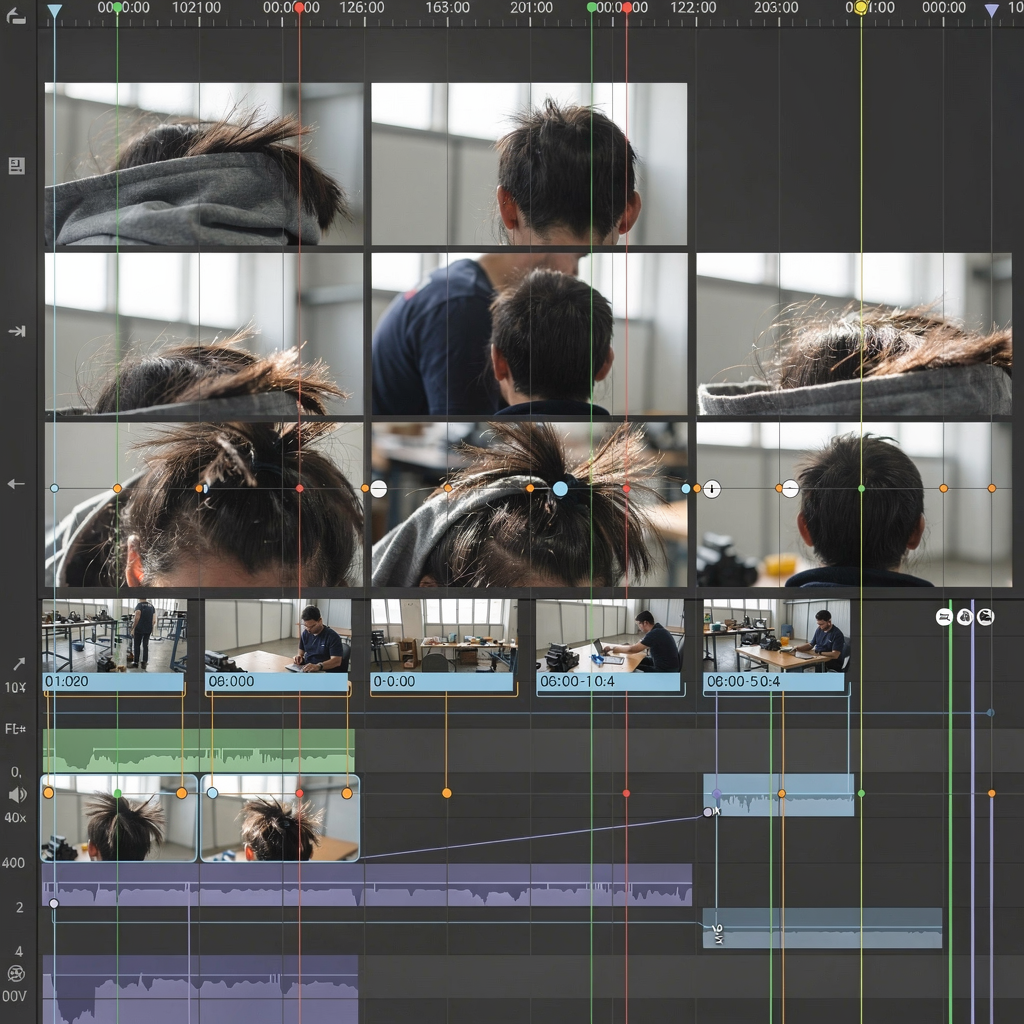
Correlating feeds produces accurate results and it helps with attribution. By tying video to complementary data sources, such as access control logs or vehicle registration hits, investigators strengthen digital evidence. A multi-layered approach to data from multiple sources improves confidence in findings. Research into automated pipelines shows that combining CCTV timelines with mobile and social data helps teams access data associated with perpetrators more easily A Multi-Layer Semantic Approach for Digital Forensics Automation.
Search speed matters. With the right indexing and ai-powered forensic capabilities, control rooms can locate relevant footage within seconds. This speed changes operational response. It reduces response times and supports near-instant verification of an alert. For example, when an operator receives an alert, the system can automatically run a query to search for people matching a description across the facility. That automation saves time and reduces error during high-pressure incidents.
Integrator platforms for forensics and investigation: improving search results
Integrator platforms unify CCTV systems, VMS, and case management to improve search outcomes. A well-designed integrator links AI outputs, VMS events, and external logs into a single workspace. This lets AI agents act on the same inputs an operator would review. As a result, teams gain actionable intelligence without switching tools.
visionplatform.ai exemplifies this pattern. It exposes VMS data through an agent and turns video events into rich textual descriptions using an on-prem Vision Language Model. The VP Agent Suite supports search through recorded video with natural language queries and it can pre-fill incident reports. That integration improves workflow and reduces manual entry.
Integrator platforms must also respect data governance. They should keep video and models on-prem and provide clear audit logs. Control rooms need to avoid sending raw data to external clouds. An integrator that supports edge devices and local storage meets those needs while allowing scale. It also suits sites subject to strict compliance, including EU AI Act constraints.
Finally, integrators raise the quality of search results by centralizing metadata tagging, alert handling, and export functions. They let teams combine AI analytics, access control logs, and procedural rules into a single decision flow. This unified stack helps investigators focus on the ARTIFACT of interest and then refine steps as new facts emerge. For airport operators who need specialized features, we link detection suites like people detection, ANPR, and PPE systems into one investigation view; see our people detection and forensic search resources for airports for more context people detection in airports and forensic search in airports.
FAQ
What is timeline-based forensic CCTV search?
Timeline-based forensic CCTV search arranges video events along a chronological axis so investigators can find relevant footage faster. It uses metadata, thumbnails, and AI descriptions to let users jump to precise moments.
How does AI improve video forensics?
AI automates detection, tagging, and indexing of objects and actions. It turns raw data into searchable descriptions and supports near-instant retrieval of potential evidence.
Can license plate recognition help in investigations?
Yes. License plate recognition captures plate strings, links them to camera timestamps, and helps trace vehicle movements. It often produces leads that connect video to registration databases.
How do integrator platforms help forensic investigations?
Integrator platforms combine VMS events, AI analytics, and logs into a single workspace. This reduces tool switching and speeds the creation of case packages for investigators.
Is it possible to search across multiple cameras at once?
Yes. Modern systems synchronize timelines from different feeds to show one coherent sequence. That capability helps reconstruct incident sequences and trace artifacts from camera to camera.
How do metadata filters improve search?
Metadata filters let investigators narrow results by attributes such as clothing color, object type, or specific days of the week. This reduces review time and focuses attention on relevant footage.
What audit trails support admissibility of video evidence?
Auditable logs include file system timestamps, VMS logs, and AI model outputs. Good platforms also record each query and export so investigators can show how they handled digital evidence.
Do integrator systems support edge devices?
Yes. Many integrator platforms run AI on edge devices to keep processing local and lower latency. This design also helps with compliance and reduces cloud dependency.
How fast can AI locate relevant footage?
With proper indexing and models, AI can locate relevant footage within seconds. Speed varies with scale, but timeline-driven searches drastically cut hours of video review.
Where can I learn more about applying these methods in airports?
For airport-specific use cases, consult resources on ANPR/LPR, people detection, and intrusion detection that show practical deployments. Our pages on ANPR and people detection in airports provide concrete examples and integration details ANPR & LPR in airports, people detection in airports.