video surveillance systems in modern control rooms
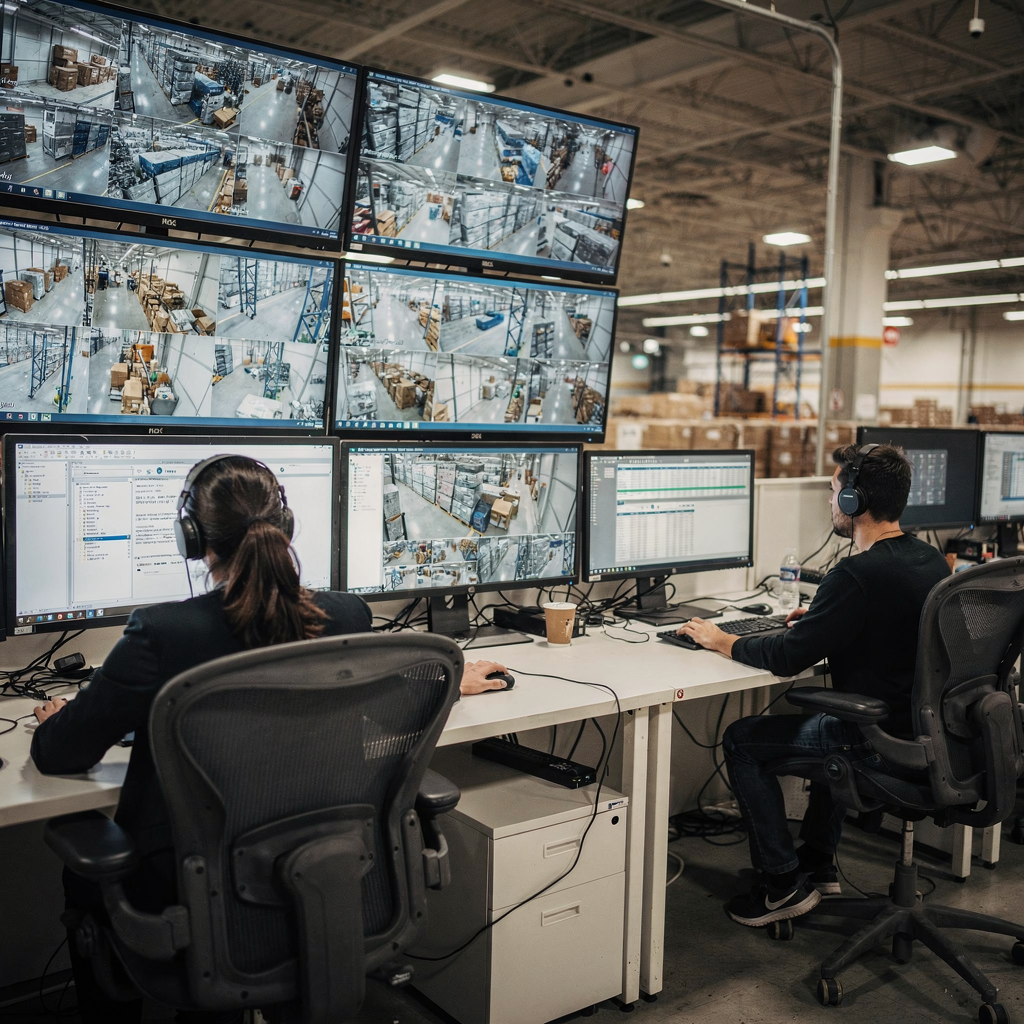
Control rooms act as centralized hubs for CCTV networks that protect public spaces, transport hubs, and critical sites. Operators manage hundreds or even thousands of surveillance cameras that stream live and recorded video to operators and automated responders. These video surveillance systems combine network video, video feeds, and video streams into a single operational picture that supports traffic control, on-site incident response, and broader physical security objectives.
Scale matters because a single operator cannot watch dozens of screens at once. Without automation, control rooms drown in vast amounts of data and uncorrelated alarms, which reduces the ability of security teams to detect and respond fast. Control rooms need tools that streamline monitoring and improve quality control, so that security personnel can focus on true incidents, not routine noise. visionplatform.ai addresses this by turning existing cameras and VMS into AI-assisted operations, which helps teams search recorded video and decide faster while keeping data on-site.
Typical installations include multiple cameras covering overlapping fields, a video management software back end, and integrations with access control and other systems. Each video camera has a camera’s field of view that limits what can be seen, so operators combine feeds across multiple cameras to maintain coverage. Surveillance systems often feed into a security system that must scale while keeping traceability and chain of custody intact.
Control rooms need search tools that find specific events without forcing long manual review. Using video data and intelligent video features, an operator can find when a person or vehicle entered a restricted area, or when someone began to loiter near a gate. For airports and transport hubs, specialist analytics such as people detection and ANPR help staff manage flow and safety; see our people detection in airports page for examples (people detection in airports).
Large deployments must balance performance, privacy, and compliance. For this reason, many organisations prefer on-prem solutions that avoid cloud video export and help meet emerging regulations such as the EU AI Act. When configured correctly, a control room becomes an effective centre for safety and security, reducing operator overload and improving incident traceability.
video analytics systems and analytics technology overview
Video analytics systems provide the automated eyes that control rooms need. Core capabilities include object detection, tracking, and event classification. Detection modules mark bounding boxes around people and vehicles and then feed those detections to tracking engines that link observations across frames. These systems run analytics algorithms that separate normal behaviour from anomalies, which gives security professionals the tools to find specific events faster.
The foundations of analytics technology include machine learning, deep learning, and classical signal-processing techniques. Deep learning models and deep learning models in particular power modern object detection and behaviour analysis. AI-based and ai-based video analytics combine neural networks with rule logic so that operators receive meaningful alerts rather than raw triggers. Data fusion then merges video observations with metadata and logs to increase confidence and reduce false alarms.
Integration with video management software and VMS platforms is essential. Vendors provide APIs and event hooks so analytics can trigger workflows, notify security teams, or enrich incident records. Intelligent video features such as facial recognition systems and license plate recognition rely on clean camera calibration, lighting control, and consistent sampling of video frames. Using video analytics across multiple cameras makes it easier to reconstruct an incident timeline and to follow a person or vehicle through a site.
Analytics algorithms must be configurable so they fit site-specific needs. Black-box models frustrate security professionals because they cannot tune thresholds or improve a model with local examples. visionplatform.ai offers custom model workflows that let teams use pre-trained models, improve them with your own data, or build models from scratch, which helps control access policies and reduces operator frustration. For forensic search workflows that span recorded video, see our forensic search in airports resource (forensic search in airports).
AI vision within minutes?
With our no-code platform you can just focus on your data, we’ll do the rest
forensic video and forensic investigations with metadata analysis
Forensic video plays a critical role when incidents move from operations into investigation. After an event, investigators and forensic investigators must collect and preserve digital evidence so it stands up to legal scrutiny. Forensic analysis adds steps that ensure traceability, verify timestamps, and prove that video footage has not been altered. Courts consider such steps when admitting evidence, and standards such as those discussed in legal reviews guide proper practice (LEGAL AND PRACTICAL RESPONSES TO THE MOST COMMON …).
Metadata extraction is an essential stage in any forensic workflow. Metadata such as timestamps, GPS coordinates, camera settings, and file headers provide context that supports chain of custody and helps authenticate video. Analysts use metadata to align clips from several surveillance cameras and to verify the order of events. When metadata is absent or inconsistent, forensic investigators apply image enhancement and frame-level analysis to rebuild the timeline.
Chain of custody protocols require recorded video to be handled under strict rules, and every handoff must be documented to protect video evidence. Tools such as Forensic Toolkit and validated vendor platforms follow a rigorous framework for testing and validation (Innovation | Foster + Freeman). Legal admissibility also depends on demonstrating that software and processes are reliable and that analysts used accepted methods for extracting and presenting findings.
Modern control rooms benefit from on-prem solutions that keep digital evidence local and auditable. visionplatform.ai’s approach of on-site Vision Language Models and agent logging helps maintain an auditable trail. Forensic investigations often need both improved video content and corroborating data from access control logs, network video records, or transaction systems. Correlating those sources reduces uncertainty and strengthens the reliability of conclusions.
AI-powered advanced search and forensic search to detect incidents
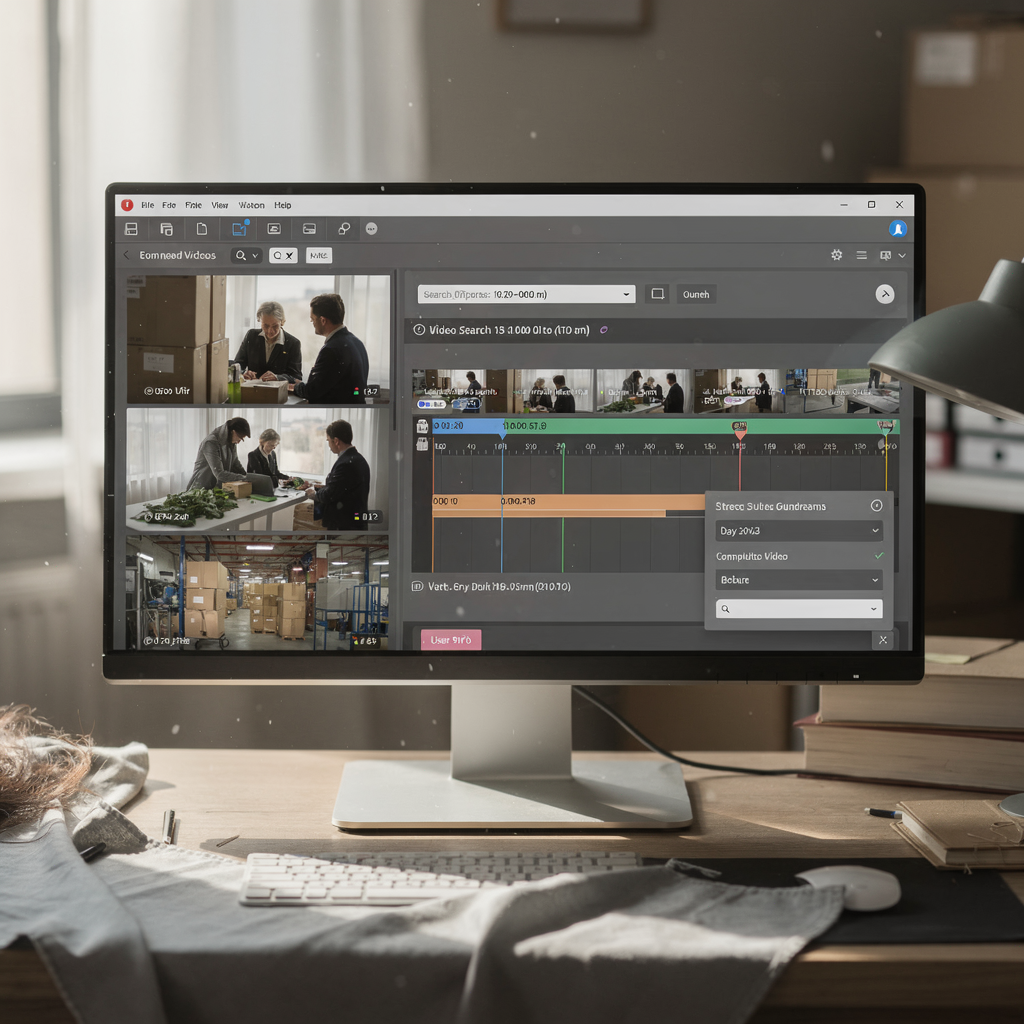
AI-powered tools now scan hours of video in minutes, which changes how control rooms work. Advanced search allows operators to run a specific search such as “red truck entering dock area yesterday evening” and get precise search results across recorded video. Forensic search workflows combine AI-based descriptions with metadata filters so teams can reconstruct incidents and find digital evidence quickly. The VP Agent Search from visionplatform.ai converts video into human-readable descriptions so searches use natural language and do not require camera IDs.
Advanced search filters include appearance, movement patterns, time ranges, and metadata fields. Searches can be limited by type or color, bounding boxes, or a camera’s field of view. An operator can configure a search criteria to return clips where a person loiters, which helps catch loiter behaviour near sensitive assets. AI-powered workflows also support searches across multiple cameras and searches across multiple timelines so that correlation becomes straightforward.
Forensic search reduces the time investigators spend scrubbing through video, and it improves the odds of finding critical frames. Interpol highlights how integration of forensic intelligence with big data reveals previously hidden patterns (Interpol review of digital evidence for 2019–2022 – PMC). In practice, forensic search helps reconstruct movements of a person or vehicle and supports reporting that will be presented to decision-makers or the courts.
Workflows often start with a real-time alert that needs validation. AI agents within a control room can validate an alarm by checking corroborating sources such as access control or transaction logs, which streamlines incident handling. Using video analytics and agent reasoning the operator gets an explained situation, not a raw alarm, which reduces false positives and improves response quality.
AI vision within minutes?
With our no-code platform you can just focus on your data, we’ll do the rest
using video analytics on cctv for person or vehicle tracking
Using video analytics on CCTV systems makes it practical to follow a person or vehicle through a complex site. Types of video analytics in common use include behaviour analysis, licence plate recognition, and people-counting. Licence plate modules extract license plate characters and match them against watchlists, which supports traffic control and perimeter checks. Behavioural models highlight actions such as loiter, or rapid movement, so security professionals can decide whether to act.
Trackers assign persistent IDs to a person or vehicle and then link detections across multiple cameras. This cross-camera correlation lets an operator search across multiple feeds and reconstruct a path even when images drop or occlude. For airports, for example, vehicle detection and classification and ANPR/LPR help with both security and operations; see our ANPR/LPR solutions page for airport use cases (ANPR/LPR in airports).
Real-time alerts notify operators immediately, while recorded video review supports longer investigations. A clear separation between real-time alerts and post-event review keeps workflows efficient. Detection analytics produce candidate events, and then intelligent video processing and AI agents verify them. This layered approach reduces false alarms and therefore reduces the time staff spend chasing non-events.
Operators use search criteria to find a person or vehicle by appearance, gait, or plate attributes. Advanced filters speed up the search results and improve the quality of leads, helping teams focus on people and property that matter. When evidence needs to be handed to forensic investigators, the system preserves video evidence alongside metadata and audio logs to maintain traceability.
benefits of video analytics and improved search results
The benefits of video analytics are tangible and measurable. Studies show that advanced video enhancement techniques can reduce investigation time by up to 40% How Did Video Forensic Experts Reveal Hidden Evidence?. Control rooms equipped with analytics report a 30% improvement in incident detection accuracy and fewer false alarms, so security personnel can concentrate on real threats How experts analyse audio and video recordings effectively.
Improved search and AI-based video analytics also increase suspect identification rates, which raises case clearance and supports legal processes. In one law enforcement study, suspect identification from surveillance footage rose substantially after forensic workflows were applied LEGAL AND PRACTICAL RESPONSES TO THE MOST COMMON …. These gains translate into operational efficiency, saving time and money while strengthening evidence chains for prosecutions.
Beyond raw detection, platforms that add reasoning and agent-based assistance let security teams act faster and with more confidence. AI-powered agents can pre-fill incident reports, recommend actions, or trigger workflows in video management software. This streamlines security processes and helps security professionals meet diverse security needs while keeping data under customer control.
In practice, the use of video content analytics and forensic analysis improves situational awareness, reduces manual review, and supports both daily operations and forensic investigations. Organisations that adopt these surveillance solutions find they can handle vast amounts of data more effectively, support safety and security goals, and maintain traceability so that video evidence remains reliable.
FAQ
What is forensic video and how is it used in control rooms?
Forensic video is enhanced and analyzed footage intended for investigation or legal presentation. In control rooms it supports post-event reconstruction, evidence preservation, and a clear audit trail for investigators.
How do AI-powered searches speed up investigations?
AI-powered searches convert video into descriptive data so operators can use natural language to query archives. This reduces hours of manual review to minutes and helps locate relevant clips quickly.
Can video analytics reduce false alarms?
Yes. Modern detection analytics combine multiple cues and metadata to verify alerts before escalation. This reduces false alarms and lets security personnel focus on genuine incidents.
Are forensic search results admissible in court?
Admissibility depends on chain of custody, metadata integrity, and validated methods. Following standards and using audited tools improves the likelihood that video evidence will be accepted.
How do systems track a person or vehicle across multiple cameras?
Trackers assign persistent IDs to detections and link those IDs as they appear in different video streams. Correlation across multiple cameras reconstructs routes even when single views are occluded.
What role does metadata play in investigations?
Metadata such as timestamps, GPS, and camera settings verify when and where footage was captured. Metadata also helps align clips from different surveillance cameras and supports traceability.
How do on-prem solutions help with compliance?
On-prem solutions keep video and models inside the organisation, reducing cloud exposure and easing regulatory concerns. They also provide auditable logs and control over data access.
What is the difference between real-time alerts and post-event review?
Real-time alerts notify operators of ongoing incidents so they can respond immediately. Post-event review uses recorded video to investigate causes, reconstruct timings, and compile evidence for reporting.
Can video analytics integrate with access control and other systems?
Yes. Integrations enrich analysis by correlating camera detections with access logs, sensors, or transaction systems. This cross-system verification improves decision quality and reduces uncertainty.
How does visionplatform.ai help forensic investigators?
visionplatform.ai turns camera data into searchable descriptions and supports agent-based reasoning to verify alarms and recommend actions. The platform keeps video on-site and provides tools that streamline search, reporting, and evidence export.