Transform Surveillance with AI Video and Cloud Solutions
AI assistants are changing how organizations find events in video. They transform legacy camera systems by adding context and searchability. For example, modern ai video tools index hours of recordings so teams can search like humans do. This shift accelerates investigations and supports faster decision making across a control room.
AI-powered CCTV search platforms combine computer vision, natural language processing, and metadata indexing. They convert raw security camera alerts into context-rich descriptions. visionplatform.ai builds on this model by placing an on-prem Vision Language Model where video, models, and reasoning stay inside your environment. As a result, control rooms gain reasoning and not just detections.
Cloud infrastructure plays a role too. A mixed approach lets organizations centralize long-term storage while keeping sensitive processing local. The global market reflects this trend: AI in CCTV is growing fast, with reports predicting a CAGR above 20% over the next five years (market growth forecast). Adoption also ties to public comfort with voice and AI interfaces; about 62% of Americans use voice assistants for search-related tasks, which signals familiarity that can extend to video search (user statistics).
Vendors now offer systems that scale from a handful of IP cameras to thousands of streams. The right blend of on-prem compute and cloud storage helps optimize costs and compliance. In practice, operators expect fewer false alarms, faster investigations, and more automation. They also want integrations that let analytics and VMS data feed AI agents so machines can reason and recommend actions, not simply raise an alarm.
Finally, security leaders must balance scalability, privacy, and performance. A scalable design supports real-time verification while preserving local storage and control. When teams integrate AI with access control and third-party systems, they can centralize incident handling and audit trails for oversight. For a practical example of applied detection and people analytics, see how people detection is used in busy sites like airports (people detection in airports).
Smart Video Search and Real Time Detection to Enhance Security Operations
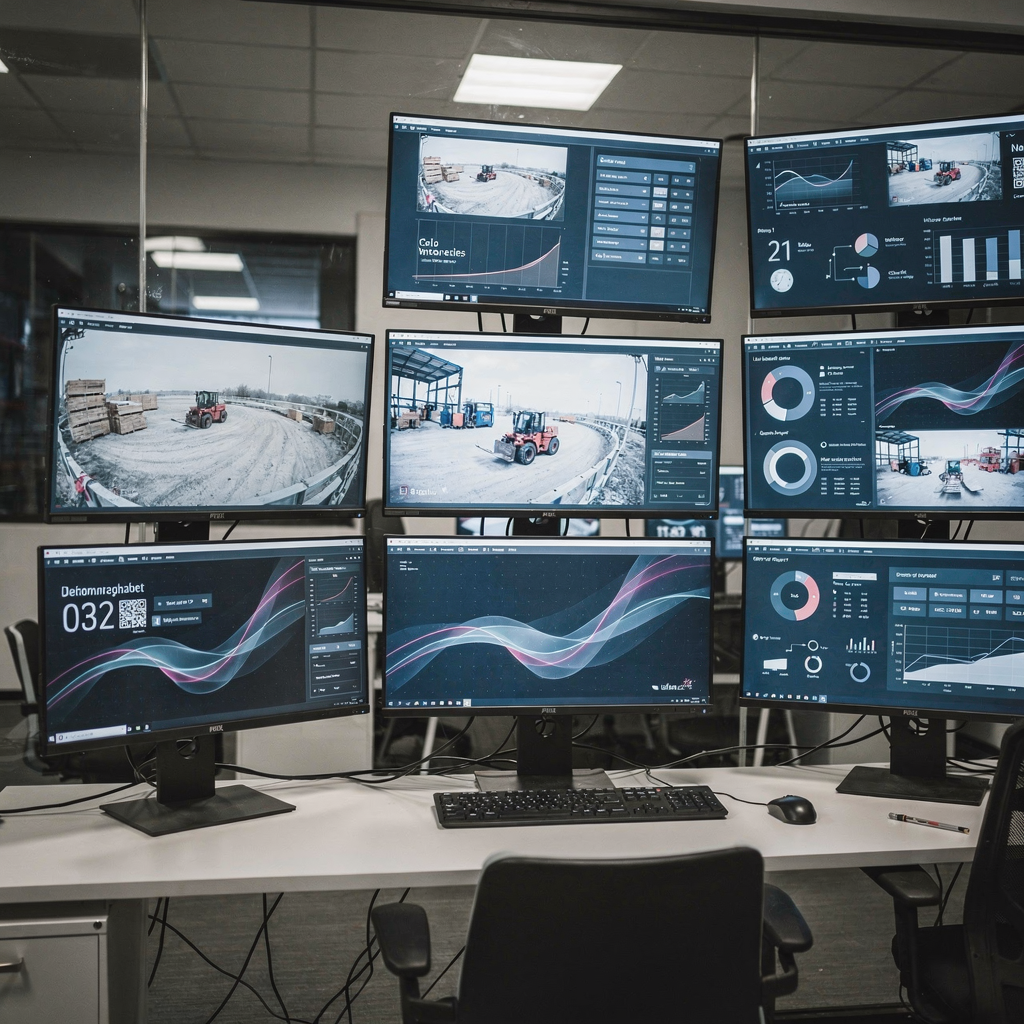
Smart video search transforms how teams interrogate recorded feeds. Instead of matching timestamps, operators type or speak a query and receive video results in seconds. VP Agent Search from visionplatform.ai converts video into human-readable descriptions so teams can search by natural language phrases like “person loitering near gate after hours.” That kind of forensic search reduces the time to find critical clips during an investigation.
Real-time object and person detection improves live monitoring. Real-time detectors flag people or vehicles while models run continuously on edge servers. High-quality models reduce nuisance alerts and let operators focus on critical moments. Studies confirm that AI-based visual cueing can halve the time needed to analyze video, improving operator performance and reducing fatigue (“I spy with my AI” study).
Accuracy matters. Modern detection pipelines combine neural networks and rule-based logic to verify events. When an alert triggers, the system correlates VMS metadata and access control events to verify whether an intrusion is real. This context-rich verification lowers false positives and gives operators a clearer picture fast. The VP Agent Reasoning feature does exactly that: it explains what was detected, why it matters, and what to do next.
The benefits show in metrics. Organizations report time savings during investigations and fewer operator escalations. For example, automated indexing and natural language search collapse hours of search into a few clips. Operators then scrub video in a browser, tag relevant clips, and export evidence without switching systems. This workflow also supports chain-of-custody and audit logs, which are essential for compliance and forensics.
To explore related analytic capabilities, consider vehicle recognition and ANPR applications that feed into operations like airports. These integrations help teams detect perimeter breaches, track vehicles, and prioritize response in busy environments (vehicle detection and classification). Overall, smart video search and real time detection make security operations more efficient, scalable, and responsive.
AI vision within minutes?
With our no-code platform you can just focus on your data, we’ll do the rest
Clarity in Footage: Demo of AI Security Camera Finder
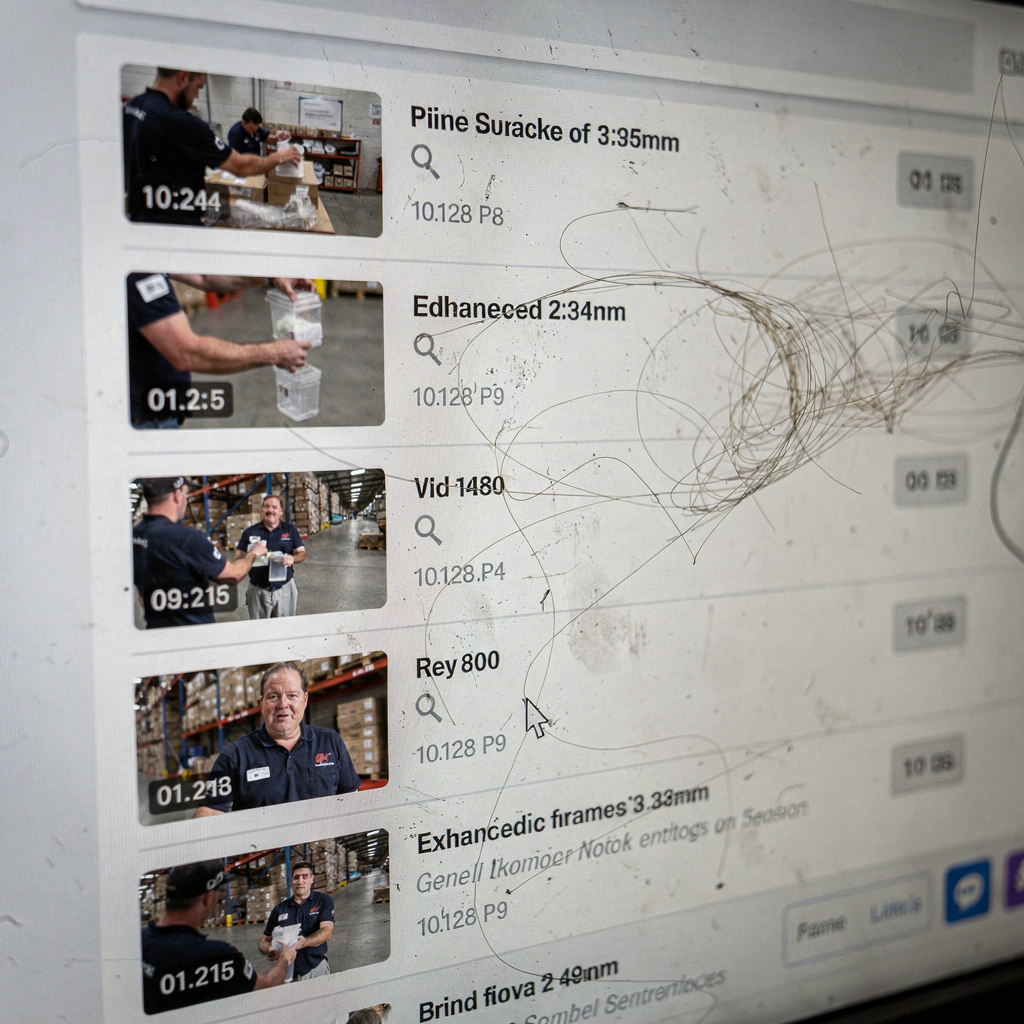
This chapter walks through a demo that highlights how AI improves clarity and search. First, a user types a plain-English search into the VP Agent Search field. The system parses the query, indexes matching descriptions, and returns matching clips with timestamps. The operator can then scrub to the exact frame and export the clip for review. The demo shows results in seconds and a clear chain of evidence for each incident.
Clarity algorithms improve low-light and noisy footage by applying denoising, contrast enhancement, and temporal smoothing. These techniques reveal critical details like license plates and faces while preserving authenticity of security footage. When hardware limits image quality, software can still enhance what the camera captured so investigators can detect small cues that matter.
The Finder use case is straightforward: locate a suspect or missing item across multiple cameras. The system correlates sightings, builds a timeline, and highlights likely paths of movement. It then offers a recommended sequence of clips to review, saving time and mental effort. In the demo, an operator locates a red truck, follows it across zones, and exports the relevant clip for reporting.
Demonstrations also emphasize human-in-the-loop controls. The VP Agent Actions feature supports approvals and automated notifications, so teams can configure how and when a notification is sent to guards or managers. The demo underlines how automation reduces routine work yet preserves human oversight. For hands-on forensic examples that apply to high-traffic sites, see the forensic search in airports resource (forensic search in airports).
Cloud vs Locally Processed AI Hardware Security Solutions
Deciding between cloud and on-premises processing requires balancing cost, latency, and compliance. Cloud services offer elastic storage and centralized analytics. They suit long-term archival and heavy model training. However, locally processed AI reduces latency and keeps video inside the site, addressing GDPR and EU AI Act considerations.
On-prem hardware such as GPU servers or Jetson edge devices can run real-time ai workloads. This setup offers lower round-trip latency and reduces bandwidth usage. Also, locally processed ai means footage does not leave the environment unless policies allow it. That arrangement supports sites that require strict control over sensitive video and VMS data.
Costs differ. Cloud storage and outbound bandwidth add recurring fees, while hardware requires capital investment and maintenance. Many organizations choose a hybrid approach: process critical real-time ai on-site and archive to the cloud for retention and analytics. This mixed model lets teams optimize for both speed and cost while meeting compliance needs.
Integration strategies matter. Systems must integrate with third-party VMS, NVRs, and ip cameras via ONVIF and RTSP. visionplatform.ai supports tight VMS integration, streaming events via MQTT and webhooks so operators can centralize alerts and audit logs. That integration reduces friction and improves incident response.
Finally, the right architecture supports scalability. A scalable design lets sites add cameras and sensors without rearchitecting the system. By combining local detection, storage, and cloud archival, teams can optimize performance and protect critical data. When privacy or uptime is essential, locally processed ai is often the preferred choice.
AI vision within minutes?
With our no-code platform you can just focus on your data, we’ll do the rest
Oversight, Privacy and Insight for Video Security Surveillance
Oversight must be built in. Audit trails, role-based access, and immutable logs let organizations review why an alert fired and who acted on it. Systems should record both detections and the rationale an ai agent used to recommend actions. This transparency supports trust and regulatory compliance.
Insight dashboards show trends in alerts, false positives, and operator load. A good dashboard highlights key areas such as the top zones by incident volume, common alarm types, and peak times for suspicious activity. Operators can then optimize patrols and refine detection thresholds. visionplatform.ai exposes events as structured data for dashboards and BI tools so teams can centralize operational metrics.
Data protection requires encryption, role separation, and clear policies about retention. Local storage of sensitive footage reduces exposure while still allowing lawful access and audit. A recent systematic review highlighted privacy and cybersecurity concerns in home and commercial systems, underlining why robust defenses are essential (privacy review).
Experts warn about inconsistent model outcomes and bias. A study found that AI could produce inconsistent outcomes in home surveillance settings, a reminder to validate models across environments (MIT study). Practitioners should test models on site-specific data, monitor performance, and keep human oversight in place. As one security researcher noted, it is critical to address vulnerabilities and work with manufacturers to implement safeguards (“Assistant professor” quote).
Theft and Property Damage Prevention for Safer Operations: FAQs
AI assistants help prevent theft and property damage by correlating detections, access logs, and contextual data. Typical scenarios include dock theft, after-hours intrusion, and unattended items. Automated verification reduces false alarms and speeds response. For a focused example of loitering detection and how it applies to crowded sites, see loitering detection in airports (loitering detection in airports).
AI systems provide measurable results. Reports show that AI can reduce footage analysis time by up to 50%, improving investigation speed (“I spy with my AI” study). Faster analysis and better context result in fewer escalations and more consistent handling of incidents. Operators receive contextual information about what was detected and corroborating evidence, which leads to stronger outcomes.
Frequently asked questions cover setup, data retention, maintenance, and troubleshooting. Teams ask how to integrate with NVRs, whether ip cameras will work, and how audit logs are maintained. These topics are core to deployment planning and ongoing operations. visionplatform.ai’s VP Agent Suite supports mixed deployments, runs on GPU or edge devices, and integrates with common VMS systems for flexible rollout.
Finally, preventative measures matter. When systems tie vehicle recognition and perimeter breach detection to automated notifications, guards can act sooner. Regular model validation, policy reviews, and clear escalation procedures keep operations safer. Together, AI-enabled detection, human oversight, and good practice create a system that reduces theft, limits property damage, and keeps operations safer.
FAQ
How does an AI assistant improve CCTV search?
An AI assistant converts video and metadata into human-readable descriptions so teams can search with natural language. This reduces time to find relevant clips and supports faster investigation and reporting.
Can AI work with existing IP cameras and NVRs?
Yes. Most systems support ip cameras and integrate with NVR and VMS platforms using ONVIF and RTSP. Integration lets teams add analytics without replacing hardware.
What are the privacy benefits of on-prem processing?
On-prem processing keeps sensitive footage local and minimizes cloud transfers. That approach helps with regulatory compliance, reduces exposure, and supports encrypted audit trails.
How accurate is real-time detection?
Detection accuracy depends on models and site conditions. Field testing and custom training on site-specific data improve performance and reduce false positives.
Does the system send notifications for incidents?
Yes. Systems can automatically send notifications and smart alerts to guards and managers based on verified detections. Policies control who gets notified and when.
What happens to video clips used in investigations?
Clips are exported with metadata and an audit log to preserve chain-of-custody. Operators can tag, redact, and archive clips according to retention policy.
How does AI help prevent theft and property damage?
AI detects suspicious behavior, unauthorized access, and vehicles acting out of pattern, which enables early response. Correlating video with access control and sensors improves situational awareness.
Can I run models locally and in the cloud?
Yes. Many organizations use a hybrid model: run critical, real time AI on-prem and archive to the cloud for retention and large-scale analytics. This balances speed and cost.
How are false alarms reduced?
By combining detections with contextual verification from VMS, access control, and AI reasoning, systems can filter out nuisance alerts. Human-in-the-loop review and continuous model tuning further cut false positives.
Where can I learn more about airport-specific analytics?
visionplatform.ai publishes solutions for people detection, vehicle detection, and a range of airport analytics. For more detailed examples, explore people detection and vehicle detection pages for applied use cases (people detection) and (vehicle detection).