ai in the incident lifecycle
The incident lifecycle covers detection, analysis, mitigation, recovery and review. Teams detect an event, then they analyse signals, then they mitigate harm, then they recover services, and finally they review findings. AI can assist at every stage. For detection, AI inspects camera feeds, telemetry and logs to spot anomalies that humans may miss. For analysis, AI correlates incident data from video, sensor logs and eyewitness accounts to build a timeline and identify probable causes. For mitigation, AI suggests actions and can help automate routine steps so teams act faster. For recovery and review, AI helps create incident summaries and stores lessons in a searchable knowledge base.
AI ingests unstructured inputs such as video, free-text eyewitness statements and machine telemetry and then aligns them into an ordered timeline. visionplatform.ai turns existing cameras and VMS into systems that can explain what they saw and why it matters, which helps reduce the time analysts spend chasing raw footage and isolated alerts. Forensic search in large video collections becomes possible when video is described in natural language and linked to events, and readers can learn about this in our forensic search documentation (forensic search in airports).
The benefits are clear: faster data correlation, fewer human errors and more objective narratives that investigators can validate. At the same time, challenges remain. AI can fabricate plausible but false details and citations, which undermines trust. Studies show significant issues with AI factual accuracy, with one major analysis finding errors in over half of AI-generated answers (BBC research). Therefore human experts must check AI outputs and validate logs and timestamps before any legal use. Finally, using AI based on historical signals helps spot patterns, but it must not replace the human judgement that sees the nuance behind a cause of an incident.
ai-powered incident management software
Modern teams rely on incident management software that centralises alerts, notes and actions. AI-powered incident management platforms add automated triage and contextual prioritisation so responders see the right information first. They can reduce alert fatigue by grouping noisy alerts and by applying filters that prioritise safety and business impact. For example, systems can pair camera detections with access control logs to confirm an intrusion, or they can flag a path that shows repeated process anomalies before escalation.
Core capabilities include automated alert triage, contextual prioritisation, and on-call scheduling that adapts to workload. AI features such as anomaly detection, pattern recognition and natural language understanding enable the platform to surface likely root causes and to create incident summaries. Integrations with monitoring, ticketing and collaboration platforms let teams act from a single pane of glass. visionplatform.ai emphasises tight VMS integration so video events feed directly into decision workflows, which reduces manual steps and supports faster, consistent action.
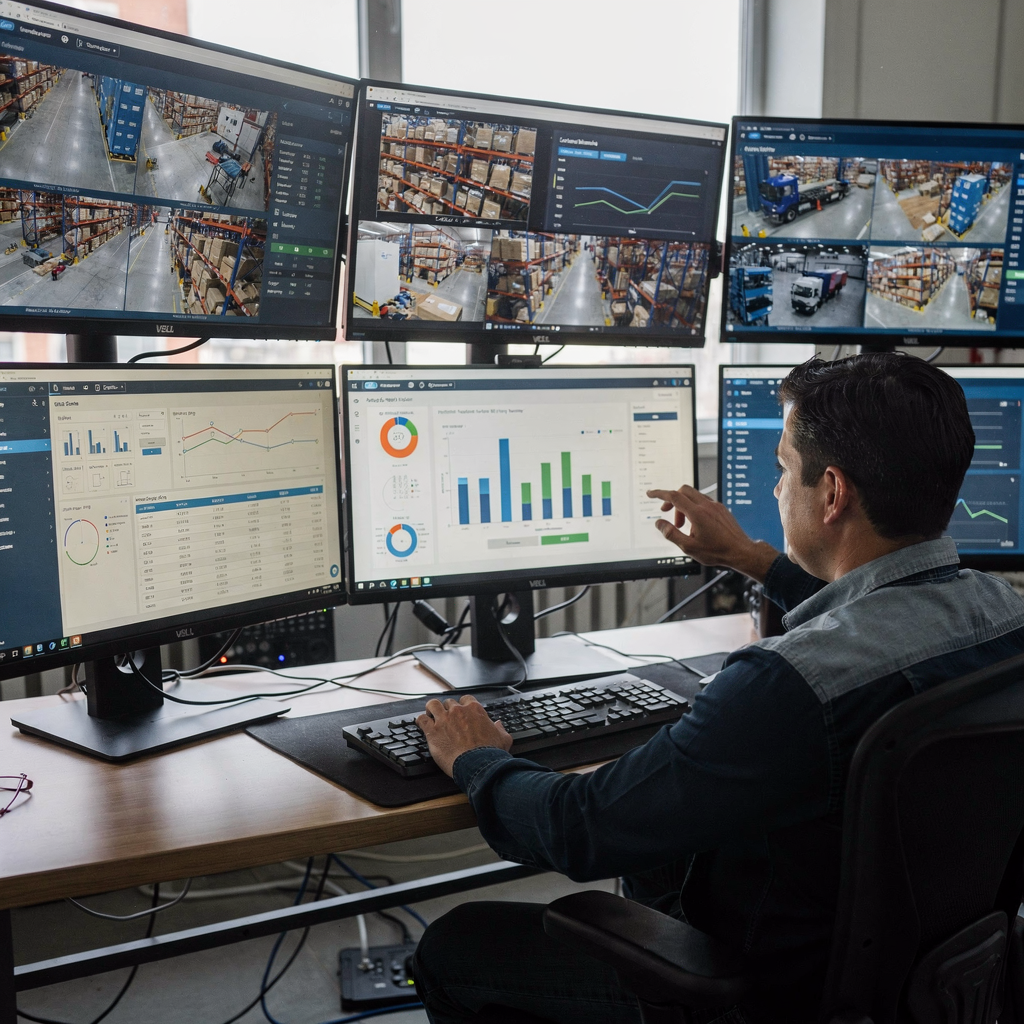
Vendors now offer ai-powered incident management that links detection to action. BigPanda provides an AI copilot for real-time troubleshooting, and Rootly automates playbooks to execute repeatable responses. These platforms aim to streamline incident coordination and to automate low-risk responses while preserving audit trails. Teams adopting ai incident management often report fewer escalations and better response times because routine tasks get handled by automation and humans focus on complex decisions. If you manage perimeter security, the integration to perimeter breach detection workflows can save time and reduce false positives; learn more about perimeter detection (perimeter breach detection in airports).
AI vision within minutes?
With our no-code platform you can just focus on your data, we’ll do the rest
ai for incident response
AI for incident response spans assistive drafting to semi-autonomous execution. Generative AI and large language models can draft post-incident reports, summarise timelines and suggest remediation steps. Teams can use models to convert raw telemetry and logs into coherent incident summaries and to generate recommended fixes that technicians can approve. At the same time, governance matters. An AI system must provide traceable reasoning and verifiable sources so reviewers can audit each suggestion.
Autonomous incident responses can range from automated ticket creation to playbook execution that isolates a service. An autonomous incident can be configured to verify conditions and then to run a low-risk rollback or containment action. When organisations automate mundane steps, response teams see a clear reduction in mean time and in the mean time to resolution of outages. The MIT study that quantified workplace task replacement found substantial automation potential and cautioned that cognitive off-loading reduces critical thinking, which is why human oversight remains essential (MIT study).
Large language models and llms can help write clear playbooks and can convert operational runbooks into conversational incident channels. However, AI models can fabricate citations or invent details, which has been documented in reporting on bot errors (research on fabrication). For this reason, a well‑designed incident assistant must include guardrails, human-in-the-loop checks and an auditable log. visionplatform.ai’s VP Agent supports recommendations and actions with explicit permissions and retains evidence inside the environment to align with regulatory requirements.
top ai incident management tools
Teams choosing tools look for real reductions in noise, faster root cause identification and broad integration. The top ai incident management tools include Opsgenie, BigPanda, Squadcast, Splunk ES and ComplianceQuest. Each vendor focuses on different strengths: Opsgenie’s prioritisation engine helps schedule responders, BigPanda focuses on real-time insight and noise reduction, and Squadcast emphasises collaborative workflows.
When comparing metrics, consider alert noise reduction, time saved in root cause analysis and integration breadth. Customers often measure response times and report a 30–50% improvement in mean time to resolution after adopting AI workflows. For example, an enterprise using AI correlation and automated alert grouping cut investigation time and reduced repeated escalations. Those improvements translate to lower downtime costs and fewer customer-impact incidents.
Choose tools that complement your existing incident management software and your operational stack. An ai incident management software must integrate with monitoring, ticketing and VMS so it can create incident records that contain video, logs and human notes. visionplatform.ai works with leading VMS platforms and can feed verified video context into these tools, which helps engineers spend less time hunting for footage. When selecting a vendor, check how they handle auditability and how they support manual investigation workflows for complex root cause analysis. Also examine predictive analytics and telemetry support, as these influence your ability to spot issues before they impact operations.
AI vision within minutes?
With our no-code platform you can just focus on your data, we’ll do the rest
best practices for root cause analysis
Root cause analysis requires careful human-AI collaboration. Use AI-driven correlation to surface candidates, and then validate those candidates against domain knowledge and evidence. Do not accept AI conclusions without cross-checking timestamps, logs and video. Human expertise remains the final arbiter when causality is disputed. A clear audit trail helps investigators show what was checked, why decisions were made and where AI contributed.
Establish ethical guidelines for data privacy and evidence handling. Keep data on-premises when regulations demand it, and ensure every automated step produces verifiable metadata. Visionplatform.ai emphasises an on‑prem Vision Language Model and agent architecture so users keep control of video, models and event logs. Use procedural controls so AI actions match organisational policy and risk tolerance. For routine tasks create supervised automation and introduce controlled autonomy only when outcomes and permissions are well understood.

Train teams regularly on best practices and on avoiding over-reliance. The MIT research warned that cognitive off-loading can reduce active scrutiny, so training resources should focus on interpreting AI outputs and spotting contradictions. Leverage AI for correlation, but always manually check inconsistencies and seek corroborating logs or video. Use a shared knowledge base to capture lessons and to prevent reoccurrence. When you combine intelligent automation with human review you get faster, more robust root cause analysis and more consistent handling of similar incidents in the future.
business impact and mttr reduction with ai assistant
Adopting AI changes total cost of ownership and operational outcomes. AI provides faster detection, faster diagnosis and faster recovery. Organisations that integrate AI into incident workflows often report significant business impact: fewer service interruptions, lower remediation costs and improved customer satisfaction. The MIT estimate that AI can replace 11.7% of the U.S. workforce for data analysis tasks demonstrates how AI and machine learning reshape roles and where organisations can free staff to focus on complex tasks (MIT study).
Quantify gains in operational terms. Many adopters see mttr improvements of 30–50% and reductions in minutes per incident when they streamline detection to response. Predictive analytics and telemetry reduce surprises, and a well‑populated knowledge base shortens investigations. Calculate savings from reduced labour hours, fewer repeat incidents, and less customer downtime. When AI handles routine triage and automated alert correlation, engineers spend less time on repetitive tasks and more time on durable improvements.
Next steps include integrating an incident assistant into existing incident management and service management tools, and then tuning automations based on outcomes. Use pilot projects to measure response times and to prove the case. Keep a human-in-the-loop model for high-risk scenarios and set thresholds for autonomous actions. The International AI Safety Report recommends transparent reasoning and verifiable sources so stakeholders can trust AI outputs (International AI Safety Report 2025). By combining AI insights with human expertise you can reduce alert fatigue, improve incident coordination and prepare for future incidents with confidence.
FAQ
What is an AI assistant for incident reconstruction and response?
An AI assistant analyses incident data, correlates evidence and suggests timelines and actions. It supports investigators by turning raw inputs like video and logs into human-readable summaries and recommendations.
How does AI ingest unstructured video and eyewitness accounts?
AI uses vision models and natural language processing to convert video and text into descriptive events. Those events feed into a timeline that investigators can review and validate.
Can AI-generated incident summaries be trusted for legal use?
AI summaries can speed investigations, but they require human verification and audit trails before legal use. Always corroborate AI findings with original logs, recorded video and human testimony.
Which tools lead the market for incident coordination?
Popular tools include Opsgenie, BigPanda and Squadcast, each with strengths in prioritisation and collaboration. Choose a tool that integrates with your monitoring and VMS so it can create full incident records.
How much can AI reduce mean time to resolution?
Adopters commonly report mttr reductions in the 30–50% range after integrating AI-driven workflows and automation. Results vary by environment and by how teams validate and tune automations.
What are key risks when adopting AI for incident response?
Main risks include fabricated details, missing sources and over-reliance that reduces critical thinking. Training and governance help mitigate these risks and keep humans in control.
How does visionplatform.ai support video-based incident reconstruction?
visionplatform.ai converts camera detections into text descriptions and exposes them to AI agents so teams can search and reason using natural language. That approach reduces time spent finding relevant footage and helps verify alarms.
What role do playbooks and automation play in response?
Playbooks translate best practices into repeatable steps that AI can execute under supervision. Automation handles routine tasks, which frees responders to focus on complex decisions.
How should organisations train staff to use AI tools?
Training should focus on interpreting AI outputs, spotting inconsistencies and maintaining manual investigation skills. Regular exercises and review of AI suggestions preserve human expertise.
What metrics should teams monitor after adopting AI?
Track response times, alert noise reduction, minutes per incident and business impact on downtime. Also monitor audit trail completeness, false positives and the frequency of manual overrides.