ai in control room: Introduction to controlrooms.ai
AI changes how a modern control room operates. First, AI ingests streams of camera feeds, telemetry, logs, and sensor data. Then, it creates a single, live view that helps operators make faster, clearer choices. controlrooms.ai is presented as a purpose-built troubleshooting platform that helps teams surface issues quickly and reduce noise. The platform focuses on real-time monitoring, anomaly detection, and alerting for critical infrastructure and industrial sites.
In practice, the system uses AI tools to correlate events across sources. It augments existing workflows and reduces routine work. The platform also supports ai troubleshooting by providing explanations and context for each detection. For example, when a voltage spike appears on telemetry, the system highlights related camera frames, recent trends, and nearby events. This helps teams find the root cause without guesswork and lets them dispatch the right teams with confidence.
AI enhances situational awareness by turning noisy inputs into clear, actionable summaries. The system surfaces issues before humans when sensors and models find subtle drift that human operators might miss. In many cases, the solution surfaces issues before humans, which shortens time to response. A key goal is to help teams troubleshoot better and to reduce false positives from basic alarms.
Control rooms need scalable observability and consistent procedures. controlrooms.ai centralizes event history, trend search, and evidence for quicker decisions. The approach aligns with how operators work today and reduces handoffs between systems. As Dr. Emily Chen notes, “Control room AI software is not just about automation; it’s about augmenting human decision-making with data-driven insights” (source). This quote captures why control rooms gain from combining AI and human expertise.
Automate workflow with ai agents and analytics
First, ai agents act as always-on assistants inside a control room. They execute checks, gather context, and propose next steps. An agent can verify a camera detection, cross-check access logs, and then post a concise summary to teams and slack channels. This removes repetitive tasks and shortens the time to decide. Also, agents can pre-fill incident reports and even open tickets for field crews.
Analytics drive this capability. They use machine learning models and simple rules to score risk, predict failures, and surface anomalies. The platform ingests telemetry and video metadata and then runs trend analysis over thousands of tags to identify similar events. When the system sees a pattern, it groups instances and recommends corrective actions. This behavior reduces manual triage and helps operators focus on high-value decisions.
AI-generated summaries and trend charts make historical context easier to consume. Forensic search links recorded events to live detections so teams can replay events and confirm what happened. For more on searching history and video, read our coverage of forensic search in airports forensic search. The design helps teams surface issues, identify similar events, and alert the right teams quickly. It also makes it easier to automate routine escalation and to dispatch field crews.
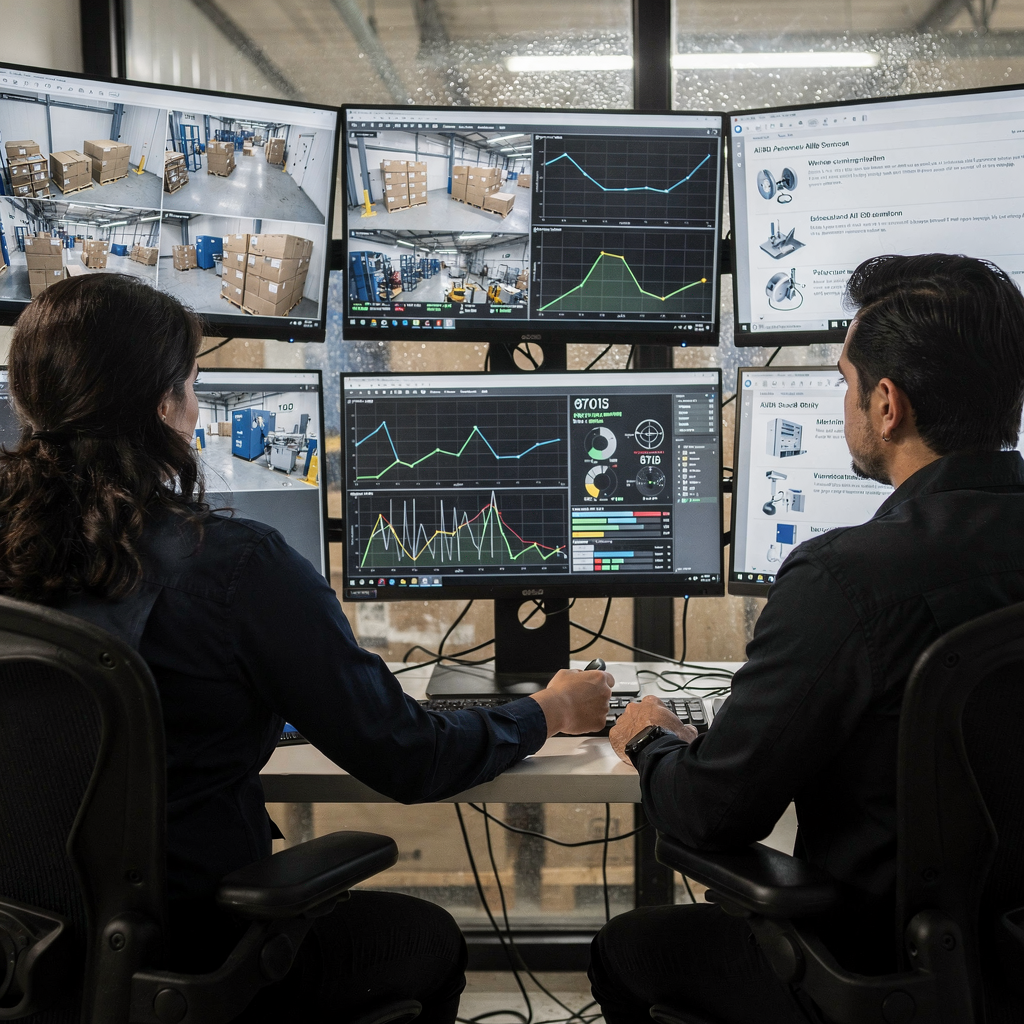
Furthermore, agents improve observability by consolidating context from the VMS, access control, and sensors. They reduce the volume of alarms and translate detections into plain-language recommendations. Teams that adopt this model often report less time spent on low-risk events and more attention for issues that matter. For integration examples and detection types, see our process anomaly page process anomaly detection.
AI vision within minutes?
With our no-code platform you can just focus on your data, we’ll do the rest
enterprise ai and powered by ai: purpose-built for grid operator
Enterprise AI requirements differ in critical infrastructure. They emphasize security, auditability, and predictable behavior. A grid operator must manage operational data from substations, SCADA feeds, and field devices while meeting compliance standards. The solution must be enterprise-ready, allow on-premise deployment, and integrate via a robust API. That is why controlrooms.ai and similar platforms support local processing and tight access control to remove vendor lock-in and maintain traceable logs.
Purpose-built systems help reduce guesswork. They connect live telemetry, camera feeds, and maintenance history to give actionable recommendations. For a grid operator, the priority is clear: reduce outages, lower response time, and protect energy resources. A purpose-built ai control room gives live context and automates routine reports. It can also deploy ai trained on site-specific conditions so models respect local operational limits and avoid false triggers.
One utility that switched to a powered by AI approach reported measurable gains. As John Matthews put it, “Since implementing AI-powered control room solutions, we’ve seen a dramatic improvement in our ability to predict equipment failures” (source). This endorsement highlights how enterprise AI can cut field visits and prevent small issues from becoming big problems.
To deploy at scale, teams must plan how to deploy AI models, how to scale ai across sites, and how to integrate with existing SCADA and asset registries. The platform should let teams expose operational data to agent workflows while maintaining permissions. It must also support change control and provide audit trails so investigators can replay decisions. For more on anomaly detection and perimeter use cases, see perimeter breach detection perimeter breach detection.
ai-powered system to reduce variability for energy producers
Energy producers face increasing variability from renewables and shifting demand. Wind farms, for example, must handle rapid changes in output. AI-powered forecasting helps smooth operations and improves dispatch decisions. Models predict short-term demand, identify asset health issues, and schedule preventive action to avoid unplanned downtime. In fact, some studies show AI integration can reduce incident response times by up to 40% (source). That benefit translates directly into less downtime and steadier supply.
AI dynamically learns plant behavior and adapts to seasonal and operational shifts. When a turbine shows a subtle vibration pattern, the model notes the drift and correlates it with weather and past faults. This enables teams to detect issues early and to replace parts before failure. As a result, producers reduce unplanned downtime and improve capacity factors across wind turbines and other assets.
Proactively forecasting faults also saves fuel and optimizes maintenance windows. By scheduling crews before failures occur, energy producers protect energy resources and avoid costly emergency repairs. A data-driven plan turns thousands of signals into a handful of validated actions, so teams can focus on critical repairs rather than chasing false leads. The market is responding: over 60% of organizations in critical infrastructure plan to adopt AI-powered control room solutions within two years (source), and analysts predict strong growth in the sector (source).
AI vision within minutes?
With our no-code platform you can just focus on your data, we’ll do the rest
Automation strategies in ai control room operations
Automation works best when it follows clear policies and when human operators keep final authority for high-risk actions. Key strategies include incident detection, response sequencing, and automated verification steps. For example, the system can verify an entry detection against access control and camera footage before escalating. This reduces false alarms and ensures that only validated incidents become dispatch jobs.
Start with small, low-risk automations. Then expand to more complex tasks. First, automate confirmations and routine reports. Second, connect alerts to ticketing and dispatch. Third, enable conditional workflows for repeated events. Along the way, provide operators with concise root-cause analysis and operational context so they can accept or override actions. This approach helps teams move from manual triage to reliable automation without losing control.
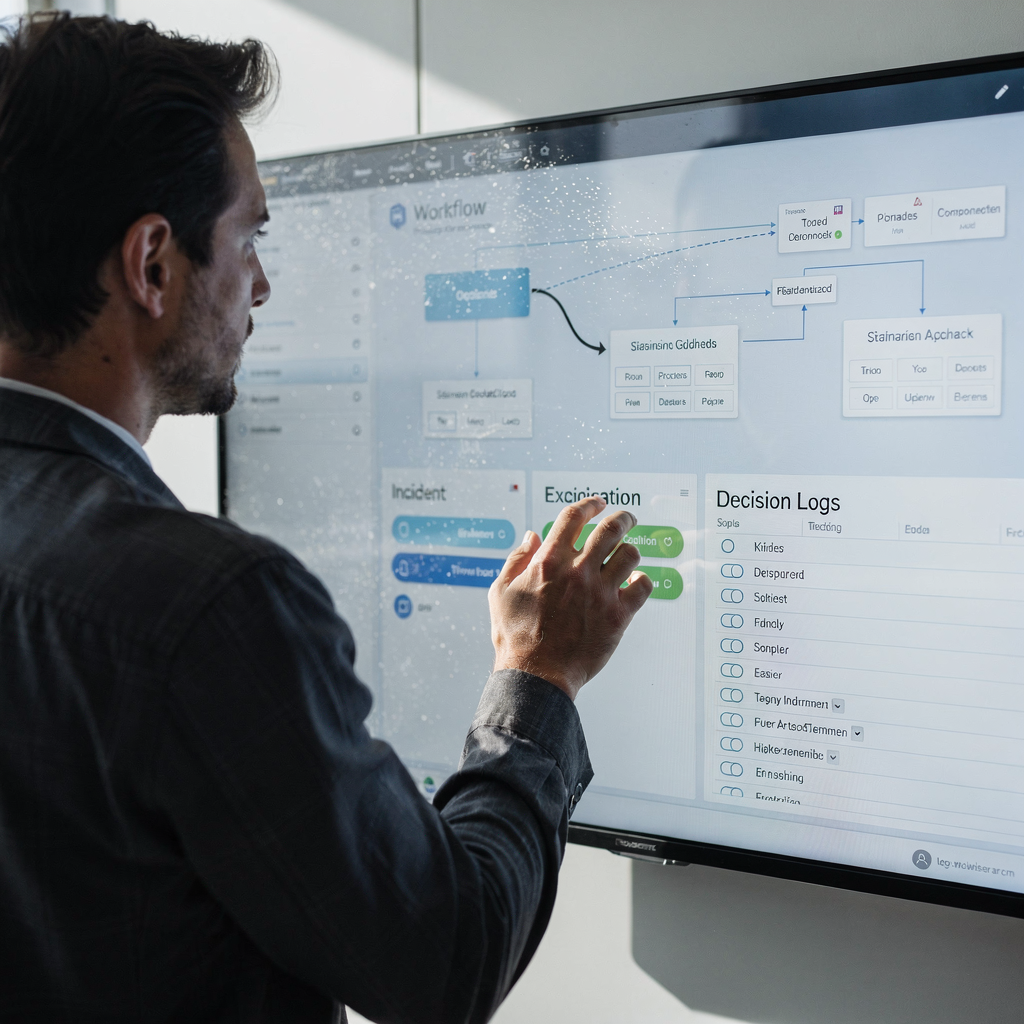
Integration with legacy systems is critical. Use APIs to pull device state and to push events into maintenance systems. The platform should support standard interfaces, and should let teams map fields to existing logs. This preserves continuity and reduces implementation friction. It also helps to maintain observability across layers so operators can see how an automated action was chosen. Finally, promote trust by giving operators audit trails, explainable recommendations, and the ability to tune thresholds. When people trust the system, they work with it rather than against it.
Achieving full control across controlrooms with artificial intelligence
Full control combines situational awareness, rapid response, and continuous learning. With artificial intelligence, organizations can synchronize data across multiple controlrooms and present a unified operational picture. This concept of full control depends on reliable pipelines for live feeds and for historical context, and on AI systems that can reason about events in real time. It also depends on clear policies for when to escalate and when to act automatically.
Control rooms must align procedures so that insights flow to the right place at the right time. Trend search and forensic queries help investigators replay incidents and remove unknowns from root-cause analysis. The same foundation that supports local decisions helps teams scale ai to regional or national operations. When done correctly, the platform can surface issues and produce ai-generated evidence that teams can trust.
To achieve this outcome, start with observability and expand to assisted operations. Integrate cameras, VMS, and asset registries through secure APIs, keep models auditable, and provide clear interfaces for human oversight. visionplatform.ai offers on-prem Vision Language Models and agent patterns that help move from raw detections to explanations, so operators can act with confidence. Finally, design for scale so you can deploy pilots, learn fast, and then scale ai to more sites. As one industry review notes, organizations that seize agentic AI advantages will find new operational leverage (source).
FAQ
What is control room AI software?
Control room AI software uses machine models and data pipelines to monitor, analyze, and assist with operations. It combines live feeds, historical records, and decision logic to provide actionable summaries and reduce manual triage.
How does controlrooms.ai differ from basic video analytics?
controlrooms.ai focuses on reasoning and action, not just detection. It links video, telemetry, and procedures so operators get context and recommended steps rather than raw alerts. That reduces false positives and speeds up resolution.
Can AI reduce unplanned downtime?
Yes. AI predicts failures and schedules maintenance before faults escalate, which lowers unplanned downtime. By detecting issues early, teams keep assets online and reduce emergency repairs.
Are AI recommendations trustworthy for human operators?
Trust grows when systems explain their reasoning and provide audit trails. Human operators retain control and can accept or override recommendations, which improves adoption and safety.
How do AI agents integrate with existing dispatch systems?
Agents use APIs to open tickets, send notifications, and update maintenance logs. They can also post concise incident summaries to teams and slack channels so the right teams respond quickly.
What role does machine learning play in these platforms?
Machine learning models detect patterns, forecast behavior, and rank risk. They power anomaly detection and predictive maintenance while learning from new data to stay current with asset conditions.
Is on-premise deployment possible?
Yes. On-prem deployments keep video and models inside your environment, which supports compliance and reduces data movement. This approach suits regulated industries and high-security sites.
How do these systems help with root-cause analysis?
They link relevant events, provide operational context, and present timelines that show cause and effect. This makes it faster to identify upstream issues rather than treating symptoms alone.
Can control room AI scale across multiple sites?
Yes. Start with pilots and then scale AI patterns across sites using standardized APIs and model management. This enables consistent procedures across your organization and reduces variation in outcomes.
Where can I learn about specific detection types supported by visionplatform.ai?
For examples of detections and use cases, visit our pages on process anomaly detection, forensic search, and perimeter breach detection. These resources explain how video and telemetry combine to create clearer situational awareness.