The deluge of alerts: a clinical perspective on alert fatigue
The deluge of alarms in intensive care units creates real strain on clinicians. Clinicians face a high volume of alarms. For instance, studies report around 820 alarms per patient per day. Also, many of those alarms do not require intervention. As a result, teams encounter cognitive overload and frequent interruptions. Research shows that nearly 49% of clinical alarm incidents come from false events such as device malfunctions or operator errors (AAMI model). That pattern leads clinicians to desensitize. The condition is commonly known as alarm fatigue. Alarm fatigue harms situational awareness and can delay necessary actions, thereby compromising patient safety. The literature states that “The number of false alarms is higher than that of true ones, which not only disrupts workflow but also endangers patient safety” (Nurses’ Alarm Fatigue Levels). Clinical teams then face competing priorities. They must both manage monitoring and protect each patient. The traditional sequence is simple: device signal, audible or visual alert, and clinician response. However, when alarms per clinician climb, response times fall. As a result, alarm-related errors rise. This problem affects quality of care and patient outcomes. It also stresses staff and contributes to burnout. In complex units, alarm settings often remain default. Those settings do not reflect an individual patient’s condition. Therefore, they create many unnecessary alarms and non-critical interruptions. In response, hospitals have started to look for better alarm management and smarter triage. AI and machine learning technologies now offer ways to filter noise. For example, clinical decision support and automation can help ensure that the care team sees actionable signals first. These solutions aim to reduce alert fatigue while keeping clinicians focused on true clinical alarm events.
AI-powered triage of alerts: use case and workflow integration
AI-powered triage applies models at scale to classify alerts in real time. Core methods include machine learning classifiers, predictive analytics, and fast time series processing. Machine learning algorithms detect patterns in telemetry, vital signs, and device metadata. Then systems rank alarms by likelihood of clinical action. For example, sepsis management has a clear use case. AI models can improve early detection while cutting false positives, and researchers have reviewed practical optimizations for sepsis care (sepsis review). Also, an observational deployment reduced non-actionable alarms by up to 30% through AI-enhanced filtering (AHRQ PSNet). In a typical workflow integration, the monitoring system ingests patient data streams. Next, an AI classifier evaluates context. Then the system flags only high-priority or actionable alerts for immediate routing. This approach adds additional context, such as recent trends in vital signs and device status, to each alarm. The result is a comprehensive understanding of whether the signal requires bedside assessment. Also, personalization matters. AI can adapt threshold settings for an individual patient based on history and trajectory. Hospitals may embed models at the edge or run them centrally. Edge deployments cut latency and support remote patient monitoring in constrained networks. Centralized platforms enable deeper correlation across telemetry and EHR feeds. For real-world impact, clinical teams need clear dashboards and simple controls to tune thresholds. Visionplatform.ai demonstrates how video and analytics can add context to alarms by turning detections into explanations and recommended actions. For those wanting to explore related detection features, see our pages on forensic search and intrusion detection in airports. 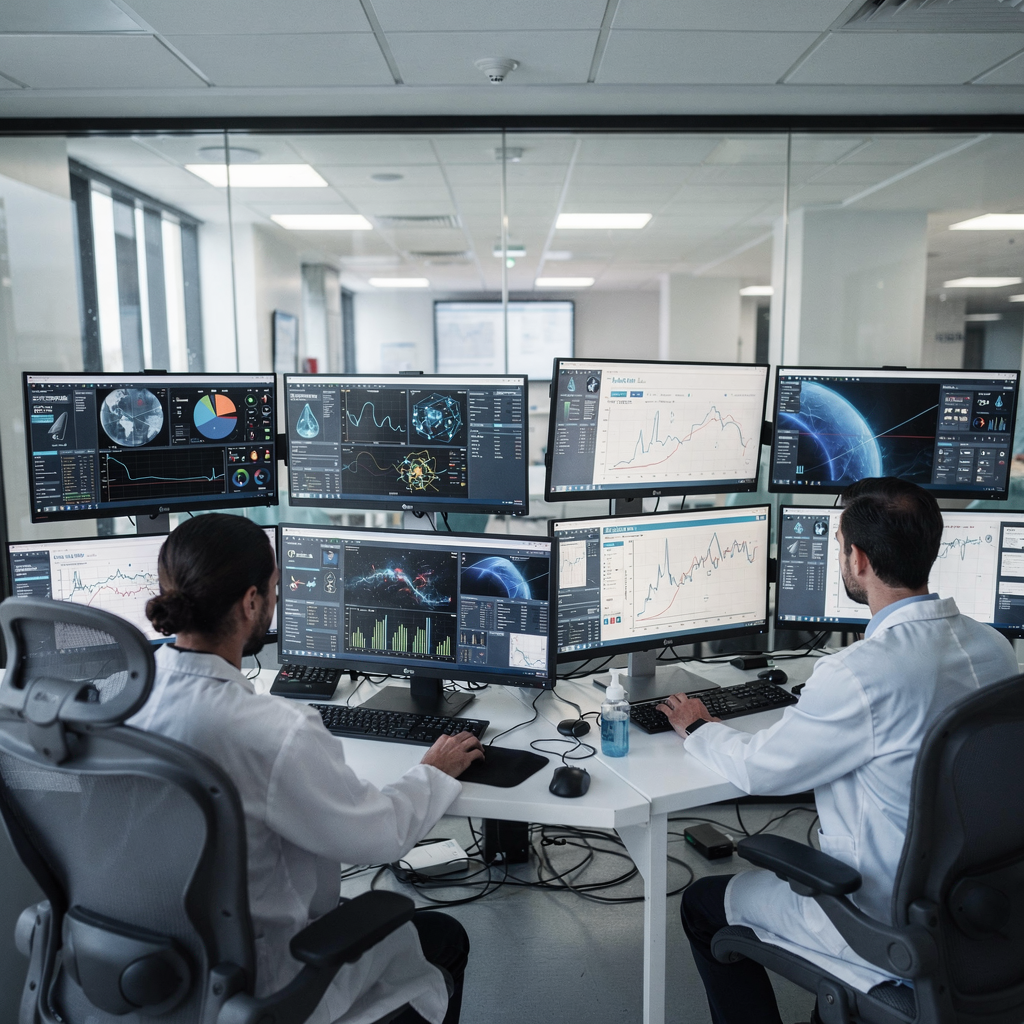
AI vision within minutes?
With our no-code platform you can just focus on your data, we’ll do the rest
Streamlining the alert workflow for the care team
Mapping the traditional pathway clarifies where delays occur. The classic chain reads: device signal → alarm → clinician response. Each step may introduce friction. Devices trigger frequent audible alerts. Clinicians pause tasks to confirm what the alarm means. Then they document or act. This manual triage wastes time. It also contributes to desensitization and alarm fatigue issue. Pain points include alarm overload, fragmented interfaces, and poor routing of actionable signals. Also, operators must often switch between monitors, logs, and procedures. That increases cognitive load and slows response times. To streamline operations, teams adopt unified platforms that merge patient data, video, and device metadata. These systems can flag and verify events before escalation. For example, a central dashboard may correlate telemetry with recent vital signs and with video context. That process helps flag non-critical events and reduces unnecessary alarms. AI-based verification explains why an alarm raised and what percentage likelihood it represents for a true clinical problem. The approach cuts interruptions and helps clinicians focus. In practice, streamlining often includes rule-based pre-filters, followed by machine learning triage for complex cases. This combined method balances speed and accuracy. It can also reduce the number of alarms clinicians receive. As a result, teams see fewer non-actionable interruptions and improved quality of care. Staff report better situational awareness and lower burnout when tools reduce the volume of alerts and provide actionable context. Additionally, integrating with on-prem systems preserves data control and supports scalable deployments. For more on converting detections into searchable knowledge, read about our people detection and related event search tools. The streamlined workflow shortens time to action and helps improve patient outcomes.
Triage alerts at source: reducing the burden on care teams
Filtering at the device level prevents many alarms from ever reaching clinicians. Edge triage uses local models to assess signals before escalation. For example, bedside monitors can run lightweight classifiers to suppress spurious triggers. On-device triage reduces latency and preserves bandwidth. By contrast, central processing offers deeper correlation across multiple data streams but requires more infrastructure. Each approach has advantages. On-device models act fast and keep data local. Central platforms enable cross-system verification and longer time series analysis. Choosing between them depends on network, compliance, and clinical needs. For instance, when remote monitoring must operate over limited connectivity, edge AI keeps the monitoring system effective. Also, hospitals with strict privacy rules prefer on-prem processing to avoid cloud exposure. Edge triage often uses simple rules first, then invokes more advanced logic when necessary. That design reduces oscillation between alarms and cut false alarm noise. Care teams benefit because they receive fewer non-critical notifications. That allows clinicians to prioritize critical alerts and improves response times. In addition, edge filtering makes it easier to customize alarm settings for an individual patient and to implement adaptive thresholds that reflect the patient’s condition. A bedside implementation might block artifacts caused by motion or poor sensor contact. Those filters reduce unnecessary alarms and help ensure clinicians see actionable events. Finally, combining edge and central AI provides redundancy and resilience. Systems can run quick checks locally, then call a central model for verification and recommended actions. That hybrid design supports scalable deployments and helps security teams maintain control. 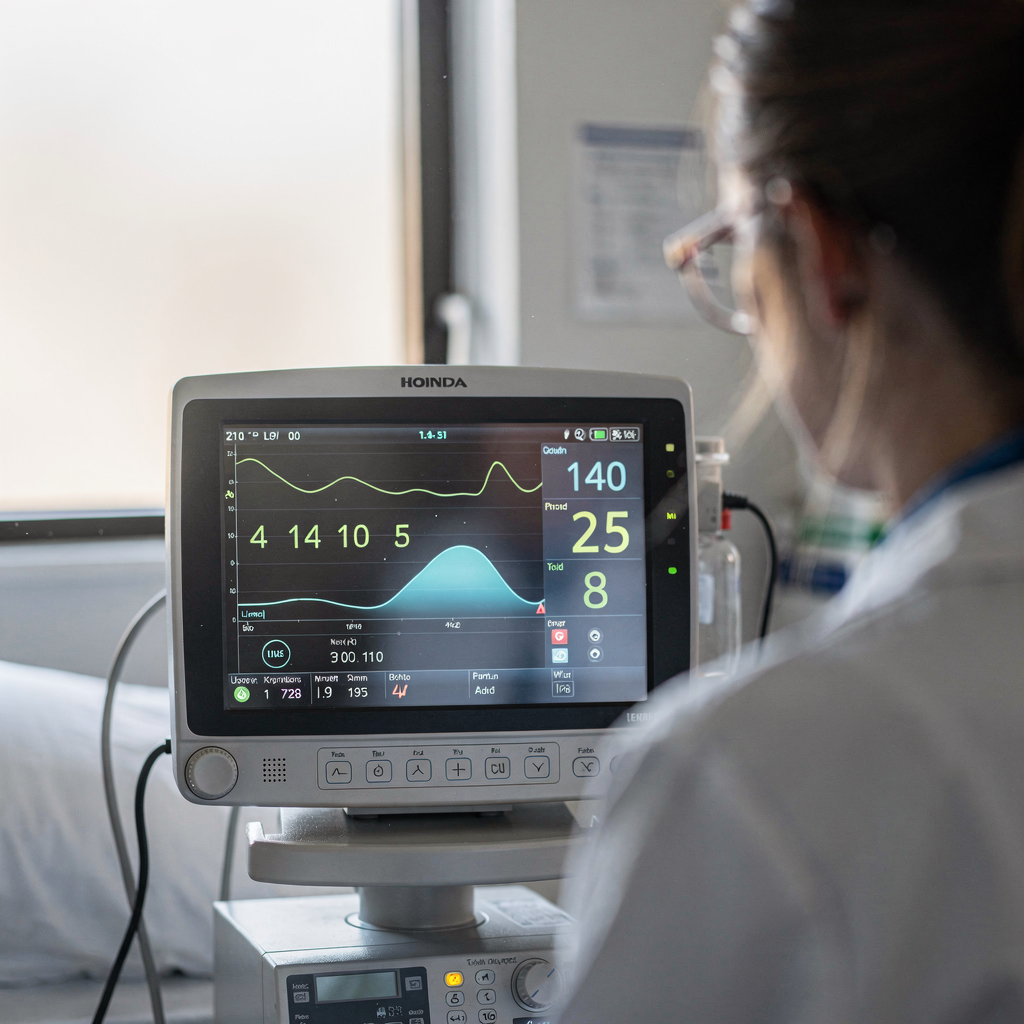
AI vision within minutes?
With our no-code platform you can just focus on your data, we’ll do the rest
Clinical perspective on AI-driven alert triage: real-world use cases
Clinicians who have worked with AI tools often report measurable relief. A survey of 1,430 clinicians found that ambient documentation technology tied to AI corresponded with reductions in clinician burnout (JAMA study). That signal suggests AI helps workload, and it aligns with trials that show AI-powered alert filtering reduces the number of non-actionable alarms by up to 30% (AHRQ PSNet). ICU deployments report improved true-alarm detection rates and shorter response times after implementing triage systems. Clinicians value transparency and clear explanations. Trust in alarm systems increases when AI provides additional context and an explanation for why an alarm fired. For trust-building, teams need straightforward interfaces, audit trails, and simple controls to tune a threshold or silence categories temporarily. Use cases vary. Some sites apply AI to sepsis early warning, while others use it to reduce telemetry noise. Hospitals also experiment with combining video verification to confirm the alarm before escalation. visionplatform.ai’s approach, which reasons over video and metadata, can reduce the cognitive load on staff by converting detections into explained events and recommendations. Still, challenges remain. Building trust in AI requires clinician training, validation studies, and regulatory clarity. Integration hurdles include legacy device compatibility and the need to map device events to clinical alarm taxonomies. Security operations center workflows must also adapt to richer data inputs. Finally, measurement matters. Success should include improved response times, lower error rates, and better patient-centered outcomes. When teams measure those endpoints, they see how effectively AI to triage alerts can transform clinical workflows and enhance patient care.
Building resilient care teams: outcomes and next steps in reducing alarm fatigue
Successful deployments produce concrete benefits. Fewer false alarms lower interruptions and reduce desensitization. As a result, teams regain focus and improve response times. Studies estimate that better alarm design and AI integration could mitigate many alarm-related incidents and significantly reduce harm (AAMI). To build resilient care teams, hospitals need technical, clinical, and governance steps. First, adopt clear data-sharing frameworks and local AI validation to support regulatory approvals. Next, create training programs so staff trust the system and know how to adjust alarm settings and thresholds. Also, combine continuous monitoring with human oversight to avoid overreliance or attempts to eliminate all alarms. AI cannot eliminate false alarms entirely, and staff must retain judgment. However, AI-powered triage reduces the number of alarms and flags the most actionable events. Policy updates should require audit logs and explainability so teams can trace the root cause of each automated decision. For integration, APIs and scalable architectures let facilities leverage existing monitoring and VMS investments. visionplatform.ai provides a model for keeping processing on-prem and enabling agents to reason over video, events, and procedures. That approach helps enhance patient safety and preserve compliance. Finally, continuous refinement matters. Collect feedback, retrain models with local data, and iterate on policies. Over time, teams will see improved quality of care, fewer unnecessary alarms, and stronger patient engagement. By combining automation with clinician oversight, institutions can proactively reduce alert fatigue and improve patient outcomes.
FAQ
What is alarm fatigue and why does it matter?
Alarm fatigue occurs when clinicians experience repeated alarms that are often non-actionable. This overload can desensitize staff and slow responses, compromising patient safety and quality of care.
How can AI reduce alarm fatigue?
AI can filter non-critical signals, prioritize critical alerts, and adapt thresholds based on patient data. By doing so, AI helps clinicians focus on actionable events and reduces unnecessary interruptions.
Are there studies that quantify AI benefits in alarm triage?
Yes. Observational studies report up to a 30% reduction in non-actionable alarms with AI-enhanced filtering, and surveys link ambient AI tools with reductions in clinician burnout (AHRQ PSNet) and (JAMA).
What is the difference between edge and central triage?
Edge triage runs lightweight models on devices to suppress spurious triggers quickly, while central processing correlates data across systems for deeper verification. Each has trade-offs in latency, reliability, and infrastructure needs.
Can AI eliminate false alarms entirely?
No. AI can significantly reduce false alarm rates and improve prioritization, but it cannot eliminate all false alarms. Human oversight and continuous tuning remain essential.
How does video analytics contribute to alert triage?
Video analytics add visual context that helps verify events and explain why an alarm fired. Systems that reason over video and metadata can reduce unnecessary escalations and speed decision-making.
What operational changes do teams need to adopt AI triage?
Teams need updated policies, training, audit capabilities, and integration with existing monitoring systems. They should also establish feedback loops to retrain models with local data.
Is patient privacy at risk when using AI for alarm triage?
Privacy risk depends on deployment choices. On-prem and edge designs keep data local and reduce cloud exposure. Clear governance and data-sharing frameworks help ensure compliance.
How do clinicians build trust in AI-based alarm systems?
Trust grows through transparent explanations, audit trails, measurable outcomes, and hands-on training. Clinician involvement in validation and tuning also improves acceptance.
Where can I learn more about integrating detection and reasoning for alarms?
Resources that explain video-assisted reasoning and forensic search can show practical implementations. For example, our pages on forensic search, people detection, and intrusion detection in airports describe how detections become verifiable events and actionable insight.