incident management in control rooms
First, centralised control rooms gather many feeds. They pull CCTV, sensors, social media streams, and internal reports into one view. Next, operators see consolidated incident data and can compare sources quickly. For example, CCTV alerts pair with access control logs and alarm panels. Also, modern control rooms avoid siloed management systems. They therefore reduce duplicate tasks and simplify decision paths. As a result, teams can manage incidents with clarity.
Automation helps here. In particular, an automated incident layer filters noise before it reaches an operator. The system correlates events, ranks them based on likelihood, and surfaces only high-value items. This reduces human error and speeds incident detection. For instance, CCTV control rooms with automated detection improved response efficiency by up to 35%. That gain lets security teams focus on validation and action. Meanwhile, operators avoid toggling between dozens of screens and manual logs.
Also, automated incident verification creates searchable context. Visionplatform.ai converts video detections into human-readable descriptions. Then, operators can search video history in natural language and link events across cameras. This makes historical data useful for investigations. Furthermore, the platform exposes events via MQTT and APIs. Therefore, management tools and SOC consoles get structured inputs that enhance detection and response.
For control rooms that monitor perimeter and access areas, intrusion analytics are common. See a practical example at intrusion detection in airports. Operators get visual cues and brief explanations of why an event matters. Thus, the team can escalate true threats faster. Finally, this approach reduces downtime and supports auditable incident logs for review.
automate incident reporting with management software
First, incident reporting moves from paper to structured forms. Then, management software collects and classifies events without manual input. As a result, healthcare and public safety teams capture consistent incident logs. Importantly, this consistency improves post-incident learning. In healthcare, facilities using automated reporting saw a 30% reduction in repeat adverse events within the first year. The evidence shows that automated, standardised reporting helps hospitals create a culture of safety by turning reports into patterns and actions.
Next, automated reporting systems link to existing service management tools. This maintains continuous workflows and keeps tickets flowing to the right teams. For example, a safety report can open a service request and trigger maintenance or a training workflow. Also, management software can pre-fill entries using video descriptions. Visionplatform.ai demonstrates this by creating rich text from camera events. Then, the system can automatically populate a report template and attach the relevant incident clips. Consequently, teams eliminate manual effort and speed recovery.
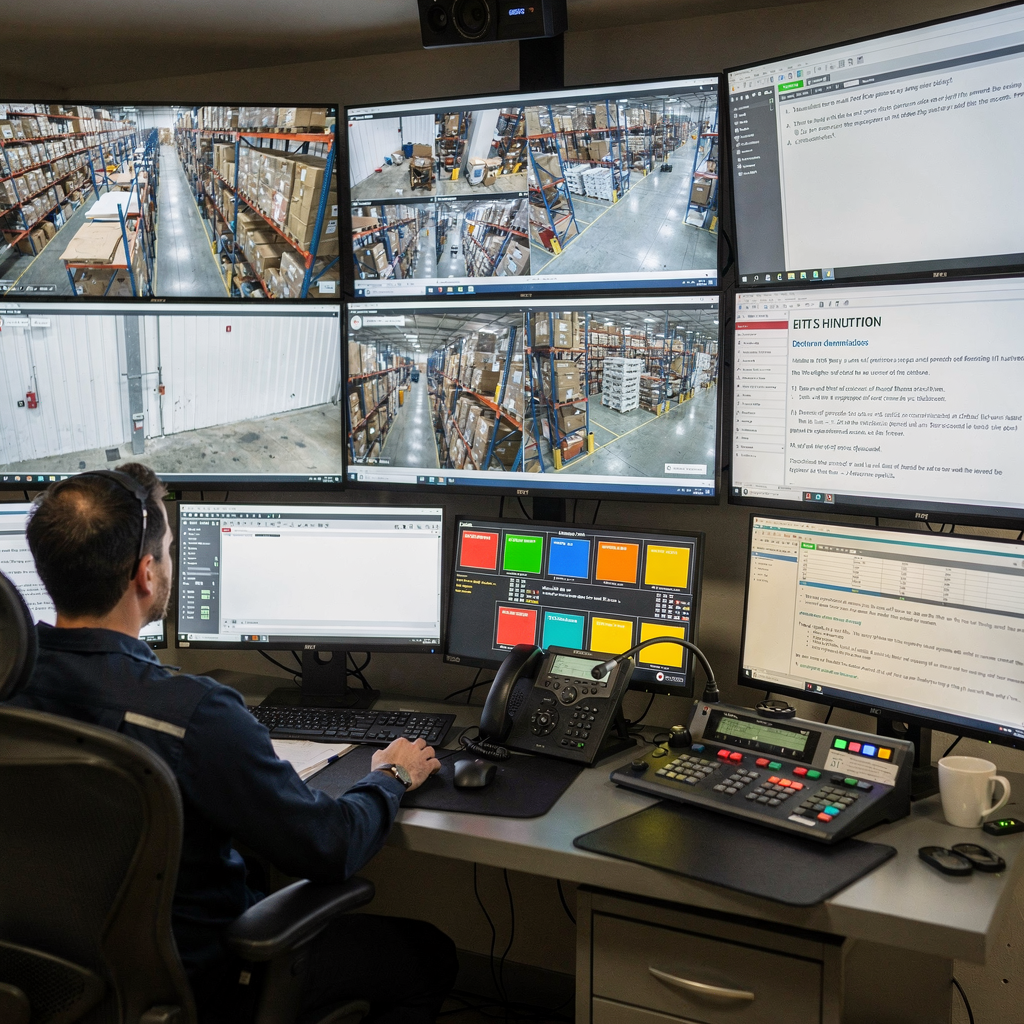
Moreover, linking incident reporting to service management reduces mean time to resolve routine issues. The platform ensures connections between incidents and service tasks are visible. Additionally, auditors can trace actions taken through audit trails and incident logs. In regulated environments that follow osha and hipaa guidelines, auditable records matter. Also, organisations concerned about gdpr can keep processing on-premises to limit data flows. Finally, this integration supports root cause analysis and helps prevent future incidents.
AI vision within minutes?
With our no-code platform you can just focus on your data, we’ll do the rest
real-time alert and incident response dashboard
First, a real-time dashboard surfaces critical alerts for immediate attention. Then, operators receive compact cards that explain what was detected, where, and why it matters. The dashboard also shows related cameras and historical clips. For security teams, this visibility means threats get noticed and validated quickly. In cybersecurity contexts, automated alert systems can deliver a 50% faster detection time. That speed reduces the window for compromise and containment.
Next, dashboards support rapid triage. Operators view prioritised events based on risk, connections between incidents, and impact on operations. They can then escalate or resolve incidents from the same screen. For example, an alert that matches a known breach pattern can trigger an escalation rule. The SOC gets notified, and the incident moves into a coordinated incident response workflow. This reduces manual handoffs and speeds response time.
Also, visual triage helps allocate resources. A colour-coded map or timeline shows clusters of alerts. Consequently, supervisors assign field teams to hotspots and keep stakeholders informed. The dashboard also shows diagnostics and suggested next steps. Visionplatform.ai adds context by explaining why a detection is credible and whether access control or VMS confirms it. Thus, operators can escalate with confidence and reduce false positives.
Finally, the dashboard connects to playbooks. A trigger can launch a predefined template that lists actions taken and communications required. This ensures each escalation follows policy and remains auditable. For smaller events, the system can close minor issues automatically, while higher-risk incidents require human sign-off. In short, dashboards make it easier to manage incidents and reduce the financial impact of downtime.
audit and service management with incident management platform
First, an incident management platform records every action automatically. Then, audit trails capture who did what and when. These audit trails make post-incident review efficient. They also support compliance by providing searchable logs for auditors. In regulated sectors, auditable incident logs are essential for demonstrating adherence to rules. The platform keeps historical data so teams can run data-driven reviews and perform root cause analysis.
Next, the incident record links to service management and maintenance workflows. A reported hardware fault becomes a service ticket. The platform then tracks repair, parts, and downtime. This connection reduces bottlenecks and clarifies responsibilities. Also, the incident management platform can push updates to stakeholders and external vendors. Therefore, the business knows when systems will be back online and can plan around downtime.
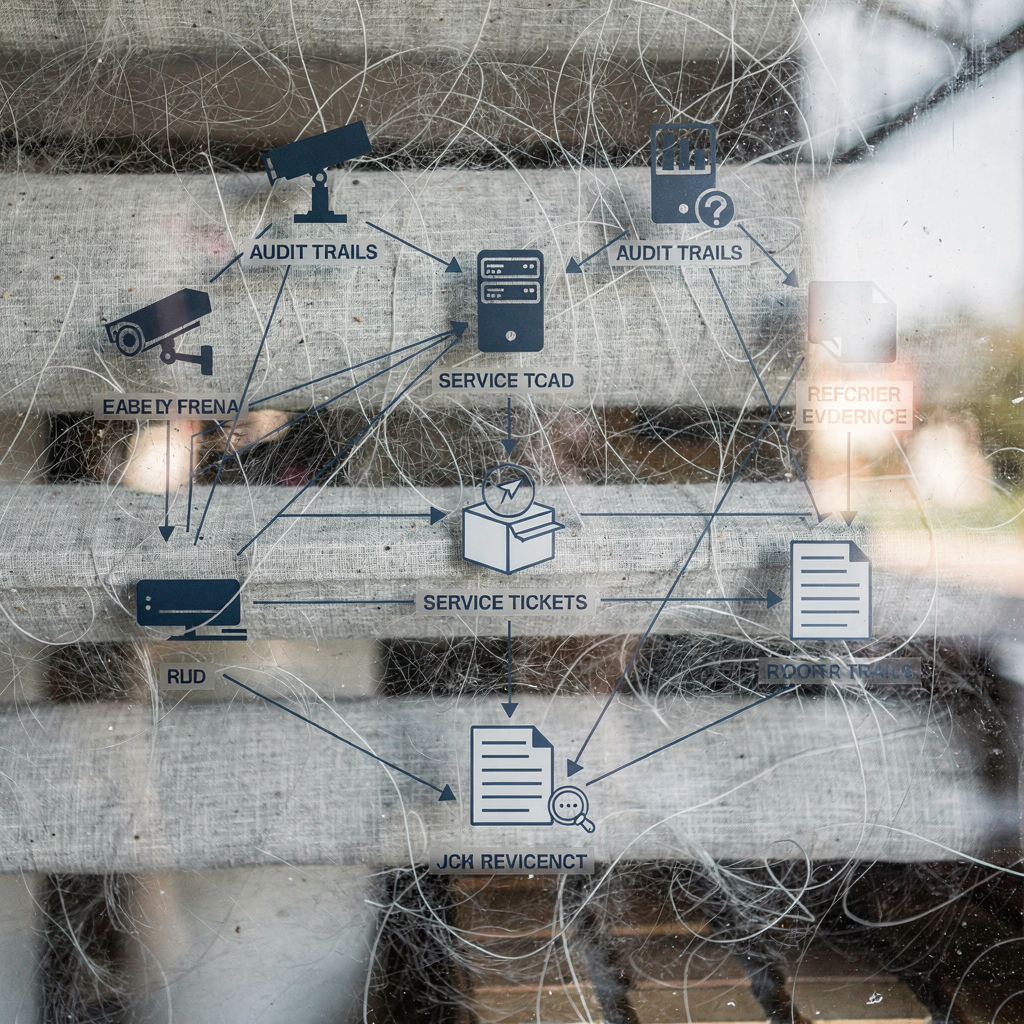
Also, incident logs become a source of measurable improvement. Teams can track mean time to recovery, count repeat events, and measure the financial impact of incidents. The platform therefore supports continuous improvement by exposing trends. For example, connections between incidents can reveal a recurring configuration that causes several minor issues. Addressing that root cause stops future incidents and reduces manual effort.
Finally, the platform enforces role-based access and keeps records auditable for compliance. It integrates with management tools and service management systems to provide a single place for review. In addition, it supports post-incident reviews and forensic search. For an example of how video search supports investigations, see forensic search in airports. Overall, linking audit and service management creates a reliable loop from detection and response to repair and learning.
AI vision within minutes?
With our no-code platform you can just focus on your data, we’ll do the rest
best practices to streamline triage and resolve incidents
First, implement clear filters to reduce false positives. For example, set thresholds that avoid triggering on routine movements. Next, combine multiple signals so the system triggers only on corroborated events. This helps simplify operator workload and reduce alert fatigue. Also, define which types of incidents require human review and which can be handled automatically.
Second, standardise response playbooks. Use a template for common events so teams follow consistent steps. This drives down mean time to resolve and ensures actions taken are recorded. In many organisations, standardisation produced a 40% reduction in incident resolution time. Therefore, playbooks save time and make outcomes measurable.
Third, automate workflows where safe. Automate ticket creation for low-risk faults and trigger notifications for critical breaches. This approach eliminates manual steps and speeds escalation. Additionally, use role-based access to control who can authorize sensitive actions. For compliance, ensure all automated actions are auditable and tied to policies that reflect osha, hipaa, and gdpr requirements.
Fourth, invest in diagnostics and searchable history. Operators should quickly find past incidents and see what worked. A searchable video archive helps validate events and supports root cause analysis. Visionplatform.ai provides forensic search that makes video searchable in plain language. Finally, measure outcomes. Track response time, downtime, and the financial impact of incidents. Use those metrics to optimize staffing, refine filters, and prevent future breaches.
faqs: optimize proactive incident processes using management platforms and incident management software
First, these faqs answer common questions about tools and scaling. They also provide actionable guidance for teams starting their journey.
What is the difference between incident management software and an incident management platform?
An incident management software package often focuses on ticketing and logging. By contrast, an incident management platform integrates detection, triage, and service management. A platform tends to be more customizable and supports integrations with SOC tools and VMS systems.
How do I choose incident management solutions for my control room?
Choose a solution that supports your cameras and VMS and keeps data on-prem if required. Also, evaluate how easily it can integrate with existing management tools and service management workflows. Look for searchable video and clear audit trails.
Can AI-driven analytics optimize proactive incident detection?
Yes. AI-driven analytics can detect subtle patterns and reduce false positives. However, the best deployments combine AI with human-in-the-loop verification to balance accuracy and risk.
How do I scale a proactive incident program across departments?
Start with standard templates and shared playbooks. Then, roll out integrations with service management and management systems. Use a phased approach and collect measurable metrics to guide expansion.
How do platforms help prevent future incidents?
They record actions taken and expose connections between incidents. This historical data supports root cause analysis and continuous improvement programs that prevent future incidents.
What is required to keep records auditable for compliance?
Ensure incident logs include timestamps, user IDs, and actions taken. Also, maintain searchable archives and clear audit trails so reviewers can verify decisions and outcomes.
How do I reduce manual effort without increasing risk?
Automate workflows for low-risk tasks and require approvals for sensitive steps. Keep role-based access controls in place and review rules regularly to avoid errors.
Does visionplatform.ai support forensic search and customizable workflows?
Yes. visionplatform.ai offers searchable video, reasoning agents, and customizable actions that can pre-fill reports and trigger service tickets. See the people detection use case at people detection in airports for an example.
How do I protect privacy while using video analytics?
Keep processing on-prem and limit data flows. Use anonymisation where possible and apply role-based access to prevent unnecessary exposure. Also, align configurations with gdpr and local privacy rules.
What metrics should I track to show improvement?
Track mean time to detection, mean time to resolve, downtime, and the financial impact of incidents. These metrics help teams optimize response and prove the value of investments.