ai and video intelligence: fundamentals of intelligent video
AI and video intelligence combine to create a new layer of operational visibility for businesses. In Operational Intelligence, AI ingests video streams and converts them into structured data. Then, teams gain operational insights that let them act faster. AI models run on video systems to identify objects, track movement, and generate metadata. This shifts cameras from passive recorders into active data sources. For organizations that want to optimize operations, intelligent video provides the continuous context needed for better decisions.
Intelligent video differs from traditional video surveillance in how it processes information. Traditional video surveillance stores footage and relies on human review. Intelligent video adds computer vision and machine learning to extract patterns automatically. As a result, organizations can detect anomalies, predict failures, and allocate resources more effectively. For example, AI detects a machine fault pattern before it causes downtime, so maintenance teams can intervene proactively. This use of real-time analytics is central to operational efficiency and helps reduce unplanned stops.
Real-time features make intelligent video especially powerful. Systems deliver real-time alerts and streamlined notifications that let security teams and operations teams respond faster. In addition, AI-powered video analytics can transform video data into actionable intelligence. They do so by combining event detection, contextual metadata, and correlation with other data sources. Honeywell puts this plainly: “Operational Intelligence gives real-time insights, predictive analytics, and intelligent automation across your enterprise, empowering IT and operational professionals to make faster, smarter decisions” (Honeywell).
In practice, intelligent video technology supports both live and recorded review. It reduces false alarms by verifying events against contextual signals. For control rooms, this means fewer distractions and more meaningful alarms. visionplatform.ai, for example, turns existing security cameras into AI-assisted operational systems that explain what happened and why it matters. This approach moves beyond security and helps teams search footage and reason over incidents with a Vision Language Model. The result is video feeds that deliver business insights, not just alerts.
use cases and analytics: real-world video analysis for operational intelligence
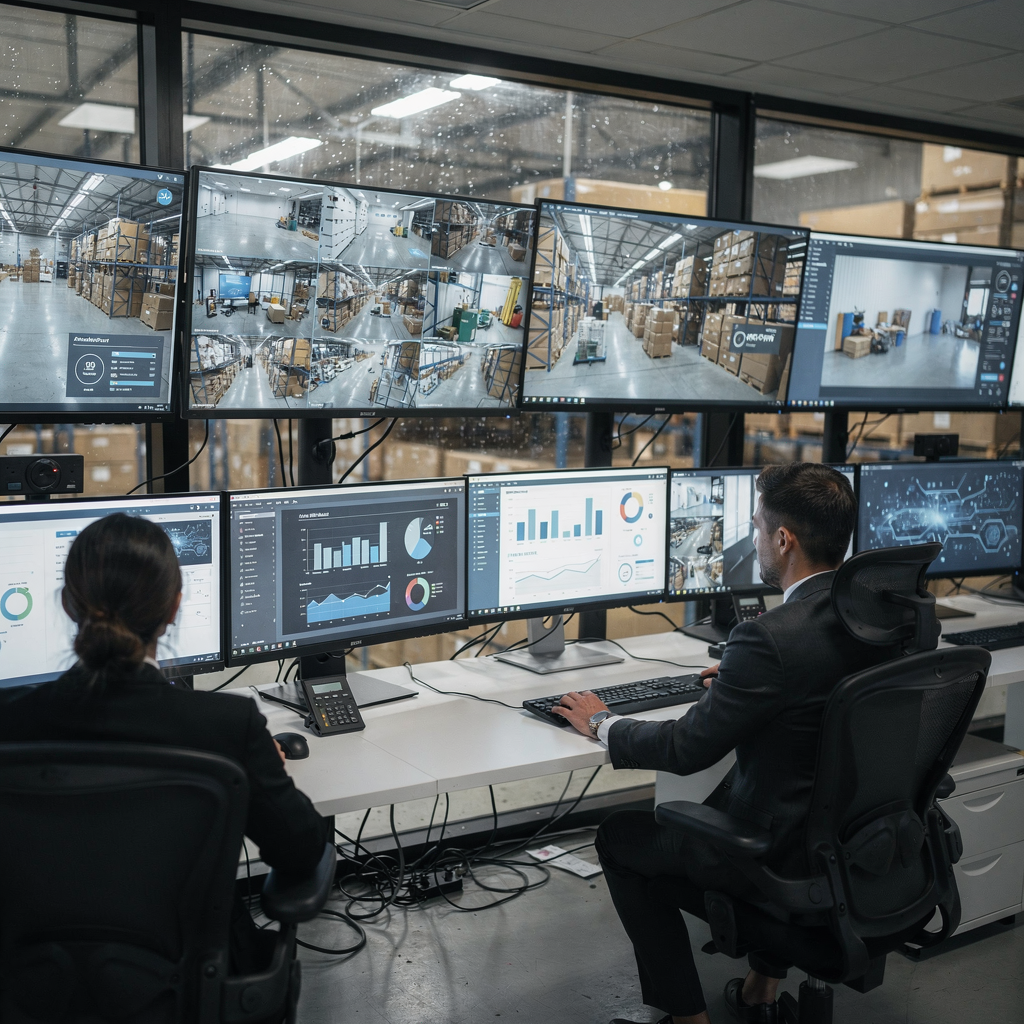
Video analytics unlocks many use cases across security, manufacturing, and retail. In security, AI systems monitor perimeters, identify license plates, and detect loitering and intrusion. For airports, specialized models perform ANPR/LPR and people detection, improving screening and flow; see practical examples in ANPR and people detection pages such as the one covering license plate recognition and people detection. In manufacturing, AI watches equipment for early signs of failure. Then predictive maintenance teams act before machines stop. In retail, video analysis measures customer journeys, optimizes layouts, and improves staffing based on heatmap occupancy analytics.
Video analytics techniques vary. They include object detection, tracking, pose estimation, and behavior analysis. These techniques feed into anomaly detection models that spot unusual motions, unexpected objects, or patterns that deviate from normal operations. For example, combining computer vision with sensor data helps a system identify objects left behind and then flag them for a security review. Such detection reduces risk while saving time for security teams.
Analytics also power forecasting. By applying machine learning to historical video streams and event logs, systems forecast peak times and maintenance windows. This supports inventory planning and reduces congestion. Reportedly, companies using Operational Intelligence have seen up to a 30% increase in operational efficiency and a 25% reduction in downtime, which underlines the business impact of integrated video and analytics.
False alarms drop when video AI correlates multiple signals. For instance, a detected motion near a gate, confirmed by access control logs and a visual confirmation, creates higher-confidence alerts. This approach improves incident response and reduces repetitive manual checks. Also, visionplatform.ai’s VP Agent Reasoning demonstrates how correlating VMS data with video content speeds verification and lowers false alarms. These improvements streamline workflows, letting teams focus on verified incidents and strategic tasks.
AI vision within minutes?
With our no-code platform you can just focus on your data, we’ll do the rest
video analytics and video ai: transforming video into actionable insights
Video AI automates threat detection and response by converting raw footage into structured events. It does so using ai algorithms and ai systems that identify objects, read behaviors, and classify scenes. Then, operators receive actionable intelligence that helps them decide. The system may create an incident report automatically, recommend steps, or trigger a workflow. This capability moves organizations from reactive to proactive operations.
Transform video into alerts, reports, and automated workflows by combining AI with VMS integrations. VP Agent Actions, for example, can create pre-filled incident reports and notify teams, which speeds documentation and handoffs. When video content links to access control or inventory systems, the agent can assess credibility and propose a response. This reduces the time from detection to action and helps teams respond faster to real-world events.
Predictive maintenance offers a clear example. Video systems monitor equipment for visual cues such as leaks, overheating indicators, or misaligned parts. AI flags anomalies and schedules checks before failures escalate. Likewise, crowd management relies on video analysis to detect density trends and prevent bottlenecks. For airports, features like crowd detection density and forensic search support both safety and passenger experience; see the platform’s forensic capabilities at forensic search.
AI-powered video analytics also reduces workload by prioritizing high-risk events. The output becomes structured data that analysts and ai agents can query. This makes video a searchable data source rather than an archive of hours. In turn, organizations get better roi through fewer incidents, reduced downtime, and lower investigation time. Using video as structured data drives more efficient business operations while keeping recorded video accessible for audit and compliance.
video intelligence software and dashboard: centralising insights and ROI measurement
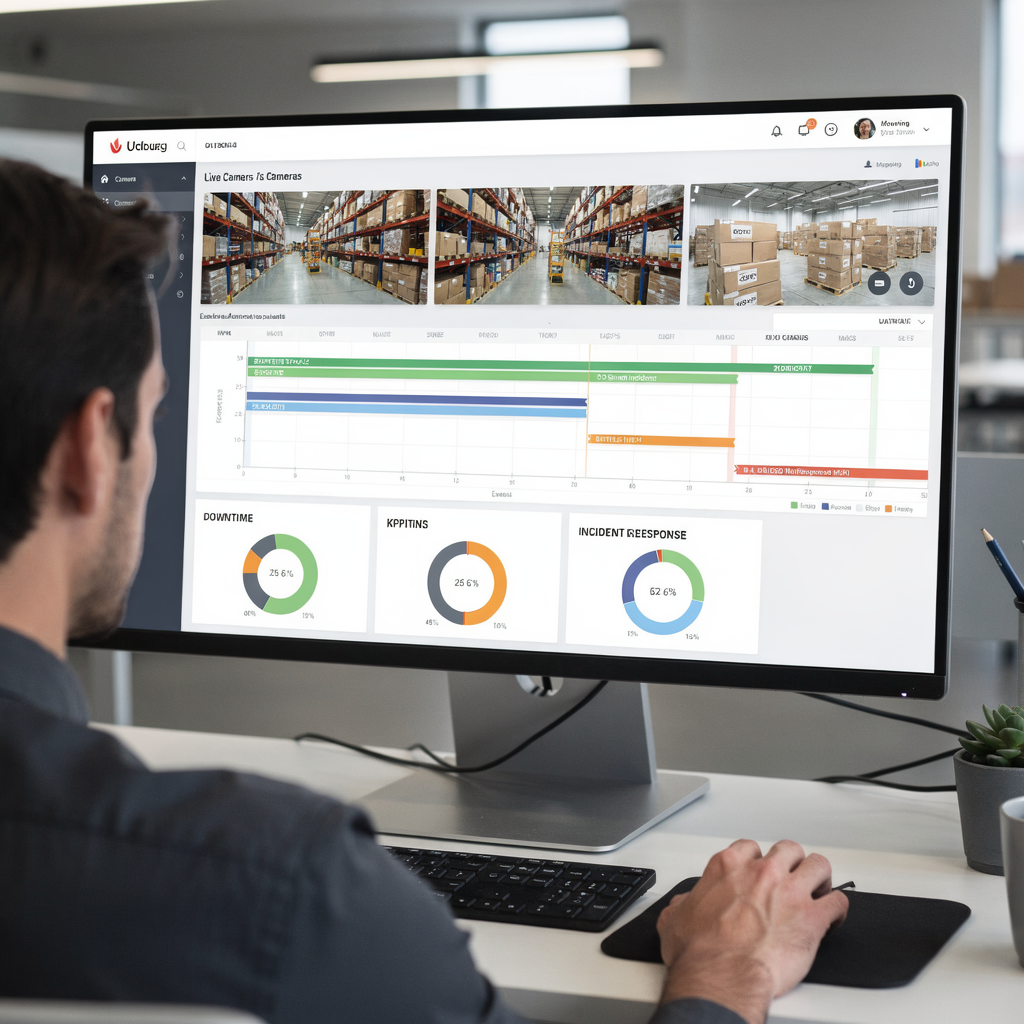
Video intelligence software centralizes multiple sources into a single dashboard for fast decisions. A unified dashboard pulls in video feeds, event metadata, and alerts. Then, teams can filter by location, object type, or time window. This consolidation delivers transparency and speeds incident triage. It also helps managers measure ROI by tracking incident resolution times, downtime reductions, and resource allocation.
Leading platforms vary by features. Some provide on-prem Vision Language Models for natural language search, while others offer cloud-based analytics and long-term storage. visionplatform.ai emphasizes an on-prem approach that keeps personal data local and supports EU AI Act–aligned architecture. This design reduces cloud dependency, lowers risk, and provides audit trails. For organizations that need a hybrid model, deployment models include both edge devices and on-prem servers, which balance latency and scale.
Dashboards support operational intelligence by visualizing KPIs such as mean time to verify, incident counts, and time saved per alarm. They also let teams allocate resources more effectively. For example, a dashboard might show that 20% of alerts originate from one camera layout, prompting a layout change. In manufacturing, a consolidated view can show production interruptions tied to visual anomalies and help optimize operations.
Quantifying roi becomes straightforward when video intelligence software links detections to outcomes. Companies report up to a 20% improvement in production throughput and 15% lower inventory holding costs when they leverage real-time video data and analytics (Layers, Honeywell implementation note). Dashboards also reduce time-to-action, enabling faster response and fewer escalations. By converting footage and analytics into business insights, teams demonstrate clear value to stakeholders.
AI vision within minutes?
With our no-code platform you can just focus on your data, we’ll do the rest
deployment of intelligent video solutions: best practices and scaling
Successful deployment demands both technical planning and organisational alignment. First, define objectives and establish KPIs that match business operations. Then choose deployment models that fit constraints. Edge devices reduce latency and network bandwidth use, while cloud-based analytics offer elastic scale. For sites with strict compliance needs, on-prem deployment prevents video data from leaving the environment, which supports GDPR and EU AI Act requirements.
Next, ensure network and hardware readiness. IP cameras and edge devices must meet throughput needs for multiple video streams. Plan for storage and retention of recorded video, and include annotation and metadata standards so ai analytics can index events. Also, test ai models against site-specific layouts. Off-the-shelf models often need retraining to reduce false alarms and fit the local conditions. visionplatform.ai supports custom model workflows so teams can use pre-trained models or improve them with their own data.
Organisational steps matter as much as technical ones. Train operators on new workflows and the dashboard layout. Use human-in-the-loop trials before enabling automated response. Create governance for ai agents and set clear escalation rules. This approach helps balance autonomy and oversight as systems scale from pilot to enterprise roll-out. For critical infrastructure, integrate video systems with access control and incident management so responses remain consistent.
Finally, monitor performance and adapt. Track metrics such as mean time to verify, incident validation rate, and resource utilization. Use those metrics to iterate on model thresholds and camera placement. By following these steps, teams can scale intelligent video solutions with predictable outcomes. The right deployment reduces operator load, streamlines investigations, and helps organizations become future-proof.
latest in video: emerging trends and future directions
The latest in video shows rapid advances in deep-learning and multimodal AI. New AI models include Vision Language Models that explain scenes in natural language. As a result, operators can search video content with simple text queries and receive structured summaries. This trend makes footage and analytics far more accessible. It also unlocks advanced forensic capabilities that let teams find incidents without knowing camera IDs or timestamps.
Deep-learning enhancements improve detection accuracy and identify objects even in crowded scenes. For smart cities, these models support traffic management, license plate recognition, and public-safety monitoring. 5G and IoT will further increase the volume and speed of video streams, enabling higher-resolution real-time analytics at the edge. Meanwhile, advances in 3D analytics and behavioral recognition let systems identify subtle shifts in posture or equipment alignment, which drive predictive maintenance and safety compliance.
Regulation will shape how solutions evolve. GDPR and the EU AI Act emphasize data protection and model transparency. Companies will therefore prefer architectures that keep personal data local and provide auditable decision trails. On the commercial side, ai-powered video continues to expand beyond security into operations, retail analytics, and manufacturing intelligence. The future of video will include more AI agents that assist operators, verify alarms, and even act autonomously under strict policies.
Finally, the market will see more integration between video and other data sources. When video combines with sensors and enterprise systems, organizations gain actionable insights that optimize operations and streamline decision-making. As new AI technology arrives, teams should plan for interoperability, maintainability, and continuous model evaluation. Those who do will position themselves to leverage intelligent video solutions across business operations and remain competitive.
FAQ
What is AI video analytics and how does it differ from traditional video surveillance?
AI video analytics uses artificial intelligence to analyze video streams automatically and extract structured information. Traditional video surveillance typically records footage for later human review, while AI systems detect events, identify objects, and trigger alerts in real time.
How does video intelligence improve operational efficiency?
Video intelligence turns video data into structured metadata and KPIs that teams can act on. By reducing false alarms and enabling predictive maintenance, it helps organizations reduce downtime and allocate resources more effectively.
Can intelligent video run on existing cameras and VMS platforms?
Yes. Many solutions, including visionplatform.ai, integrate with common VMS and IP cameras and can stream events to dashboards or agents. This lets organizations leverage existing video systems without replacing infrastructure.
What deployment options exist for intelligent video solutions?
Deployments include edge devices, on-prem servers, and cloud-based analytics. Edge reduces latency and network bandwidth, while cloud options offer scalable processing. Choosing the right model depends on compliance, network capacity, and scale.
How do AI agents help in a control room?
AI agents verify alarms, correlate video with other data sources, and recommend or execute responses. They reduce operator cognitive load and speed decision-making while maintaining configurable oversight and audit logs.
Are there measurable ROI benefits from deploying AI-powered video analytics?
Yes. Reports show significant efficiency gains, such as a 30% increase in operational efficiency and reductions in downtime. These improvements come from faster anomaly detection, fewer false alarms, and optimized workflows (source, source).
How does video AI support compliance with GDPR and EU rules?
By keeping processing on-prem and controlling data flows, organizations can reduce privacy risks. Architectures that provide auditable logs and customer-controlled datasets help meet GDPR and EU AI Act requirements.
What are common use cases for video analysis beyond security?
Use cases include predictive maintenance in manufacturing, customer flow optimization in retail, crowd detection in airports, and operational monitoring in critical infrastructure. These applications provide business insights that improve operations.
How do we reduce false alarms with video analytics?
Reduce false alarms by correlating video detections with other systems, tuning models to site conditions, and using agents to verify events before escalation. This approach increases validation rates and saves operator time.
Can intelligent video scale from pilot to enterprise?
Yes. Begin with a targeted pilot, measure KPIs, and iterate on models and camera placement. Then scale by standardizing deployment models, improving network capacity, and automating workflows for repeatable outcomes.