The Rise of Agentic AI in the Control Room
The term agentic AI describes systems that act autonomously, plan over time, and adapt to changing conditions. Also, agentic AI combines reasoning, perception, and action in one loop. Next, it behaves differently from scripted automation. For example, a traditional control system follows fixed rules and triggers. In contrast, an AI agent can prioritise tasks, learn from feedback, and suggest corrective actions. Thus, the control room moves from reactive alarm handling to proactive operations.
Control room environments benefit when a proactive digital partner sits beside human control room operators. Also, this partner monitors cameras, VMS feeds, access logs, and OT telemetry. Then, it explains what matters and why. Therefore, operators gain context rather than raw detections. This reduces investigation time and the cognitive burden on staff.
Agentic AI in the control room is more than a buzzword. For sales and operations leaders, AI agents transform pipelines and resource planning; for security and production teams, they convert endless alerts into verified incidents. Relevance AI notes that VP of Sales AI Agents “analyze pipeline data, provide real-time insights, and handle complex forecasting to help sales leaders focus on strategic growth” Relevance AI. Also, enterprise AI budgets are rising rapidly: a PwC survey found that 88% of senior executives plan to increase AI-related budgets within the next 12 months PwC. Therefore, investment signals a shift from point tools to agentic platforms.
Control room automation remains useful, but agentic behaviour is different. Also, agentic systems perform context-aware verification rather than just flagging motion. Next, they learn site-specific patterns and reduce false positives. In our work at visionplatform.ai we focus on this evolution. Our platform turns cameras and VMS systems into AI-assisted operational systems that provide contextual verification, searchable history, and guided actions. Finally, the result is a control room that supports faster, clearer, and more consistent decision-making.
How an AI Agent Enables Automation and Workflow Efficiency
An AI agent brings several core capabilities to sales and operations teams. Also, it performs real-time analysis, correlates multiple data sources, and issues recommendations. Next, it automates routine tasks like report generation and scheduling. Thus, leaders can focus on strategy instead of administration. In practice, this reduces time spent on routine tasks by an average that vendors report; companies have seen up to a 15% reduction in administrative time for leadership teams Relevance AI. Therefore, the ROI can be rapid.
AI-powered agents ingest CRM records, VMS events, and external feeds. Also, they run anomaly detection and flag trends that warrant attention. Then, they can pre-fill incident reports, summarise evidence, and queue next steps. At visionplatform.ai the VP Agent Suite supports these flows. For example, VP Agent Search lets operators perform forensic search across recorded video with natural language queries, yielding fast, relevant results and clear context forensic search in airports. Next, VP Agent Reasoning verifies alarms by correlating video, access control, and procedures to explain what happened. As a result, operators spend less time chasing noise and more time making informed choices.
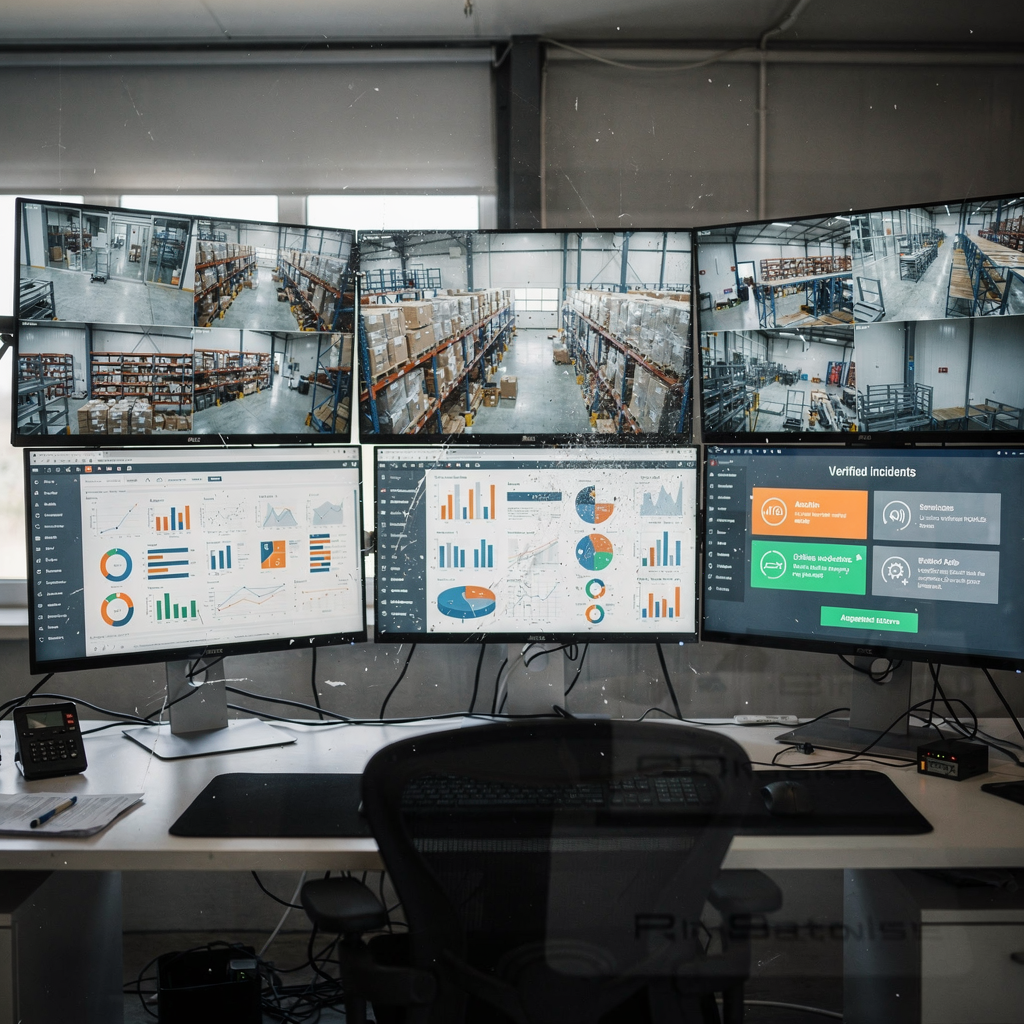
Also, automation of routine tasks frees leaders quickly. For example, AI agents can close false alarms with justification, notify required teams, and trigger workflows in connected tools. Then, human-in-the-loop options allow supervision and exception handling. Thus, the balance between autonomy and oversight remains controlled. In addition, the platform supports role-based access and audit trails so that each action is logged and verifiable.
Next, AI-assisted workflows improve throughput and reduce errors. Also, by combining a vision language model with VMS events, the agent converts video into human-readable descriptions. Therefore, operators search video the same way they describe it. This reduces investigation time and operational cost. Finally, in live production, the agent can suggest corrective actions, escalate when needed, and keep humans informed at every step.
AI vision within minutes?
With our no-code platform you can just focus on your data, we’ll do the rest
Seamless Integration for Full Control of Operations
Seamless integration is essential for any modern control room deployment. Also, AI must connect to CRMs, SCADA, VMS, and access control systems without adding risk. Next, a clear plan for integration reduces downtime and costly configuration loops. At visionplatform.ai we expose VMS events as real-time data sources for AI agents, which simplifies integration with existing operator tools and dashboards.
Begin with a phased approach. First, map current systems and data flows. Then, prioritise low-risk, high-value connectors like VMS event streams, access logs, and key camera feeds. Next, use standard interfaces such as ONVIF, RTSP, MQTT, and webhooks to minimise custom work. Also, where legacy systems lack APIs, agents can consume exported logs or use lightweight adapters. This preserves continuity and avoids risky rip-and-replace moves.
Full control of operations requires transparency. Therefore, deploy operator dashboards that show what the AI agent sees and why it recommends actions. Also, include verification screens for sensitive responses and role-based access for escalation. For example, VP Agent Actions can pre-fill incident reports and place them in a human review queue. In addition, audit trails capture each step, creating forensic evidence if needed. This supports compliance and regulatory review.
Next, plan deployment carefully. Start with pilot sites, then expand with repeatable templates. Also, scale with the same VMS connectors and model workflows to keep consistency. visionplatform.ai supports on-prem Vision Language Model options to keep video and reasoning within the organisation for security and EU AI Act alignment. This reduces cloud dependency and helps teams retain full control while they deploy AI at scale. Finally, transparent logs and role-based permissions ensure that final actions remain auditable and reviewable.
AI-Powered Decision-Making and Predictive Maintenance
AI-powered analytics deliver actionable insights on demand. Also, by correlating sensor, video, and workflow data, an AI agent turns observations into informed decisions. Next, the agent surfaces trends and forecast outcomes. For instance, advanced forecasting improves resource planning and reduces downtime. Relevance AI highlights forecasting and pipeline analysis as key uses where AI agents help leaders focus on strategy Relevance AI.
Predictive maintenance is a clear use case in control room operations. Also, AI models process telemetry and camera-based indicators to detect wear and emergent faults. Then, the agent notifies the right teams and suggests corrective actions. Thus, organisations can reduce unplanned outages and extend asset life. This lowers operational cost and increases availability for production control.
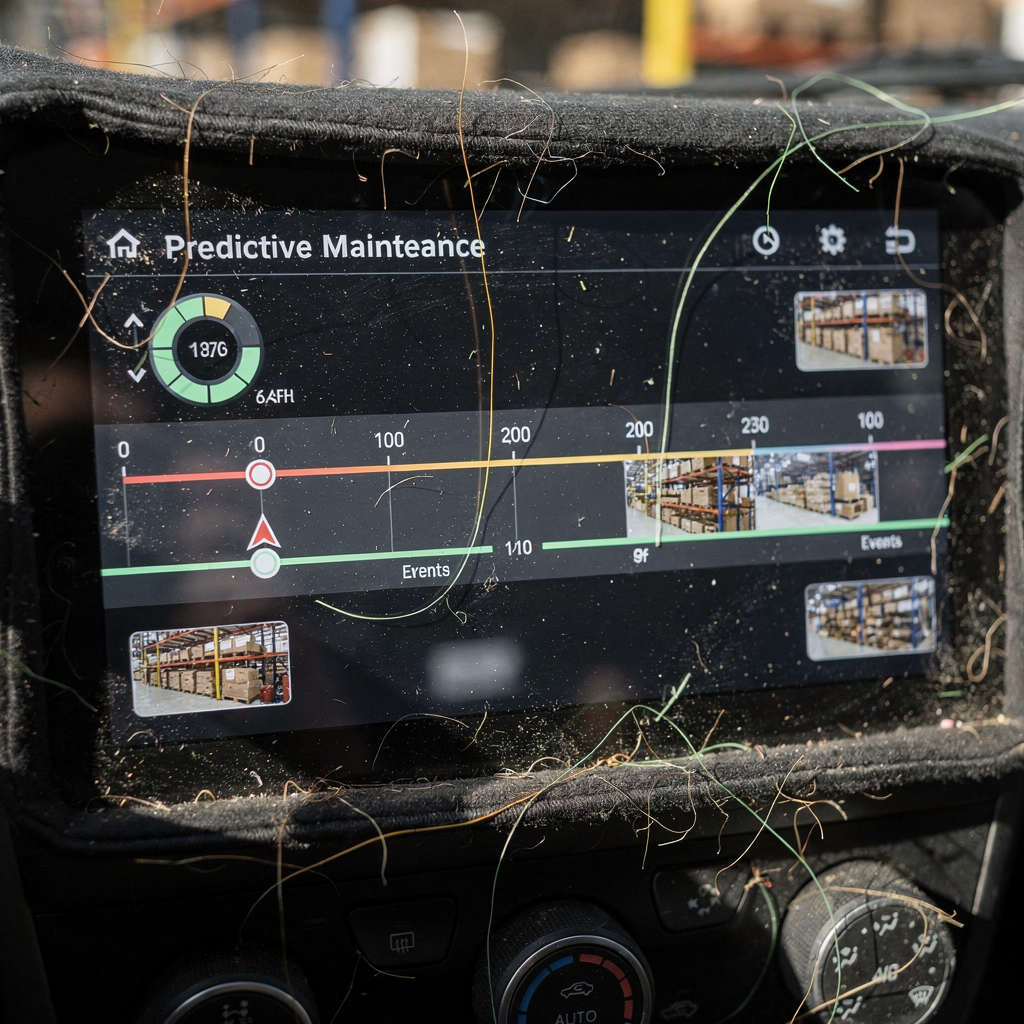
Also, real-time fusion of video and access data supports fast decisions. For example, a detected anomaly in a high-value area paired with an unexpected access event is prioritised higher than a lone detection. AI agents verify incidents by cross-checking VMS feeds, access logs, and procedures to present a clear picture. Salesforce emphasises that “Agents need reliable access to accurate data sources, including databases and APIs, to understand meaning and find related insights that drive business outcomes” Salesforce. Therefore, data quality and connectivity are critical.
Next, the agent can propose mitigation steps and automate low-risk fixes. Also, when situations require human judgement, the agent raises a clear case file with video clips and correlated evidence. This reduces investigation time and supports forensic search across recorded footage, such as searches relevant to airport operations forensic search in airports. Finally, verified insights lead to faster, safer, and more economical operations.
AI vision within minutes?
With our no-code platform you can just focus on your data, we’ll do the rest
Access Control and Alarm Management with AI Control Room Agents
Access control and alarm handling are central to secure operations. Also, an AI agent can manage access control events, verify identity anomalies, and escalate when patterns match policy thresholds. Next, integration with access logs and video ensures that approvals and denials are backed by evidence. For example, correlating a door unlock with nearby camera activity reduces false alerts and speeds response.
Intelligent alarm detection and prioritisation are core features. Also, AI agents apply contextual rules and anomaly detection to decide which alarms must escalate. Then, the agent notifies the right teams and offers corrective actions. visionplatform.ai presents verified incidents with explanations so operators see why an alarm matters and what to do next. In addition, agents can pre-fill incident reports and attach relevant video clips for efficient handover.
Regulatory review and compliance benefit from clear audit trails. Also, role-based access and secure logs ensure that every step is recorded. Next, forensic search across video and access logs helps investigators validate what happened. For live production environments such as airports, this reduces investigation time and improves response quality. See specific solutions for unauthorised access detection and people detection in airports unauthorized access detection in airports and people detection in airports.
Also, continuous monitoring lowers operational risk. AI agents verify alarms and reduce false positives by combining multiple signals. Then, when escalation is needed, notifications follow role-based rules and include evidence. Finally, audit-ready records and optional forensic exports support internal audit and external review. In short, AI-assisted alarm management yields safer, more compliant, and more efficient control room operations.
The Future of Enterprise AI: From Automate to Autonomous Operator
Enterprise AI is evolving from simple automation to autonomous operators that act with guarded authority. Also, the VP Agent concept illustrates this shift. Next, early deployments focus on augmenting human control room operators. Then, agents progressively take on low-risk tasks with configurable autonomy. visionplatform.ai plans VP Agent Auto to extend actions into controlled autonomous operation for routine incidents, while retaining human oversight and audit trails.
Scaling enterprise AI requires repeatable patterns. Also, templates for connectors, model workflows, and escalation rules help replicate successes across sites. Next, organisations should plan for governance, verification, and ongoing model maintenance. In addition, an on-prem Vision Language Model helps keep sensitive video processing inside the organisation, which simplifies compliance with the EU AI Act and local regulatory review. This architecture supports secure, auditable AI deployments while enabling real-time reasoning at the edge.
Best practices include clear policies for AI agents verify and explain their actions, regular audits of corrective actions, and maintaining humans in the loop for high-risk decisions. Also, invest in transparent dashboards and role-based training. Next, monitor false positives and tune models using real site data. Finally, adopt a phased deployment strategy to demonstrate value and build trust.
Enterprise strategies that scale AI will combine AI models, seamless integration, and operator-centred design. Also, the shift to an autonomous operator reduces time spent on routine tasks and enables control rooms to manage far greater monitoring volumes. visionplatform.ai focuses on keeping video, models, and reasoning within the customer environment, so organisations retain full control while they scale. Thus, the future points to AI-driven control rooms that augment human skill, secure operations, and drive efficient outcomes.
FAQ
What is a VP Agent and how does it relate to control room operations?
A VP Agent is an AI agent designed to function like a control room operator at executive or operational levels. It synthesises video, access logs, and system data to verify incidents, recommend corrective actions, and automate routine workflows.
How does agentic AI differ from traditional automation?
Agentic AI plans, adapts, and reasons over time while traditional automation follows fixed rules. Agentic systems learn from feedback and can prioritise and escalate events based on context and policy.
Can AI control room agents integrate with legacy VMS and access control systems?
Yes. Integration uses standard interfaces such as ONVIF, RTSP, MQTT, and webhooks, and can connect to legacy systems via adapters. This enables seamless integration without large rip-and-replace projects.
How does AI improve alarm management and reduce false positives?
AI correlates multiple data sources and applies contextual verification to alarms. By cross-checking video, access logs, and procedures, the agent reduces false positives and presents verified incidents to operators.
Is it possible to keep video and AI reasoning on-prem for compliance?
Yes. On-prem Vision Language Model deployments and local processing let organisations keep video and reasoning within their environment, which helps with EU AI Act alignment and regulatory review.
What role do humans play when AI agents are deployed?
Humans remain essential for supervision, exception handling, and decisions that carry high risk. AI agents pre-fill incident reports, suggest actions, and automate low-risk tasks while leaving final approval to authorised staff.
How quickly can organisations see benefits from deploying an AI agent?
Pilots focused on high-value connectors and routine tasks can produce measurable benefits in weeks. For example, sales and operations teams and security teams have reported reduced administrative time and improved forecast accuracy with AI assistance.
What kinds of investigations can forensic search handle?
Forensic search lets operators query recorded video and events using natural language to find incidents like loitering, vehicle movements, or unauthorised entry. This accelerates investigations and reduces search time.
How are audit trails and compliance handled with AI agents?
AI agents log actions, decisions, and evidence in auditable trails. Role-based access and secure logs support internal audits and external regulatory review, making operations transparent and defensible.
Where can I learn more about specific airport use cases like people detection or unauthorized access?
visionplatform.ai publishes detailed pages on airport solutions, including people detection, forensic search, and unauthorized access detection. For example, see pages on people detection in airports, forensic search in airports, and unauthorized access detection in airports for concrete use cases and outcomes.