ai agent and ai control room: powered by ai for enterprise ai command hubs
Also, additionally, in addition, next, then, so, therefore, thus, however, meanwhile, finally, consequently, similarly, likewise, for example, for instance.
VP Agent defines a specialised AI agent that runs in a control room environment. It is an AI agent for control room tasks and for broader control room operations. The term describes a dedicated, intelligent assistant that monitors signals, analyzes events, and suggests corrective actions. The VP Agent sits at the heart of an AI control room as a command hub. It processes video, telemetry, and business data. It reduces routine tasks so humans can focus on strategy.
VP Agent acts as a control room AI agent that ingests streams from cameras, VMS, sensors, and enterprise apps. It turns raw detections into clear context. For example, VP Agent Search uses a vision language model to let operators find incidents using natural language queries. You can see a practical description of VP Agent roles in sales and forecasting from Relevance AI that explains how these agents “analyze pipeline data, provide real-time insights, and handle complex forecasting” (Relevance AI).
visionplatform.ai builds on this approach. The platform supports on-prem vision language models and VMS integration. It turns cameras into searchable sources of understanding. The VP Agent Suite keeps video and reasoning inside the customer environment, and the VP Agent provides context, verification, and actions without sending raw footage to the cloud.
Enterprise leaders adopt this type of AI-driven control to reduce operational cost and to scale monitoring. According to PwC, 88% of senior leaders plan to increase AI budgets to support agent deployments (PwC). That trend shows why an ai agent matters for oversight and for faster, informed decisions. VP Agent reasoning and VP Agent actions are central to that shift. Humans retain supervision while the AI agent handles heavy lifting.

control room automation and predictive maintenance: seamless access control
Also, and, so, then, next, in addition, however, therefore, thus, meanwhile, finally, consequently, likewise, for example.
Control room automation is key to efficient, modern operations. The phrase describes automated sequences that monitor pipelines and trigger alerts. A VP Agent can run workflows that watch for pipeline health, flag anomalies, and escalate incidents. It can pre-fill incident reports and notify the right teams. The agent provides repeatable processes, which cut investigation time and reduce manual control.
Predictive maintenance ties closely to these workflows. By analyzing historical data and current signals, an AI agent predicts failures before they happen. This predictive maintenance approach helps schedule repairs, avoid downtime, and reduce operational cost. The agentic operator role shifts from reacting to planning. For a grid operator, this capability enables load balancing and outage prevention in real time.
Security remains crucial. Role-based access and access control protect streams and metadata. Role-based access rules restrict actions. Role-based and role-based access policies keep data private. visionplatform.ai keeps video and reasoning on-prem and supports role-based access to reduce cloud risk and to align with EU AI Act expectations. The platform supports VMS integrations and exposes structured events so AI agents verify detections using video and access logs and video without moving footage offsite. This design meets the need for secure, auditable deployments.
Automation workflows can escalate when thresholds are met. The agent may suggest corrective actions and then execute them if policies permit. That sequence reduces false positives and lowers the burden on control room operators. It also helps teams coordinate monitoring, maintenance, and security seamlessly. For an airport environment, a system that links perimeter, access, and CCTV can reduce investigation time and present verified incidents instead of raw detections. See the platform’s forensic search capabilities for searching historical video with natural language queries (forensic search).
AI vision within minutes?
With our no-code platform you can just focus on your data, we’ll do the rest
agentic ai operator: autonomous workflow and decision-making for full control
Also, furthermore, additionally, next, then, so, thus, therefore, however, meanwhile, consequently, for example, in addition.
Agentic AI defines systems that do more than assist. An agentic AI agent can act autonomously within predefined policy boundaries. The VP Agent functions as an agentic operator that executes workflows and follows escalation paths. It automates stages from detection to resolution while allowing humans in the loop for high-risk cases. This blend of autonomy and oversight lets teams retain full control.
The operator role changes significantly. Instead of running routine tasks, operators supervise exceptions and finalize escalations. The agent gathers data, runs models, and then recommends actions. The core workflow stages are clear: data gathering, analysis, action, and review. VP Agent Search helps with data gathering by enabling natural language searches across video archives. VP Agent Reasoning correlates feeds, access control logs, and procedures to verify events. VP Agent Actions can pre-fill incident reports, notify teams, or close false alarms with documented justification.
Decision-making models include probabilistic forecasting, risk scoring, and rule-based fallbacks. These models help forecast outcomes and flag high-risk cases. VP Agent reasoning adds transparency by explaining why it suggested an action. For example, AI agents verify an intrusion by matching a camera event to an access control log and to a recent maintenance ticket. The outcome is presented as a contextual, explained incident rather than a raw detection.
Human validation remains essential. Humans audit the agent’s choices, adjust thresholds, and refine policies. This governance ensures compliance and reduces the chance of unchecked autonomous actions. The approach helps organizations scale AI while maintaining supervision and exception handling. Finally, agentic AI supports efficient operations by freeing humans from repetitive work while keeping them in control of critical decisions.
ai integration and agents at scale: scaling enterprise ai for grid operator environments
Also, and, next, then, so, therefore, thus, moreover, however, finally, in addition, for example, likewise, consequently.
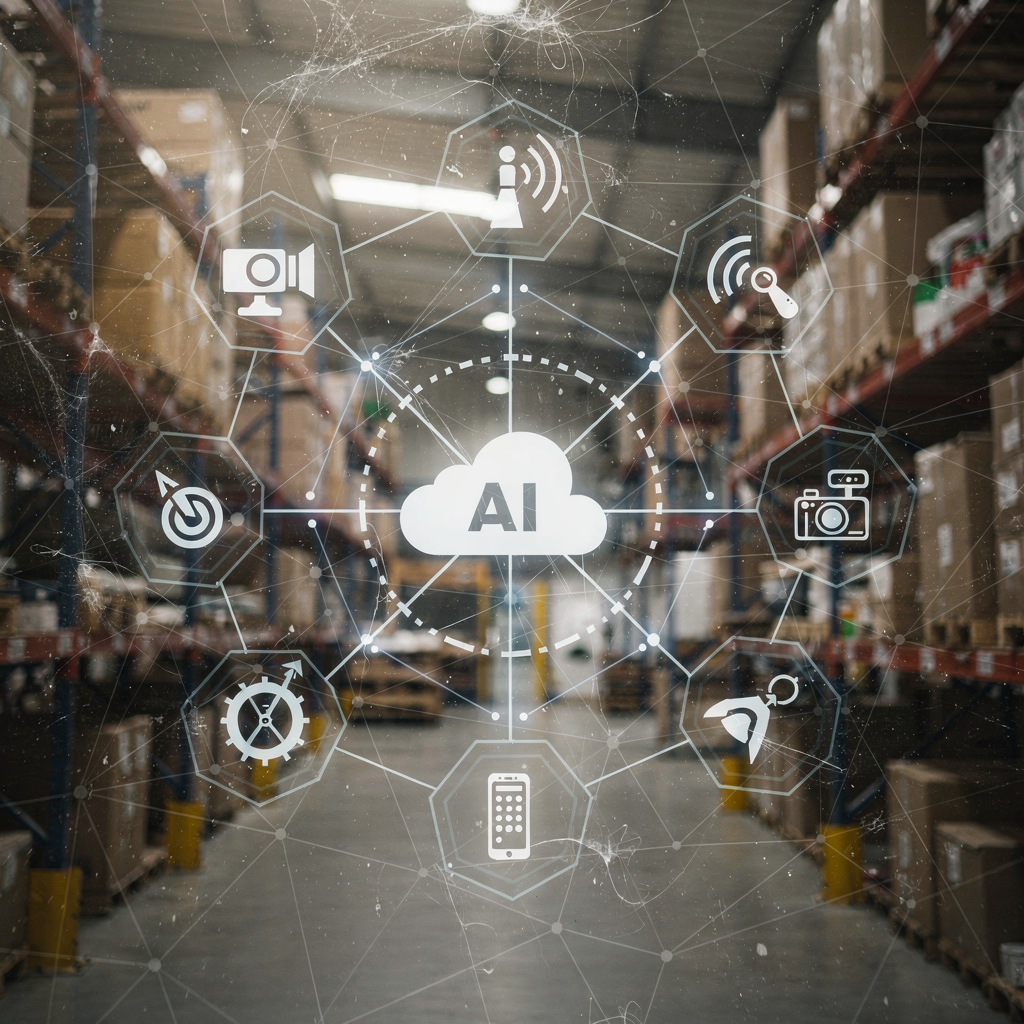
AI integration across systems unlocks agent value. VP Agent connects CRMs, ERPs, IoT sensors, SCADA, and VMS so the agent has a full picture. The platform supports MQTT, webhooks, and APIs for seamless integration. This allows AI systems to combine video and telemetry for richer situational awareness. You can deploy ai within existing infrastructure or use hybrid patterns that keep video on-prem.
Agents at scale collaborate across regions. A farm of AI agents can manage distributed control loops. They share context, hand off events, and coordinate workflows. For a grid operator, this means balancing demand and supply across substations. It also means forecasting load and preventing outages by predicting when transformers or lines may fail. VP Agent Suite enables agents to present verified incidents and to recommend corrective actions to local operators. The result is reduced operational cost and improved uptime.
Scaling requires robust infrastructure. Cloud, edge computing, and secure data pipelines all play a role. On-prem GPU servers and edge devices like NVIDIA Jetson can run an on-prem vision language model near cameras. That reduces latency and keeps footage inside the environment. Deploy AI with audit logs, role-based access, and encrypted pipes to support regulatory review and the EU AI Act. legacy systems must be part of the plan too. The platform supports VMS and SCADA integration to avoid rip-and-replace projects.
Agents at scale also need governance and monitoring. The team should track model drift, operational cost, and incident metrics. visionplatform.ai’s approach helps scale ai while keeping operators informed. The platform supports pre-fill incident reports, forensic search in airports, and other workflows to lower investigation time. Together, these capabilities make agents practical and measurable in complex operations.
AI vision within minutes?
With our no-code platform you can just focus on your data, we’ll do the rest
alarm management and anomaly detection: ai-powered insights, free consultation and reduced false positives
Also, and, so, next, then, however, therefore, thus, furthermore, consequently, for example, in addition, finally.
Traditional alarm systems use fixed thresholds that create noise. Machine-learning-based anomaly detection looks for patterns and context instead. Anomaly detection can learn normal behavior for a site and then detect deviations. This reduces false positives and helps control room operators focus on real threats. Many deployments report up to a 25% reduction in false positives and faster incident response when AI agents verify alerts (Relevance AI).
AI-powered analytics deliver contextual alerts. Instead of a raw alarm, the agent provides what was detected, what video shows, and what supporting data confirms the event. That way, control room teams see explained situations and can act faster. The VP Agent suite presents verified incidents and can create pre-fill incident reports to save time. It also supports forensic search in airports and similar operations for quick historical lookups (forensic search).
Vision-based detection in airports often generates many alerts. By correlating video and access logs, AI agents directly reduce noise. The system can notify the right teams and escalate only when confirmation exists from multiple sources. For example, the platform can link a loitering alert to access card activity. See practical use cases such as loitering detection and intrusion detection for airports (loitering detection, intrusion detection).
We also offer a free consultation to assess alarm frameworks and to recommend AI enhancements. The review covers current alarm logic, integration points, and investigation time. It highlights how ai-assisted automation and an automation platform can reduce false positives and present verified incidents instead of raw detections. This makes operations benefit from better situational awareness and faster, more consistent responses.
agentic governance: securing artificial intelligence in the ai control room
Also, and, next, then, so, therefore, thus, however, finally, in addition, consequently, likewise.
Governance matters when agents act autonomously. Agentic systems must follow rules for data accuracy, privacy, and model accountability. A governance framework should define who audits models, how models are validated, and when humans must approve actions. Humans in the loop remain essential for high-risk decisions. That balance keeps systems effective and compliant.
Security safeguards must protect models and pipelines. Use encrypted channels, role-based access, and strict access control to prevent unauthorized access and model manipulation. Keep video and data inside the environment when regulations or policy require it. The EU AI Act and regulatory review policies make on-prem options attractive. An on-prem vision language model can answer natural language queries while keeping footage local and auditable.
Forensic capabilities help too. Forensic search, access logs, and video trails create traceable records of what happened and why. These records support audits and investigations. Agents log decisions, escalate actions, and record corrective actions so teams can review them later. This level of traceability also supports supervision and exception handling and reduces legal and compliance risk.
Finally, look ahead at agentic AI evolution. Regulators will tighten rules and require transparency. Organizations should plan for periodic model checks, role-based access changes, and updates to policy. visionplatform.ai’s architecture keeps video and reasoning inside the customer environment and supports audit logs and compliance needs. With the right governance, agents at scale can augment human capability while preserving full control and accountability.
FAQ
What is a VP Agent?
A VP Agent is an AI agent that functions as a control room assistant. It verifies alarms, provides reasoning, and can recommend or take actions within policy limits.
How does VP Agent reduce false alarms?
VP Agent correlates video, access logs, and other sensors to verify events. This contextual approach reduces false positives and lowers operator workload.
Can VP Agent work with legacy systems?
Yes. VP Agent integrates with VMS, SCADA, and other legacy systems. That integration avoids costly rip-and-replace projects and supports seamless integration.
Is data kept off the cloud?
visionplatform.ai supports on-prem deployments so video and models stay inside the customer environment. This setup helps with compliance and reduces cloud dependency.
What is the role of humans when agents act?
Humans in the loop validate high-risk actions, supervise exceptions, and refine policies. The agent handles routine tasks so humans can focus on decision-making.
How do agents help with predictive maintenance?
Agents analyze telemetry and video to detect early signs of failure. They forecast maintenance windows and help schedule corrective actions to cut downtime.
Do VP Agents support natural language search?
Yes. The VP Agent Search uses a vision language model for natural language queries. Operators can find events without needing camera IDs or exact timestamps.
Can agents be deployed at scale for a grid operator?
Agents at scale can coordinate across regions and manage distributed control loops. They work with cloud, edge, and on-prem infrastructure to balance loads and prevent outages.
Will agents comply with the EU AI Act?
On-prem options and auditable logs help meet regulatory review requirements. A clear governance framework and role-based access aid compliance with emerging rules.
What does a free consultation include?
The free consultation reviews alarm frameworks, integration points, and investigation time. It recommends AI-enabled improvements and pragmatic deployment steps.