Unify Video Management and Analytics to Enhance Critical Infrastructure Surveillance
A single, cloud-based approach helps organizations unify access control, video management and analytics for critical infrastructure. First, it reduces the number of systems an operator must handle, and it simplifies workflows. Next, it lets teams consolidate feeds from multiple sites into one view, so investigations happen faster and with fewer errors. This model transforms how enterprise control rooms scale. For example, a centralized platform can connect NVRS, VMS feeds, and third-party sensors, and then index events for rapid search. When teams need context, they no longer flip between screens and spreadsheets; instead, they find relevant video and metadata in one place, and then act.
Cloud-native designs permit elastic coverage, yet on-premises options remain essential where compliance or latency matter. visionplatform.ai supports both, and it can run on GPU servers or edge devices. Our VP Agent Suite keeps models and recorded video inside the site by default, so data stays compliant and auditable. This approach helps physical security and operations converge, and it reduces the risk of vendor lock-in. It also enables an end-to-end orchestration of procedures, and it simplifies policy enforcement across sites.
Operational benefits are measurable. Teams experience fewer manual steps, and they reduce time-to-evidence for investigation. In some deployments, integrated systems cut response time by up to 40% when alerts, access logs, and video are combined into one workflow (Brivo). Use cases include perimeter control, access validation, and occupancy monitoring at scale. To explore people-focused detection and practical deployments, see our guide to people detection in airports (people detection). Overall, unify strategies reduce complexity while increasing visibility, and they make enterprise surveillance more consistent and auditable.
Real-time AI-Powered Video Intelligence to Monitor and Alert
Real-time detection and instant alerting are central to modern video intelligence. AI-driven models analyze live streams and detect objects, behaviors, and anomalies as they happen. Then the system sends an alert to the right operator, so teams can verify and respond quickly. This real-time pipeline shortens decision loops and improves situational awareness. For instance, cloud and edge video AI can classify thousands of objects and actions to support rapid decisions (Google Cloud).
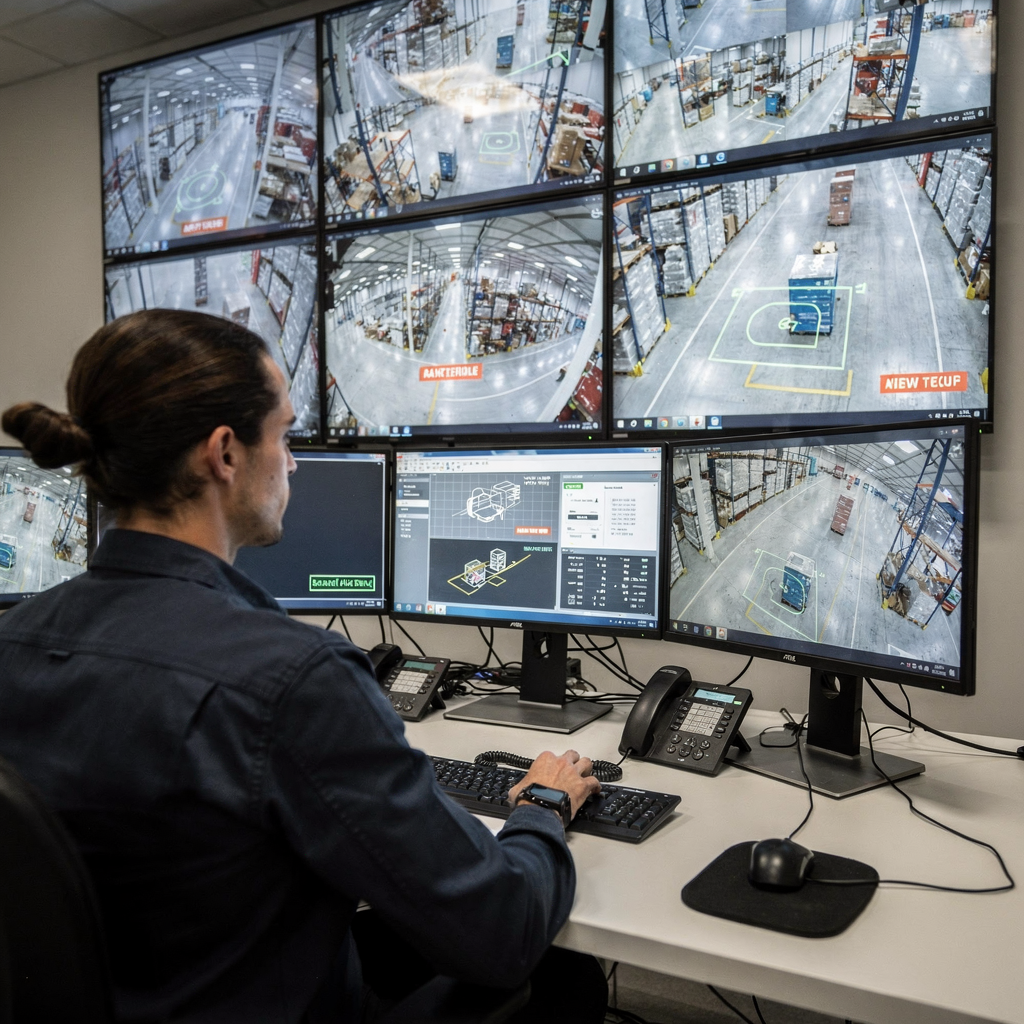
AI reduces noise and boosts relevance. In well-tuned systems, automated verification and contextual checks reduce false alarms and ensure that operator attention focuses on real incidents. In practice, a unified platform ties access logs and sensor data to video events, and it filters out routine triggers. This filtering has direct effects on workload. A security analyst quoted in industry literature explains that AI video analytics “transforms video into actionable intelligence, enabling data-driven decisions that enhance safety and operational efficiency” (USClaro).
Systems that detect vehicles, people, and objects in live streams also support policy-based escalation. Teams can tune alerts for sensitivity, and they can route notifications to specific operators or teams. visionplatform.ai integrates AI agents that reason over detections and then present confirmed situations with suggested actions. This reduces alarm fatigue, and it makes response repeatable. Finally, because some deployments must remain on-premises for compliance, platforms often support hybrid modes that stream metadata while keeping video local. These choices improve resilience and operator confidence when seconds matter.
AI vision within minutes?
With our no-code platform you can just focus on your data, we’ll do the rest
Transform Surveillance with Proactive, Smarter Insight
AI-powered video intelligence can transform how organizations prevent and handle incidents. Advanced models reduce false positives dramatically, and this saves hours of wasted investigations. In fact, industry reports note that AI video analytics can reduce false alarms by up to 90% when systems are tuned and integrated into workflows (Coram.ai). With fewer spurious alerts, operators can apply more effective threat hunting, and they can focus on potential threats that truly matter.
Behavioral analysis adds another layer of protection. Rather than only flagging an object, a platform reasons about motion patterns, dwell times, and unusual routes. The result is contextual outputs that explain why an event is important, not just that it occurred. visionplatform.ai takes this further by combining a Vision Language Model with AI agents. The agents correlate detections, access control logs, and historical context to verify an alarm and then recommend steps. This approach reduces the cognitive load on operators and shortens investigation cycles.
Proactive workflows also support compliance and audits. Because systems tag and index events with descriptive metadata, investigators can reconstruct timelines quickly. For perimeter intrusion, loitering, and suspicious-object scenarios, the ability to search recorded video in natural language is especially powerful. To see how forensic search accelerates post-event review, explore our forensic search in airports resource (forensic search). Altogether, smarter insight helps teams evolve from passive monitoring to proactive protection, and it makes surveillance more targeted and effective.
Stream and Archive Intelligent Clips for Interactive Analysis
Seamless streaming and long-term archive are essential for both operational visibility and regulatory compliance. A unified platform streams live feeds while it archives indexed clips for future review. This split lets operators monitor in real time, and then retrieve context-rich clips for deeper investigation. Clip-based workflows save time because teams work with short, relevant segments rather than hours of recorded video. A robust archive keeps metadata, and it preserves chain-of-custody information for evidence.
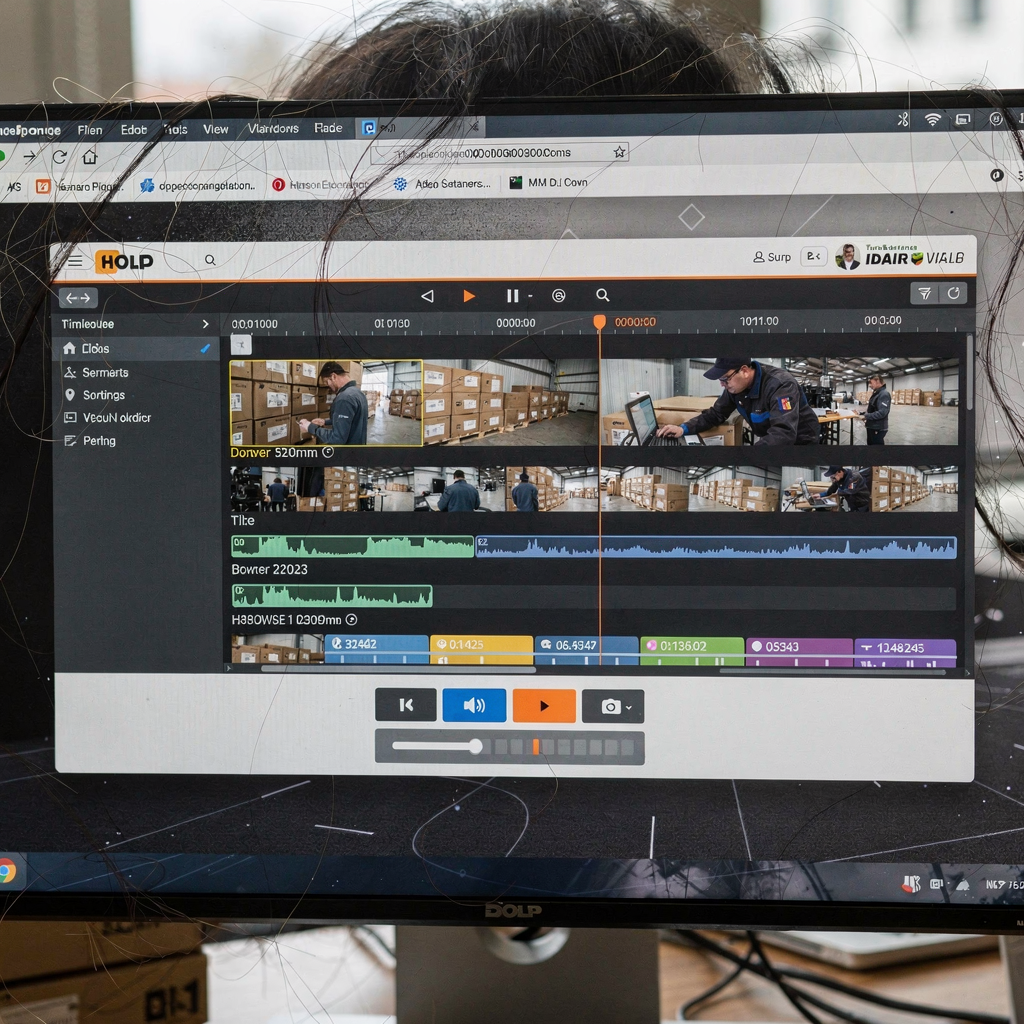
Interactive dashboards let users visualize an event sequence and then refine queries using natural language. visionplatform.ai supports forensic search across recorded video so operators can find incidents without knowing camera IDs or exact timestamps. Indexing and metadata enable fast search, and then AI descriptions make clips understandable at a glance. This capability turns massive amounts of recorded video into accessible knowledge, and it simplifies audits and investigations.
Cloud archive options provide scalability, while edge or on-premises archives support high throughput and data sovereignty. Platforms that offer both modes give enterprises the flexibility to comply with local rules and sustain uptime. Clip export and redaction tools also support privacy and content moderation needs, so footage can be shared with stakeholders in a compliant way. Overall, combining live stream, searchable archive, and clip-based workflows creates an actionable evidence pipeline that accelerates investigation and supports legal and operational requirements.
AI vision within minutes?
With our no-code platform you can just focus on your data, we’ll do the rest
Ensure Resilient Operations by Reducing Downtime and Enabling Integration
Resilience matters. Surveillance systems must stay operational under stress, and architecture choices determine overall reliability. Redundancy, health checks, and failover mechanisms protect uptime. For example, systems that replicate events to secondary servers and that run local edge processing ensure continued capture if cloud links fail. These patterns increase operational resilience, and they reduce downtime for critical infrastructure.
Integration with existing security and IT stacks also strengthens resilience. A platform that connects to NVRS, access control, and enterprise orchestration systems centralizes situational awareness. Then, when an alarm occurs, the system can query access logs, call up camera clips, and notify the right team automatically. This end-to-end approach supports incident handling, and it keeps teams coordinated. visionplatform.ai exposes VMS data as a real-time datasource for AI agents, which enables automated verification and consistent action.
Health and uptime monitoring are part of the ecosystem. Regular tamper checks, device health metrics, and automated alerts let administrators act before failures propagate. With modular deployments, sites can evolve from a few cameras to thousands without a full rip-and-replace. These design principles help ensure recovery, and they simplify capacity planning. Finally, integration reduces manual tasks and helps enterprises streamline incident response across security and operational systems.
Intuitive Platform to Enhance Insight with AI Video Analytics
An intuitive, browser-based interface is critical for operator efficiency. Dashboards that display contextual descriptions, timelines, and recommended actions let teams act faster. When AI summarizes what was seen and why it matters, operators save time and reduce error. visionplatform.ai focuses on making video search natural and on providing AI agents that explain detections and suggest next steps. This combination turns raw video into true operational insight.
Customization is important for enterprise adoption. Users must tailor detection thresholds, workflows, and dashboards to site-specific risk. The platform should also provide modular tools to refine models using local data. visionplatform.ai supports custom model workflows, and it integrates with existing VMS and edge cameras to preserve investment. This flexibility helps organizations adopt video intelligence at their own pace.
Finally, intuitive systems encourage data-driven decisions across teams. Security, facilities, and operations can all benefit from a common view of events and KPIs. By making AI explanations visible and by providing guided actions, platforms help operators verify incidents and then act consistently. As a result, control rooms evolve from overwhelmed centers into decision hubs that deliver measurable improvements in response time and safety.
FAQ
What is a unified video intelligence platform?
A unified video intelligence platform combines video streams, access control, and analytics into a single system. It connects sensors, VMS, and AI models so teams can monitor, search, and act from one interface.
How does AI reduce false alarms?
AI refines detections by combining object recognition with contextual checks and historical patterns. This lowers noise and directs operator attention to verified incidents that need response.
Can a unified platform work with existing cameras and VMS?
Yes. Many platforms integrate with ONVIF, RTSP cameras, and popular VMS systems to avoid costly rip-and-replace projects. Integration keeps current investments while adding AI capabilities.
Is on-premises deployment possible?
On-premises deployments are available for organizations with strict data control or compliance needs. These setups keep video and models inside the site while still offering AI-assisted features.
How does searchable archived video help investigations?
Indexed clips and metadata let investigators locate relevant footage quickly. Natural language queries and AI descriptions reduce the time needed to reconstruct events and gather evidence.
What happens if the network or cloud link fails?
Resilient platforms include failover and edge processing so capture continues locally. Health checks and redundancy also notify administrators before outages cause data loss.
Can the system support multiple sites and large enterprises?
Yes. Scalable architectures and modular deployments let enterprises expand coverage across many locations. Centralized policy control maintains consistency across sites.
How do AI agents assist operators?
AI agents verify and explain alarms, recommend responses, and can pre-fill reports. They act as decision support to reduce operator workload and speed actions.
Are these platforms compliant with privacy rules?
Many systems include redaction, access controls, and on-premises options to meet privacy and regulatory requirements. Configurations can be tuned for local laws and policies.
Where can I learn more about airport use cases?
visionplatform.ai provides targeted resources on people detection, intrusion detection, and forensic search in airport environments. These pages explain specific deployments and operational outcomes.