Introducing avigilon unity and the power of ai in video security
avigilon unity is presented as a unified platform that ties cameras, analytics, and operator workflows together. It sits at the intersection of cameras and control rooms. The platform aims to simplify how teams handle alerts, inspections, and incident management. In practice, avigilon unity brings intelligent event correlation and searchable video to operators so they can act faster and with more context.
AI agents bring the power of AI to video security by turning streams into actionable intelligence. These agents run inference, aggregate metadata, and prioritize events. They reduce the cognitive load on operators, and so they free time for higher-value tasks. For example, Avigilon’s AI capabilities can cut monitoring time substantially, allowing teams to focus on real incidents rather than repetitive verification Avigilon Is Trying To Sell To Me Direct – IPVM Discussions. The same report notes facial recognition accuracy above 90% under controlled conditions, which matters in high-security sites IPVM accuracy note.
Key benefits include real-time insights, proactive alerts, and reduced operator load. In addition, AI agents can tag events for later forensic search and for linking across systems. For organisations with strict compliance needs, keeping processing close to cameras helps protect privacy and data sovereignty. visionplatform.ai often complements VMS platforms by adding an on-prem reasoning layer. We then convert detections into explanations and decision support so operators receive context, not raw alarms.
For readers thinking about scale, the global market for AI in video surveillance continues to expand at pace. Market analysts forecast a strong CAGR through the late 2020s, which explains why vendors and integrators invest in AI-driven tools Video Surveillance Market Size, Share & Industry Analysis Report. Therefore, adopting a platform that supports AI agents and clear workflows matters for future-proof security infrastructure.
ai-powered avigilon ai and video analytics in modern CCTV
Avigilon AI bundles several ai-powered features that modernise CCTV operations. The platform targets facial recognition, object classification, and behavioural analysis. These modules run both at the edge and in central appliances. As a result, security teams get faster detections and contextual flags. The system uses deep learning models and trained classifiers to spot loitering and unauthorised access. It then feeds results into operator queues for verification.
Real-time video analytics workflows start with capture, then move to edge inference, followed by event enrichment. The enriched event includes metadata such as object type, direction, and related access logs. Next, rules trigger alerts when thresholds or patterns are met. For example, a loitering rule can escalate after a set time, and a line-cross event can tag nearby cameras for immediate review. These workflows reduce false positives and speed response.
Avigilon reports accuracy rates above 90% for facial recognition under controlled conditions, and customers see lower false-alarm rates as a result IPVM accuracy note. In the field, that accuracy translates to meaningful reductions in wasted operator time. One integrator said, “The AI capabilities embedded in Avigilon’s VMS have transformed how we approach surveillance. The system’s ability to autonomously detect and classify events has improved our response times and overall security posture” integrator quote. That viewpoint helps explain why sites deploy AI agents to screen events first, and then route only verified alarms to human operators.
Because the solution supports appearance search, teams can perform rapid investigations. Using appearance search technology, investigators find persons of interest across hours of footage. This feature pairs with analytics to locate tracks, vehicles, and actions. For example, airports use appearance search and specialised modules for crowd and loitering detection; see our documentation on loitering detection in airports for practical use cases. The mix of ai-powered analytics and searchable history makes modern CCTV both preventive and forensic.
AI vision within minutes?
With our no-code platform you can just focus on your data, we’ll do the rest
Streamlining video management systems with avigilon video and video management software
Avigilon video sits at the core of deployments that need centralised control and flexible scaling. The platform integrates with third-party cameras and supports hybrid topologies. Operators use the interface to manage live views, recorded footage, alerts, and reports. This single pane helps reduce context switching and speeds incident management.
The core features include event tagging, timeline search, and rule-based alerting. There is also support for network video recorders and on-premise video storage, which keeps data inside an organisation’s boundary. For teams that need a single installable product, avigilon offers a unified client and server, and customers often pair these with edge devices for distributed processing. The deployment can scale from a single site to enterprise deployments that link hundreds of cameras and many control rooms.
To manage this scale, operators combine edge appliances and on-premise servers. An avigilon ai appliance can handle local inference for several streams, and then an on-site server aggregates events for central review. Cloud management options exist for hybrid scenarios, but many organisations prefer on-premise video for privacy and compliance reasons. visionplatform.ai supports both approaches while emphasising on-prem reasoning to minimise data leaving the environment.
For integrators, the system’s management capabilities simplify updates and analytics rollout. The avigilon control center client exposes advanced video features and supports custom rules. When combined with appearance search, investigators can pivot from an incident to all related camera timelines. For airport operations, combining these features with forensic search in airports accelerates investigations and improves throughput. The result is a video management software environment that scales, remains secure, and supports enterprise-grade security and audit trails.
Real-time threat detection on security camera networks and video analytics software
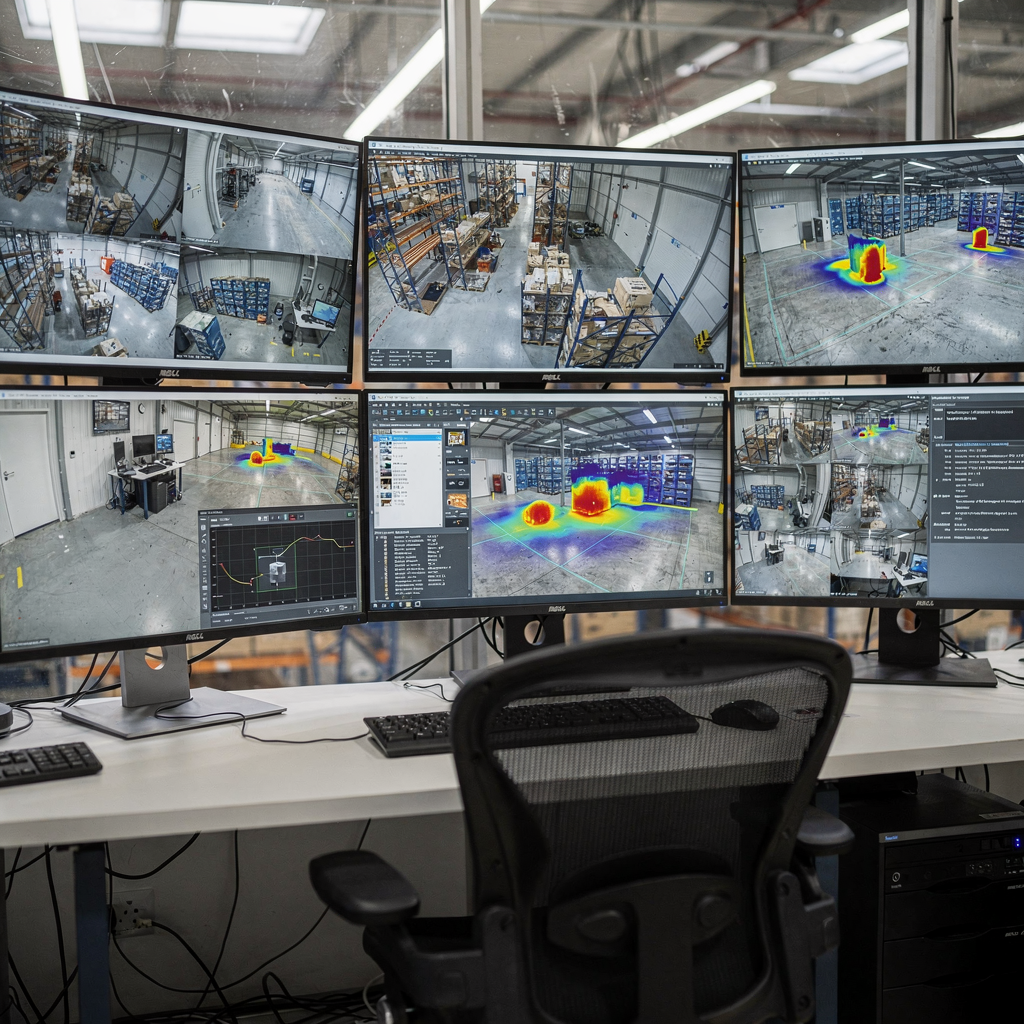
AI processes live feeds from security camera arrays to deliver prompt threat detection. The flow is simple: capture, infer, correlate, and alert. Each camera produces metadata that is normalised and then evaluated by analytics tools designed to detect anomalies. The analytics layer flags patterns such as prolonged loitering, crowd density shifts, or perimeter breaches. Those alerts then pass to an operator or to an AI agent for automated handling.
Key modules in video analytics software include loitering detection, crowd detection, and line-crossing rules. They are tuned for sensitivity and time thresholds. For instance, loitering rules can be site-specific, and crowd detection thresholds vary by venue. The analytics also support specialized tasks like ANPR/LPR and vehicle classification. For airport contexts, see our vehicle detection and classification resource on vehicle detection and classification in airports.
Operators interact with an intuitive interface that presents verified alerts and contextual snippets of video footage. Automated alert management reduces noisy queues. Agents can group related events and recommend next steps, or they can create pre-filled incident reports. visionplatform.ai’s VP Agent Reasoning, for example, correlates video, access logs, and procedures to explain why an alarm matters. This reduces manual checks and speeds incident resolution.
Real-time threat detection supports perimeter security and faster response. The combination of ai-driven analytics and operator workflows improves both detection rates and post-incident forensics. Standards and frameworks matter here. Security teams must balance responsive security with privacy and compliance, and research highlights the need for robust security standards in IoT and smart environments A Review of Security Standards and Frameworks for IoT-Based Smart Environments. Thus, design choices around on-premise processing, logging, and access control systems become strategic.
AI vision within minutes?
With our no-code platform you can just focus on your data, we’ll do the rest
Integrating access control systems into avigilon alta video infrastructure for a complete security solution
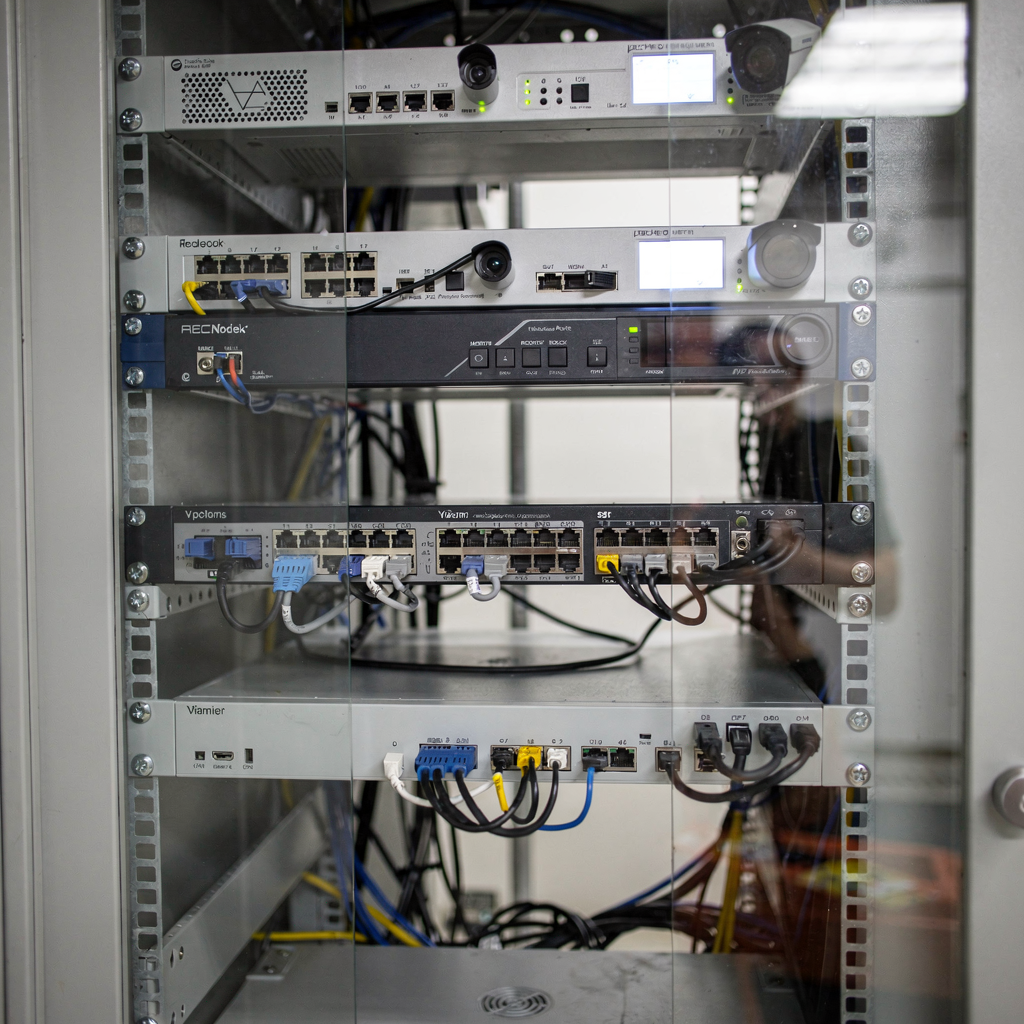
avigilon alta cameras and appliances form the video infrastructure backbone for integrated security deployments. These cameras feed metadata to central servers while edge appliances perform local inference. Linking access control systems to cameras creates unified event correlation. When a badge fails at a gate, video can be pulled automatically to show the incident. This pairing streamlines investigations and provides audit trails for compliance.
Access and analytics together support proactive protection. For example, when access control logs show multiple failed attempts, the system can automatically raise an alert and present relevant camera clips. The unified view helps security teams decide whether an incident requires intervention. For more on specific access scenarios, teams can configure alerts to correlate with loitering or intrusion detection modules for a wider situational picture.
Benefits include proactive protection, clear audit trails, and improved regulatory compliance. The combination of video and access control reduces false positives and documents chain-of-custody for incidents. visionplatform.ai extends this with VP Agent Actions, which recommends or executes workflows based on verified situations. These actions can pre-fill incident forms, notify teams, or trigger lockdowns under defined policies. The result is a security system that works together instead of in silos.
Integrators should design for scale and compliance. Ensure the access control systems you choose can exchange events via APIs or webhooks. Also, give thought to data retention and on-premise video storage to meet local laws. Finally, using a mix of edge ai, network video recorders, and central servers gives resilience and redundancy, and it protects video data while keeping response times low.
The future of video management: avigilon, motorola solutions and the security solution landscape
Emerging trends point to smarter edge AI and faster model updates. Edge devices now run more complex models, and that reduces latency and cloud dependency. Vendors will continue to push ai-driven analytics to the camera and to compact appliances. As models evolve, continuous retraining and explainability will be key to maintaining trust.
The partnership with motorola solutions shapes roadmaps and integrations. That collaboration aims to bring enterprise-grade security features into broader operational contexts. Teams should expect deeper integrations between radio, incident management, and video systems, which can improve coordination during incidents.
Standards, data privacy, and the EU AI Act are front of mind. Organisations that keep processing on-premise and log events with auditable trails will find compliance easier. visionplatform.ai emphasises on-premise video and transparent models. This approach reduces data export risks and supports EU AI Act alignment.
To future-proof your security infrastructure, focus on interoperability, modular upgrades, and agent-ready architectures. Invest in intelligent video management that can ingest structured events, and then expose them to agents and orchestration layers. By doing so, you benefit from intelligent video analytics, faster incident management, and reduced operator fatigue. In short, design systems that scale, remain auditable, and provide clear value for both security operations and broader operational KPIs.
FAQ
What is avigilon unity and why does it matter?
avigilon unity is a platform that links cameras, analytics, and workflows into a single operational view. It matters because it reduces the time operators spend toggling between systems and helps teams act on verified events faster.
How do ai agents improve video security?
AI agents analyse live feeds, prioritise alerts, and enrich events with metadata. They reduce false alarms and provide context so operators can make faster, better decisions.
Can avigilon ai operate at the edge?
Yes, Avigilon supports edge inference through appliances and cameras that run local models. Edge processing lowers latency and helps keep sensitive video data on-premise.
What accuracy can I expect from facial recognition?
Under controlled conditions, Avigilon’s facial recognition has shown accuracy rates above 90%, though real-world performance depends on lighting and camera placement IPVM accuracy note. Always validate algorithms on your site before operational use.
How does appearance search speed investigations?
Appearance search indexes visual attributes so teams can find persons or vehicles across hours of footage quickly. This reduces investigation time and helps tie incidents together across cameras.
What are the benefits of integrating access control systems with video?
Linking access control systems and cameras gives unified event correlation and audit trails. It also enables automated workflows that verify badge events with video, which improves compliance and response.
Are there privacy or compliance concerns with AI in VMS?
Yes. Organisations must consider data retention, processing location, and legal frameworks such as the EU AI Act. Keeping processing on-premise and maintaining auditable logs helps with compliance security standards review.
How does Avigilon reduce operator workload?
Avigilon’s analytics triage events and present only verified alerts to staff, which reduces monitoring time by significant margins. Reports show reductions in operator monitoring time that free teams for higher-value tasks IPVM operator time.
Can legacy cameras work with modern AI analytics?
Yes, many IP security camera systems and RTSP feeds can feed modern analytics. Gateways and edge appliances help convert legacy streams into usable metadata.
Where can I find examples of specialised airport analytics?
visionplatform.ai publishes use cases such as loitering detection, forensic search, and vehicle classification for airports. See our pages on loitering detection in airports, forensic search in airports, and vehicle detection and classification in airports for detailed examples.