axis camera station and Video Management: A Surveillance Solution
Axis Camera Station is a core video management platform used to run integrated camera fleets, and it serves as a complete surveillance solution for many sites. First, it ties together Axis devices, Axis IP cameras, and third-party hardware into one user interface. Also, it supports major video management systems and common protocols so sites can deploy consistent management software. Next, the VMS gives operators live views, recorded video, and search capabilities that scale with the site. Furthermore, the system helps teams manage access control and incident response workflows from one screen. In addition, Axis Communications builds the ecosystem, and their products work closely with ACS and Axis network cameras to ensure seamless deployment and interoperability.
Also, operators benefit from a familiar user interface, and they can use video footage to maximize the performance of security teams. Then, the platform supports edge processing at Axis edge devices for distributed analytics. Additionally, the platform is compatible with on-premises architectures, and it helps organizations avoid unnecessary cloud dependencies. Subsequently, this lowers costs and preserves raw data for audits. Also, ACS can integrate with access management software and other management systems to automate notifications and incident workflows. Therefore, Axis Camera Station helps teams move from simple recording to informed decisions and operational efficiency.
Moreover, visionplatform.ai complements Axis Camera Station by turning detections into AI-assisted operations. Also, our VP Agent Suite uses the recorded video and metadata that Axis Camera Station produces to enable smart search and faster incident response. Next, operators get a search experience similar to free text queries and smart search 2 style results for forensic work. Finally, when paired, these tools help security teams reduce manual steps, and they create a path to scalable solutions without changing camera fleets.
axis cameras, ai-driven ACAP and Analytics Solutions for edge analysis
Axis cameras often run analytics directly on the device, and ACAP lets vendors deliver applications that execute directly on the camera. First, ACAP enables third-party modules and analytics solutions to run directly on the camera for low-latency processing. Also, edge analysis reduces bandwidth and keeps sensitive raw data on site. Next, AI-driven models can be deployed on Axis edge appliances or embedded in Axis devices so detection happens where the video is captured. Furthermore, that approach improves response times for real-time alerts and forensics.
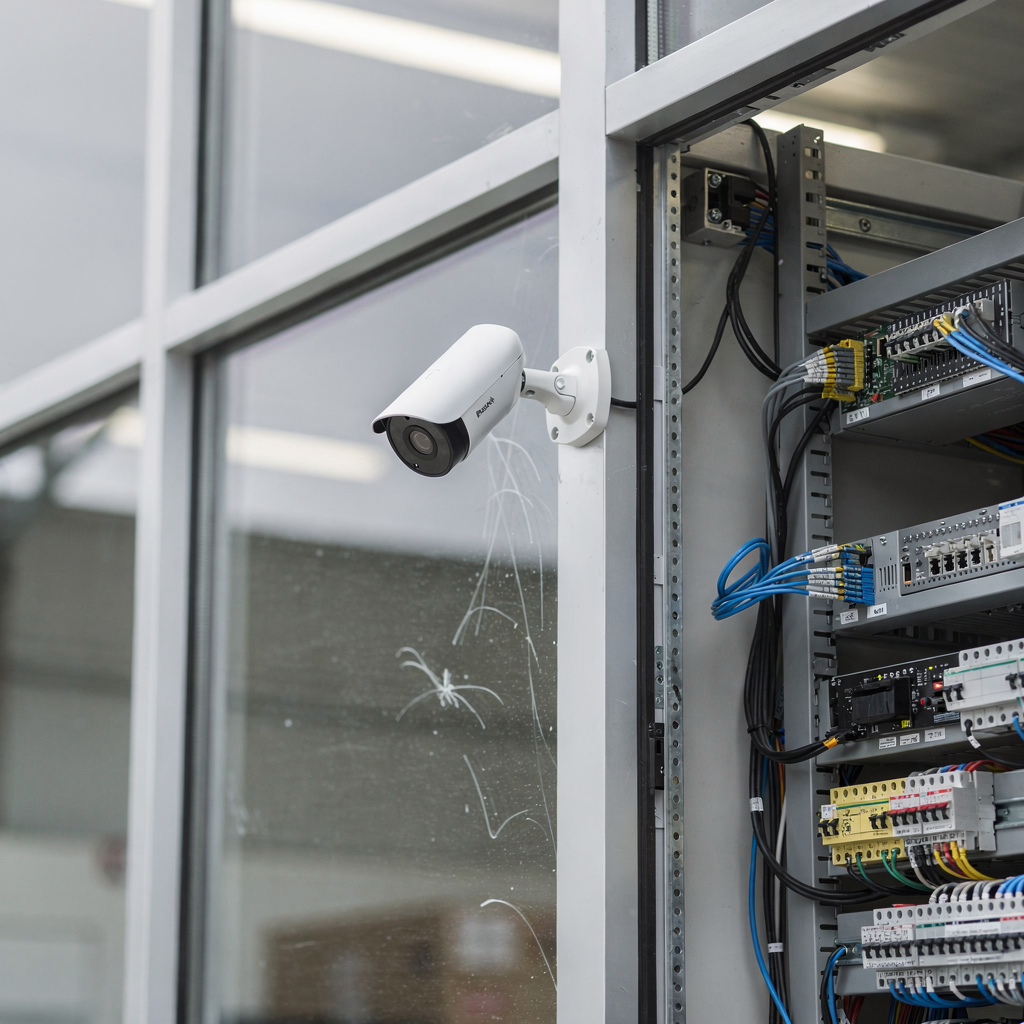
Also, vendors can integrate ACAP apps into Axis Camera Station via standard integration approaches. In addition, Axis IP cameras and Axis network cameras support advanced image processing, and they allow analytics solutions to access image streams for object detection and tracking. Then, analytics modules like Axis Scene Intelligence and custom learning models operate on the camera or on nearby edge servers to deliver AI-powered classification. Furthermore, this reduces false positives and supports targeted notifications to operators.
Also, axis manufacturers and third-party developers provide DLPU acceleration and optimized deployments for constrained devices. Consequently, this maximizes the scalability and scalability of analytics across large sites. In addition, AXIS device-level processing supports advanced image processing, and it brings threat detection closer to the sensor. Finally, integration with Axis Camera Station or integration with Axis Camera Station Pro workflows allows analytics solutions to hand off events and axis scene metadata for deeper investigation, while preserving on-premises control and open standards.
AI vision within minutes?
With our no-code platform you can just focus on your data, we’ll do the rest
real-time Video Analytics and Metadata for Operational Efficiency
Real-time video analytics create instant value by detecting suspicious behaviors and generating metadata that operators can act on. First, video analytics extract attributes, timestamps, and axis scene metadata that let teams search recorded video quickly. Also, enriched metadata enables smart search and fast forensic searches across long timelines. Next, analytics can reduce false alarms by up to 70%, which lowers operator workload and saves resources [market report]. Therefore, this drives operational efficiency in security operations and control rooms.
Also, metadata supports automation, and it allows the system to notify the right responders with minimal human input. For example, notification rules can filter alarms and only surface validated incidents for review. Then, AI-based verification can analyze multiple sensors and learning models to confirm an event before an incident response is launched. Furthermore, Axis Camera Station and axis-compatible analytics feed events into management software and access control, which gives a single timeline view for operators. In addition, this promotes situational awareness and faster incident response.
Also, visionplatform.ai takes metadata a step further by converting video into searchable text and enabling VP Agent Reasoning. Consequently, operations teams can analyze video footage in natural language, and they can find specific use cases quickly, such as loitering or intrusion patterns. For more context on people detection and crowd analytics use cases that pair well with these capabilities, see our people detection in airports and crowd detection density in airports pages for examples of how metadata improves searches: people detection in airports and crowd detection density in airports. Also, enriched metadata from axis scene intelligence reduces time to verify and to act, and it increases throughput for busy control rooms.
actionable, actionable insights and easy access to actionable insights in Video Surveillance
Actionable insights become useful when they are easy to access and to act on. First, built-in analytics and ACAP modules generate events, and then management software surfaces those events as structured information. Also, Axis Camera Station provides alerts and recorded video playback, and this helps teams prioritize. Next, easy access to actionable insights speeds investigations and daily operations. Furthermore, operators can query with free text to find incidents; for example, visionplatform.ai’s VP Agent Search supports free text queries so teams can search like humans reason about situations. Also, our platform enables searches such as “person loitering near gate after hours” and returns matched video and contextual knowledge quickly.
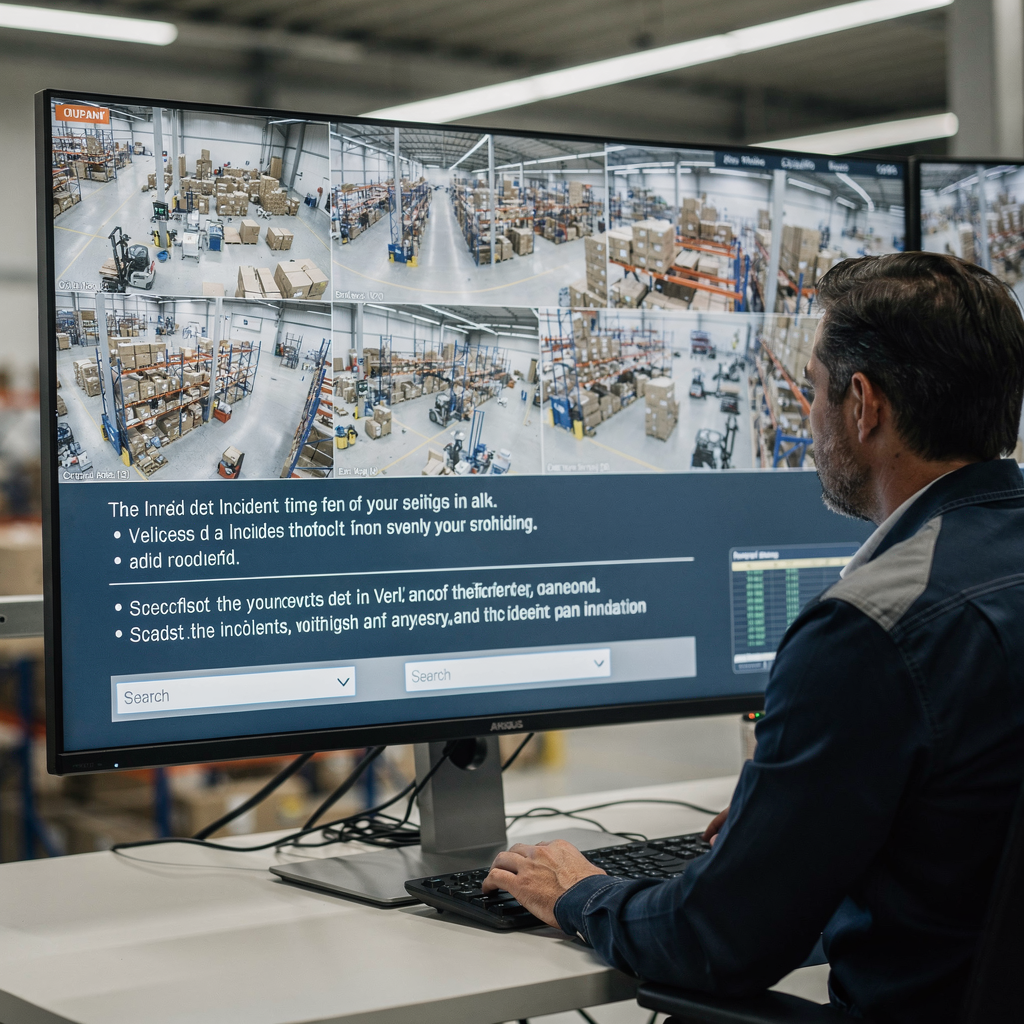
Also, easy-to-use dashboards and smart search let teams filter by metadata fields, by event confidence, or by axis scene metadata tags. Then, analytics solutions can export structured events to external SIEM or incident management tools. In addition, this allows automated workflows to create incident reports, share evidence, or trigger downstream automation. Also, companies can integrate VP Agent Actions to automate repetitive steps and to pre-fill reports, which reduces operator time per alarm. Finally, these improvements help organizations maximize the performance of their control rooms while maintaining audit trails and compliance on-premises.
Also, if you want a practical example, see our forensic search in airports page which shows the impact of searchable descriptors on investigations: forensic search in airports. Moreover, combining Axis Camera Station with AI-powered agents creates a workflow where video security becomes a source of valuable insights for broader operational processes.
AI vision within minutes?
With our no-code platform you can just focus on your data, we’ll do the rest
third-party Integrations and Related Resources for Analytics
Axis cameras and Axis Camera Station support a broad ecosystem of third-party partners that supply analytics solutions and deployment options. First, ACAP encourages independent developers to build apps that run directly on axis devices. Also, third-party integrations include plugins for access control, immix, and other control room platforms. Next, this ecosystem lets sites pick the best tools for specific use cases, such as ANPR/LPR, PPE detection, or perimeter breach detection. For example, vendors provide specialized modules for ANPR/LPR and for weapon detection that plug into axis management systems. In addition, many analytics solutions expose events via MQTT, webhooks, and APIs to support BI and OT use cases.
Also, related resources exist to help integrators and operators choose the right components. Then, documentation and open standards reduce integration friction and support on-premises deployments. Furthermore, Axis Communications partners with a wide set of developers to accelerate innovation across the platform. Also, visionplatform.ai works with leading VMS platforms and supports access control links, and our VP Agent Suite is designed to integrate with Axis Camera Station and with other vms via standardized APIs. For specific analytics examples, check our pages on ANPR, PPE detection, and intrusion detection to see use cases and integration patterns: ANPR/LPR in airports, PPE detection in airports, and intrusion detection in airports.
Also, partners help with scalable solutions and custom learning models. Then, vendors supply DLPU-accelerated appliances, NVIDIA Jetson edge nodes, and enterprise GPU servers for larger deployments. Moreover, professional integrators advise on architecture, on how to keep video and models on-premises, and on how to maintain audit logs for compliance. Also, these integrations improve search capabilities and provide valuable insights that extend beyond classic alarm handling to true operational support.
security and safety: enhances security through AI in axis camera station
AI agents bolster security and safety by improving detection accuracy, speeding incident response, and enhancing situational awareness. First, AI-powered verification can correlate video, axis scene metadata, and external sensor data to confirm events. Also, by reducing false positives, AI reduces operator fatigue and speeds incident handling. Next, AI-driven verification supports threat detection and incident response workflows while keeping evidence on-premises when required. Furthermore, this supports compliance with emerging regulations and privacy requirements.
Also, AI-based analytics improve weapon detection, fall detection, and unattended object detection to help teams respond quickly. Then, visionplatform.ai’s VP Agent Reasoning adds context to raw detections so operators see what happened, why it matters, and what to do next. In addition, this reasoning layer enables informed decisions and guided actions, and it automates repetitive steps where policy allows. Also, that means operators can focus on complex judgments while agents handle routine verification and notification tasks.
Also, enhancing security is not just about detection. Next, it is about integrating with access control, with incident response playbooks, and with control room procedures. Then, Axis Camera Station and axis devices provide the video security foundation. In addition, tools such as smart search, smart search 2, and VP Agent Search let teams find events across long archives of video footage. Also, this supports post-event analysis and continuous improvement of learning models. Finally, the result is a more resilient surveillance system that enhances security for people and assets while supporting operational efficiency and long-term scalability.
FAQ
What is Axis Camera Station and how does it differ from other VMS?
Axis Camera Station is a video management system optimized for Axis devices and compatible cameras. It focuses on ease of use for small and medium sites while supporting integrations and analytics for larger deployments.
Can Axis cameras run analytics directly on the device?
Yes. Axis cameras support ACAP, which lets analytics run directly on the camera for edge processing and faster alerts. This reduces network load and often keeps raw data on-premises.
How do AI agents improve incident response?
AI agents verify alarms, correlate multiple data sources, and recommend actions to operators. As a result, they reduce false positives and speed incident response with clear recommendations.
Are there privacy benefits to edge analysis?
Yes. Edge analysis can keep video and metadata within the site and limit cloud transfers. Therefore, it helps meet compliance needs and reduces exposure of raw data.
What third-party integrations are available for Axis Camera Station?
Axis supports many third-party partners, including immix and access control vendors, and it has an ACAP ecosystem for specialized analytics. Integrators often provide DLPU or GPU-based appliances for scale.
How does metadata improve search and investigations?
Metadata tags events with attributes and timestamps, which enables smart search and fast retrieval of recorded video. Consequently, investigators spend less time finding relevant footage.
Can visionplatform.ai work with Axis Camera Station?
Yes. visionplatform.ai integrates with Axis Camera Station and other vms to provide VP Agent Search, reasoning, and actions that operate on on-premises data. This helps teams convert detections into operational decisions.
What are common use cases for analytics on Axis cameras?
Common use cases include ANPR/LPR, people counting, intrusion detection, PPE detection, and fall detection. These use cases benefit from edge processing and structured metadata for follow-up.
How do AI agents reduce operator workload?
AI agents verify events, pre-fill incident reports, and automate straightforward workflows. Therefore, operators can focus on higher-risk incidents and complex judgments.
Where can I learn more about specific analytics implementations?
For deeper examples, visit our pages on ANPR/LPR, people detection, and intrusion detection which show use cases and integration patterns. Also, these resources illustrate how analytics tie into operational processes.